
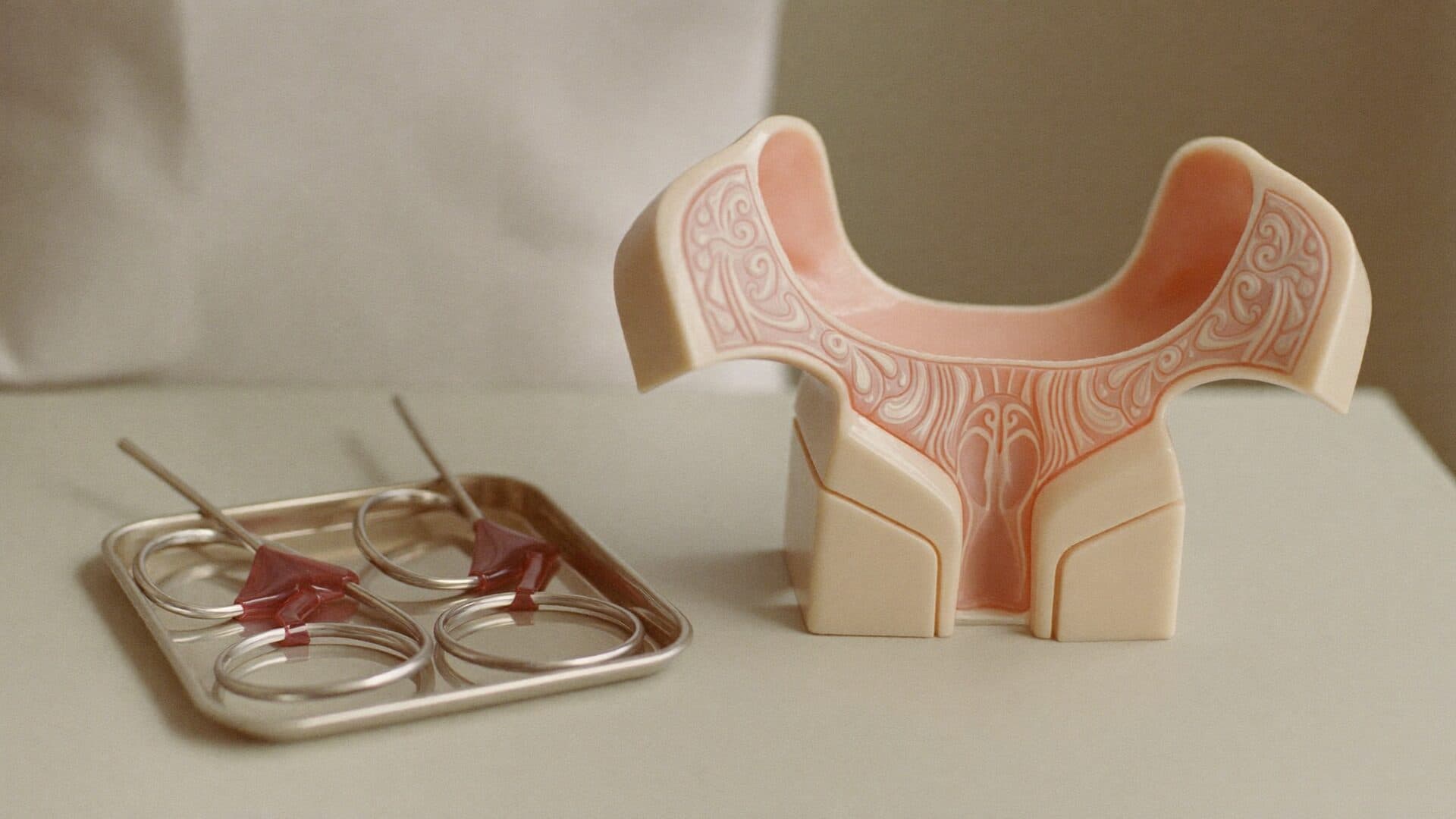
Samsun Uterine Prolapse Treatment
Samsun aims to select appropriate methods for the person by evaluating the treatment of uterine prolapse, the degree of prolapse, its impact on daily life and the desire for pregnancy.
Not everyone with a hysterectomy needs to have surgery. In the treatment plan, pressure in the vagina, difficulty in urinating, discomfort in daily movements, and one's expectations are handled together. Some patients may have sufficient follow-up or non-surgical support, while some patients may have surgical options assessed.
This content is intended to help you understand the options and prepare questions you will ask at the examination. General information is not substituted for a personal diagnosis or treatment decision. The appropriate approach is determined after assessing which organs the sagging affects and how it reflects on your life. UCLH patient information.
What Is a Cervical Shake?
The sagging of the uterus is the displacement of the uterus towards the vagina, with muscles and connective tissues weakening that keep the uterus in place; Diagnosis is determined in gynecological examination.
The pelvic floor, along with the uterus, supports the bladder and intestinal region. When support is reduced, the uterus can go down; The cervix can be felt at the entrance to the vagina. The expression "uterine mouth drooping" can also be used to describe this complaint.
Cervical sagging is a form of pelvic organ sagging. The swelling of the bladder towards the front wall of the vagina is called a systoscele, the swelling of the rectum towards the back wall is called a rectocele; These may accompany uterine prolapse. Cambridge University Hospitals.
For the inner lips in the outer genital area Samsun labiaplasty its implementation is a different process; It is not a cure for uterine prolapse.
What Causes Cervical Shake?
The causes of uterine prolapse are associated with birth, aging, and ongoing strains affecting connective tissues by person with muscles supporting the pelvic floor.
Pregnancy and vaginal birth can have an effect on pelvic support. Ageing, changes in menopause, and structural features of connective tissue are also evaluated. Just as having given birth does not necessarily mean that sagging will develop, not having given birth does not completely exclude this possibility.
Along with chronic constipation, push-ups, prolonged coughing, excess weight and repetitive heavy lifting can force the pelvic floor. The physician investigates which of these are in your situation and can be managed. It is not right to tie the shake to a single behavior or blame the person for the problem he or she is experiencing. NHS.
What Are the Symptoms of Cervical Sagging?
Symptoms of uterine prolapse can range from vaginal pressure and the swelling that comes to hand to urinary and intestinal complaints; Gynecological evaluation is required for diagnosis.
The vagina can be seen with fullness, a feeling of downward withdrawal, or a manually noticeable protrusion. In some people, discomfort increases when standing for a long time. Failure to fully empty urine, urinary incontinence, difficulty with excretion, or discomfort in sexual intercourse may be accompanied by; However, there may be other reasons for these complaints.
The onset of sagging of the uterus can be noticed by mild complaints or detected in the examination. The type or degree of prolapse cannot be determined based on symptoms alone. Noteing the onset of symptoms and its impact on daily life makes it easier to negotiate. RCOG.
Don't expect a routine appointment if you can't urinate suddenly; urgent medical evaluation is required. NIDDK.
What Are the Stages of Cervical Sagging?
Stages of uterine prolapse refer to the anatomical rating detected during the examination, indicating the position of the uterus within the vagina and relative to the entrance of the vagina.
The general narrative uses light, medium and forward expressions of sagging. In the first stage, sagging may be higher in the vagina, near the entrance to the vagina in the second phase, and outside the entrance in the third stage. The fourth stage refers to very advanced sagging. For precise grading, examination measurements are required.
This classification is not the only measure of the decision on uterine sag surgery. The complaints and needs of two people with similar anatomical degrees may be different. When determining treatment, urine and intestinal functions, general health status, and patient preferences are also evaluated. Cleveland Clinic.
How Does the Diagnosis of Cervical Sagging Work?
The diagnosis of hysterectomy is made by listening to the detailed story and evaluating the uterus, vagina walls and pelvic floor support with a gynecological examination.
The consultations asks about the pregnancy plan with birth history, past surgeries, medications, urine and intestinal complaints. The examination assesses which organs are affected and the level of prolapse. You may be asked to push or examine in a different position if necessary.
POP-Q is an evaluation system used to record pelvic organ sagging by measuring. Routine imaging is not required to show this when prolapse is detected in the examination; Additional examinations are selected based on specific complaints and examination findings. NICE, prolapse assessment.
Samsun Gynaecologist You can share your complaints and previous reports when receiving information about their services. Asking the scope of the examination, what the findings mean and why the options are proposed makes the consultations more understandable.
Treatment Options for Urinary Sagging in Samsun
In Samsun, uterine prolapse includes treatment options, the effect of complaints, examination findings and approaches ranging from follow-up to surgery within the framework of patient preference.
There is no single standard method for the treatment of uterine sags. People who have no complaints or mild complaints can be watched. In order to reduce complaints, pelvic floor studies, pessars or surgical methods are evaluated in appropriate patients.
When deciding on the non-surgical treatment of uterine prolapse, what the method can change, the need for control and its alternatives should be clearly discussed. A person's pregnancy plan and preferences for surgery are also important. In general, not every option described is suitable for each patient or a service offered at each center. IUGA treatment options.
pelvic floor Exercises and Physiotherapy
pelvic floor exercises and physiotherapy may support the relaxation of the complaints that accompany the sagging of the uterus, strengthening the function of muscles in appropriate patients.
The purpose of the study is to learn how to use the right muscles in an appropriate way. A physiotherapist assessment working on the pelvic floor is recommended if necessary. Tightening muscles more or more strongly may not be the right approach for everyone; The study program is organized according to personal evaluation.
Regular implementation of exercises and control of the technique is important. Exercise, however, does not necessarily mean that the uterus will return to its former anatomical position. In the event that the complaints continue or change, the program and other options are reevaluated. A single number of repeats taken from the Internet is not a substitute for a work plan that suits the individual. IUGA pelvic floor exercises.
Vaginal Pessar (Support Ring)
Vaginal pessar is a removable tool that supports sagging tissues by placing them in the vagina, selected by examination of its type and measure, and requires regular control.
Pessar can be evaluated in some patients who do not prefer surgery, delay it, or seek non-surgical support for other reasons. They have different shapes and sizes; It may take more than one attempt to find the appropriate one. It is assessed together that it provides adequate support and does not create discomfort.
The usage, cleaning and control plan depends on the type of device and the person's condition. If bleeding, pain, foul-smelling discharge or apparent discomfort develops, it should be discussed with the physician. Pessar does not provide permanent anatomical repair; It is a supportive option. The failure of controls helps to notice problems that may arise during use. IUGA pessar guide.
Lifestyle Arrangements and Supportive Treatments
Lifestyle arrangements and supportive treatments tend to reduce strain on the pelvic floor and manage individual complaints that accompany sagging.
Evaluation of constipation and chronic cough can be part of a weight management treatment plan, reducing heavy lifting and if necessary. Sharing the conditions under which daily movements create discomfort makes it easier to determine applicable regulations. It is not expected in every patient that these steps completely eliminate the sagging. NHS.
For changes in vaginal dryness and tissues associated with menopause, the physician may evaluate vaginal estrogen in appropriate patients. This approach should not be seen as a drug that relieves uterine prolapse. The choice and use of medication is determined by taking into account a person's health history and possible risks. IUGA vaginal estrogen information.
When Do I Need Surgery for Cervical Cleft?
When uterine prolapse surgery, complaints affect life and options are considered, individual preferences and health status can be brought up.
Surgery can be discussed when the complaints are obvious and the person's assessment of other options is completed. The lack of adequate non-surgical methods may be one of the reasons for this consultations. However, not every patient needs to try all the methods first or have surgery only when they reach a specific stage.
The intended benefit, recovery period, likelihood of recurrence and possible complications are discussed together in the decision process. The difference between uterine protective options and uterine removal should be explained. The decision is based on the patient's informed preference and medical fitness. Gloucestershire Hospitals, treatment options.
uterine Protective Surgery
Uterine protective surgery is an approach aimed at providing pelvic support without receiving a uterus in selected patients, and its method is determined according to personal findings.
These procedures generally aim to support the uterus or fix it on appropriate structures. The approach to be used depends on the type of sagging, the previous operations and the condition of other pelvic organs. The suitability of the methods applied from the vaginal or abdomen is evaluated separately.
It is important that the person who wishes to protect the uterus state this preference in the consultations. If pregnancy is considered in the future, the effect of this on the timing and method selection of surgery is discussed. The protection of the uterus does not mean that fertility will be maintained or that sagging cannot be repeated. Risks such as bleeding, infection, problems with urine, and recurrence of prolapse are explained according to the recommended procedure. IUGA uterine protective surgery.
Retention and Repair of Accompanied Shake
The repair of uterus removal and accompanying prolapse are surgical procedures that are evaluated in appropriate patients, depending on their application, examination findings and treatment preference.
Hysterectomy is the surgical removal of the uterus. It is not necessary for everyone with a hysterectomy. When recommended, the reason for the procedure, the uterine protective alternatives, and the person's expectations should be discussed in detail. Taking the uterus does not necessarily mean that the ovaries will be taken as well.
The loss of pelvic support may not be limited to the uterus alone. Therefore, in the surgical plan, repair of vagina walls or other supporting structures can also be evaluated. Pregnancy cannot be carried after the uterus is taken; This conclusion must be explained before the decision. The scope, benefits and risks of the procedure are determined by examination findings. NHS hysterectomy information.
Recovery and Follow-up After Treatment of Cervical Cleft
Recovery and follow-up after the treatment of uterine prolapse aims to ensure that the daily return to life is safely maintained by planning according to the chosen method and the person's health.
Post-operative hospital stay and return to work times depend on the course of the procedure and recovery performed.You need to follow the recommendations given to you for heavy lifting, exercise, driving and sexual intercourse.There is no single recovery schedule that can be applied to everyone.
New complaints are assessed with wound healing, pain, urine and intestinal functions in the controls. If the fever, increased pain, significant bleeding or difficulty urinating develops, it should be discussed with the medical team without delay. NHS postoperative recovery.
Follow-up is also important in non-surgical methods. Pessar controls and evaluation of the exercise program are maintained according to needs. After treatment, sagging may recur or loss of support in another area may become apparent; new complaints should be reassessed.
Inspection and Follow-up Planning for the uterine Shake in Samsun
In Samsun, uterine prolapse examination and follow-up planning include the handling of complaints, discussion of options, and regulation of control visits.
Prof. Dr. Aşkı Ellibeş Kaya's practice is in Atakum, Samsun. You can prepare previous examination reports, operating information and a list of medications you are using, if any, prior to the consultations. Note the duration of complaints and their impact on your daily life helps you to make your questions more clear.
Samsun obstetrician The page contains information about physicians and their areas of service. For current address and contact information the office contact page You can review.
If you are coming from out of town or a different county, it may be helpful to discuss the timing of examination and possible control visits in advance. The treatment method and follow-up frequency are determined according to the examination result.
Frequently Asked Questions About the Contusion
Frequently asked questions about uterine prolapse help to reduce pre-examination uncertainty on the course of the disease, pregnancy plan and sexual life issues.
The following responses are general informing. The symptoms, expectations and appropriate treatments experienced by people with the same diagnosis may be different. Specifying the topics you care about most in the consultations helps you evaluate options for your own needs.
Issues such as pregnancy desire, sexual life-related discomfort and surgery anxiety are natural parts of the treatment consultations. Personal responses to these questions should be given through examination findings and health history.
Does the Contusion Pass by Itself?
The spontaneous passage of the cervix sagging is not an expected outcome for each patient; The course of complaints and the need for treatment are evaluated by examination findings.
In some people, the complaints may change, ease or increase over time. The decrease in the anatomic sagging does not indicate complete improvement alone. Therefore, it is necessary not to change the follow-up decision simply by looking at the decrease of pain or pressure.
Follow-up can be seen in people with unspecified or mild complaints. New complaints and changes in daily life are evaluated in follow-up. Pessar or exercise do not give the same result for everyone. RCOG.
What happens if the cervix is not treated?
The treatment and follow-up decision in hysterectomy is based on the effect of complaints on daily life; Symptoms should be evaluated when untreated follow-up is selected.
Not every prolapse goes forward; In some people, the situation may remain similar. In contrast, pressure, outflowing tissue, difficulty evacuating urine, or excretion complaints can affect daily life more. The need for treatment is re-spoken according to these changes.
Watching is not ignoring complaints. New bleeding, apparent discomfort, or urination problem requires assessment. The follow-up and treatment decision should include the person's needs along with the findings. Cambridge University Hospitals.
Can those with a cervical contusion become pregnant?
The pregnancy plan in uterine prolapse, the degree of sagging, previous treatments and reproductive health are a special issue that should be discussed with the doctor by evaluating together.
It is not possible or impossible to get pregnant only from the prolapse diagnosis. A pregnancy request should be evaluated together whether it has undergone prolapse surgery before and other reproductive health problems. If the uterus is taken, it is not possible to carry a pregnancy.
The desire to have children in the future can have an impact on delaying surgery or assessing non-surgical options.It is important that the plan is discussed with the physician in advance, as pregnancy and childbirth may affect the risk of sagging reappearance. IUGA pregnancy and treatment planning.
Does the Contusion Affect Sexual Life?
The effect of uterine prolapse on sexual life can be felt by pressure or discomfort in some people; The cause of the complaints and appropriate approaches are determined by examination.
There may be discomfort, pain, or a feeling of fullness in the vagina in sexual intercourse; however, this does not apply to everyone. Since there may be other causes of pain, it is necessary to evaluate the complaint without just tying it to the sagging. Do not force yourself to maintain the relationship that creates discomfort.
Expectations and complaints about sexual life should be shared in the treatment consultations. If pessar is used, suggestions about the relationship may vary based on the type of device. The time to return to the relationship after surgery depends on recovery and the evaluation of the physician. IUGA painful sexual intercourse information.

Original Turkish content prepared and reviewed by
Prof. Dr. Aşkı Ellibeş Kaya
Specialist in Obstetrics and Gynecology
Last updated: October 2, 2026
The content on this page is intended for informational purposes; the diagnosis and treatment decision is made only with your physician after the examination.
References
The following sources relate to the informational issues outlined by them. The personal diagnosis and treatment plan requires physician evaluation. Source texts are in English.
NHS
Pelvic organ prolapse (opens in new tab)Related subject: Sagging of the uterus, bladder, and intestine; symptoms and treatment options.
The information on this page is for general informational purposes only and does not replace medical advice, diagnosis or treatment. Each patient's condition is different; the method and process to be applied is determined only by the physician after examination and evaluation.
Related Services
Other topics under the topic of gynecology.


Start with an appointment
Let us determine the day and approach that best suits you. Your consultations are conducted on a privacy basis.