
Samsun Labiaplasty
Labiaplasty is genital plastic surgery that regulates the length and shape of small lips (labia minora). The personal selection of special techniques is planned together in the examination.
Samsun labiaplasty, is the surgical reduction of the internal genital lips. Most often, it is applied in women with frictional complaints due to lip size.
The decision is made along with the examination of the obstetrician and gynecologist. There is one thing to say from the beginning in this title: the size and shape of the genital lips are extremely variable among women, and this diversity is normal. There is no single view defined as "ideal".
Thus, the procedure is performed not to correct a normal anatomy but to remove a real complaint.The patient accepts at his practice in Samsun Atakum. Prof. Dr. Aşkı Ellibeş Kaya, evaluates the applications with this distinction in mind.
What is Labiaplasty?

Labiaplasty is the process of surgically shrinking or forming the genital lips. The majority of applications are aimed at the inner lips; Procedures for the external lips are brought up less often.
The purpose of the procedure is to remove friction and compression complaints caused by excess lip tissue. In addition, an aesthetic expectation may be accompanied by patients with a condition related to appearance.
The practice is usually performed under local anesthesia and does not require hospitalization. Returns home the same day after the procedure; Recovery is completed within weeks.
The stitches are self-melting and do not need to be removed. These stitches begin to fall out in about two to three weeks; the full maturation of the tissue takes several months.
The process is often not done alone. Correcting the clitoral hood in the same session if there is an excess will make the area look holistic. This assessment is made at the examination only because the lips are reduced and left as the hood is, which can lead to a disproportionate appearance.
Internal Lip (Labium Minus) Shrinking
The inner lips are thin and pigmented tissue folds that surround the entrance of the vagina from both sides. The fact that these are long enough to exceed the outer lips is a normal variation seen in a significant part of women.
The state that creates convergence is more friction than the length itself. Tightness of the tissue during tight clothing, cycling, long walks and sports can lead to pain and irritation.
Internal lip reduction is the measurement of this excess. The key word here is "measured": the goal is not to remove the tissue completely, but to take enough to remove the complaint.
When deciding how much tissue to take, the measure is the patient's complaint. No goal is set, such as full alignment of the lips with the outer lips; Such a goal is both unnecessary and increases the risk of excessive tissue removal. The correct result is the point where the complaint passes and the tissue retains its natural appearance.
External Lip Aesthetics
The outer lips are thicker structures consisting of fat and connective tissue, which can give a sagging appearance by losing volume with age, weight loss and menopause.
There are two different approaches to this table, surgically reducing if there is excess tissue, applications for filling if there is a loss of volume.
Which approach is appropriate is determined by examination. If the two tables are mixed together, the result does not meet the expectation; therefore, the evaluation stage should not be skipped.
Surgery for the outer lips is performed much more sparsely than for internal lip reduction. The excess of tissue in this area usually does not create a convergence and the incision line remains in a more visible place. Therefore, the balance between expected benefit and possible mark is carefully weighed when deciding.
Who is Labiaplasty Suitable for?

The procedure is suitable for adult women with physical complaints attached to the lip size. If there is no convergence and the demand is only due to a visual concern, then this anxiety must be discussed first.
In adolescent girls, this procedure is not recommended. Because genital development lasts through adolescence, an early attempt means intervention in a tissue that has not completed its development.
Active infection, pregnancy, period of menstrual bleeding, and uncontrolled bleeding disorder require a delay in the procedure, as uncontrolled diabetes also impairs recovery.
Smoking is also assessed. Smoking disrupts tissue bleeding, delaying wound healing; It is requested to leave or reduce it before and after the procedure.
In patients with breastfeeding, the procedure is usually delayed as well. Because estrogen levels are low during this period, the tissue is thin and dry; the recovery response may be different from expected. The reassessment after breastfeeding is completed produces a more reliable plan.
Physical Proximity
The most frequently reported complaint is friction-related irritation, which can cause burning and redness in the area by wearing tight pants during the day, riding a bike or running.
The fact that the tissue curls in during intercourse and associated pain is also a frequent cause of application, which directly affects the quality of life, creates an indication of treatment.
Hygiene difficulty is the third heading. The excess of tissue folds can make cleaning difficult and lay the groundwork for repetitive irritation tables.
Some patients also limit their cravings and social life, such as avoiding wearing swimsuits, going to the gym, or not choosing certain clothes at all, such restrictions are findings that should be considered as much as a medical complaint.
Normal Anatomical Diversity and Expectancy Management
There is a false reference to the fact that visuals on the Internet have created about genital anatomy, which does not reflect actual diversity, as these images are often edited.
The common situation with the examination is that the patient comes in thinking he is abnormal, whereas his anatomy is entirely within normal limits. In such a situation, the physician's job is not to plan surgery, but to say it clearly.
If there is a deep discomfort with body perception, surgery does not solve this problem. In this case, mental support is recommended; the procedure is only brought up after this assessment.
Pre-Process Preparation

Preparation begins with a detailed consultations. It is recorded one by one when the symptoms begins, in which cases it increases and how much it affects everyday life.
The examination assesses the size, symmetry and texture quality of the lips. If there is an excess in the clitoral hood, this condition is discussed; The two processes are often planned together.
Routine blood tests before the procedure are requested. If the cervix scan is not up-to-date, it is recommended to complete; If there is an active infection, it is treated first.
The optimal period for administration is the first week when menstrual bleeding ends. Thus, the first and most critical days of recovery pass without bleeding.
If you are taking blood thinners, be sure to report this. It is decided whether to take a break from these drugs, by meeting with the physician who prescribed the drug; Don't leave it alone.
A practical preparation for the day of processing is also useful. It makes the process easier for you to come in a full and comfortable outfit, set up a layout where you can rest at home for a few days, and have a pad. It is not mandatory to have a chaperone with you, but you should not drive if calming down is to be done.
How is Labiaplasty Performed?
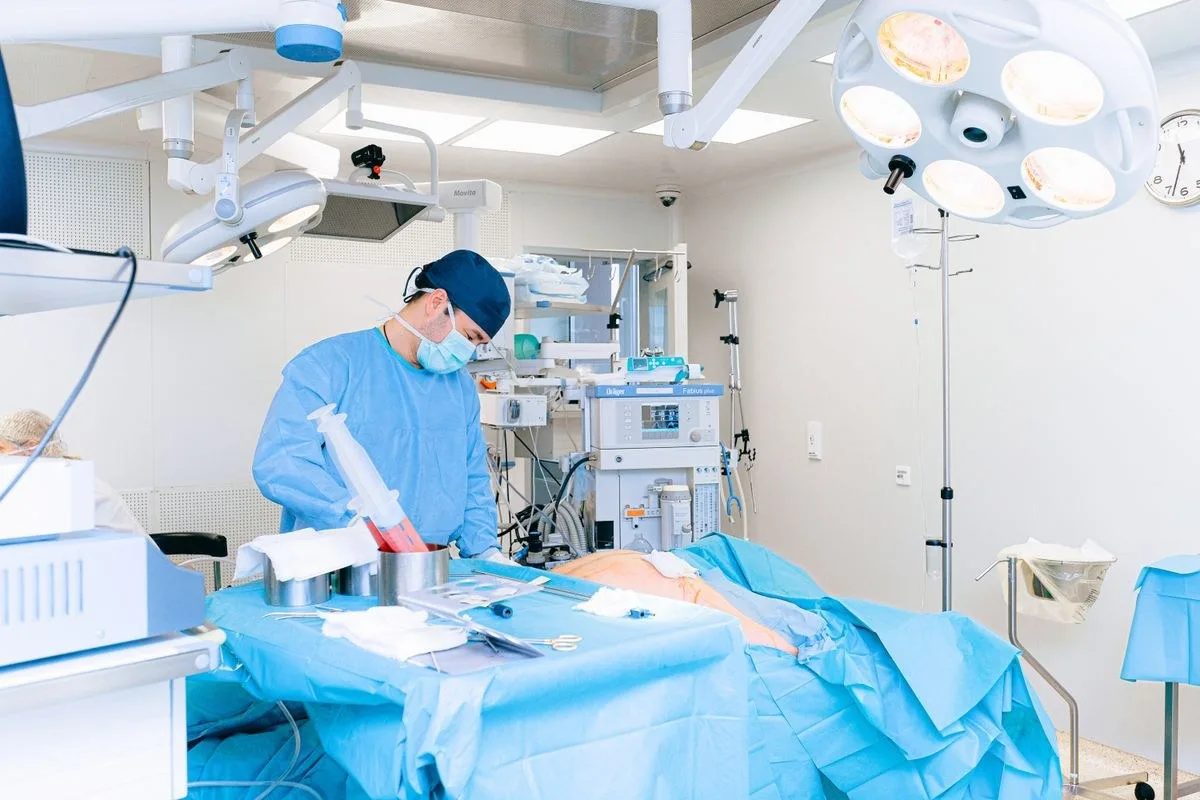
On the day of the procedure, the area is cleared and the patient is taken to the gynecological table. The amount of tissue to be taken is marked when the patient is awake and in a resting position; This step is decisive in maintaining symmetry.
Pain control is provided by local anesthetic application. Mild calming can be added in patients with high anxiety; general anesthesia may be preferred for extensive procedures.
The processing time varies by scope and is usually under an hour. At the end of the application, the area is checked, see if there is bleeding, and written care instructions are given.
Edge (Trim) Technique
In the edge technique, excess tissue is taken along the free edge of the lip and the incision line is stitched off. It is technically a more direct method and its application is common.
The advantage of this method is that the dark-colored and irregular-looking edge can also be taken together. This feature stands out in patients who are uncomfortable with color difference.
The downside is that the natural wavy edge of the lip disappears and the incision line lies along the lip, which may leave a more prominent mark on some patients.
The Wedge Technique
In the Kama technique, a piece of the shape V is removed from the widest part of the lip and the remaining two sides are joined. Thus, the natural edge and color of the lip are preserved.
This method is preferred in patients with whom natural appearance is a priority. The trace is less noticeable, as the incision line remains at a single point, not along the lip.
The technique requires more experience, and the risk of opening the sewing line is slightly higher than the edge technique. Which method to choose is determined by the texture structure and the patient's priority.
The way to take tissue: Along the free edge; One piece in V format
Natural edge: It disappears; Protected
Dark colored edge: It can be taken together; Stays in place
Kesi line: It extends along the lip; Limited at one point
Technical difficulty: Lower ; Higher
Risk of sutures: Lower ; Relatively higher
Recovery Process and Aftercare

In the first days, swelling, bruising and tenderness are expected in the area. The swelling usually takes its most prominent form on the second and third day, then gradually declines.
Sitting for the first week can be uncomfortable. Using a soft pillow and not staying in the same position for long periods of time provides comfort during this period.
Cold application reduces edema in the first days. The ice is not directly put into contact with the skin; It is placed between a clean cloth and applied at short intervals.
Keeping the area clean and dry is the basic condition of recovery. Washing is done with warm water, without scrubbing, and then the area is slightly set up with a soft towel.
It takes months for the swelling to be fully resolved and the result to sit down. Therefore, the final assessment is not done in the early period but in the control examination determined by the physician.
It is very common to look at the area and worry during the healing process. In the first weeks, the tissues are swollen, the stitches appear prominent and the color appears irregular; This image is not the final result. Knowing in advance what to expect prevents you from experiencing unnecessary anxiety during this period.
Apply cold in the first days, don't contact the ice directly
Wear loose cotton underwear and avoid tight clothing
Do not use tampons, prefer pads
Stay away from the pool, sea, tub and sauna
Delay cycling, running and heavy exercise for a few weeks
Do not engage in sexual intercourse until the time specified by your physician has expired.
Drink plenty of water and eat fiber to avoid constipation
Don't miss your check-in appointments
Labiaplasty Risks
Labiaplasty is a safe procedure when properly planned. Still, it is a surgical undertaking and prior knowledge of possible problems is a prerequisite for conscious decision making.
The most common conditions are temporary: swelling, bruising, tenderness and difficulty sitting in the first days. These findings do not require treatment and will recede within weeks.
Opening a section of the suture line is a visible problem, often self-healing; a second correction may be required for wide openings.
Asymmetry is also possible. Naturally there is already a difference between the two lips, and edema may not be solved evenly during recovery. A small correction can be made if the apparent asymmetry remains.
Temporary sensory change can also be reported in the post-healing region. This condition, which occurs in the form of numbness or increased sensitivity, returns to normal within months as small sensory fibers around the incision recover. Persistent sensory loss is not an expected outcome.
The most serious risk is excessive tissue removal. Over-reduction can lead to chronic pain, dryness and discomfort in the relationship; and it is very difficult to return. Therefore, the measured approach is always essential.
If there is fever, foul-smelling discharge, increasing pain or non-stop bleeding, the physician should be consulted without waiting. These symptoms are not part of normal healing.
Continuity of Results
The received tissue does not return; in this sense, the result is permanent. Relief in complaints becomes apparent as edema resolves, and in most patients the problem of friction disappears.
In contrast, tissue continues to change throughout life, with pregnancy, childbirth, marked weight change, and menopause leading to new changes in the area.
For this reason, timing is discussed in patients with birth plans. The procedure may be postponed until after birth; however, it is not mandatory to wait if the complaint seriously affects daily life.
It takes patience to assess the outcome. Appearance in the first weeks is not the final result; It takes months for the tissue to sit and the trail line to fade.
Conclusion
Samsun labiaplastyIt is an effective procedure in women with real complaints, such as friction, irritation and discomfort in the relationship. There are two basic techniques, edge and wedge, and selection is done according to texture structure.
In contrast, the variety of genital lips is normal and not every different appearance is an issue. If your complaint affects your daily life, it is useful to evaluate it; you do not need to consider surgery simply because you do not comply with a visual reference. You can contact our office for an appointment.

Original Turkish content prepared and reviewed by
Prof. Dr. Aşkı Ellibeş Kaya
Specialist in Obstetrics and Gynecology
Last updated: 25 August 2026
The content on this page is intended for informational purposes; the diagnosis and treatment decision is made only with your physician after the examination.
References
The following sources relate to the informational issues outlined by them. The personal diagnosis and treatment plan requires physician evaluation. Source texts are in English.
NHS
Labiaplasty (vulval surgery) (opens in new tab)Related subject: Definition of labiaplasty, pre-decision assessment and surgical risks.
The information on this page is for general informational purposes only and does not replace medical advice, diagnosis or treatment. Each patient's condition is different; the method and process to be applied is determined only by the physician after examination and evaluation.
Frequently asked questions
Pain is not felt during the procedure because the area is numbed by local anesthesia. Then there may be a few days of throbbing and sitting difficulty; These complaints are controlled by simple painkillers.
Related Services
Other topics under the title Genital Aesthetics.

Start with an appointment
Let us determine the day and approach that best suits you. Your consultations are conducted on a privacy basis.