

Samsun Gynecologic Examination
Samsun gynecological examination is the basic step of women's health follow-up. Annual check-up makes it possible to spot potential problems early and steer them correctly.
Samsun Gynecologic examination It is the basic step of women's health monitoring. Annual check-up makes it possible to spot potential problems early and steer them correctly.
Gynecologic examination can be performed not only when there is a complaint, but also for regular follow-up purposes. General assessment; It reveals a holistic picture of women's reproductive health through detailed story-taking, physical examination and additional examinations when necessary. This approach contributes to early detection of possible changes and timely direction when necessary; Thus, women's health can be monitored more safely in the long term.
The time to apply for an examination varies from person to person; The onset of sexual life, menstrual irregularity, the appearance of a specific complaint, or simply the desire for routine control can be triggering. Prof. Dr. Aşkı Ellibeş Kaya The process is planned together in consideration of the person's age, background and expectations, and each step is clearly described.

What Is Gynecologic Examination and Why Is It Important?
Gynecologic examination is a comprehensive control process in which female reproductive organs and overall reproductive health are assessed. It is recommended to have it done not only in the presence of a complaint, but also at regular intervals during healthy periods. In this respect, it is considered as a basic step in monitoring women's health, like other routine health checks, and is considered a natural part of overall health monitoring.
Through this examination, information is obtained about menstruation, hormonal balance and the general condition of the reproductive organs. The changes that are noticed in the early period provide the basis for further examination or follow-up planning when necessary, and make it easier to determine a personal road map with the physician. Thus, the chances of possible problems being noticed without growing up are increased.
The information obtained as a result of the gynecological examination is used to understand not only the current state but also the change in time. When comparisons can be made with previous examination records, the physician can evaluate the overall health chart in a more holistic manner and shape the follow-up plan accordingly.
This assessment also provides an environment in which one can ask questions, share their concerns, and this communication with the physician contributes to the progress of subsequent follow-ups in health and safety.
When should the first gynecological examination be performed?

The timing of the initial examination varies by person; There is no fixed age limit. It may be the reason for the onset of sexual life, menstrual disorder, a complaint such as pain, or simply a request for routine control. Each situation is evaluated separately in its own context, taking into account one's needs and questions.
Some people apply for questions about menstruation during adolescence, while others prefer to be examined for the first time in adulthood. The right timing is determined by your personal situation, lifestyle, and, if any, complaints with your physician; Instead of looking for a fixed rule that fits everyone, individual evaluation is based on.
The same care is taken for applicants for routine control purposes; Even if there is no convergence, the initial examination forms the point of reference for subsequent follow-up. Therefore, it may be useful to plan yourself at a convenient time rather than delaying the initial application.
People who have had questions about women's health in their family may want to know about this earlier, in which case it is possible to discuss with your physician and create a control plan that suits you.
Pre-examination Preparation and Considerations
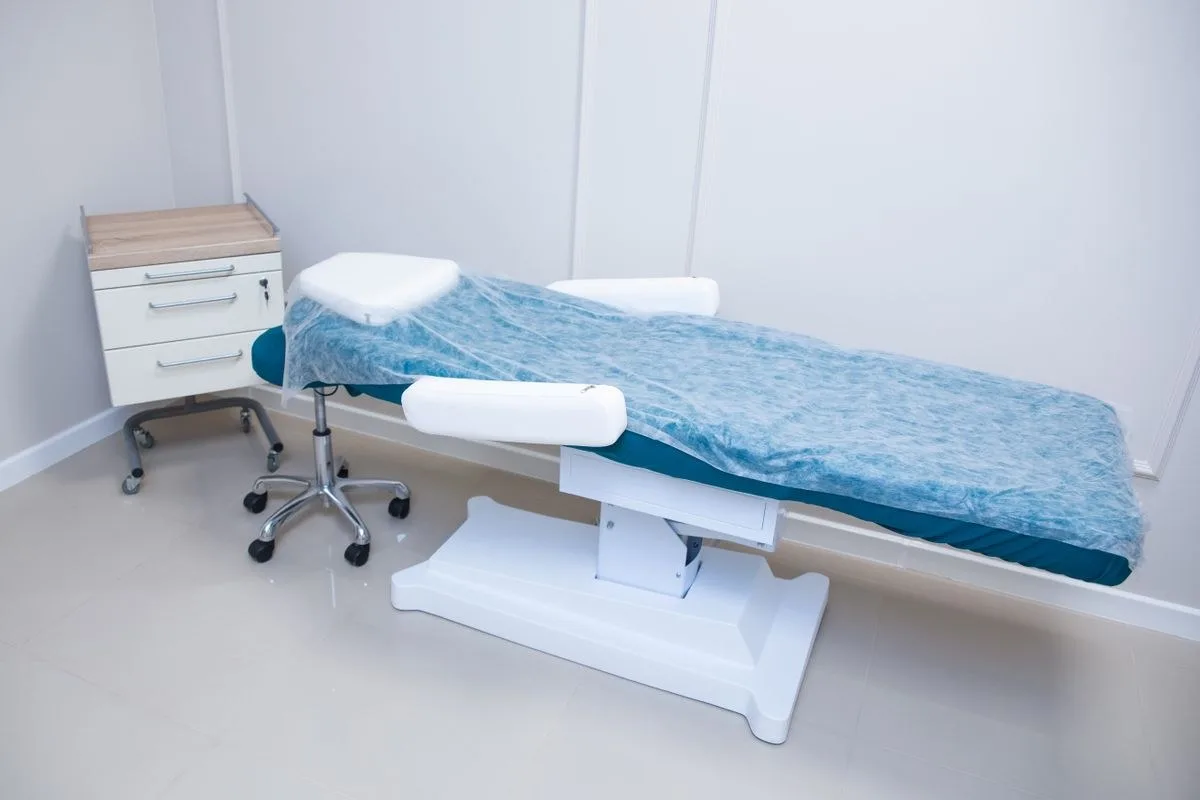
A few simple steps make the process more comfortable when preparing for a first examination. Choosing comfortable clothing, taking notes in advance on the questions that pop into your mind, and getting an examination when the bladder is empty is practical. These small preparations save both time and help you feel more comfortable during the examination. The following list summarizes the preparation process.
Prefer comfortable, easy-to-remove clothing
Write down the questions you have in mind on a sheet of paper beforehand
Not having a period is the reason for preference, but not necessarily
Have your previous results of tests, reports or ultrasounds with you if you have them.
It is recommended that you empty your bladder before the examination
The most important point in the preparation process is to apply when you find yourself suitable without forcing yourself. Sharing every detail that comes to your mind at the first meeting with your physician will make the process more understandable and comfortable for you.
Taking into account the transportation time before the appointment and arriving early allows you to calmly wait and comfortably complete the formalities. This simple planning contributes to the less stressful day of the examination.
What Happens Step by Step During an Examination?
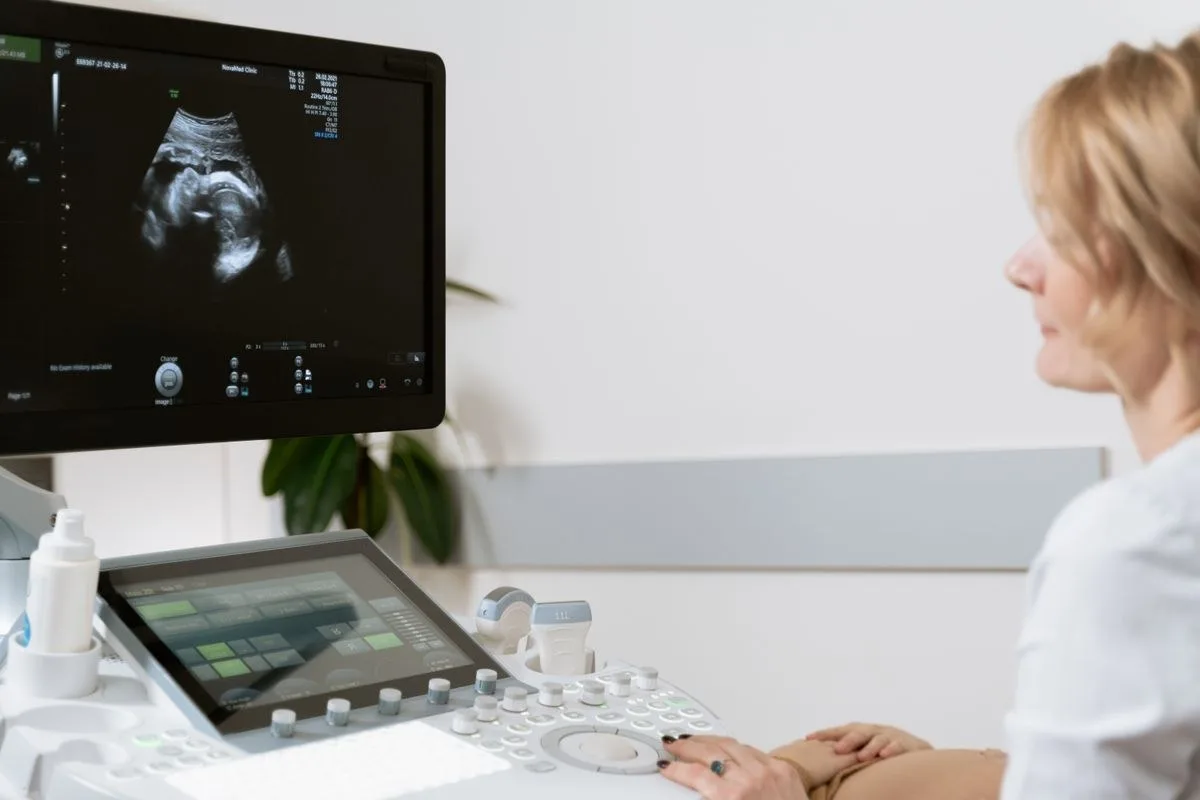
The gynecological examination consists of several stages, and each step proceeds with the patient's knowledge and approval. The process can be shaped according to the reason for the application and the situation of the person; The following titles summarize the overall flow and what can happen at each stage.
Detailed Story Receiving
The examination begins with questions about menstrual history, current complaints, if any, past illnesses and general health status. This information is a guide in determining how to plan the next steps, and clears the scope of the examination, preventing unnecessary examinations.
General Physical Examination
Following general assessments such as blood pressure, weight, the abdominal area is examined manually. This stage lays out the general health chart prior to more detailed assessment of reproductive organs and allows early detection of points to be considered.
Internal Gynecological Examination
Internal examination can be performed with the help of speculum in people with sexual life. This step is applied according to the patient's knowledge and approval; if discomfort is felt, the process can be stopped at will, and communication between the patient and the physician is kept open throughout the process.
Smear (Pap) Test
A smear test can be performed by taking a cell sample from the cervix when deemed necessary. This sampling is brief and may be part of the repeated screening process at regular intervals; the results are shared with the patient by the physician after evaluation.
Ultrasonography Assessment
An ultrasound may be required to display the uterus and ovaries as a complement to the examination. This assessment allows for a more detailed examination of findings that are not clearly understood in the manual examination and helps to determine the need for further examination if necessary.
All these stages are not mandatory at each examination; What steps will be applied are determined based on your application reason and the physician's assessment. It is your right to receive information and ask questions at all points in the process.
Each physician's order of practice and style of communication may vary slightly; The important thing is that the process is clearly explained to you and you can find answers to your questions.
All of these stages contribute to the holistic assessment of women's health and help the physician create the optimal follow-up plan for you.
Ways to Reduce Initial Examination Anxiety
It is quite common to have anxiety prior to the first gynecological examination, and this feeling should be normal. Knowing the process in advance, understanding what to expect and communicating openly with the physician greatly reduces this anxiety. Over time, the process becomes more familiar and subsequent controls usually pass more comfortably.
Feel free to ask your doctor about everything you're worried about.
You can indicate the moment you feel uncomfortable during the examination.
Pre-assess whether you want to come with someone you trust
Deep breathing can help reduce tension at the time of examination
The level of anxiety may vary from person to person; For some people, a few explanatory sentences are sufficient, while others may want more detailed information. Open communication with your physician plays a decisive role in meeting this need.
Another way to reduce anxiety is to briefly learn about the overall flow of the process before the appointment. Having knowledge significantly reduces the feeling of uncertainty and makes you feel prepared.
How often should a gynecological examination be performed?

The general recommendation is to go to routine check-up once a year, even if it is not a complaint. This regular follow-up makes it easier to compare changes in time about menstrual pattern and overall reproductive health, and strengthens the follow-up process by allowing the physician to get to know you better.
When a complaint arises, such as pain, abnormal bleeding, flow change, it is recommended to apply without an expected annual check-up. Early evaluation contributes to timely detection of possible problems and the timely removal of necessary steps.
This follow-up pattern makes it easier to recognize not only an existing problem, but changes that may occur in the future early on.The habit of regular control is a simple but effective step that contributes to the long term protection of women's health.
Control frequency; The person may be reevaluated by the physician based on factors such as his or her age, general health status and, if any, past findings. Therefore, the recommended frequency may not be the same for everyone.
Can Someone Who Has Never Had Sexual Intercourse Have a Gynecological Examination?
For persons without sexual life, the form of examination is adapted according to the situation. Alternative methods such as external examination rather than internal examination, rectal examination if necessary, may be preferred; the approach is determined in a non-compulsory manner, with respect to the person's condition.
In this case, ultrasound is also usually performed by a method made from the abdomen. During the process, a coercive application is avoided and patient comfort and consent are prioritized at every step; curious questions can be asked easily before the examination.
Concerns about this issue are often expressed; however, it is important to know that the form of examination can be tailored to the person, not to delay the application. Talking to your physician in advance about this topic will allow you to gain clear information about the process and feel more comfortable.
Instead of a fixed rule in this regard, it is essential that each application is handled in its context. The relationship of trust you have with your physician allows the process to be more comfortable for you.
Routine Control or Application in Proximity?

In the case of a complaint with routine control, the application has some differences in purpose and content. The following list summarizes the general characteristics of these two situations comparatively and makes it easier for you to see what should be considered in which case.
Purpose: While overall health monitoring is aimed at routine annual check-up, evaluation of a specific problem in the application is at the forefront in case of complaint.
Timing: Routine control is planned once a year, while in the event of a complaint, the application is made without expectation when the complaint begins.
Scope: When applying standard examination steps in routine control, additional evaluation is made for the complaint in case of a complaint.
Additional Study Need: While the need for additional examination in routine control is usually limited, it may increase according to the finding in the case of a complaint.
In both cases, the goal is to properly assess women's health and make appropriate direction when necessary. If you are not sure which category you fall into, you can easily share this with your physician during the appointment.
The information in the list provides a general framework; The original scope is shaped according to the physician's assessment during the examination. Therefore, simply stating your reason for applying prior to an appointment can help the process progress more efficiently.
Knowing these differences helps you understand what you can expect before your appointment and communicate your questions more clearly to your physician.
Where is Gynecologic Examination Performed in Samsun?
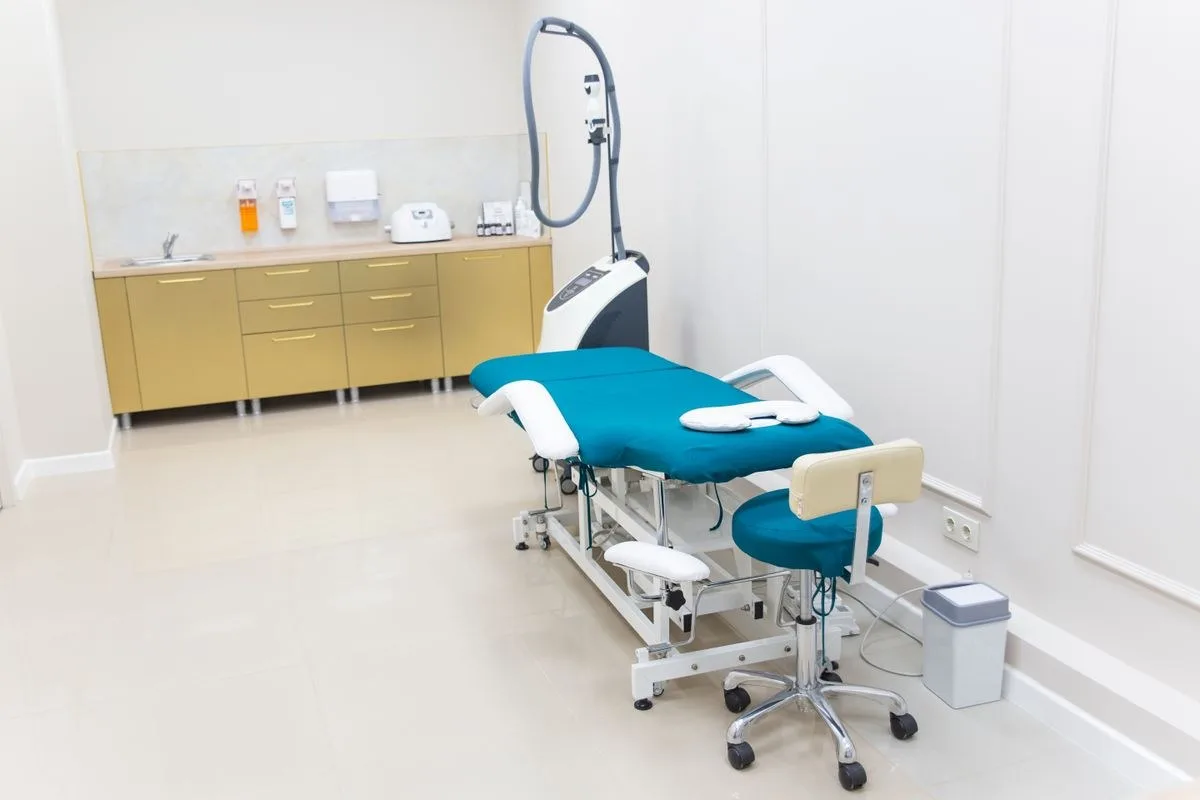
Appointments at the practice in Cumhuriyet Mahallesi, Atakum, Samsun are available from 09.00 to 19.00 on weekdays and from 10.00 to 16.00 at weekends. These opening hours make it easier for people with different work and school schedules to find a suitable time.
One Samsun Gynaecologist Regular follow-up planning with women provides continuity in terms of women's health. It is possible to contact before the appointment to get prior information about examination coverage, process and, if necessary, additional examinations.
It is possible to access current information about transportation to the office and appointment times via communication channels. The weekend appointment option for people with different hours of work also offers a practical alternative.
When planning an appointment, pre-set your weekday or weekend preference makes it easier to set the appropriate time for you. This flexibility offers a practical option for people with an intensive study program.
Information for Young Patients Prepared for Initial Examination
The greatest challenge for a young patient who has never gone to a gynecological examination is often the unknown itself; Not knowing what to face can lead him to imagine the process as something more difficult than it is. In consultations with young patients, however, time is first separated, explaining in plain language why the examination is requested and what steps are really necessary. This approach allows the young patient to feel as part of the process, not the object of a process, and makes it easier to take the first step.
The cause that leads to examination in young patients can often be a question about menstrual pattern, a curiosity about growth and development, or a routine check-up recommended by the family. In this age group, the consultations is usually held longer; General information about the body is given, questions are answered with patience and the patient is known to express them in their own words. Whether he wants to come alone or has a relative next to him is left entirely to his choice; This preference can be easily expressed at the beginning of the consultations.
Knowing that a young patient has a say in the process is the basis for a sense of trust. It is always possible to indicate this when there is hesitation at any step, to call a break or to ask for an additional explanation. Over time, this first experience paves the way for future checks to be made to be more familiar and less exhausting; Thus, the pursuit of women's health becomes sustainable in the long term on this safe foundation established at a young age.
Conclusion
Samsun Gynecologic examination Having the right knowledge about it is an important step in women's health monitoring. Regular control habit sets the stage for early detection of possible changes and correct direction when necessary; This contributes to the long-term protection of women's health.
It is natural to experience initial examination anxiety; Knowing the process in advance and communicating openly with the physician reduces this anxiety. Whether or not it is symptoms, regular follow-up plays an important role in maintaining women's reproductive health and helps one to better know one's own body.

Original Turkish content prepared and reviewed by
Prof. Dr. Aşkı Ellibeş Kaya
Specialist in Obstetrics and Gynecology
Last updated: 9 September 2026
The content on this page is intended for informational purposes; the diagnosis and treatment decision is made only with your physician after the examination.
References
The following sources relate to the informational issues outlined by them. The personal diagnosis and treatment plan requires physician evaluation. Source texts are in English.
NHS
What Happens at Your Cervical Screening Appointment (opens in new tab)Related subject: Speculum use in examination, sampling of the cervix and communication during the procedure.
Frequently asked questions
The duration depends on the scope of the examination and additional assessments to be made. A standard check is usually completed in a short time, which may take a while to complete when additional examinations such as ultrasound or smear are needed.
Related Services
Other topics under the topic of gynecology.
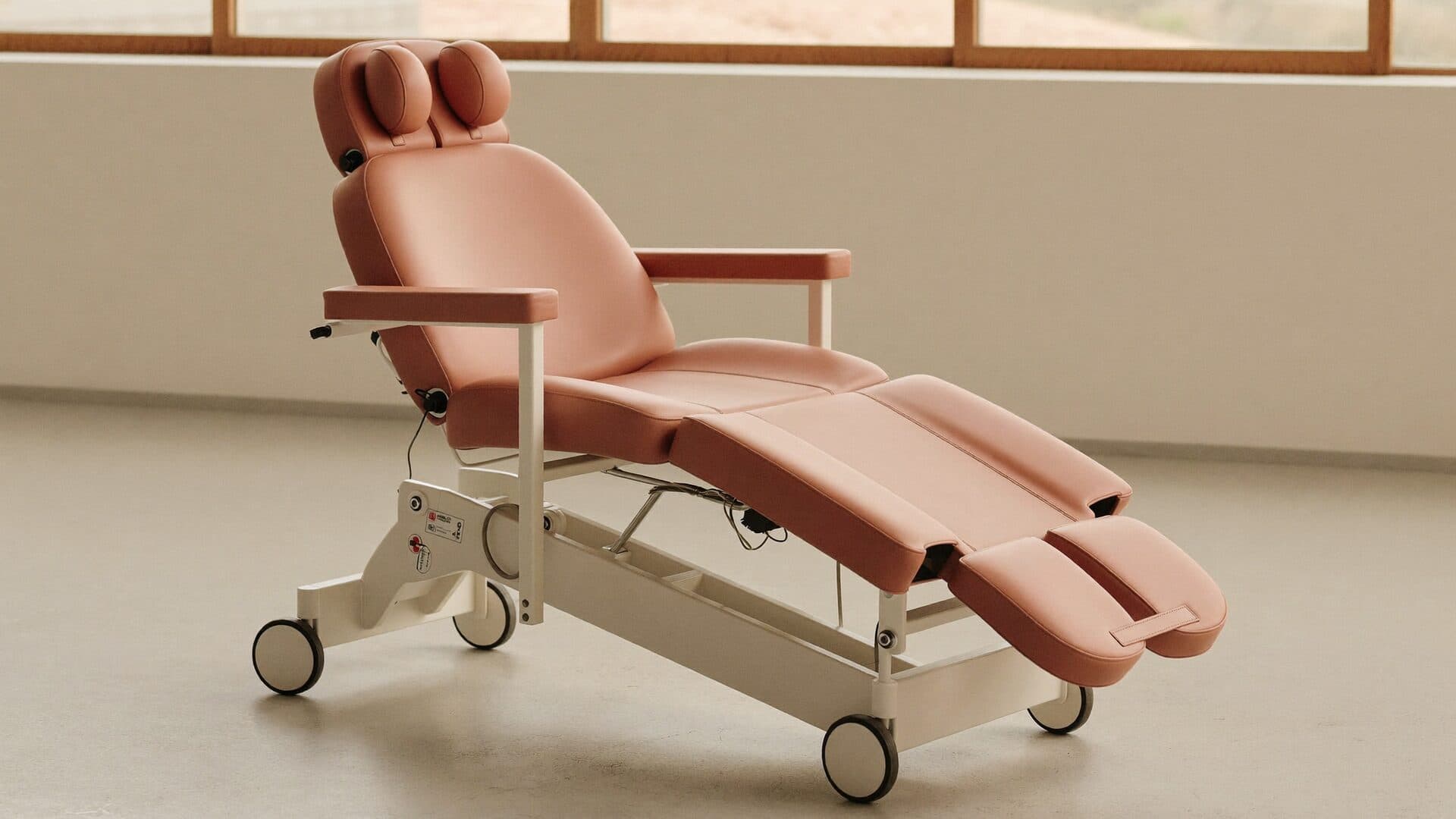

Start with an appointment
Let us determine the day and approach that best suits you. Your consultations are conducted on a privacy basis.