
Samsun Uterine Fibroids
Myomas are benign formations that develop from the muscle layer of the uterus. Most require only follow-up; When treatment is needed, the options are planned according to the person.
Samsun myoma surgeryIt allows the benign myomas formed in the uterine wall to be removed by preserving fertility. The technique to be applied is determined by the placement of the myoma.
Myoma is a benign formation that occurs quite frequently in women of reproductive age, resulting from uterine muscle tissue. According to some sources, myoma can be found at some point in their lives for a significant part of women.
Most myomas are small in size and can remain undetected for a long time without causing any symptoms. However, as some myomas grow, they can cause significant discomfort in menstrual pattern, pelvic area, and everyday comfort of life; In this case, detailed assessment and treatment planning are brought to the agenda.
The myoectomy decision is made by evaluating the number, size, position in the uterine wall and the patient's fertility request together.
Prof. Dr. Aşkı Ellibeş Kaya This evaluation is done by examining the patient's medical history, examination findings and imaging results together, and by discussing with the patient in detail. In this consultations, the patient's expectations and possible treatment options are clearly discussed.
What Is Myoma?
Myoma is a growth that develops from the flat muscle tissue that forms the uterine wall, which has no association with cancer. It can be located near the inner surface of the uterus, within the muscle layer, or towards the outer surface; This settlement directly affects both the symptoms and the treatment approach.
As a woman can have one myoma, multiple myomas of different sizes can be seen together and over time their size can change. The rate of growth of myomas may vary from person to person; some myomas remain the same size for a long time while others can grow markedly over time.
Although no precise and single cause has been determined in myoma formation, female hormones such as estrogen and progesterone are known to be effective in myoma growth. Having a history of myomas in the family is considered to be among the factors that may increase the likelihood of developing myomas.
Factors such as age, body weight and number of births are also thought to be associated with myoma frequency. With decreased hormone levels following menopause, myomas are often observed to shrink; This indicates the importance of the hormonal effect.
What Are Myoma Symptoms?

Most myomas do not cause any complaints and are noticed coincidentally in routine gynecological examination or imaging.
As the size grows or the settlement approaches the inner surface of the uterus, symptoms that affect everyday life may appear.
The severity of the symptoms varies from person to person, according to the number and characteristics of myomun; in some patients more than one symptom can be seen at the same time. Symptoms may increase or change over time, so regular follow-up is recommended.
Severe and prolonged menstrual bleeding
Spotting between menstrual periods
Feeling of pressure and fullness in the pelvic region
The need to urinate frequently
A sense of change in bowel habits and constipation
A sense of weight in the waist and abdomen
In some cases, infertility or association with recurrent miscarriage
When Should You Apply to a Doctor?
Complaints such as severe menstrual bleeding, spotting between menstrual periods, constant feeling of pressure in the pelvic area, or unexplained abdominal swelling are sufficient reasons to refer to a gynecologist.
Patients who plan pregnancy and live a recurring low are also recommended to be evaluated in terms of myoma.
What is Myomectomy (Myoma Surgery)?
Myomectomy is the surgical removal of myomas only by maintaining the uterus. Unlike hysterectomy, where the uterus is completely removed, the goal in myomectomy is to maintain uterine tissue and fertility potential.
Therefore, it is a surgical method that is considered as a priority especially in patients who plan pregnancy in the future or want to maintain their uterus. The scope of the surgery may vary depending on the number and placement of myomun; In some patients, a single myoma and in others, more than one myoma can be taken in the same session.
How to Make a Myoma Diagnosis?
The first step in diagnosing myoma is a detailed gynecological examination and transvaginal ultrasonography. This imaging method largely reveals the number, size, and position of the myoma in the uterine wall. In some cases, transabdominal ultrasonography can also be used as a complement.
Magnetic resonance imaging may be desired when the relationship of the myoma to the uterine cavity is not clarified, or when more detailed information is needed for surgical planning.
This examination contributes to the determination of surgical technique, especially in patients with large or large myomas. Additional examinations may also be requested when deemed necessary; these examinations contribute to the safe planning of surgery.
Myomectomy Techniques
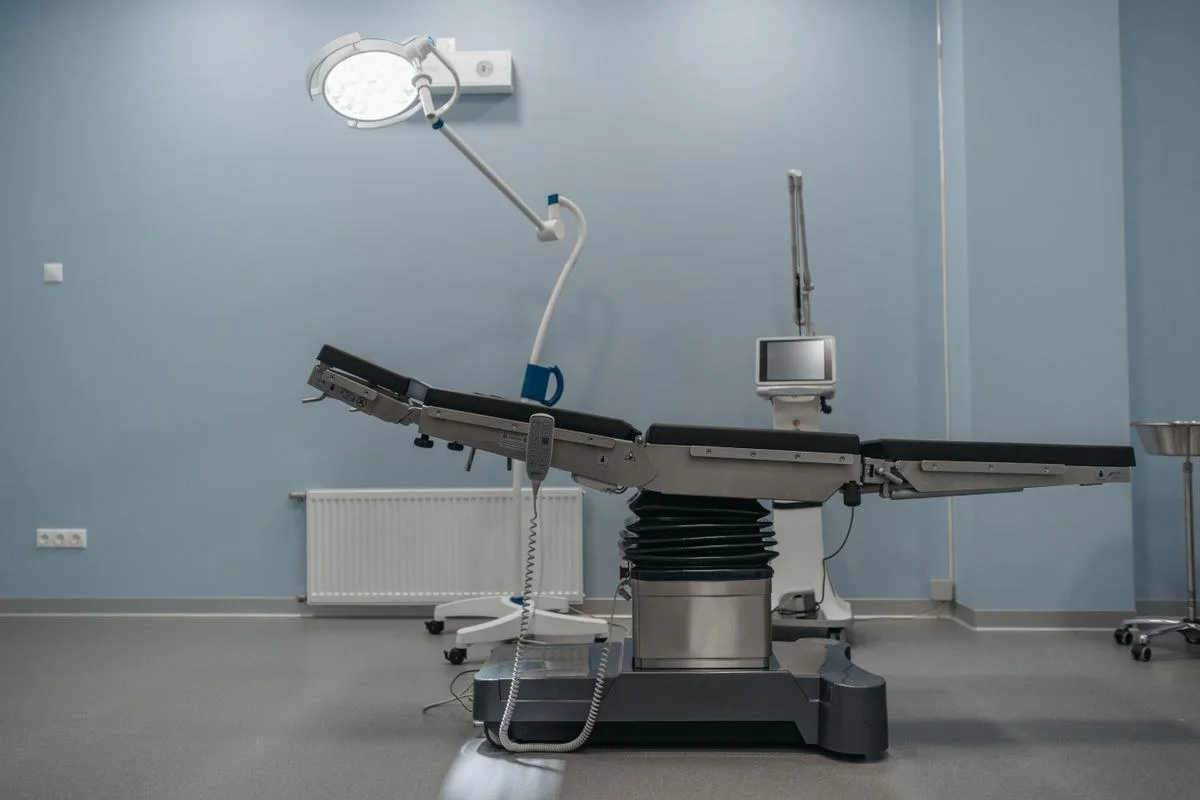
Three basic surgical approaches are used in myomectomy; The choice is made based on the placement of the myoma in the uterine wall, its size and number.
All three methods have their own advantages, limits and points of caution; Which method to apply is evaluated in detail with the patient. The following table compares the main characteristics of the three techniques.
Hysteroscopic Myomectomy
In myomas that grow into the uterus, the myoma is taken through the womb with the help of a thin camera (hysteroscope) entered through the cervix.
Since it does not require any incisions in the abdomen, the recovery process is usually shorter and the hospital stay is short. The method is particularly suitable for myomas that overflow into the uterine cavity and are easily accessible in intrauterine examination, and can often be planned as a day-to-day procedure.
Laparoscopic Myomectomy
In myomas near the cervix's outer surface or within the muscle layer, myomas are removed by placing cameras and surgical instruments through several small incisions opening into the abdomen.
Compared to open surgery, smaller incisions offer less tissue trauma and usually shorter hospitalization time. The length of surgery and number of incisions may also vary depending on the size and number of myomas.
Open (Abdominal) Myomectomy
Open surgery can be performed with a large incision to the abdominal wall when the number of myomas is high, the dimensions are large, or the myomas are located at difficult reaches on the uterine wall.
Recovery time may take longer than other methods, and hospital stay may increase accordingly. This method is considered to be a preferred option in cases where there are many complex and numerous myomas.
Feature: Hysteroscopic Myomectomy; Laparoscopic Myomectomy ; Open Myomectomy
Miyom settlement: Myoma that overflows into the womb; The outer surface of the uterus / muscle layer; Large or large myomas
Kesi: No abdominal incisions; A few small incisions; Wide single incision
Recovery time: Short ; Short - medium ; Longer
Hospital stay: Usually on the same day; Short ; Longer
Which Technique Is Appropriate for Whom?

The technical selection depends largely on the position, size and number of myomas in the uterine wall. Samsun Gynaecologist In the evaluation, ultrasonography findings, the distance of the myoma to the uterine cavity and the overall health status of the patient are discussed together to determine the most appropriate surgical approach.
This assessment plays a decisive role in the planning of surgery and predicting possible risks.
In patients who wish to maintain fertility, as few invasive methods as possible are considered priority. However, the number, size, or placement of myoma may in some cases require open surgery; This decision is made in detail with the patient. The patient's previous surgical history may also play a role in evaluation.
Myomectomy is usually evaluated in patients with myoma that gives symptoms and who want to be treated by maintaining the uterus. Surgery may be brought up in patients with menstrual irregularities, a feeling of pelvic pressure, or fertility problems that may be due to myoma.
Along with the findings of assessment, examination and imaging, the patient is also made with the general health condition in mind.
Surgery is not always the first option in small and non-symptom patients with myoma; In this case, regular monitoring is preferable. When deciding on surgery, the patient's age, general health status, myomic characteristics and future pregnancy plans are reviewed together.
Preoperative Assessment

A detailed gynecological examination, imaging examinations and necessary blood tests are performed before the operation. The patient's general health status, previous surgeries he has undergone, chronic diseases and the medications he or she is using are also reviewed in this process.
Information such as smoking and supplements used should also be shared with the physician. The method of anesthesia is determined with the anesthesia team according to the selected surgical technique and the scope of the surgery.
The duration of the surgery varies depending on the technique applied, the number and size of myoma; hysteroscopic methods usually take shorter, while large or large myomas may take longer in open surgery.
The anesthesia team assesses the patient's overall health and, if any, their additional illness to determine the most appropriate method of anesthesia. This assessment is important for surgical safety.
Anesthesia Methods
In general anesthesia, the patient is kept in deep sleep throughout the operation and does not feel any pain; It is often the preferred method in laparoscopic and open myomectomy. In regional anesthesia, the lower waist is drugged, the patient may remain conscious; In some hysteroscopic procedures, this method may be preferred.
Which anesthesia method to apply is determined by the anesthesiologist based on the scope, duration and general health status of the patient.In the pre-operative consultations, the patient's questions are answered and the anesthesia process is detailed.
Postoperative Recovery Process

Recovery time varies depending on the technique applied. In hysteroscopic and laparoscopic myomectomy, the return to daily activities is usually possible in a shorter period of time, while in open surgery, the recovery process may take longer.
Mild pain, swelling and small amounts of bleeding may be seen in the first days; These findings are closely followed by physician control. The return time to work or daily routine also varies according to the technique applied.
The amount of time that should be avoided from heavy physical activity, heavy lifting and sexual intercourse is determined by the physician personally.
Check-ups are important to assess whether the recovery is progressing as expected and to spot possible problems early. If needed, pain medication is regulated by the physician's recommendation.
What to Consider After Surgery
Compliance with the rest period recommended by the physician
Avoiding heavy lifting and strenuous physical activity
Regular monitoring of inspections without disruption
Referencing to a physician for fever, foul-smelling discharge, or increasing pain
Starting sexual intercourse at the end of the period specified by the physician
Keeping the operating area clean and dry
The recommended use of prescribed drugs
Pregnancy and Birth After Myomectomy
The incision to the uterine wall can affect the endurance of the uterine wall in subsequent pregnancies.
Therefore, it is recommended that in patients who are pregnant after myomectomy, the birth form be evaluated in detail with the physician, taking into account the depth, number and placement of the surety, whether it will be a normal birth or a caesarean section.
Patients who plan pregnancy are also told how long to wait after surgery; This time may vary depending on the size, number and recovery of the exact. In early pregnancy, the uterine wall may not be strong enough, so pregnancy monitoring is of particular importance in these patients.
Myomectomy can positively affect the likelihood of conception in some patients with myoma-related fertility problems; However, this result may vary from person to person depending on the number, size and placement of the myomun.
The points to be considered in the post-operative pregnancy follow-up are also described by the physician.
Risks and Complications
As with every surgical procedure, there are some risks involved in myomectomy. Bleeding during or after surgery, the risk of infection, and rarely injury to surrounding organs.
In rare cases, additional intervention may be required for bleeding control. These risks are discussed in detail with the patient prior to surgery and the patient's questions are answered.
Myoma may re-develop after surgery; So over time, new myomas can form in the uterus. This possibility of recurrence is a subject that must be described before surgery, especially in young and many myomas.
Recurring myomas are similarly assessed, with treatment planned and surgical options may be raised again if necessary.
Alternative Treatment Options

Depending on myoma size and the severity of the symptoms, interventional radiology methods such as approaches to shrink myoma with medication or embolization may also be raised outside surgery.
These options may provide temporary relief in some patients and may also be preferred during the surgical preparation phase. Which approach is appropriate is determined by taking into account the characteristics of the myoma and the patient's overall health. However, in patients who wish to maintain fertility, myomectomy is prominent as a surgical option that maintains the potential for uterus and fertility.
Conclusion
Samsun myoma surgery The decision is planned in a personal way, taking into account the placement, size, number of myomas and the patient's fertility request. Each of the hysteroscopic, laparoscopic and open surgical methods may be suitable for different clinical conditions, and the choice is evaluated with the patient, accompanied by detailed examination and imaging findings.
Detailed evaluation before surgery and regular follow-up after surgery are important for both healthy progress of the recovery process and early detection of possible risks. You can contact the office for your questions and appointment requests.

Original Turkish content prepared and reviewed by
Prof. Dr. Aşkı Ellibeş Kaya
Specialist in Obstetrics and Gynecology
Last updated: 9 September 2026
The content on this page is intended for informational purposes; the diagnosis and treatment decision is made only with your physician after the examination.
References
The following sources relate to the informational issues outlined by them. The personal diagnosis and treatment plan requires physician evaluation. Source texts are in English.
NHS
Fibroids (opens in new tab)Related subject: Definition of myomas, symptoms, ultrasound evaluation and treatment options.
The information on this page is for general informational purposes only and does not replace medical advice, diagnosis or treatment. Each patient's condition is different; the method and process to be applied is determined only by the physician after examination and evaluation.
Frequently asked questions
In myomectomy, only myoma is removed and the uterus is protected; In hysterectomy, the entire uterus is removed. Myomectomy is preferred in patients who want to maintain fertility, but the choice is evaluated with the physician based on the characteristics of the myoma, the age and expectation of the patient.
Related Services
Other topics under the topic of gynecology.

Start with an appointment
Let us determine the day and approach that best suits you. Your consultations are conducted on a privacy basis.