
Samsun Chocolate Cyst (Endometriosis) Treatment
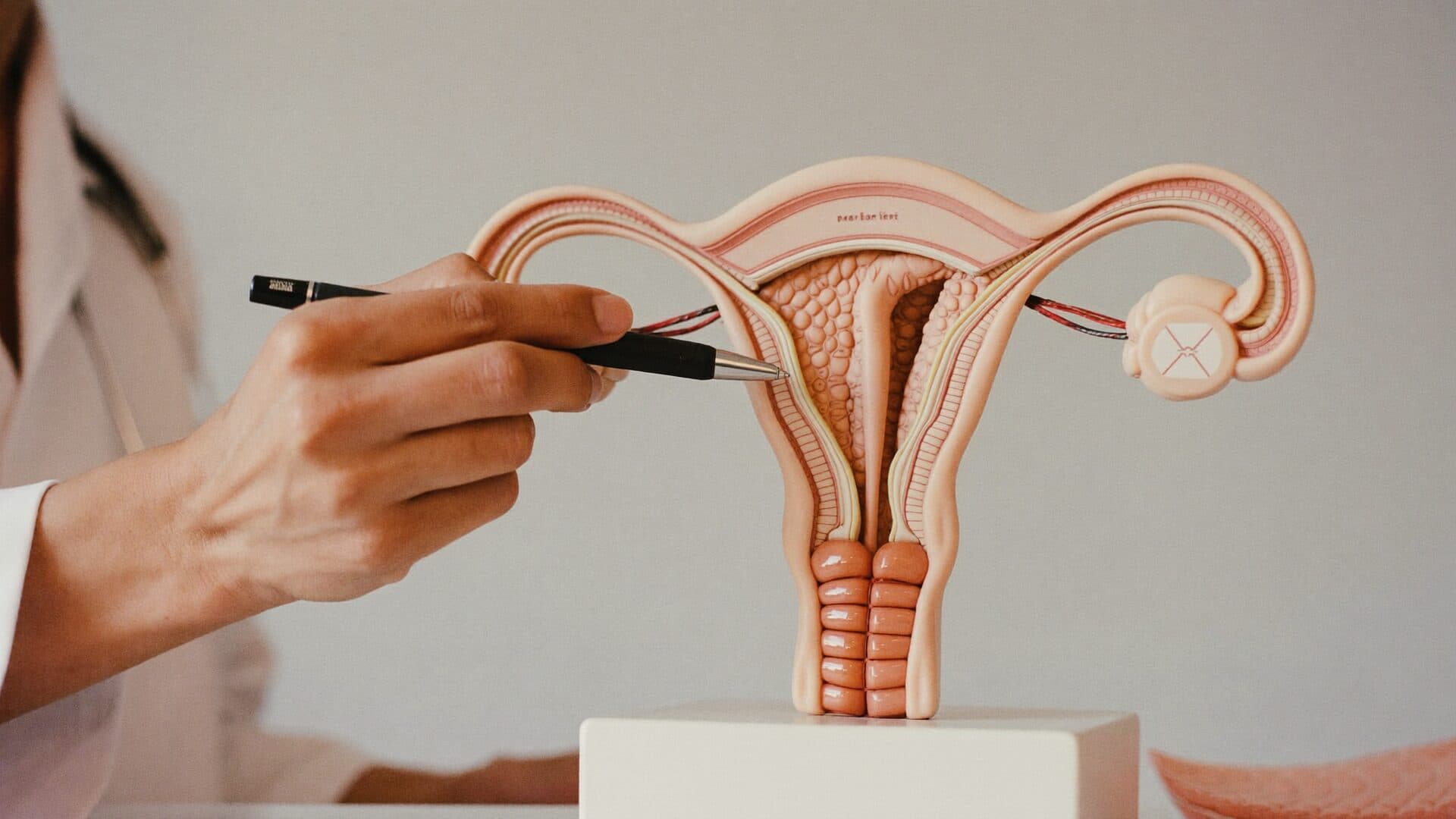
Endometriosis is the placement of tissue outside the uterus, similar to the inner layer of the uterus, which can have an effect on pain and fertility.
Samsun chocolate cyst treatment In the process, pain control, hormonal regulation, and, if necessary, surgical steps are evaluated together according to the patient's condition.
Endometriosis outside the uterus of tissue-like cells that lay the inner surface of the uterus; It is a chronic condition that most often occurs in the ovaries and on the peritoneum, more rarely when it settles around the intestine or bladder. When this tissue forms a cyst in the ovary, it is called a chocolate cyst among the public due to the dark and intense appearance of the old blood inside.
In this content, how the chocolate cyst due to endometriosis is formed, what symptoms it manifests itself with, diagnostic steps, treatment options and post-operative process are discussed in detail. Prof. Dr. Aşkı Ellibeş Kaya KayA This guide, prepared by, aims to help patients follow the process in a more conscious way.
What is Chocolate Cyst (Endometriosis)?

Endometriosis is a chronic gynecologic condition common in the female reproductive system. Normally only the tissue that must be found on the inner surface of the uterus is located in areas outside the uterus for various reasons and continues to respond similarly to hormonal stimuli accompanying the menstrual cycle, in the new position it is located.
When this tissue settles on the ovarian surface, it can eventually form a cyst filled with old blood along with the menstrual cycle. This structure, called chocolate cyst (endometrioma) due to its color and texture, can be seen in one ovary or both ovaries, and its size may vary over time.
The severity of the disease is not always directly related to the number of cysts, size and settlement. A small-looking cyst can cause intense pain, while a larger-sized cyst may give less symptoms in some patients. Therefore, evaluation is always done in a personalized form.
Why Does Chocolate Cyst Form?
The exact cause of the formation of chocolate cyst is not fully illuminated in the medical literature. Various factors such as menstrual blood escaping back into the abdominal cavity through tubes, the immune system being unable to clear this tissue, and familial predisposition are thought to play a role together; However, the process can operate differently from person to person.
The early onset of the menstrual cycle, the lack of birth and the presence of a history of endometriosis in close relatives are among the factors that may increase the risk. However, the presence of one or more of these factors does not mean that the disease will develop definitively in the person; Each patient is evaluated separately.
Observations show that endometriosis is a multi-faceted process that cannot be linked to a particular cause, where hormonal and immune-related factors play a role together. Therefore, even in people with risk factors, the course and severity of the disease can be quite different.
Having begun to have menstruation at an early age
Short menstrual cycles, long bleeding time
Finding the history of endometriosis in the family
Never having given birth before
Finding congenital anomalies that affect uterine structure
Chocolate Cyst Symptoms

While chocolate cysts may be able to watch quietly for a long time without symptoms in some women, in most cases complaints associated with the menstrual cycle are prominent over time. The severity of symptoms; The size of the cyst may vary from person to person, depending on the location and overall health status of the patient.
Increased and worsening menstrual pain over time
Pain felt during sexual intercourse
Chronic pelvic pain that also lasts outside the menstrual period
Feeling discomfort when bowel movements or urinating
Long-standing pregnancy difficulty
Significant fatigue and fatigue during menstruation
Recurrence and over time exacerbation of the intimidations along with the menstrual cycle is a remarkable finding in terms of endometriosis. The fact that the pain begins to affect daily life, working order or sleep quality indicates that gynecologic evaluation should not be delayed.
Endometriosis Stages
Endometriosis is assessed by a classification ranging from mild to advanced according to findings during laparoscopy, which is determined by taking into account the number of focals, depth, level of adhesion and degree of involvement of the ovaries.
The stage shows only the anatomical prevalence of the disease; it may not always be directly proportional to the severity of the pain or the risk of infertility.In the advanced stage, a patient with low incidence may be found, as well as patients with intense complaints in the early stage.
Therefore, the treatment decision is formed not only by stage but by a holistic approach, along with factors such as the age of the patient, severity of their complaints, and desire for pregnancy.
The Difference Between Chocolate Cyst and Adenomyosis
Chocolate cyst and adenomyosis are two different gynecological conditions that are often confused in everyday speech. In chocolate cyst, endometrium-like tissue is placed outside the uterus, usually on the surface of the ovary; In adenomyosis, the same tissue migrates into the uterus's own muscle wall, settling there.
Although the symptoms of the two conditions are similar due to this structural difference, the evaluation method and treatment approach are planned separately. Detailed information about adenomyosis is discussed extensively in a separate article on our site to avoid confusion of issues.
Imaging methods, especially ultrasound, may be incapable of clearly distinguishing between two conditions in some cases, so clinical evaluation of the physician and additional examinations to be performed when necessary, continue to play a decisive role in establishing the correct diagnosis.
Chocolate Cyst Diagnostic Methods

The diagnostic process begins with a detailed gynacological history and a physical examination. Information such as menstrual pattern, the nature, duration and severity of pain, as well as pregnancy request, will be a guide to the physician in planning subsequent steps and additional examinations if necessary.
Ultrasound examination is an easily accessible imaging method that is frequently used to evaluate the presence, size and internal structure of cyst in the ovary. Imaging findings may be consistent with endometrioma; However, these findings are not considered sufficient to make a definitive diagnosis on their own.
The definitive diagnosis is made by pathological examination of the tissue sample taken during laparoscopic surgery. Therefore, in cases suspected by ultrasound, advanced evaluation and surgical planning process may be brought up according to the patient's condition.
Chocolate Cyst Treatment Methods
The treatment approach is planned in a step-by-step manner according to many factors such as the age of the patient, severity of their complaints, size of the cyst, and desire for pregnancy. The goal is to control pain, improve quality of life and protect ovarian tissue as much as possible.
When choosing treatment, the patient's response to previous treatments, additional health problems and plans for a near future pregnancy are also considered. Therefore, even in two patients with the same findings, the path may vary.
Drug and Hormonal Treatment
In mild and moderate-intensity complaints, pain medication and hormonal treatments that suppress the menstrual cycle are preferred.This approach reduces hormonal stimulation of the tissue of endometriosis, contributing to a reduction of the symptoms and more comfortable maintenance of daily life.
Hormonal treatment is not a permanent solution; When treatment is discontinued, symptoms may reappear over time. Therefore, medication is often considered as part of a long-term management plan, along with regular physician control.
Laparoscopic Surgery Treatment
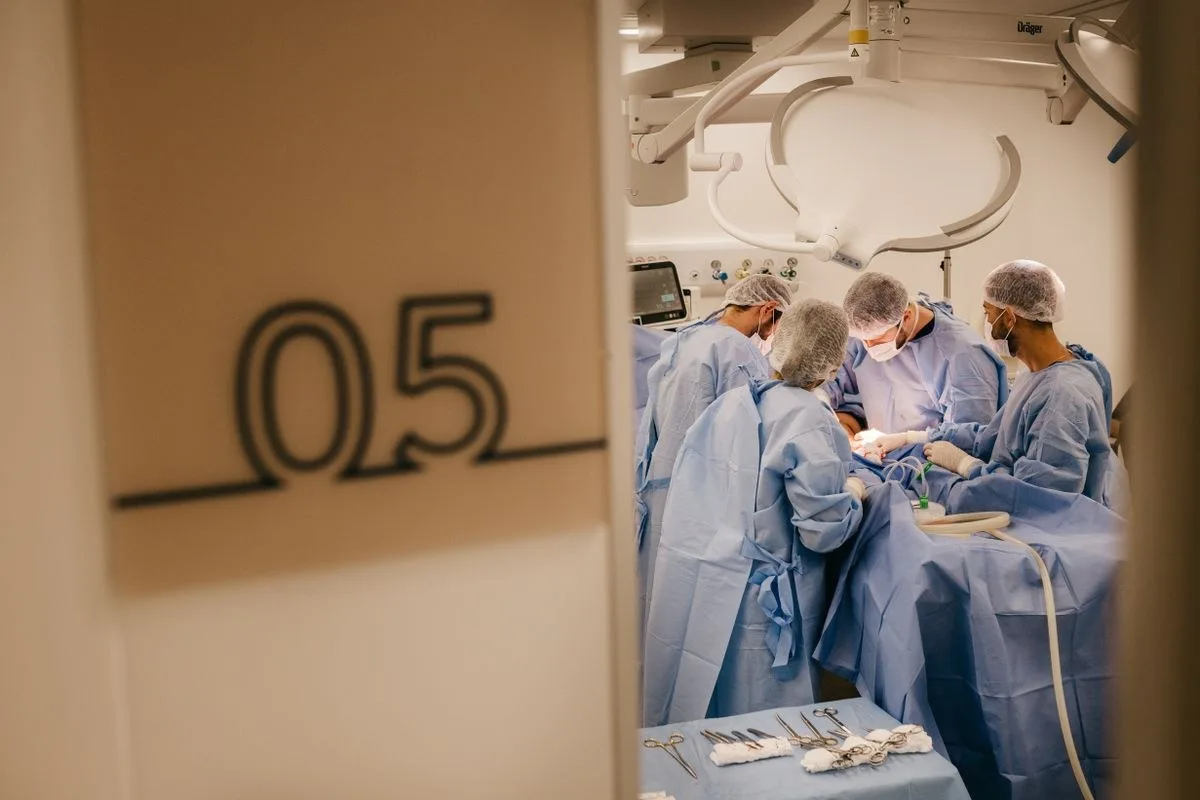
In advanced-sized cysts, laparoscopic surgery is brought up in cases where there is insufficient response to medication or in the presence of a desire to conceive. In this surgery, the cyst is carefully removed by protecting the surrounding healthy ovarian tissue as much as possible.
During surgery, the tissue fragment taken is sent to pathological examination and the diagnosis is finalized. The postoperative recovery process and whether additional treatment is required is evaluated separately based on the patient's age and the condition of the findings.
Treatment Approach: When is preferred; Purpose
Painkiller treatment: Mild menstrual pain; To alleviate daily complaints
Hormonal treatment: In moderate-intensity symptoms, pre-operative/afteroperative; Reducing hormonal stimulation of the touch
Laparoscopic surgery: In cases of advanced-dimensional cyst or drug non-responsive; Removing cyst, preserving ovarian tissue
Reproductive treatments: When accompanied by infertility; Supporting the chances of pregnancy
The Recovery Process After Chocolate Cyst Surgery

The recovery process after laparoscopic surgery is usually shorter than open surgery; Most patients may gradually return to their daily activities within a few days. Regular participation in the controls recommended by the physician in the post-operative period is important for the healthy progress of the process.
In the recovery process, pain level, wound site care and activity restrictions can vary from patient to patient. When an unusual symptom, fever, or unexpected pain increase is noticed, it is recommended to contact the physician without wasting time.
The course of recovery is assessed at the first check-up after surgery and it is determined when hormonal treatment will begin if any. If the patient has a pregnancy request, the path to follow during this period is also planned with the physician.
The Relationship Between Infertility and Endometriomas
Endometriosis is one of the reasons that can make it difficult to conceive.The chocolate cyst can affect ovarian tissue and egg reserve, as well as causing intra-abdominal adhesions, disrupting the function of tubes and the access of the egg to the tubes.
In patients with gestational desire, the treatment plan is meticulously done considering the size of the cyst and ovarian reserve.In some cases, post-surgical pregnancy is possible, while in some patients, assisted reproductive treatments may be brought up.
In this process, many factors such as the age of the patient, the size of the cyst before and after surgery, and the condition of the opposite ovary are evaluated together.The treatment decision is shaped with the patient, in person, as a result of this holistic assessment.
Recurrence Risk and Long Term Follow-up
Endometriosis is a chronic progressive disease, and even if the cyst is removed with surgery, the risk of tissue re-occurring does not disappear completely. Therefore, regular control after treatment remains an important part of the process that should not be neglected.
The follow-up frequency and duration are determined by the physician based on the patient's age, treatment style, and course of complaints. In the case of relapse, the treatment approach is re-planned and carefully planned, taking into account the consequences of the previous process as well.
In long-term follow-up, the goal is not only to monitor whether the cyst re-occurs, but also to monitor the patient's overall quality of life and pregnancy plans if they exist. This approach offers a sustainable form of management that is consistent with the chronic nature of endometriosis.
What to Consider in Daily Life

Although diagnosing endometriosis does not completely change everyday life, some regulations may contribute to the management of the complaints and the process being more comfortable. Regular physician control remains one of the most important parts of this process.
Noteing the course of complaints, following changes in the menstrual cycle, and sharing the increase in symptoms with the physician in time helps to update the treatment plan more accurately when necessary.
Regularly note the severity and frequency of complaints
Keeping a menstrual cycle and pain journal
Tracking recommended control appointments without delay
Sharing new or increasing symptoms with the physician without wasting time
Assessing general health at regular intervals
Spiritual Support While Living with Chronic Pain
Prolonged pain and uncertainty can lead to emotional reflections such as fatigue, anxiety or low morale in many women living with endometriosis. These reflections are another dimension that should be taken into account as much as the physical aspect of the disease.
Open communication with the immediate environment and the physician, getting psychological support when necessary, can contribute to managing the process in a more balanced way. The patient's overall well-being is also taken into consideration when creating a treatment plan.
When Should a Doctor be Applyed?

Increasing menstrual pain, complaints such as pain during intercourse or pelvic pain that lasts outside the menstrual period, are findings that require gynecologic evaluation. Long-term normal reception of these complaints can lead to a delay in diagnosis and prolonged treatment process.
When symptoms are noticed a Samsun Gynaecologist Its discussion with the person contributes to both early diagnosis and timely creation of the treatment plan.
The slight viewing of complaints is not sufficient justification in itself to delay evaluation; Endometriosis is a disease that can progress over time. An early examination may prevent the need for a more comprehensive treatment in the future.
Conclusion
Samsun chocolate cyst treatment, It is a step-by-step process that extends from pain control to hormonal regulation, surgery when necessary, and does not progress in the same way or at the same speed in each patient.
Since endometriosis is a chronic disease, regular follow-up continues to be important after treatment. Having people who notice symptoms take gynecologic evaluation without delay helps manage the process earlier and appropriately.

Original Turkish content prepared and reviewed by
Prof. Dr. Aşkı Ellibeş Kaya
Specialist in Obstetrics and Gynecology
Last updated: 26 August 2026
The content on this page is intended for informational purposes; the diagnosis and treatment decision is made only with your physician after the examination.
References
The following sources relate to the informational issues outlined by them. The personal diagnosis and treatment plan requires physician evaluation. Source texts are in English.
NHS
Endometriosis (opens in new tab)Related subject: Symptoms of endometriosis, diagnostic evaluation and treatment options.
The information on this page is for general informational purposes only and does not replace medical advice, diagnosis or treatment. Each patient's condition is different; the method and process to be applied is determined only by the physician after examination and evaluation.
Frequently asked questions
Chocolate cyst is a benign structure and not cancer. However, since advanced evaluation may be required in some specific cases, it is an important safety measure to maintain physician follow-up when the cyst is detected and to perform the recommended controls without disruption.
Related Services
Other topics under the topic of gynecology.




Start with an appointment
Let us determine the day and approach that best suits you. Your consultations are conducted on a privacy basis.