

Samsun Cervical Screening and Pap Smear
Smear (Pap smear) testing is a simple screening test that detects cellular changes in the cervix early on; The scan range is planned according to age and results.
Samsun smear testIt is a short-term method for catching cellular changes early in the cervical cancer screening. The examination is completed in a few minutes.
Cervical cancer is among the types of cancer that can be prevented significantly thanks to regular screening programs. Smear testing is one of the basic steps in this screening process, and helps detect cellular changes before the symptom appears. Therefore, it is important to repeat it at regular intervals in women's health monitoring.
Serving in the field of women's diseases and childbirth in Samsun Prof. Dr. Aşkı Ellibeş Kayainforms patients in routine gynecologic examination and screening processes, especially the smear test.
Subjects that are curious before the appointment can be clarified by meeting with the physician one-on-one during the examination. The patient can easily share with his or her physician any subject that has been in mind throughout the process.
What is the Smear Test (Pap Smear)?

Smear testing, also known as Pap smear in medical language, is a screening test based on the laboratory environment of cells taken from the cervix.
The purpose of the test is to be able to detect cellular changes that can lead to cervical cancer before the symptom appears. In this way, a possible finding can be noticed while still early and at a more open stage to evaluation.
The cell sample taken during the test is examined in the pathology laboratory by special methods. As a result of this examination, it is evaluated whether cells appear normal, what type of change they show if they do. The findings obtained are interpreted by the physician along with the patient's story, and the next step is planned accordingly.
Screening tests are assessments made at a time when the disease has not yet shown signs and offers early intervention.
The Smear test also aims to reveal cellular changes in the cervix that are not yet noticeable by this logic. In this respect, it is considered an important part of the preventive health approach.
Why is the Smear Test Important?
cervical cancer is a disease that can often progress without symptoms for a long time. Regular screening allows for changes in cells to be noticed before cancer develops.
Therefore, the smear test is considered a routine part of female health monitoring and is repeated at certain intervals in accordance with the physician's recommendation.
In areas where screening programs are common, regular screening is considered to contribute to the early detection of cervical cancer. Therefore, the smear test is considered an important habit in women's health monitoring and contributes to the long-term protection of women's health.
How Reliable is the Smear Test?
Smear testing has been used for many years in the screening of cervical cancer and its scope has been supported by extensive research.
Reliability of the test; It depends on the correct reception of the sample, the laboratory evaluation process and the patient's continued screening at regular intervals. As well as the result of a test, regular repeated screening habits are important.
In some cases, the sample may be insufficient or the assessment may not yield a clear result; in such cases, the physician may request a repeat of the test.
This is a condition encountered from time to time by the nature of the sampling process and requires reassessment. The patient receiving such a call does not need to be concerned; it is only a natural part of the process.
To whom is the Smear Test Recommended?

Smear testing is a generally sexually active screening recommended for women of a certain age range. For whom the test should be started and when; It is clarified by physician evaluation, as it may vary depending on the person's age, history and general health. On the first date, these issues are discussed in detail with the physician.
Women entering a specific age range and following routine gynecologic
Women who had previously been found to have abnormal smear or HPV
Women who want to have a regular health screening
Women who are recommended to be screened by their physician
Apart from the age range, screening frequency can also be planned differently by the physician for women with a family history of cervical cancer or a health condition that affects the immune system. Therefore, the personal story plays an important role in determining the screening plan and is evaluated together with the physician on the first examination.
For women who have never had a smear test before, the first appointment is an important opportunity to learn how the process works.The physician explains both the application of the test and the subsequent screening plan in detail to the patient at the first examination.
How to Perform a Smear Test?

During the Smear test, the physician makes the cervix visible with the help of a tool called speculum at the examination table.
Then, with a thin brush or spatula, a cell sample is taken from the surface of the cervix. The procedure is usually completed within a few minutes and is described by most women as painless; there may be only a brief feeling of mild discomfort.
The appointment period may take longer than the test itself; Because the process may include general gynecological examination. The physician helps the patient to make the process more comfortable by briefly describing the stages of the procedure before the examination.
What Should Be Considered Before the Test?
It is recommended that no appointments be made during the menstrual bleeding period so that the smear test can produce more reliable results. A day or two before the test, vaginal showers, vaginal drug use and avoidance of sexual intercourse are often reminded by the physician. These preparatory steps are also described to the patient by the physician during the examination.
What Should I Talk to the Doctor Before Appointment?
During the appointment, the patient's menstrual cycle, the medications he or she uses, past gynecologic results and, if any, the history of cervical cancer in the family are among the information useful to share with the physician.
This information helps determine the screening plan to suit the person and contributes to more accurate planning of the examination.
In addition, curious topics such as how to conduct the test, how long it will take and when the results will be learned can also be learned from the physician during the appointment. Questions can be directed easily before or after the examination and are answered in detail by the physician.
What Should Be Considered After the Test?
After the Smear test, most women can resume their daily lives immediately. A bleeding can be seen in the form of very slight staining following the procedure; This usually goes away on its own within a few hours.
If a condition such as severe pain or prolonged bleeding is noticed, it is recommended to contact the physician.
No special care is required after the test; Daily activities and existing habits can be resumed unless the physician states otherwise. Information on when and how to deliver the results is also passed on to the patient during the procedure. If any curious situation occurs, the office can be contacted.
Difference Between Smear Test and HPV Test
Smear testing and HPV testing are two screening methods used to assess cervical health but focus on different points.
While the Smear test examines visible changes in cells, the HPV test investigates the presence of the virus associated with cervical cancer. In some centers, these two tests can be administered together; It depends on the physician's assessment of which test or combination of tests is appropriate.
Feature: Smear Test ; HPV Test
What he's studying: Changes in the cervix cells; Presence of high-risk HPV virus
Sample method: Cell sample with brush or spatula; Lab analysis from the same or separate sample
Application frequency: At intervals recommended by the physician; At intervals recommended by the physician
Use together: In some centers, it is evaluated along with the HPV test; In some centers, it is evaluated along with a smear test.
For some patients, only a smear test and for others an evaluation with the HPV test may be considered more appropriate. This preference is made by the physician, considering the patient's age, previous results, and overall risk status.
The fact that these two tests have been developed separately allows cervical health to be assessed from different angles.
A co-assessment of the presence of viruses by cellular change may, in some cases, reveal a more comprehensive table. The physician decides which approach is appropriate.
How are Smear Test Results Evaluated?
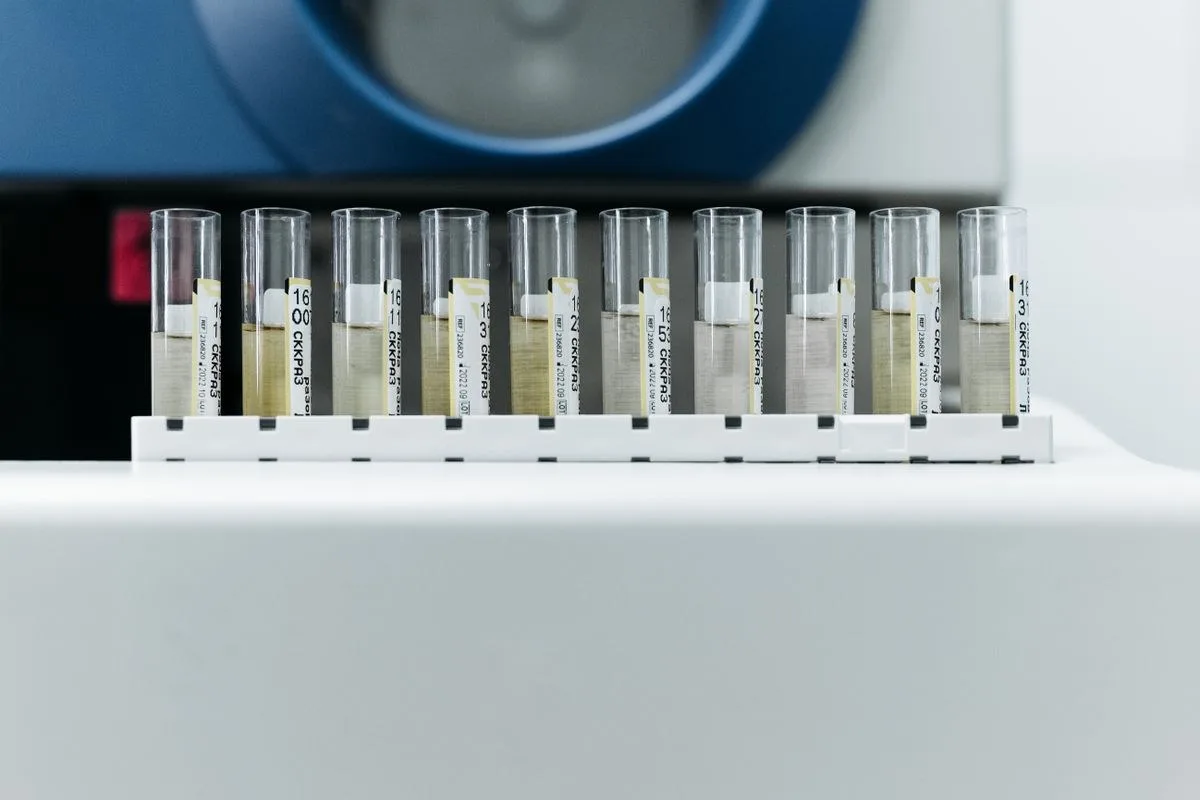
The results of the smear test are evaluated by the laboratory and transmitted to the physician. When the result is normal, the physician will inform the patient of the next scan time. Interpretation of results and planning for the next steps depends on the physician's assessment, and the patient is informed in the process.
It is natural to be anxious when the outcome is expected; However, most of the changes detected in the smear test do not indicate a serious problem. Regular communication with the physician makes this process more understandable.
What to do if there is an abnormal result?
The presence of an abnormal finding in the smear test does not directly mean cancer; Many of the changes seen in cells may be due to temporary or benign causes. In such a case, the physician may recommend a method called colposcopy to examine the cervix closely; Biopsy can also be taken during this examination if deemed necessary. The next steps are determined by the physician according to the patient's findings.
How Often Should a Smear Test Be Repeated?

How often should the smear test be repeated; The patient's age varies according to many factors, such as previous test results and general gynecologic history.
Therefore, instead of giving a clear interval, it is recommended to follow the screening plan that the physician has set specifically for the individual. During appointments, the physician informs the patient when the next test should be performed.
The person-to-person determination of the scan range allows both unnecessary frequent tests and late scans to be avoided. Therefore, it is recommended to talk with the physician at each check-up on the next appointment time; This approach ensures that the scan is personalized and sustainable.
Can People With HPV Vaccines Skip the Smear Test?
Although the HPV vaccine provides protection against some types of viruses associated with cervical cancer, it may not cover all risky types.
For this reason, regular smear testing monitoring remains important for women who have been vaccinated. The vaccine is not a replacement for screening; the two are different protection methods that complement each other.
In order to raise awareness against the types of viruses that the vaccine protects, it is recommended that women who are vaccinated adhere to the screening schedule set by their physicians. This approach contributes to making the level of protection more comprehensive.
HPV vaccination is a practice recommended by health authorities in certain age groups and is assessed by the physician for what age it is appropriate. It is important that the vaccine decision is treated in a person-specific manner, such as a screening decision.
What Are the Risk Factors for Cervical Cancer?
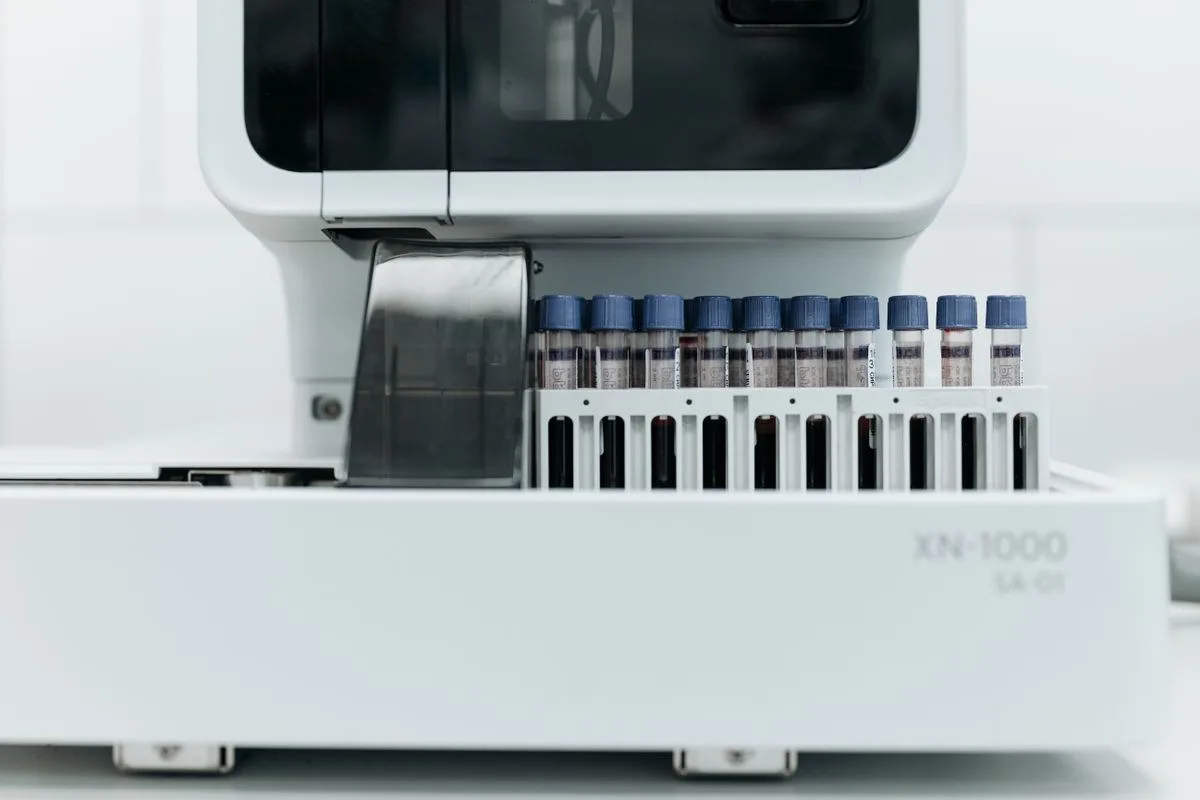
Multiple factors are known to play a role in the development of cervical cancer, particularly HPV infection.
Conditions such as smoking, poor immune system and not going to regular screening are also among the factors considered in risk assessment.
Long-term contact with HPV infection
Smoking use
Health conditions that suppress the immune system
To go to regular gynecological screening
Having one or more of these risk factors does not necessarily mean that the person will be sick; however, it may require a re-evaluation of the frequency of screening by the physician. The personal risk situation is handled with the physician during the examination and the screening plan is shaped accordingly.
Is Scanning Necessary for Women Without Risk Factors?
Regular screening also remains important for women who do not carry any risk factors, as cervical cancer may not be limited to a specific risk group. Therefore, whether or not there is a risk factor, it is recommended to follow the screening plan recommended by the physician.
Appointment for Smear Test in Samsun

Appointment requests are usually received over the telephone or through the contact channels of the practice. First time Samsun Gynaecologist Patients who will receive the support may also submit questions they were curious about before the examination during this consultations; The availability of the appointment time is planned together during communication.
Conclusion
Samsun smear testIt is a screening method that plays an important role in regular monitoring of cervix health, short-term and often undisturbed. Evaluation of the results by the physician allows for timely planning of additional examinations if necessary.
The most accurate information on subjects such as scan frequency and pre-test preparation should be taken from the physician who knows the person's story. Regular gynaecological control habit is an important step that contributes to the long-term protection of women's health and is valued for both early diagnosis and peace of mind.

Original Turkish content prepared and reviewed by
Prof. Dr. Aşkı Ellibeş Kaya
Specialist in Obstetrics and Gynecology
Last updated: 28 August 2026
The content on this page is intended for informational purposes; the diagnosis and treatment decision is made only with your physician after the examination.
References
The following sources relate to the informational issues outlined by them. The personal diagnosis and treatment plan requires physician evaluation. Source texts are in English.
NHS
What is Cervical Screening? (opens in new tab)Related subject: The purpose of the cervix scan; Examination of HPV and cellular changes.
NHS
What Happens at Your Cervical Screening Appointment (opens in new tab)Related subject: Stages of sampling from the cervix.
Frequently asked questions
A slight sense of pressure may occur during the smear test, depending on the placement of the speculum, but the procedure is often described as painless. Since the duration is short, the feeling of discomfort is also limited. Patients with sensitivity may share this condition with their physician in advance; This will allow the examination to be more comfortable.
Related Services
Other topics under the topic of gynecology.




Start with an appointment
Let us determine the day and approach that best suits you. Your consultations are conducted on a privacy basis.