

Samsun Chronic Pelvic Pain Treatment
Why is often not the only cause in pubic pain lasting more than six months is governed by holistic evaluation.
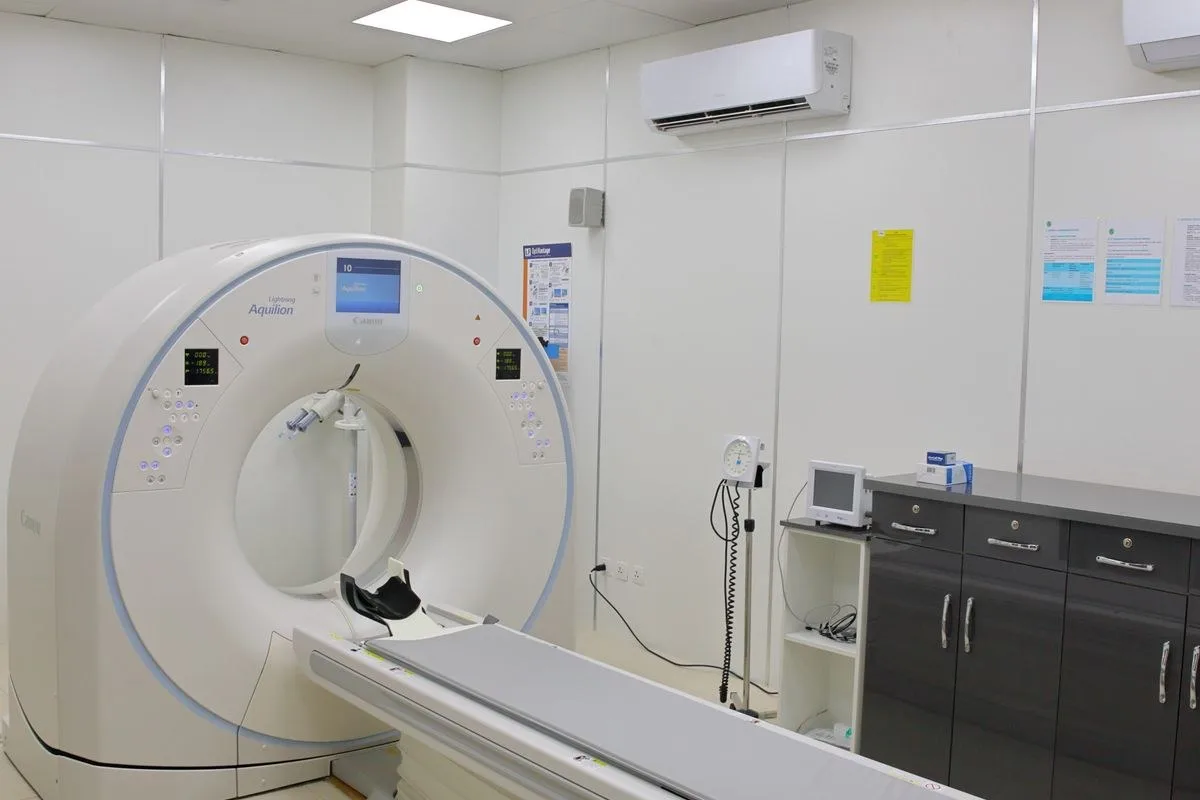
Samsun chronic pelvic pain treatment, covers a comprehensive assessment of the cause in pelvic pain lasting more than six months. The goal is to determine the source of the pain.
Chronic pelvic pain describes a table of pain that is felt in the lower abdomen and pelvic area, lasting for more than six months or repeating. The source of the pain may not be limited to a single organ; Therefore, evaluation should be handled in a broad framework.
Adopting a comprehensive approach to such convergences Prof. Dr. Aşkı Ellibeş Kaya In the consultations with the doctor, the assessment is planned step by step according to the story and examination findings.
What is Chronic Pelvic Pain?
Chronic pelvic pain refers to a long-term or frequent recurrent complaint, unlike an acute pain. The six-month period measure is a general threshold used to separate temporary and short-term pain from this table.
The severity and quality of the pain may vary greatly from person to person, with some people experiencing pain in the form of mild and persistent discomfort, while others may experience a period-extensive course; an increase in menstrual cycle associated with it is also common.
Where pain is felt, when it begins, what movements it increases with, and what symptoms are accompanied by, presents important clues in the evaluation process. Noteing these details allows clarification of information to be passed on to the physician during the examination.
Some people may experience pain without having a long-term evaluation by thinking of it as an ordinary complaint, whereas it is an important step to apply for an examination when its continuity is noticed, as there may be different causes behind a recurring or increasingly severe pain within months.
Chronic pelvic pain may be a multi-caused table, so it should not be considered limited to a single organ or system. Therefore, evaluation is kept broad to cover different possible sources.
Possible Causes of Chronic Pelvic Pain
Behind chronic pelvic pain can be found many different causes due to the gynacological, urological, gastrointestinal and musculoskeletal system. In some cases, multiple sources can play a part together. The following list summarizes common sources and their prominent features.
Gynecological sources: It covers causes such as endometriosis, adenomyosis, pelvic adhesion and chronic pelvic infection; the prominent feature in this group is that pain increases in relation to the menstrual cycle.
Urological sources: It covers causes such as bladder-induced pain syndrome and recurrent urinary tract infection; The prominent feature in this group is a feeling of discomfort associated with urination.
Gastrointestinal sources: Irritable bowel syndrome is the common cause of this group; The prominent feature is that the complaint watches along with the change in bowel habit.
Muscle-skelet system-induced causes: pelvic floor muscle tension is the prominent cause of this group; The feature that stands out is the increase in pain by posture or movement.
This list provides a general framework; the exact cause can only be determined by detailed story and examination. Because the same symptoms can come from different sources, self-diagnosis can be misleading and can lead to unnecessary anxiety.
Psychological factors such as anxiety and past trauma can also affect perception of pain; These effects do not replace other causes, but are evaluated with them. Therefore, not only physical findings are considered in the evaluation process, but also the general condition of the person.
Some of the causes are common in society, while others are relatively rare. So when the pain repeats, it is important to have a systematic assessment taken into account all possible sources, in terms of correct direction.
In some people, multiple sources may play a role at the same time; for example, pelvic floor muscle tension can be found together with a gynecological cause.In such compound tables, evaluation is important in terms of creating the right management plan, not limited to a single area.
Gynecologic Source Causes
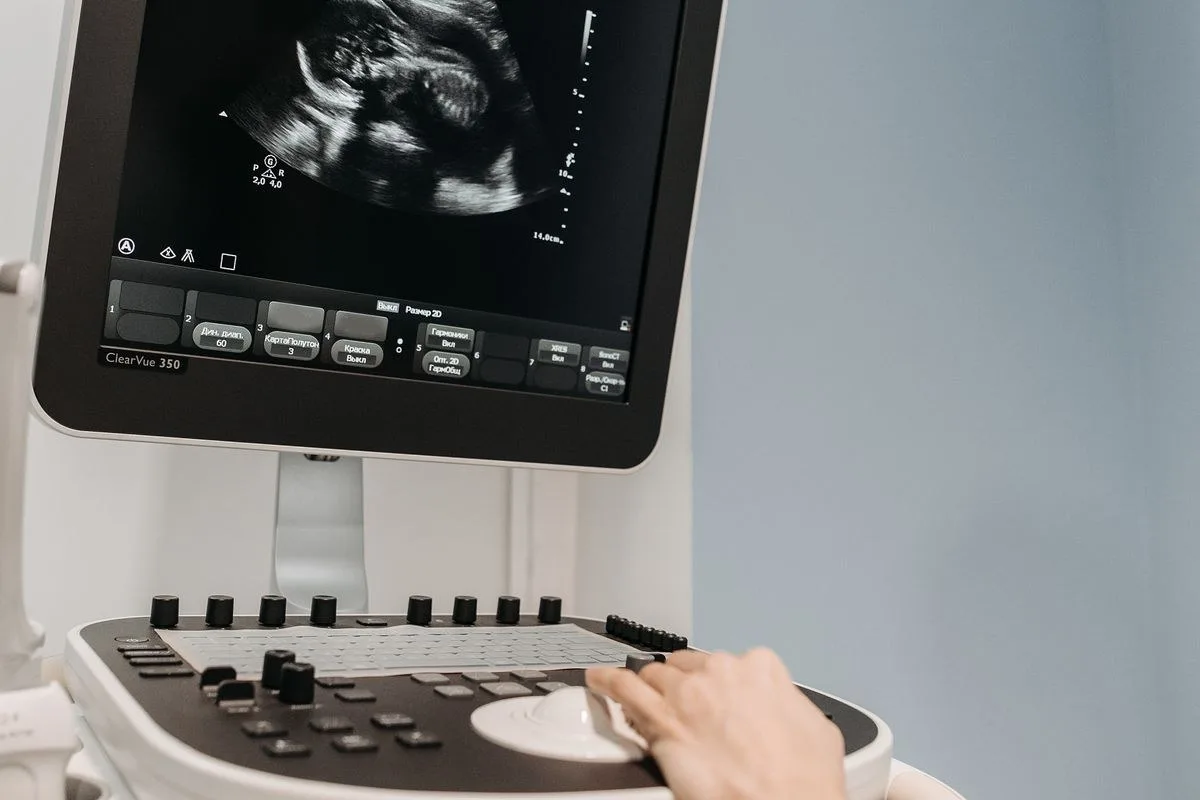
Endometriosis is one of the most common gynaecological causes of chronic pelvic pain. The presence of tissue similar to the cervix outside the uterus can lead to a pain that is particularly pronounced during menstruation.
Adenomyosis occurs when tissue similar to the inner membrane of the uterus is located within the uterine muscle layer and can be watched with intense, long-term menstrual pain. This table can sometimes be seen along with endometriosis.
Past surgery, infection, or an inflammatory process can pave the way for the development of adhesion in the pelvic area.Constructions can restrict the normal movement of organs, leading to a constant feeling of pain.
Chronic pelvic infection can also persist for a long time, sometimes without causing a pronounced complaint. Therefore, in the recurrent pelvic pain assessment, the history of past infection is also questioned.
Some of these gynecologically-induced causes can be detected by ultrasonography, while others can only be revealed by further examination. This difference explains why the evaluation process is progressing progressively.
The symptoms of these causes can sometimes be quite similar; for example, both endometriosis and pelvic adhesion can lead to increased pain during menstruation. This similarity requires that the distinction be made not only with the story but with the findings of examination and imaging.
Urological and Gastrointestinal Source Causes
Bladder-induced pain syndrome is a pain chart associated with the bladder, often accompanied by an increase in the frequency of urination. In this case, the pain usually increases when the bladder is full, it may ease after emptying.
Recurrent urinary tract infection can also lead to a constant feeling of discomfort in the pelvic area. An underlying trend may need to be investigated if the infection is repeated frequently.
Irritable bowel syndrome is one of the common causes of chronic pelvic pain caused by gastrointestinal. In this case, the pain usually follows with changes in bowel habit, symptoms such as swelling or constipation.
Because urological and gastrointestinal-induced pain can be felt in similar regions for gynecological reasons, these possibilities are also carefully evaluated in the differential diagnosis process. The relevant majors can be directed when deemed necessary.
These two groups can also be handled on their own, regardless of gynecologic evaluation. When the relationship of the complaint to urination or bowel habit is noticed, sharing this link with the physician facilitates differential diagnosis.
While some of these reasons may be noticed by a simple examination, others may require their own examinations of the relevant major. Sharing information between different branches in the evaluation process may prevent unnecessary re-examination.
Muscle-Skelet System and Psychological Factors
Tension in the pelvic floor muscles is a frequently overlooked cause of chronic pelvic pain. Continual tension in these muscles can lead to increased pain with posture, movement, or prolonged sitting.
Muscle-skelet-induced pain can sometimes be seen together for gynecologic reasons; In this case, two different sources must be evaluated together. A physical examination helps to make this distinction.
Psychological factors such as anxiety and past trauma can affect how pain is perceived and to what extent it feels uncomfortable. This effect does not reduce the reality of pain; It is about the way the nervous system processes pain.
Long-standing pain can also affect a person's daily life, sleep patterns, and mood over time. Therefore, the psychological dimension is a part of evaluation that should not be ignored.
Muscle-skeleton and psychological factors can sometimes form a cycle that feeds each other; Constant muscle tension can increase anxiety, while increased anxiety can also feed muscle tension. The realization of this cycle contributes to the holistic progression of assessment.
The contribution of these factors to pain can vary from person to person; in some patients, the muscle-skelet component is prominently pre-empted, while in others, the psychological burden may be more dominant. Distinguishing this difference during evaluation leads to the determination of subsequent management steps.
Diagnosis and Multidisciplinary Evaluation Process
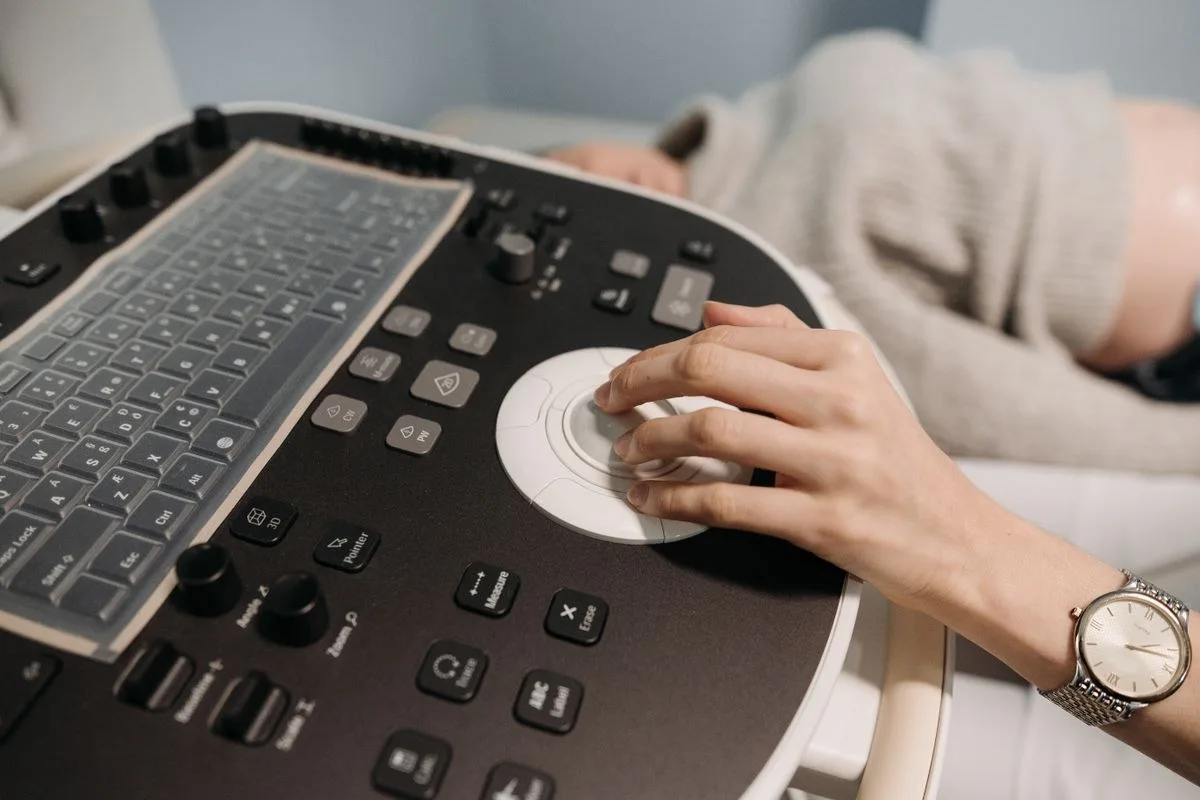
Chronic pelvic pain assessment usually proceeds through a wide-ranging and multidisciplinary process, as it approaches a table that can be very causeful. Detailed storytelling is the first and most important step in this process.
Detailed story: duration, location, severity and triggers of pain
Evaluation of the pelvic region by gynecological examination
Imaging of the uterus and ovaries by ultrasonography
Further examination with laparoscopy in the suspicion of endometriosis
Guidance to urology or gastroenterology majors when deemed necessary
Which of these steps to apply is determined by the person's complaint and examination findings. Laparoscopy can be brought up especially in cases where endometriosis is suspected and other methods cannot provide clarity.
In the evaluation process, different branches may need to be evaluated together; this holistic approach helps to understand whether pain is dependent on a single source or multiple factors.
During story-taking, it is also questioned to what extent pain affects daily life, working order and relationships. This knowledge contributes to creating a management plan that is suitable for the person, beyond just making a physical diagnosis.
The evaluation process is not usually completed with a single appointment; additional consultations can be scheduled based on the results of some examinations. This phased progress aims to achieve accurate direction without unnecessary processing.
Why Not Found: Transition to Pain Management

Despite a comprehensive assessment, no single exact cause may be found in some patients. This is a frequently encountered table, and does not mean that evaluation is inadequate.
In such a situation, the focus of the approach shifts from looking for the source of pain to managing pain, which aims to maintain the patient's quality of life and improve their daily functionality.
As part of multidisciplinary pain management, different approaches such as pelvic floor physiotherapy, hormonal therapy and psychological support can be evaluated together. Which method will be a priority is determined by the need of the person.
The pain management process usually takes time and requires regular follow-up, during which the change experienced by the patient is closely monitored, when necessary the approach is reviewed.
This transition should be clearly explained to match the patient's expectation; the goal is to reduce the pain to a degree that makes it easier for the person to live, even if he or she cannot completely eliminate it.
The Treatment Approach to Cause

There is no single standard treatment for chronic pelvic pain; The approach is shaped by the established cause. When a gynecologic, urological, gastrointestinal or musculoskeletal cause is identified, treatment is planned specifically for this source.
In cases of open to hormonal effect, such as endometriosis or adenomyosis, hormonal treatment options can be evaluated, and in pelvic floor-induced tension, physiotherapy may be at the forefront.
Since the underlying cause may be different in different people applying with the same symptom, the treatment plan is also tailored to the individual. This approach takes improving the patient's quality of life as a primary goal.
The course of pain is closely monitored in the treatment process; When the response is insufficient, the approach can be reassessed. This flexibility allows treatment for the cause to be maintained in a person-specific form.
In some cases, multiple approaches may need to be implemented together; for example, physiotherapy or psychological support may be planned along with a hormonal treatment. This combined approach allows for holistic handling of pain from different sources.
When creating a treatment plan, one's lifestyle, working order and expectations are also taken into account. This holistic view supports the planned approach to everyday life to be adaptable and sustainable.
When is an Emergency Assessment Required?

Although chronic pelvic pain is usually a table that can be assessed over time, in some cases it is necessary to consult the physician without waiting. If one of the following symptoms is accompanied, it is recommended to have an evaluation done without wasting time.
Sudden onset and severe watching pain
fever accompanying pain
Bleeding seen with pain
These findings may indicate a need for a more comprehensive and rapid assessment. Samsun Gynaecologist The examination by the doctor contributes to the quicker determination of the possible cause.
Such symptoms can sometimes be a precursor to a more immediate health problem; therefore, an evaluation without waiting prevents a possible delay. It is always safer to take physician's opinion rather than self-decision in a suspicious situation.
The Contribution of Keeping a Pain Log to Evaluation
Because chronic pelvic pain can follow a variable course over months, the information remembered at the time of a single examination may not reflect the entire process. Keeping a note regularly from the moment the pain begins makes the change over time more visible and reduces the incomplete transfer of information caused by difficulty remembering.
In a pain journal, it can be recorded what day and time the pain is felt, how long it lasts, the severity of it with a scale such as mild to moderate to severe, what day the menstrual cycle coincides with, whether it has an association with urination or bowel habit, and by which posture or movement it increases. Although these details may seem like small observations alone, they can form a distinct pattern when combined.
This type of recording, which is brought to an appointment, speeds up the process of receiving stories and contributes to the physician's distinction between different possible sources; For example, an increase in overlapping menstrual cycle strengthens a gynecological impression, while a change associated with urination may point in a different direction. Thus, evaluation can proceed through concrete and time-spread observations rather than general expressions based on memory.
Conclusion
Samsun chronic pelvic pain treatmentIt covers a comprehensive, multidisciplinary evaluation process in pelvic pain that lasts for more than six months and can be very causeful. Correct assessment is the first step to determine the source of pain or the appropriate management approach.
People with chronic pelvic pain are advised to undergo a thorough examination without ignoring the complaint. Whether the cause is identified or not, managing pain with a person-specific approach can positively affect quality of life. When the continuity of the complaint is noticed, it is important to make an appointment without wasting time.

Original Turkish content prepared and reviewed by
Prof. Dr. Aşkı Ellibeş Kaya
Specialist in Obstetrics and Gynecology
Last updated: 24 August 2026
The content on this page is intended for informational purposes; the diagnosis and treatment decision is made only with your physician after the examination.
References
The following sources relate to the informational issues outlined by them. The personal diagnosis and treatment plan requires physician evaluation. Source texts are in English.
NHS
Pelvic Pain (opens in new tab)Related subject: Definition of chronic pelvic pain, different causes and evaluation by cause.
Frequently asked questions
Chronic pelvic pain describes a pain chart that has been ongoing or recurring for more than six months, felt in the lower abdomen and pelvic area. Short-term or temporary pain is excluded from this definition and usually does not require a separate assessment.
Related Services
Other topics under the topic of gynecology.



Start with an appointment
Let us determine the day and approach that best suits you. Your consultations are conducted on a privacy basis.