

Samsun Kegel Exercises
Kegel exercises are exercises that strengthen the pelvic floor muscles in a targeted way; It is recommended for urinary control and support of sexual functions.
Samsun Kegel exercisesThey are repetitive contraction-relaxing movements intended to strengthen the pelvic floor muscles, and may benefit when applied with the right technique.
pelvic floor muscles; The bladder is the muscle group in the lower abdomen, supporting the uterus and intestines. Weakening of these muscles may occur during the postpartum period, with advancing age, or due to changes in connective tissue, and may affect the comfort of daily life.
Weakness can often take time to realize as it progresses slowly, so gaining awareness is considered the first step in the process.
The strength of these muscles may vary from person to person; age, number of births, shape of birth, and overall connective tissue structure are among the factors that play a role in this difference. Regular exercise may be preferred in some people to strengthen their pelvic floor muscles without any complaints.
This article explains how to identify the correct muscle group, the steps for safe practice and the points to keep in mind. For pelvic floor assessment and guidance, Prof. Dr. Aşkı Ellibeş Kaya Patients can be informed by it.
What is Kegel Exercise?

Kegel exercises are a non-medicine or surgical strengthening method based on conscious contraction and relaxation of pelvic floor muscles. The goal is to improve support function by increasing the strength and endurance of this muscle group.
Exercises can be performed at different times of the day without requiring any special equipment; however, regularity and correct technique are two essential elements that are decisive in terms of outcome.
The method was named after studies that identified these movements in order to strengthen the pelvic floor muscles. Over time, it has become common as a supportive practice in different age groups and in different complaints.
Although exercise itself may seem simple, correctly distinguishing the muscles and repeating the movement consistently is a skill that can take time to learn.
Kegel exercises can be practiced as a stand-alone approach, as well as with general lifestyle arrangements when necessary.
Recognizing factors that increase pressure on the pelvic floor, such as excess weight, chronic cough, or heavy lifting, can be considered an approach that supports the effect of exercise. Therefore, the exercise process is often treated as part of a general assessment.
pelvic floor Muscles and Function

pelvic floor muscles are a layer of muscle-bond tissue that extends in the form of a hammock between the pubic bone and the tail insertion. The bladder helps the uterus and intestine to remain in normal position, also plays a role in urine and gaita control. Weakening of these muscles; Mild urinary incontinence may manifest itself in the form of a downward sensation of pressure in the pelvic organs or changes noticed in sexual function.
pelvic floor muscles also play a role in balancing intra-abdominal pressure; During coughing, sneezing, or sudden movements, these muscles are expected to activate instantaneously. When muscle strength is not sufficient, this balancing function may weaken during daily activities.
Not only can this muscle group weaken, but it may also play a role in the age of progress, occupations that require long-term standing, regular heavy exercise, and general connective tissue characteristics. Therefore, pelvic baseline weakness should not be considered a limited condition with only those who have given birth.
Awareness of pelvic floor muscles is a subject that is not often questioned in everyday life; When the muscles are strong enough, no convergence occurs. Therefore, most people notice the presence of this muscle group only when it encounters a sign of weakening. Gaining early awareness can be a supportive approach to preventing possible complaints.
How to Find the Right Muscle Group?

The correct muscle group needs to be noticed before starting Kegel exercise. Otherwise, the abdominal, hip or thigh muscles can be operated accidentally and the exercise process may continue without strengthening the pelvic floor muscles. The safest way to understand which muscles are the ones is to try to feel the movement by focusing carefully on that area.
To notice the right muscles, one can try a feeling of pulling the rear area slightly inward, as if it were blocking the gas output in the seated position; A slight feeling of recovery can also be accompanied at the same time forward. It is important to note that during this trial, the abdominal muscles are stiffened and the breath is normal.
Checking whether there is movement in the abdomen or hip area during contraction by touching lightly in front of the mirror or by hand can help distinguish the right muscle group. If there is significant movement in the surrounding areas while feeling contraction, the technique may need to be reviewed.
Important Warning About the Urine Flow Cutting Test
By trying to stop the flow of urine for a short period of time, it can be tried only once and for recognition purposes to recognize which muscles belong to the pelvic floor. This method should not be used as a regular exercise technique; Because it can disrupt the bladder's regular ejaculation habit and increase the risk of urinary tract infection. Once you have noticed the muscles, exercise should be continued at some time other than urination.
This warning is a frequently overlooked but important point because repeated trials during the restroom can negatively affect bladder function in the long run, although they provide muscle awareness in the short term. The entire exercise process should be planned independently of the moment of urination.
How to Apply the Right Kegel Exercise?
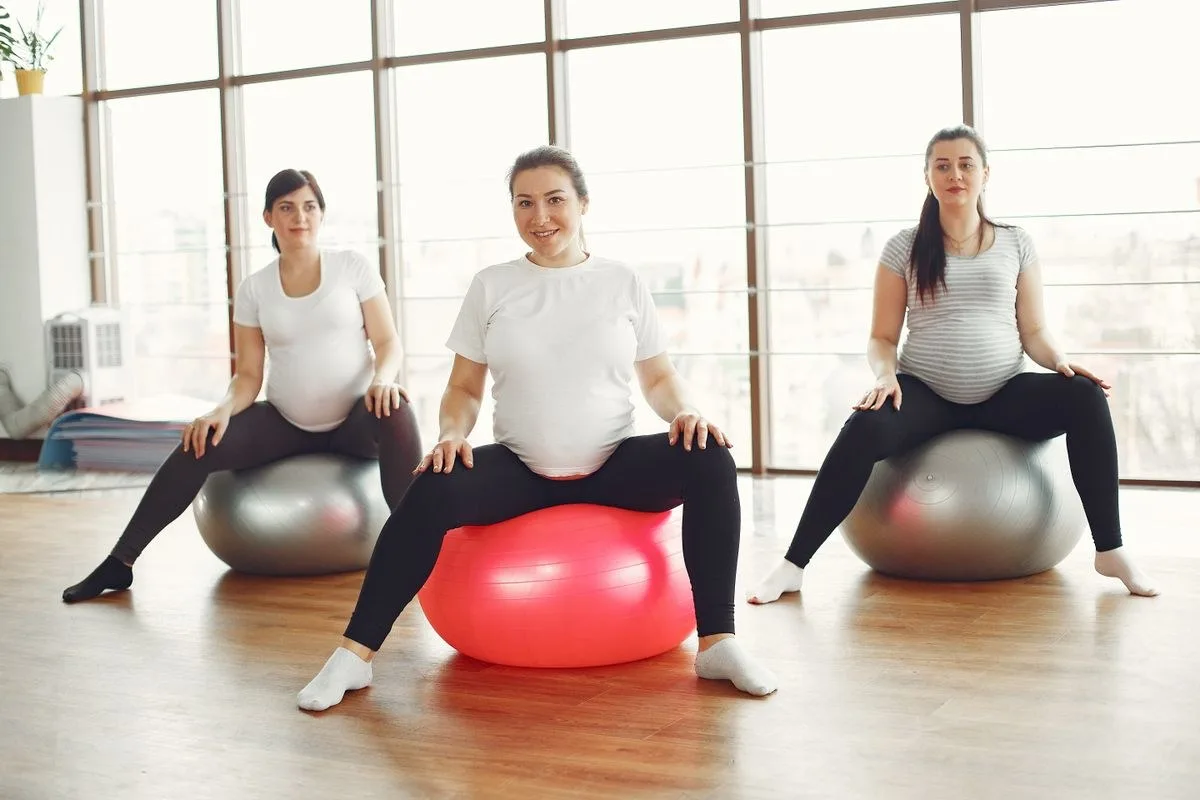
In the right technique, the pelvic floor muscles are tightened for a few seconds, then fully relaxed for the same period of time. During contraction, the abdominal, hip, and thigh muscles should not move, but should be kept in the normal rhythm of the breath. Exercise can be practiced in sitting, standing or lying position; The important thing is that the movement is only felt in the pelvic floor area.
The relaxation stage is as important as the contraction and is often neglected. Switching to a new contraction without fully loosening the muscles can eventually cause the muscles to become overly tense. Therefore, it is recommended to leave a conscious relaxation period between each repetition.
Starting exercise with short-term contractions in people who are just starting out can be adopted as a general approach to gradually increasing the number or duration of repetition as muscles get used to it. Repeating exercise in different positions can also contribute to maintaining support for muscles in various postures in daily life.
Pairing exercise with a specific hour or other daily activity when placing it in the daily routine can make it easier to habituate. This way, exercise can become a natural part of the day rather than an additional task that requires a separate effort.
Sit or lie down in a comfortable position, keeping the abdominal and hip muscles loose.
Squeeze the pelvic floor muscles for a few seconds, then fully relax them for the same period of time.
Repeat the movement with normal breathing rhythm, without holding your breath.
Regularly apply the specified number of repetitions by spreading them to different times of the day.
When you feel the muscles are getting tired, take a break, do not continue by forcing.
Correct and False Technical Comparison
The most common problem with Kegel exercises is the training of the wrong muscle group. The following comparison outlines the fundamental differences between correct and incorrect practice.
Feature: The Right Technique; False Technique
Contracting area: Only the pelvic floor; Abdominal, hip, thigh muscles
Breathing: Continues in normal rhythm; It is held or disordered
Relaxation: Full relaxation as contraction; Insufficient or incomplete relaxation
Application frequency: Regular, daily routine; Irregular, occasionally
Muscle-finding method: Awareness-oriented, one-time trial; Do not cut urine flow frequently
Exercising for a long time with the wrong technique can cause the expected benefit to not be received and from time to time different complaints arise. Therefore, it is important to take the time to learn the technique correctly when starting exercise in order to get results later.
Another frequent mistake is to try to increase the number of repetitions quickly. Muscles become stronger over time, like other muscle groups; Overloading can lead to fatigue or tension in the muscles. Planning exercise as a progressive, sustainable habit can provide more consistent results over the long term.
Much of the differences outlined in the table are due to the fact that exercise is done by being squeezed between everyday life, without leaving enough attention to it. An exercise in which attention is given to the pelvic floor area entirely, albeit for a short period, may be more beneficial than a long exercise done carelessly.
Who Can Benefit from Kegel Exercises?
Kegel exercises; In the postnatal recovery process, mild stress type is a method that can be preferred in urinary incontinence complaints, strengthening pelvic organ support, and supporting sexual function. The fitness of exercise and the way it is administered should be determined based on a person's pelvic floor condition.
During the postpartum period, pelvic floor muscles may temporarily weaken; During this period, when and how to start exercise may vary depending on the form of birth and the recovery process. In people with mild stress-type urinary incontinence complaints, regular exercise may play a supportive role over time.
During pregnancy, awareness of the pelvic floor muscles can also be preferred by some in terms of preparation for childbirth. However, the shape and timing of the exercise to be performed during pregnancy is also an issue that should be evaluated according to a person's overall health.
Since the condition of pelvic floor muscles may vary from person to person, it may be useful to make a general assessment before starting exercise. When necessary about this Samsun urojinecologist Support can be obtained from the assessment.
When do the results begin to be seen?
The effect of Kegel exercises varies from person to person, but usually begins to be noticed within weeks and months. It is not possible to specify a precise time or rate; The result depends on the regularity of the exercise, its application with the right technique, and the person's pelvic floor state. A patient and consistent implementation process is required.
Taking a break from exercise or applying it irregularly can cause the progress achieved to decrease over time. Therefore, it is recommended that kegel exercises be considered as a habit intended to be made part of everyday life, not an application left after a certain period of time.
It may be useful to pay attention to small changes in daily life to follow progress; For example, it may be observed whether the previously noticed feeling of mild incontinence during coughing or sudden movement decreases. Such observations may support motivation for sustaining exercise.
When Do You Need pelvic floor Physiotherapy or Expert Support?
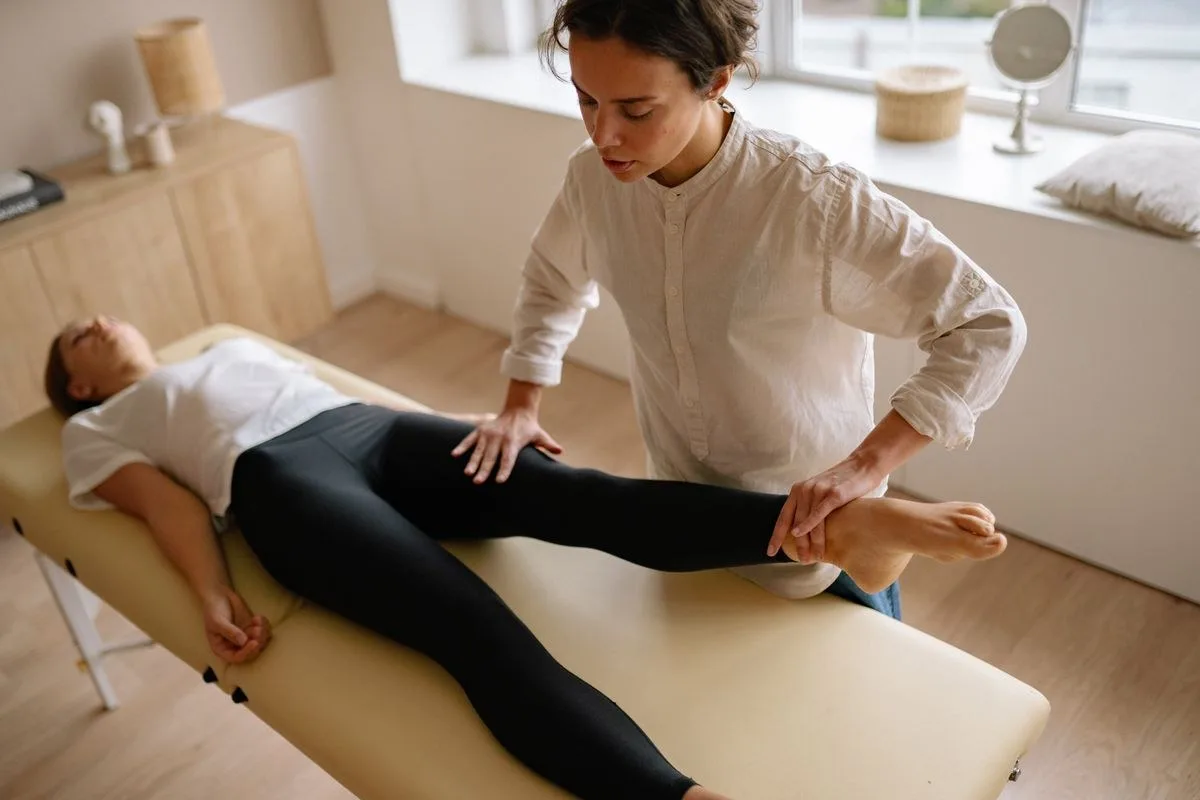
Kegel exercises performed with the wrong technique may not provide the expected benefit; If there is an over-muscle pelvic floor, exercise can make existing complaints more difficult.
If the muscles are not correctly noticed, persisting complaints despite regular exercise, or feeling pain during exercise, a pelvic floor physiotherapist assessment and biofeedback-assisted study may be recommended.
In biofeedback-assisted studies, it can be facilitated to learn the correct technique by allowing one to follow one's own muscle movement with visual or auditory feedback. This type of support may be a useful starting point, especially for people who have difficulty distinguishing muscles on their own.
During expert assessment, the duration of complaints, to what extent it affects daily life, and methods that have been tried before are often questioned. In accordance with this information, it may be directed whether it is appropriate to maintain the exercise alone or with additional support.
Getting expert support can prevent a person from wasting time doing the exercise wrong and contribute to learning the technique correctly in a shorter period of time. Especially in people who haven't noticed a change, even though they have been exercising for a long time, this type of assessment allows for a re-examination of the process.
Pelvik Base Evaluation and Follow-up Process in Samsun
As part of the pelvic floor assessment, the patient's complaints, muscle strength and overall health status are discussed together. After evaluation, the person is informed about the appropriate exercise approach and additional support methods if necessary.
In the course of follow-up, whether the exercise technique is applied correctly and the change in convergences is reviewed at regular intervals; The exercise plan can be rearranged according to the person's condition when needed.
The first consultations usually involves information about one's complaints, daily life pattern, and methods that have been tried before. In accordance with this information, a personalized referral may be made to the individual as to whether it is appropriate to continue the exercise alone or in conjunction with an additional assessment.
Follow-up appointments allow for a regular review of progress.
Conclusion
Samsun Kegel exercisesIt can be a safe method to support pelvic floor health when applied with the right technique and regularly. Correct realization of muscle group and not neglecting relaxation stage is important for the effectiveness of exercise.
Despite exercise, it is appropriate to continue with individual evaluation if complaints persist, muscles cannot be found or pain is felt. It is recommended to adopt a patient and consistent approach, as the process can proceed in person. Starting with the right information and maintaining a regular exercise habit can contribute to supporting pelvic floor health in the long term.

Original Turkish content prepared and reviewed by
Prof. Dr. Aşkı Ellibeş Kaya
Specialist in Obstetrics and Gynecology
Last updated: 25 August 2026
The content on this page is intended for informational purposes; the diagnosis and treatment decision is made only with your physician after the examination.
References
The following sources relate to the informational issues outlined by them. The personal diagnosis and treatment plan requires physician evaluation. Source texts are in English.
NHS
Urinary incontinence: non-surgical treatment (opens in new tab)Related subject: Evaluation of pelvic floor muscles for urine control and exercise training.
Frequently asked questions
The number of reps may vary depending on the person's pelvic floor state; Maintaining the practice with regular and correct technique rather than giving a general number is more decisive in terms of outcome. Increasing the number of reps gradually can be considered a more appropriate approach to progress without forcing muscles.
Related Services
Other topics under the topic of gynecology.




Start with an appointment
Let us determine the day and approach that best suits you. Your consultations are conducted on a privacy basis.