
Samsun Lichen Sclerosus Treatment
lichen sclerosus is a chronic skin disease that affects the genital area skin. It watches with thinning of itch and texture, requiring regular follow-up.
Samsun lichen sclerosus treatment, aims to manage the symptoms of chronic skin disease under physician control. Correct diagnosis is the first step in the proper and regular treatment process.
lichen sclerosus is a chronic progressive and benign skin disease that occurs mostly in the genital and anal region. It manifests itself with symptoms such as whitening on the skin, thinning and permanent itching; Over time, it can lead to changes in tissue structure.
Although the disease can be seen in any age group, it is reported more frequently in women than in men, and therefore awareness is important.
Although the exact cause is not known, it is thought to be associated with the immune system and the disease is not contagious; It does not pass from one person to another through contact or sexual intercourse.
Prof. Dr. Aşkı Ellibeş Kaya With its assessment, the symptoms are examined in detail and a treatment plan to suit the person's condition is created together.
What is lichen sclerosus?
lichen sclerosus is a chronic and progressive disease that occurs in particularly thin and sensitive areas of the skin. It most often occurs around the vulva; But it can also be seen in different parts of the body, such as the chest, back or arm. While it is a benign condition, it requires long-term physician follow-up and regular check-up.
The disease can be seen in different severity from person to person; In some people, the symptoms remain mild over the years, while in others, there may be more significant changes in skin structure.
Therefore, each phenomenon is evaluated separately in its own course and the treatment approach is shaped according to one's condition, age, and overall health.
Increasing awareness of lichen sclerosus contributes to early detection of symptoms and application to the physician without delay. Itching, color change in the skin or making an evaluation without wasting time when a change of feeling is noticed helps to manage the process more easily.
Observing when symptoms increase is also a useful source of information; those who notice that itching becomes apparent after prolonged sitting, sweating, or use of irritant products may share their observations with the physician.
Rather than self-diagnosis, it is always a more reliable way to consult a specialist when complaints begin, according to information encountered online.
What Are the Symptoms of lichen sclerosus?

The most prominent finding of lichen sclerosus is whitening and thinning on the skin. These changes are often accompanied by permanent itching, and over time the skin may become more brittle, more sensitive to stretching. The tendency to tear is especially noticeable during the relationship, which can lead to pain.
In some people, symptoms are limited to only mild itching, while in others, more pronounced changes in skin color and texture occur. In advanced cases, structural changes such as thinning on small lips and adhesion around the clitoris can be seen; These changes can affect everyday life comfort and sexual life.
Symptoms often follow a slow and sneaky course; Therefore, it may not be noticed in the first period or may be considered a temporary irritation. Constantly trying to remove itching can further irritate the skin and contribute to the exacerbation of existing symptoms; Therefore, it is recommended to consult a physician if the complaints continue.
Since symptoms can affect daily life, relationship and overall comfort, it is important to communicate openly with the physician without hesitation in this regard. Sharing the process with the partner also facilitates mutual understanding and contributes to more comfortable conduct of the treatment process; Knowing that there is nothing to be ashamed of is an important support in this process.
Significant whitening and thinning of the skin
Persistent itching that lasts a long time
Pain and tendency to rupture during intercourse
Significant change in tissue structure in advanced cases
Thinning on small lips, adhesion around the clitoris
What Are the Causes of lichen sclerosus?
The exact cause of lichen sclerosus is not fully known; The immune system is thought to be associated with developing an abnormal response to skin tissue. Hormonal factors and genetic predisposition are also assessed to contribute to the process, but no single definitive cause is established.
lichen sclerosus is not an infectious disease; It does not pass from one person to another through sexual or contact. This information is an important point in reducing disease-related concerns and achieving accurate information; The social perception of the disease can change in a positive way with this awareness.
lichen sclerosus is known to be seen along with some other disorders associated with the immune system; However, this association is not expected in every patient and varies from person to person. The presence of similar skin complaints in the family is a point of note in some cases, but it is not possible to mention a precise pattern of heredity.
Some people may notice that symptoms become more pronounced at certain times, for example when there is intense stress or hormonal change; this observation does not apply to everyone and varies from person to person.
Not knowing the exact cause does not mean that the disease is incurable; symptoms can be controlled with the appropriate approach.
How Does lichen sclerosus Diagnose?
The first step in the diagnostic process is a thorough examination. The appearance of the skin and the complaints described by the patient may lead the physician to suspect lichen sclerosus. In most cases, typical examination findings are sufficient to make a diagnosis without the need for an additional examination, and the process becomes clear soon.
In non-typical appearances or when treatment is not receiving the expected response, biopsy can be confirmed. This additional assessment contributes to finalization of the diagnosis and the correct direction of the treatment plan; It also helps distinguish other skin conditions that give similar symptoms.
During the examination, the patient's comfort and privacy are prioritized; The process progresses step by step and the patient's questions are answered. It is natural for first-time applicants to have anxiety prior to the examination; This anxiety can be greatly reduced by prior knowledge of the process.
lichen sclerosus Treatment Methods

The first step of treatment is creams containing strong-acting corticosteroids. These creams help control itching and irritation by reducing the inflamed response of the skin. The frequency, duration and region of the application are determined by the physician individually based on the patient's condition and severity of symptoms.
The Importance of Long-Term and Regular Use
Short-term administration in the treatment of lichen sclerosus is usually not enough. Once the symptoms are under control, the physician can gradually reduce the dose and move on to continuing treatment. This approach aims to reduce the likelihood of recurrence of symptoms and to maintain skin health over the long term.
Does Treatment Provide Permanent Recovery?
Corticosteroid creams can effectively control symptoms but do not completely eliminate the disease. lichen sclerosus is a chronic disease, and symptoms may reappear over time when treatment is discontinued. Therefore, regular follow-up and the cooperation with the physician is of great importance.
Role of Patient Harmony in the Treatment Process
Applying the cream as often and regularly as recommended directly affects the success of treatment. Occasionally skipping or leaving the application early can lead to a rekindling of symptoms. Therefore, it is recommended to stick to the plan set by the physician and not to interrupt the control appointments.
Skin Care After Treatment
It is necessary to take care of the maintenance of the area, even after the symptoms have been controlled; It is recommended to avoid irritant products and keep the skin dry. Avoiding trying a new product or method other than the physician's recommendation during the treatment of sustainment helps to maintain the control achieved.
What happens if not treated?
When lichen sclerosus is left untreated, changes in tissue structure can progress over time. Thinning on small lips and adhesions around the clitoris may become apparent; This can negatively affect the comfort of everyday life, the comfort of movement, and sexual life, and over time become more apparent.
Long-term and untreated lichen sclerosus in rare cases has been associated with a risk of skin cancer. This risk is low and can be monitored closely with regular physician follow-up; Therefore, even if the symptoms appear mild, it is of great importance not to disrupt controls and make the process safe.
Chronic itching and recurrent complaints can also affect the quality of daily life and mood; Some people may experience restlessness or anxiety in the process. Sharing the emotions experienced with the physician contributes to managing the process in a holistic manner and in confidence.
How Often Should lichen sclerosus Tracking Be Done?

After the diagnosis of lichen sclerosus, it is recommended to check with a physician at regular intervals. These controls allow assessment of response to treatment and early detection of possible tissue changes; Maintaining continuity throughout the process is important.
The frequency of follow-up is determined by the physician in person based on the severity of the symptoms and the response to treatment. It is recommended to apply for an increase in symptoms, in case of a new complaint or lack of response to treatment, without expecting planned control.
Noting symptoms and the treatment applied can help to make a more detailed assessment with the physician at check-in appointments. Remembering when itching increases or decreases during periods contributes to updating the treatment plan when necessary.
A regular follow-up relationship with the same physician makes it easier for even small changes in symptoms to be noticed over time, which allows the treatment plan to be more accurately shaped than one's actual needs.
The Difference Between lichen sclerosus and Other Skin Conditions
lichen sclerosus is separated by some features from other skin conditions that can show similar symptoms. Although differences are found in terms of appearance, navigation and diagnostic method, it may not always be possible to make this distinction with the eye alone. The table below summarizes the general differences comparatively and aims to provide an overview of the topic.
Feature: lichen sclerosus ; Other Skin Situations (general)
Appearance: Whitening, thinning; Could be redness, thickening
Navigation: Chronic, progressive; Variable by status
Infectious: It is not contagious; Depends on the situation
Diagnostic Method: Examination, biopsy if necessary; Examination, additional examination if necessary
The differences in the table offer a general framework; The examination by the physician for precise separation and biopsy are decisive when necessary.
Rather than trying to diagnose yourself, it is the most reliable approach to resort to expert assessment when symptoms are noticed.
What to Consider in Daily Life

Daily care habits also play an important role in the process of treating lichen sclerosus. Proper care can help reduce irritation, relieve itching, and support the effectiveness of treatment; Therefore, simple measures should not be neglected.
Avoid corrosive soap and cleaning products
Always keep the area dry and clean
Prefer cotton, comfortable and breathable underwear
Avoid tight, synthetic and irritant fabrics
Do not try different products or methods without a physician's recommendation
Although the itching desire is strong, avoiding scratching the area as much as possible prevents further irritation of the skin. Applying cold compresses to the area when discomfort is felt can be considered a simple method that can temporarily relieve itching.
These recommendations do not replace treatment, but only play a supportive role. It is important for the healthy progress of the process to be communicated with the physician without waiting when there is a change in symptoms or when a new complaint arises.
Where is Liken Sclerosis Treatment Performed in Samsun?
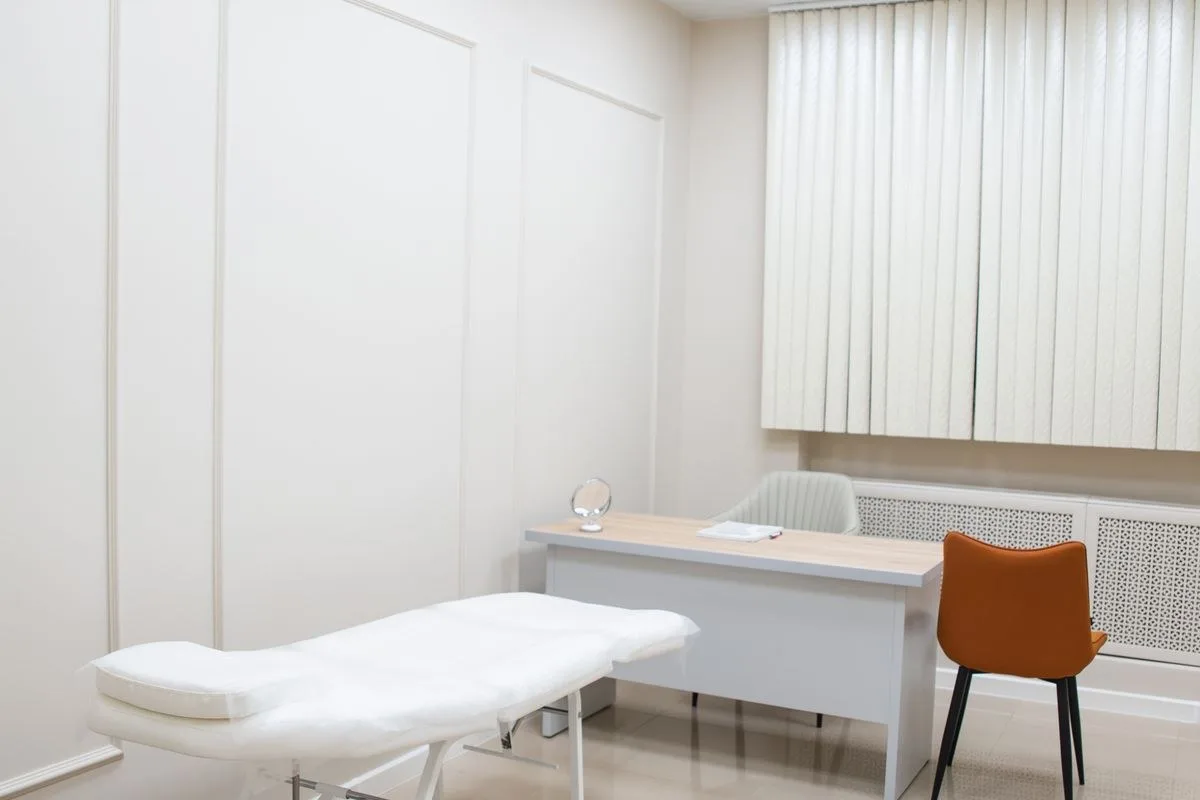
One Samsun Gynaecologist Regular follow-up planning with lichen sclerosus is an important step in the management of chronic progressive conditions. It is possible to get information about the examination scope and process by contacting before the appointment.
A long-term relationship with the same physician increases confidence in both diagnosis and treatment process. Knowing the person's past examination findings contributes to making the assessment faster and more accurate on control appointments.
Conclusion
Samsun lichen sclerosus treatment Having the right information about it facilitates the process of dealing with a chronic skin disease. Early diagnosis and regular treatment contribute to controlling the symptoms, preventing tissue changes, and maintaining quality of life.
lichen sclerosus does not disappear permanently, but it is manageable with continued treatment under physician control. Regular follow-up always retains its importance in terms of early detection of possible tissue changes, making the process safer for both the patient and the physician.

Original Turkish content prepared and reviewed by
Prof. Dr. Aşkı Ellibeş Kaya
Specialist in Obstetrics and Gynecology
Last updated: 25 August 2026
The content on this page is intended for informational purposes; the diagnosis and treatment decision is made only with your physician after the examination.
References
The following sources relate to the informational issues outlined by them. The personal diagnosis and treatment plan requires physician evaluation. Source texts are in English.
NHS
Lichen scerosus (opens in new tab)Related subject: lichen sclerosus symptoms, treatment and regular follow-up.
Frequently asked questions
No, lichen sclerosus is not an infectious disease. It does not pass from one person to another by sexual means, contact, or use of common goods; Therefore, there is no need to worry about infection with the disease and the partner has no risk of transmission.
Related Services
Other topics under the topic of gynecology.


Start with an appointment
Let us determine the day and approach that best suits you. Your consultations are conducted on a privacy basis.