
Samsun Non-surgical Treatment for Urinary Incontinence
Non-surgical management of urinary incontinence may include pelvic floor exercises, lifestyle changes and energy-based treatments.
Samsun non-surgical urinary incontinence treatment, is an approach that is evaluated before surgery in mild and moderate approximations. The choice of method is determined by a personal examination.
Urinary incontinence is a common complaint in women that affects quality of life. There are different types, such as stress type, urge type and mixed type; Each arises through different mechanisms, and the treatment approach is shaped accordingly. In mild and moderate cases, non-surgical methods are often considered the first choice.
Non-surgical options can contribute to the reduction of complaints with accurate diagnosis and regular practice; however, the effectiveness of each method varies from person to person. Prof. Dr. Aşkı Ellibeş Kaya A treatment plan is created that is appropriate to the current complaint with its assessment.
Who Is Non-surgical urinary incontinence Treatment Suitable for?

Non-surgical urinary incontinence treatment options are considered the first step, especially in mild and moderate-intensity stress type and urge type complaints. These methods can contribute significantly in mild incontinence due to weakness of pelvic floor muscles or in feeling trapped by bladder overactivity.
In cases of severe stress-type urinary incontinence or when anatomical changes are apparent, non-surgical methods alone may not be sufficient. In such cases, surgical options are raised; This topic is discussed in detail in a separate article.
Before deciding which method is appropriate, a detailed examination and story purchase are performed. The duration of the complaint, severity, impact on daily life and accompanying situations if any are evaluated together to determine a person-specific approach.
Distinguishing whether the complaint is a stress type, compression type or mixed type is an important step in determining the non-surgical method to be applied. In some cases, a more comprehensive approach can be created by applying multiple methods together; This association is planned by the physician.
Importance of Early Application
Applying early when the complaints are mild can increase the effectiveness of non-surgical methods. The contribution of non-surgical options in severe complaints over time may be limited; Therefore, it is recommended to make an assessment without wasting time when the symptoms are noticed.
pelvic floor Physiotherapy and Kegel Exercises
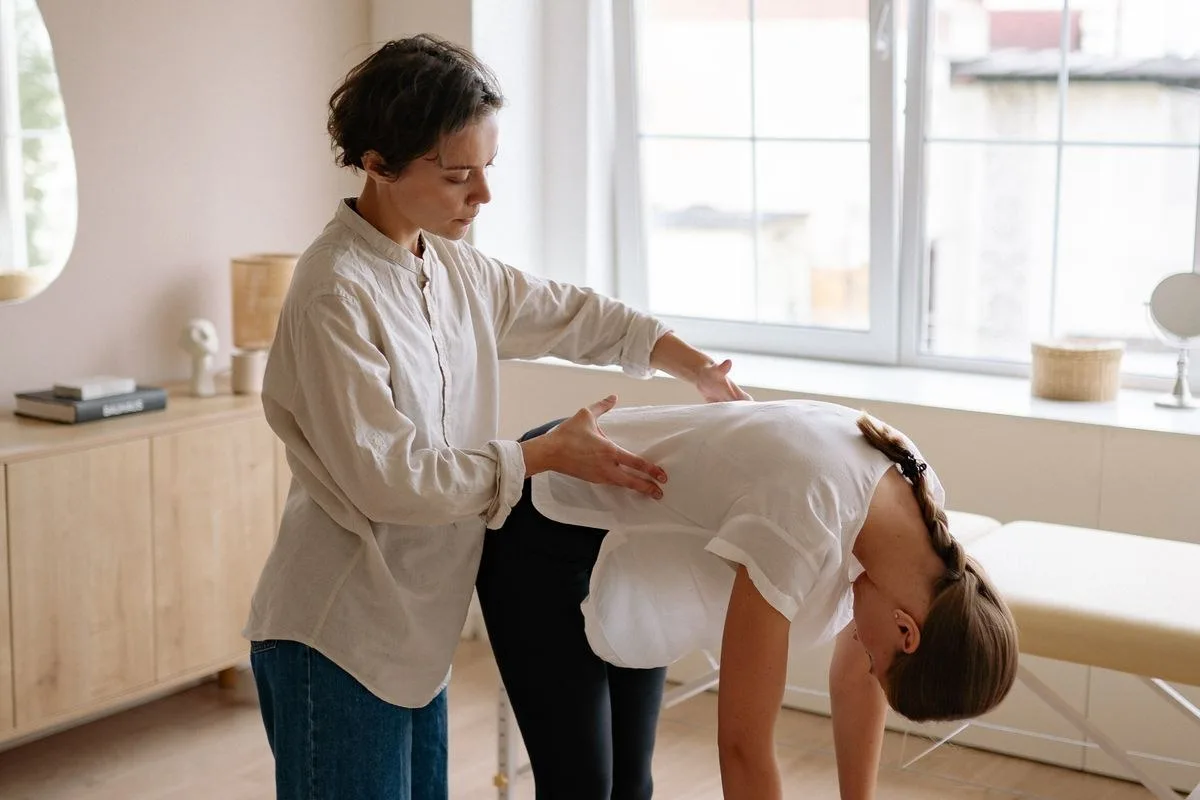
pelvic floor physiotherapy is one of the most frequently used methods for treating non-surgical urinary incontinence. Kegel exercises aim to increase the strength and endurance of these muscles by targeting pelvic floor muscles; When applied regularly, mild and moderate stress can reduce complaints in type incontinence.
Importance of Application with the Right Technique
For Kegel exercises to benefit, the right muscle group needs to contract correctly. Exercises with the wrong technique may not provide the expected contribution; Therefore, it is recommended that the correct technique be learned with the help of a physiotherapist before starting exercise.
Biofeedback Assisted Physiotherapy
Biofeedback devices report back to the patient with visual or auditory signals on the extent and accuracy of the pelvic floor muscles, which helps to understand whether exercise is performed correctly and can improve compliance with treatment.
How Often and How Long Should It Be Applied?
The frequency and duration of practice of Kegel exercises varies depending on the person's muscle strength and severity of the complaint. It is generally recommended to be maintained in the form of short sessions daily, at regular intervals, and over a long period of time; In the event of sudden release, the contribution gained may decrease over time.
Starting exercises with a physical therapist
Learning to contract the right muscle group with the right technique
Applying exercises regularly and consistently
Going to check at certain intervals to evaluate the results
Avoiding unnecessary contraction of different muscle groups, such as the abdomen and hips, during exercise
pelvic floor Strengthening with Vaginal Conicals and Weights
Vaginal conicals and weights are one of the tools that help strengthen the pelvic floor muscles. These tools, which are produced at different weights, are placed inside the vagina and aim to increase muscle strength through the muscles trying to hold that weight.
This method is often used as part of the pelvic floor physiotherapy program, not alone. Depending on what weight to start with and how to plan for progress, it is determined by a physical therapist or physician based on the patient's current muscle strength.
The correct position and duration are important when working with a conical or weight; It is recommended to monitor a gradual progress rather than extreme strain. When any discomfort or pain is felt, it is appropriate to take a break from the practice and contact the physician.
Who May Not Be Suitable for
Active infection, post-operative recovery process, or in some cases deemed unsuitable by the physician, may be delayed use of conical or weight. Therefore, it is recommended to undergo a physician evaluation before starting the method.
pelvic floor Stimulation: Magnetic and Electrical Methods

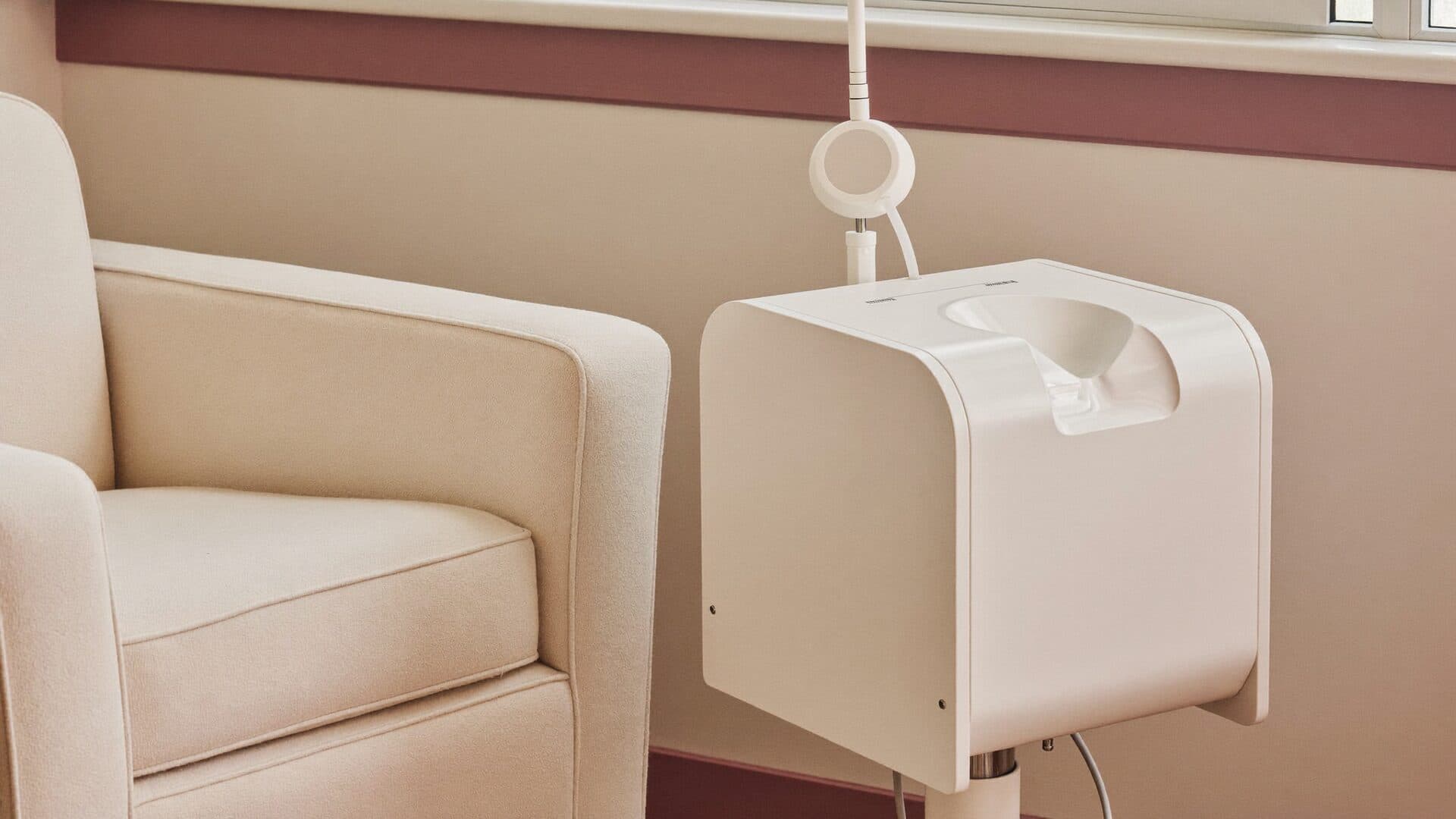
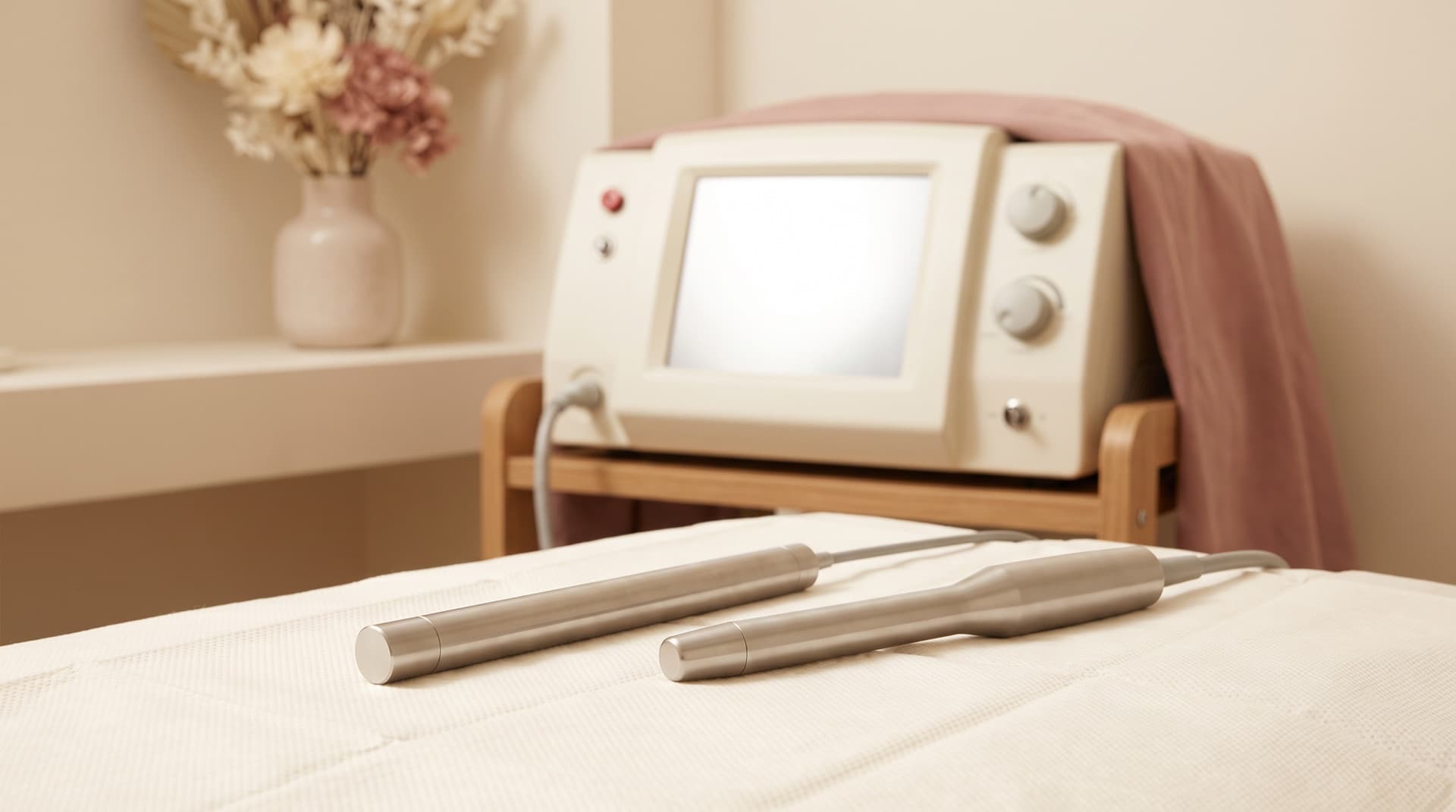
Magnetic and electrical pelvic floor stimulation are among the device-based methods applied clothedly. In these methods, the pelvic floor muscles contract involuntarily with outside warnings and over time, it is aimed to increase muscle strength.
Stimulation methods can be considered as a support for the physiotherapy program, especially in people who have difficulty correctly contracting the relevant muscle on their own. Application details and device-based options on this topic are discussed more extensively in a separate article.
Stimulation sessions are usually performed at short intervals and within a specific schedule; The number and frequency of sessions are arranged by the physician according to the person's response. Since this method is not invasive, it does not greatly affect everyday life.
This method is not considered as a treatment alone, but mostly as a planned support element along with pelvic floor physiotherapy. Before application, skin integrity and general health condition are checked by the physician.
Management of urge type urinary incontinence with Bladder Training

Bladder training is a behavioral approach that is preferred, especially in urge type urinary incontinence. The goal is to gradually extend the urination intervals so that the bladder can hold more urine and control the sudden sensation of compression.
Keeping a urinary journal during this training process can be useful in keeping track of the frequency of urination present and the moments of compression. The intervals are gradually extended according to the patient's compliance, guided by a physician or physiotherapist.
Regulation of fluid intake and review of toilet habits during bladder training can also contribute to the process. Excessive fluid restriction is not recommended; The goal is to gradually increase the capacity of the bladder with a balanced intake pattern.
Requires Patience and Continuity
The extension of intervals in bladder training is a gradual process and requires patience; Early release of the program in anticipation of rapid results can lead to the loss of the contribution achieved. Continuity is a decisive element in terms of the effectiveness of this method.
Contribution of Weight Management and Lifestyle Changes

Excess weight can make urinary incontinence complaints apparent by increasing pressure on the pelvic floor. The weight loss process is thought to contribute to the mitigation of existing symptoms, especially in stress-type urinary incontinence.
Lifestyle arrangements include regular physical activity, balanced diet, and prevention of constipation. It is also recommended to be careful about this, as pushing during constipation can increase the complaints by forcing the pelvic floor muscles.
In weight management, it is recommended to adopt a gradual, sustainable approach instead of sudden and excessive diets. Long-term habit changes, rather than rapid weight changes, can provide more positive results in terms of both overall health and pelvic floor complaints.
Setting Realistic Goals
Realistic and sustainable goals set in weight management contribute to both maintaining motivation and more stable monitoring of change in pelvic floor convergences. It may also be helpful to get support from a nutritionist when needed.
Performing physical activity that does not force the regular and pelvic floor
Aiming for gradual weight management by eating balanced
Taking care of fiber nutrition to prevent constipation
Limiting excessive caffeine and soda consumption
Avoiding smoking
Drug Treatment Options
Drug treatments may be used to reduce the overactivity of bladder muscle in constriction type urinary incontinence. These drugs aim to alleviate the sudden sensation of compression and associated incontinence by reducing the involuntary contractions of the bladder.
Before medication is decided, the patient's overall health status, other medications he or she uses, and possible side effects are evaluated together. After treatment is started, activity and compliance are monitored by checking at regular intervals.
Some side effects may occur during the course of medication, such as dry mouth; These conditions can be evaluated by sharing with the physician for dose or drug change. Response to treatment is monitored by checks at certain intervals and the plan is updated when necessary.
When to Take a Break for Treatment
The decision to discontinue or terminate medication is taken under physician supervision and in a gradual manner. It is important that this process be planned with the physician, as sudden cessation can lead to re-emergence of complaints.
Limits of Non-surgical Methods, Level of Evidence and Transition to Surgery
Non-surgical methods can be effective in mild and moderate-intensity complaints; however, the level of scientific evidence and the permanence each method provides are different from each other. Some methods contribute sustainably when applied regularly, while others may decrease in effectiveness when the practice is over.
The level of evidence, to what extent a method is supported by scientific studies; Permanence, on the other hand, refers to how long the contribution has taken after the implementation has ended. When these two concepts are evaluated together, a more conscious comparison can be made between the methods.
In the choice of the method, not only the type of complaint, but also the person's general health status, daily living conditions and time to devote to treatment are taken into consideration. This holistic assessment ensures that the non-surgical plan to be implemented is created in the most appropriate way for the person.
The table below presents a general comparison of non-surgical methods in terms of evidence level and permanence; this information is a general framework and does not replace the individualised assessment.
Method: Level of Evidence; Permanence
pelvic floor physiotherapy / Kegel exercises: Moderate-high level of evidence; Permanent contribution when maintained regularly
Vaginal conicals / weights: Moderate evidence; Sustainable when supported by physiotherapy
pelvic floor stimulation: Moderate evidence; Effective when the application is maintained
Bladder training: Moderate-high level of evidence (in the type of collision); Persistent when habit is maintained
Drug treatment: Moderate-high level of evidence (in the type of collision); Effective as use continues
Surgical options (discussed in separate article): It is also evaluated in advanced cases; It is evaluated separately by the physician
Surgical options may arise in cases where there is insufficient response to advanced stress-type urinary incontinence or non-surgical methods. The scope and conditions of application of surgical methods are outside the subject of this article and are discussed in detail in a separate paper.
Is Combination Treatment Possible?
In many cases, it may be preferable to apply bladder training or medication with physiotherapy instead of a single method, for example. The combination approach is planned by the physician based on the person's profile of convergence.
When and How Do Results Become Obvious?
In the treatment of non-surgical urinary incontinence, the results are usually evident not immediately but over time with regular practice. While initial changes in methods such as pelvic floor physiotherapy and bladder training can be noticed within weeks, a permanent contribution usually requires months of process.
The speed and level of results vary from person to person; The severity of the complaint, compliance with the practice, and accompanying factors affect this process. Therefore, a certain period of time or a definite rate of recovery cannot be promised in advance.
Regular follow-up is important in assessing the effect of the applied method and making changes to the treatment plan when necessary. When there is no expected contribution or complaints continue to intensify, alternative methods or surgical options may be reassessed with the physician.
Noteing progress in the treatment process, e.g. observing the frequency or severity of the incontinence, is a useful means of follow-up for both the patient and the physician. These observations help to adapt the treatment plan when shared on check-in appointments.
Non-surgical urinary incontinence Treatment and Follow-up Process in Samsun

One Samsun urojinecologist A detailed assessment with the patient helps determine which non-surgical method or combination of methods is appropriate for the person. It is possible to get information about the scope of examination by contacting before the appointment.
During the initial evaluation, information is received about the history of the complaint, its impact on daily life, and if there are any, previously tried methods. This information helps shape the non-surgical treatment plan to be followed in a personalized manner.
What to Talk About on a First Date?
The first date discusses when the complaint started, in what situations it increased, and to what extent it affected everyday life. This information is the basis for determining the order and scope of non-surgical methods to be followed.
Conclusion
Samsun non-surgical urinary incontinence treatment Having accurate knowledge of it constitutes the first step in managing mild and moderate-intensity complaints. Different methods, from pelvic floor physiotherapy to bladder training and medication, can be brought together in a person-specific manner based on the person's type of complaint and severity.
Non-surgical methods may not be sufficient in each case alone; In advanced complaints or when the expected response is not received, surgical options are raised as a separate consideration. A thorough examination, realistic expectations and regular follow-up to determine the correct method always remain important.

Original Turkish content prepared and reviewed by
Prof. Dr. Aşkı Ellibeş Kaya
Specialist in Obstetrics and Gynecology
Last updated: 28 August 2026
The content on this page is intended for informational purposes; the diagnosis and treatment decision is made only with your physician after the examination.
References
The following sources relate to the informational issues outlined by them. The personal diagnosis and treatment plan requires physician evaluation. Source texts are in English.
NHS
Urinary incontinence: non-surgical treatment (opens in new tab)Related subject: pelvic floor exercises, bladder training and regulation of life habits.
Frequently asked questions
Non-surgical methods, especially mild and moderate-intensity stress type and urge type are assessed in urinary incontinence complaints.Appropriation is determined by the physician after a thorough examination and story acquisition.pelvic floor muscle strength is also included in the evaluation during the examination.
Related Services
Other topics under the topic of gynecology.


Start with an appointment
Let us determine the day and approach that best suits you. Your consultations are conducted on a privacy basis.