

Samsun Magnetic Chair Treatment for Urinary Incontinence
A non-surgical method that aims to exercise the pelvic floor muscles while you sit fully clothed on a special chair that generates a magnetic field.
Samsun magnetic pelvic floor stimulationIt is a non-intrusive method applied by sitting clothed. It aims to strengthen the pelvic floor muscles from the outside.
The method creates involuntary repetitive contraction in the pelvic floor muscles through the magnetic field without contact or interference to the skin. It is a practice that is considered painless and does not remove patient clothing during the session.
The goal is to strengthen the pelvic floor muscles over time by stimulating them from the outside and alleviate some of the complaints that develop due to the support of these muscles; there is no use of medication or interference with the body.
This approach is considered an alternative starting point, especially in women who have difficulty doing kegel exercises correctly.
Serving in the field of women's diseases and childbirth in Samsun Prof. Dr. Aşkı Ellibeş Kaya, assesses the patient through a detailed examination and decides together with her whether the method is appropriate. The assessment covers the type and duration of the symptoms and any accompanying health conditions.
What is Magnetic pelvic floor Stimulation?

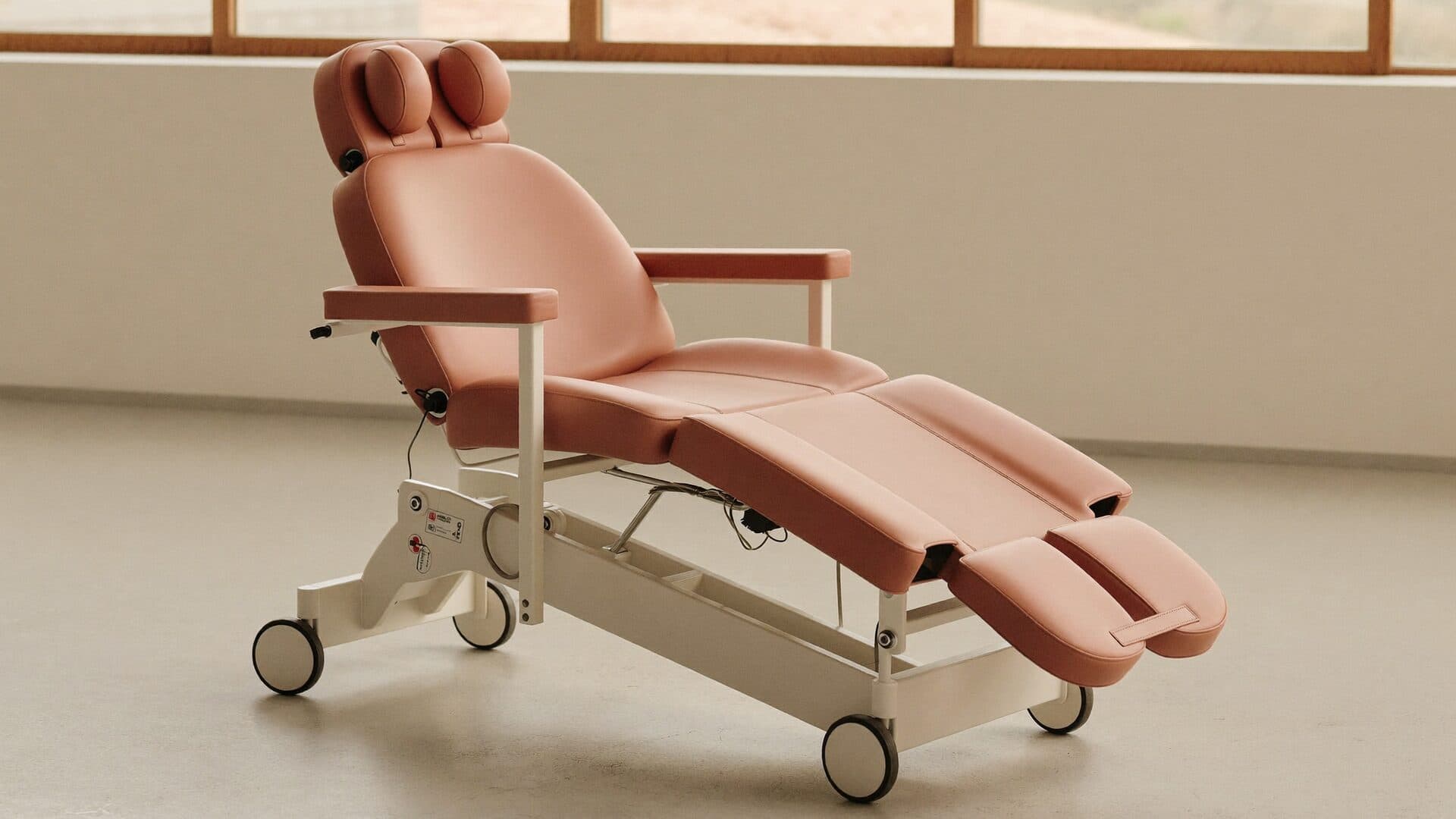
Magnetic pelvic floor stimulation is based on external stimulation of the pelvic floor muscles of the patient sitting in a specially designed chair through the magnetic field created by the device.
The muscles contract and relax involuntarily with this warning, so that the muscle group is operated indirectly. This repetitive contraction-relaxation cycle aims to provide external support for the effect that is being tried to be achieved by regular exercise.
There is no contact with the skin or attempt on the body; the patient sits in the chair clothed throughout the session. Due to this feature, pain is not expected during the application and daily life can be returned immediately after the procedure.
Not requiring anesthesia, needles, or incisions is the main feature that distinguishes the method from some other pelvic floor treatments.
The method allows muscles to be operated by external stimulation in patients who have difficulty in deliberately tightening their pelvic floor muscles or do not fully notice them. Thus, the patient may become better able to distinguish between which muscle group to work.
No device is placed in the body during application and the patient does not need to remove his clothes; This makes the method relatively easy and viable for patients.
The procedure is carried out in a polyclinic setting, with scheduled appointments after the examination.
How to Apply Magnetic pelvic floor Stimulation?
The Session Process
The patient sits clothed in the chair, and the pelvic area settles on top of the part of the device that forms a magnetic field.
The severity of the warning is gradually adjusted to patient comfort; During the session, the patient remains seated and no preparation or recovery is required. During the stimulation, a slight, rhythmic contraction is felt in the pelvic floor muscles; This feeling is usually not found to be uncomfortable.
Session Frequency and Duration
A session usually lasts about half an hour. A single session is not enough for the benefit to be seen; the practice is planned as a series of sessions that span several weeks, to repeat several times a week.
The number and frequency of sessions are determined by the patient's complaint and evaluation; Progress throughout the process can be reviewed occasionally.
Considerations During and After the Application
No special preparation is required prior to the session; The patient sits on the chair in his normal clothes. During or after the procedure, there is no need for incapacity, pain relief, or restriction.
The patient can resume their daily work, working life and normal activities immediately after the session is over. There is no obstacle to driving, working or exercising.
In What Complaints Is Magnetic pelvic floor Stimulation Preferred?

Magnetic pelvic floor stimulation is assessed in some complaints that develop due to the weakness of the pelvic floor muscles. However, it should be remembered that not every patient may experience the same level of benefit and is considered a first-line treatment.
As a result of the evaluation, the physician decides whether it is appropriate to administer the method alone or in conjunction with physiotherapy.
Mild-moderate stress type urinary incontinence
Complaints associated with urge type urinary incontinence
Weakening of overall pelvic floor support
Patients who have difficulty performing Kegel exercises correctly
pelvic floor physiotherapy as a complementary option
Those who wish to review pelvic floor support during the postnatal period
The presence of these complaints does not mean that the method will be applied alone; each patient's history, examination findings, and additional health problems if any, are evaluated separately.
In some cases, magnetic stimulation is recommended, while for some patients a different approach may be seen as more appropriate.
Especially in women who experience a decrease in pelvic floor support during the postpartum period or menopause, this method may be brought up as part of the overall assessment.
Still, depending on the weight of the complaint, treatment options at different steps should be discussed together.
Magnetic pelvic floor Stimulation Is Not Suitable For Whom?
Although its risks are considered limited due to its non-interventional, there are some cases where magnetic pelvic floor stimulation cannot be applied.
This method is not applied in patients with electronic devices such as a metal implant or pacemaker in their body, as the magnetic field can interact with these devices and adversely affect the operation of the devices.
Finding a metal implant in the body
Use of pacemaker or similar electronic device
Pregnancy period
Active bleeding condition
Presence of active infection in the pelvic region
If one of these conditions is involved, the physician may recommend pelvic floor physiotherapy or another treatment approach to the patient.
For a clear determination of eligibility, the patient's medical history and the devices he or she uses are questioned in detail during the examination.
Magnetic pelvic floor Stimulation Risks
Since magnetic pelvic floor stimulation is not invasive, it is generally considered a low-risk practice. Risks that can be seen in invasive procedures such as infection, bleeding or tissue damage are not expected in this method due to the lack of contact with the skin, use of a needle or incision. It is not usual to report any apparent discomfort except the sensation of contraction felt during the session.
However, if eligibility criteria are not met, there may be interactions that can cause serious problems, especially in patients with electronic devices such as metal implants or pacemakers. Therefore, it is important for safety to be clear about these situations before implementation and to avoid the method if there is condensation.
In cases such as pregnancy, active bleeding, or active infection in the pelvic area, the method is delayed or not implemented. What is decisive in terms of security is the complete completion of the detailed assessment prior to implementation. When these criteria are met, it is not usual to report an unexpected side effect after the session.
Comparison of Magnetic pelvic floor Stimulation to Kegel Exercise, pelvic floor Physiotherapy and Surgery
Different methods are evaluated at different steps in pelvic floor complaints. One Samsun urojinecologist The examination performed by it plays an important role in determining which method is best suited to which patient.
The table below summarizes the general characteristics of the methods in comparison. This comparison is prepared so that patients can see the possible options in general and does not replace the treatment decision.
Feature: Magnetic Stimulation; Kegel / Physiotherapy; Surgery
Enterprise level: It's not entrepreneurial; It's not entrepreneurial; Initiative
Application format: By sitting dressed, by device; Exercise, muscle training; In operating room conditions
Patient involvement: Passive, the device warns; Active, regular exercise is required; One-time transaction
Level of evidence: In the development phase; Resident, long-proven; Evidence in certain indications
General place of use: Complementary / alternative start; The first step; Advanced or resistant situations
This comparison presents a general framework; it is primarily determined by the individual-specific assessment of which method to try, often treated as an option that complements magnetic stimulation, kegel, and physiotherapy, rather than excludes it.
Surgical approaches often come up in situations where there is insufficient response to more advanced or other methods.
Kegel exercises and pelvic floor physiotherapy are long-proven methods that provide significant benefit in many patients when administered regularly and correctly.
Therefore, in most assessments, these methods are tried first; magnetic stimulation is evaluated in patients who have difficulty learning exercise or require complementary support.
Surgical options, on the other hand, require a separate evaluation process and are outside the scope of this article.
The Level of Scientific Evidence and Realistic Expectations of Magnetic pelvic floor Stimulation
Studies on the effectiveness of magnetic pelvic floor stimulation are ongoing. The level of evidence is still in development compared to long-administered and accepted methods such as pelvic floor physiotherapy and kegel exercises.
Therefore, the method should be evaluated in light of the available information and this limitation should be clearly explained to the patient when making an election.
Therefore, it should be made clear that the expected benefit from the method may not be the same in each patient. There can be no definite promise of results; The application is presented as an option to mitigate the current complaint, and the results may vary from person to person. Some patients report significant relief, while others may not experience the expected level of change.
Therefore, before the method is preferred, the patient is informed by his or her physician about the aspects of the process in the research phase and the level of realistic expectation. The decision is made together based on the patient's priorities and the severity of the current complaint.
The majority of studies in literature are small-scale research conducted with a limited number of patients; Therefore, studies are ongoing on the extent to which the results are reproducible in larger groups of patients. The decision-making of patients with this information allows them to approach the process from a more realistic perspective.
Magnetic pelvic floor Stimulation Pre-Assessment

A detailed gynecological evaluation is performed before beginning magnetic pelvic floor stimulation.
The type, duration of the complaint, accompanying health problems if any, and methods previously tried are questioned; Conditions such as the use of metal implants or electronic devices in terms of condensation are necessarily reviewed. As a result of this assessment, it is decided together whether the method is suitable for the patient.
Additional examination findings are also taken into consideration if necessary during the evaluation. How it affects the patient's daily life, how long the complaint lasts and what methods have been tried before, is a guide to determining the appropriate treatment plan.
During this consultations, the patient is clearly told how the method will be applied, how many sessions will be recommended and what can be expected during the process.
Answering questions and understanding the limitations of the method are an important part of this assessment before starting treatment. Once the patient understands the process, he or she decides for himself whether to continue treatment.
Continuity of Results and Follow-up Sessions

The permanent strength gained by pelvic floor muscles depends on regular repetition, just as with other muscle strengthening methods.
After the first session sequence is completed, follow-up sessions may be recommended at specific intervals as a reminder; In this way, it is attempted to prevent the benefit from being reduced over time.
The follow-up frequency varies from patient to patient and is usually determined by the response in the initial assessment. In order to maintain the strength gained in some patients, exercises that can be performed at home may also be recommended.
The long-term benefit is associated with following the proposed follow-up plan rather than a single session sequence. It should be remembered that when the patient stops following, the muscle strength gained can decrease over time. Therefore, maintaining follow-up appointments without interruption is important in terms of maintaining the benefit achieved.
Conclusion
Samsun magnetic pelvic floor stimulationIt is an option that can be assessed for patients who want to support their pelvic floor muscles through a non-invasive method and have difficulty performing kegel exercises in particular.
The level of evidence should be considered as still under development, expectations should be kept realistic in this direction.
It becomes clear to whom the method is appropriate, how often it should be applied, and in what cases it should not be applied, but only after a detailed gynecological examination.
Since pelvic floor complaints vary from person to person, determining the optimal approach also requires individual assessment.
It is recommended that patients with a complaint undergo an assessment that clearly describes the process, which makes no definite promise about the outcome, so that they can make a conscious choice.

Original Turkish content prepared and reviewed by
Prof. Dr. Aşkı Ellibeş Kaya
Specialist in Obstetrics and Gynecology
Last updated: 28 August 2026
The content on this page is intended for informational purposes; the diagnosis and treatment decision is made only with your physician after the examination.
Frequently asked questions
No, pain is not expected during the application as it does not require contact or interference with the skin. The patient sits in the chair dressed throughout the session, and the warning intensity is gradually adjusted to comfort. Feeling during the session is a rhythmic sensation of contraction in the pelvic floor muscles; This is usually not found to be disturbing.
Related Services
Other topics under the topic of gynecology.

Start with an appointment
Let us determine the day and approach that best suits you. Your consultations are conducted on a privacy basis.