

Samsun Polycystic Ovary Syndrome (PCOS) Treatment
PCOS; It is a hormonal table that can watch with menstrual irregularity, increased hair growth and ovulation problems. Management is planned according to the person.
Samsun polycystic ovarian syndrome treatmentIt offers personalized assessment, treatment and referral with accurate diagnosis in irregular menstrual and hormone imbalance.
PCOS (polycystic ovary syndrome) is a hormonal disorder common in women of reproductive age. Menstruation disorder can manifest itself with different symptoms, such as acne, excessive hair growth, hair loss, and tendency to gain weight; These symptoms occur in varying severity from person to person and often follow along with insulin resistance.
The treatment approach is shaped according to the patient's complaints and desire for pregnancy; It is not right to mention a single standard practice. Prof. Dr. Aşkı Ellibeş Kaya In the assessment with the person, the process is planned by considering the person's story, goals and overall health status together.
What is polycystic ovary Syndrome (PKOS)?
Polycystic ovarian syndrome (PKOS) is a hormonal table that occurs in women of reproductive age and affects ovulation patterns.
At least two of the three criteria for diagnosis are sought to coexist; This approach is a widely accepted assessment method in clinical practice and prevents diagnosis based on a single finding.
These measures include irregular or small number of ovulations, symptoms due to male hormone excess, and a large number of small follicular appearances in the ovaries on ultrasonography. The combination in which the findings are found and the severity in which they occur play a decisive role in shaping the individual assessment and treatment plan.
This table does not see the same severity in every patient; In some people, symptoms remain mild, while in others, they can affect daily life more prominently. Therefore, the path to follow after diagnosis is determined according to the weight of the findings, the age of the patient and the desire for pregnancy, and is reevaluated over time.
What Are the Symptoms of PCOS?

Symptoms of PCOS can occur in different severity and combination from person to person. In some people, changes in skin and hair may be more pronounced when the menstrual irregularity is in the foreground; Therefore, each patient's own table is evaluated separately. The following list summarizes common symptoms.
Menstruation disorder or inability to see menstruation
Significant increase in acne and skin lubrication
The tendency to over-hair on the face and body
Hair loss or thinning of hair
The tendency to gain weight and difficulty losing weight
Difficulty with long-term pregnancy
Some of the symptoms are noticed over time, while others may attract more sudden attention. The combination of multiple symptoms increases the importance of doing so without delaying the physician to apply for evaluation, and contributes to the early onset of the diagnostic process, thus making appropriate guidance timely.
How to Put PCOS Diagnosis?
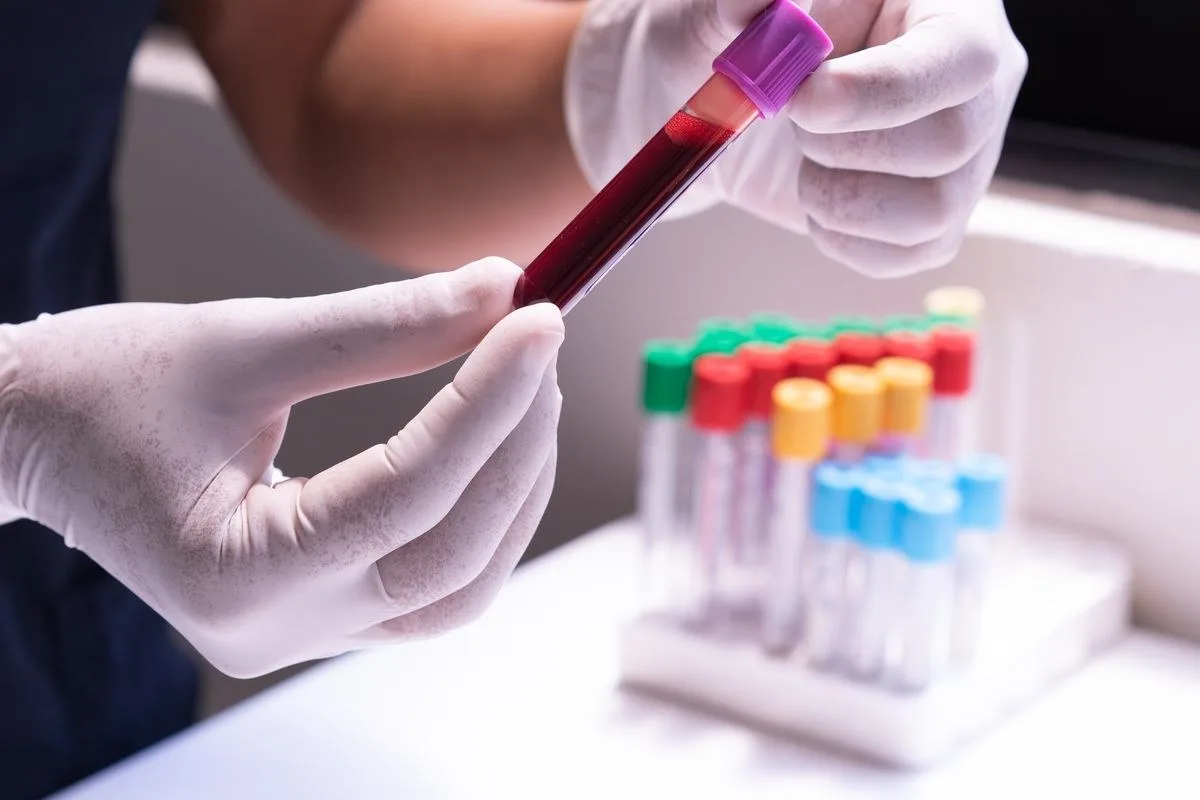
The diagnostic process begins with detailed storytelling and physical examination. Information such as menstrual pattern, weight change, skin findings and family history guide the physician in which direction the assessment should proceed; At this stage, the patient's general health history is also carefully addressed and previous examination results are reviewed if any.
As a complement to the story and examination, the hormone profile is evaluated and the structure of the ovaries is examined by ultrasonography.
Taking these measures together makes it easier to correctly diagnose PCOS and distinguish between thyroid or other hormonal conditions that give similar symptoms; additional examinations may also be included in the process if necessary.
Since some hormonal conditions can give similar symptoms as PCOS, differential diagnosis is an important step in the process. Physician allows the correct treatment method to be determined by distinguishing between additional examinations and similar tables, which he deems necessary; This approach reduces unnecessary anxiety and contributes to the progress of the process in the right direction.
The Relationship Between PCOS and Insulin Resistance

PCOS often watches with insulin resistance. Decreased body sensitivity to insulin can make both hormonal balance and weight management difficult; Over time, this can contribute to menstrual irregularity and metabolic changes becoming more pronounced. This relationship is considered when planning treatment.
Evaluation of insulin resistance can be decisive in shaping the treatment approach. Lifestyle changes are treated as a priority step at this point; When deemed necessary, the physician may also recommend additional support for this process. Regular follow-up can contribute to positive outcomes, both hormonally and metabolically.
Long periods of undetected insulin resistance can affect metabolic balance more over time.
Therefore, early evaluation and support by lifestyle changes when necessary is seen as important for both hormonal and general health; regular blood tests can be a guide in the pursuit of this process.
What are the PCOS Treatment Approaches?

PCOS treatment does not rely on a single method; The goal is determined based on the patient's complaints, insulin resistance status and pregnancy desire. The following titles summarize general approaches to different goals and remind each patient that the method to be applied is planned in a personalized manner.
Hormonal Methods for Menstrual Order and Symptom Control
Hormonal contraceptive methods can be evaluated in order to maintain menstrual pattern in patients who do not want pregnancy and to control symptoms such as acne, excessive hairing.
This approach is planned according to the needs of the person under the supervision of a physician, maintained by regular follow-up and reviewed as needed over time.The patient's overall health status and preferences are also taken into account in the selection of the method.
Lifestyle Changes in Insulin Resistance
Insulin resistance is one of the cornerstones of weight management, regular exercise and balanced nutrition treatment in patients who have been identified.
Additional support may be added to these changes by the physician when deemed necessary; the decision is made in person based on the patient's clinical chart, weight and overall health.
Gaining a habit of regular physical activity
Establishing a balanced and regular diet
Planning weight management as a long-term goal
Paying attention to sleep patterns and stress management
Do not disrupt regular checks with the recommendation of a physician
Ovulation Treatment in Patients Who Want Pregnancy
In patients seeking pregnancy, the treatment target is directed to support ovulation. This process is planned in a person-specific manner under the supervision of a physician, assessing the patient's age, ovarian reserve and accompanying factors; It is carried out with regular follow-up and according to the response obtained, the plan is reviewed when necessary. During the process, the couple's overall health status is also considered.
Which approach will be a priority is determined by evaluating the patient's complaints, laboratory findings and expectations together in the meeting with the physician.
The treatment process is not constant; Based on the response obtained over time, it can be revised and adapted to changes in the patient's life.
Treatment Approaches by Sign
The treatment target varies from person to person, and this difference directly affects the approach to be implemented; The desire for pregnancy, the presence of insulin resistance, and the severity of symptoms are determining factors.
The table below summarizes general approaches and follow-up process for different priorities in comparison, and outlines which method is prioritized in which case.
Destination: The General Approach; Follow
Menstruation and symptom control: Hormonal birth control methods; Regular physician control
Insulin resistance management: Lifestyle changes, medication support if necessary; Weight and metabolic tracking
Pregnancy request: Treatment to support ovulation; Ovulation and pregnancy tracking
Long-term health: Regular control and risk assessment; Annual general assessment
PCOS and Long-Term Health Tracking

PCOS is a table that can affect not only reproductive health, but overall health in the long term. The association with the risk of type 2 diabetes and cardiovascular disease increases the importance of regular follow-up and early evaluation; Therefore, the treatment process should not be limited to only short-term symptoms, but must be addressed along with overall health goals.
Therefore, it is recommended that people diagnosed with PCOS go to physician's check-up at regular intervals, even after passing acute complaints.
Long-term monitoring contributes to early detection of possible metabolic and cardiovascular risks and timely assessment if necessary.
Regular control habit can affect not only the current symptoms, but also the future health condition. Therefore, compliance with the monitoring plan after diagnosis of PCOS is considered an important step in terms of long-term health goals and regular communication with the physician supports the continuity of this process.
Is PCOS the Only Cause of Infertility?
PCOS is one of the common causes of infertility, but it is not the only cause. Ovulation disorder can make the pregnancy process difficult, but when this is assessed together with the appropriate treatment approach it is often treated as an overcomeable obstacle and hope is a table that should not be cut off; Similar symptoms may be due to other causes.
In patients seeking pregnancy, the treatment plan is shaped by steps to support ovulation.
Since the process can vary by person, progress with regular physician follow-up plays an important role in assessing the likelihood of pregnancy and allows balance between the patient's expectations and a realistic plan.
Before starting treatment, the couple's overall health status and other accompanying factors are also assessed. This comprehensive perspective helps to create the plan for the pregnancy process more realistically and tailored to the person; During the process, regular communication with the physician remains important.
Things to Consider When Living with PCOS

Getting a diagnosis of PCOS may require a review of some habits in daily life. Regular diet, physical activity and sleep patterns are among the factors that can positively affect the course of symptoms and are considered an integral part of treatment; These habits can yield more effective results when planned with physician recommendations.
Mental health is also a title that should not be ignored in this process; Long duration of symptoms can occasionally lead to a loss of anxiety or motivation. Open communication with the physician makes the process more manageable and facilitates compliance with treatment.
Do not interfere with regular physician checks
Maintaining eating and physical activity habits
To share with the physician by noting changes in symptoms
Paying attention to sleep patterns
Don't hesitate to get emotional support when needed
The sustainability of these habits benefits more than short-term efforts. Small but regular steps can make a positive difference in managing symptoms over time and improving overall quality of life; Feedback shared with the physician contributes to the more effective progress of this process.
Where is PCOS Treatment Performed in Samsun?

One Samsun Gynaecologist Regular follow-up planning with PCOS ensures continuity in the management of a long-term process such as PCOS. It is possible to get general information about evaluation scope, required examinations and process by contacting before the appointment.
Communication with the office during the appointment process creates a practical starting point for both initial evaluation and subsequent checks. In this way, the process can be planned in accordance with the patient's daily schedule and follow-up appointments can be arranged in advance.
Conclusion
Samsun polycystic ovarian syndrome treatment Having the right knowledge about it is an important step in women's health monitoring. Early detection of symptoms and timely assessment benefit both daily quality of life and long-term health and reduce unnecessary anxiety.
PCOS is a process that can watch differently from person to person, managed by goal. With or without a pregnancy request, regular physician follow-up plays an important role in the control of symptoms and early detection of possible risks; Continuity is the essential element of this administration.
Original Turkish content prepared and reviewed by
Prof. Dr. Aşkı Ellibeş Kaya
Specialist in Obstetrics and Gynecology
Last updated: 28 August 2026
The content on this page is intended for informational purposes; the diagnosis and treatment decision is made only with your physician after the examination.
References
The following sources relate to the informational issues outlined by them. The personal diagnosis and treatment plan requires physician evaluation. Source texts are in English.
NHS
Polyendocrine metabolic ovarian syndrome (PMOS; Previously PCOS) (opens in new tab)Related subject: Menstruation disorder, hairiness and fertility complaints; assessment and lifestyle.
Frequently asked questions
PCOS is a chronic condition but symptoms can be controlled with the appropriate treatment approach. The process varies from person to person; Regular follow-up, ongoing communication with the physician and updating the treatment plan when necessary play an important role in managing symptoms over the long term and support quality of life.
Related Services
Other topics under the topic of gynecology.


Start with an appointment
Let us determine the day and approach that best suits you. Your consultations are conducted on a privacy basis.