
Samsun Adenomyosis Treatment
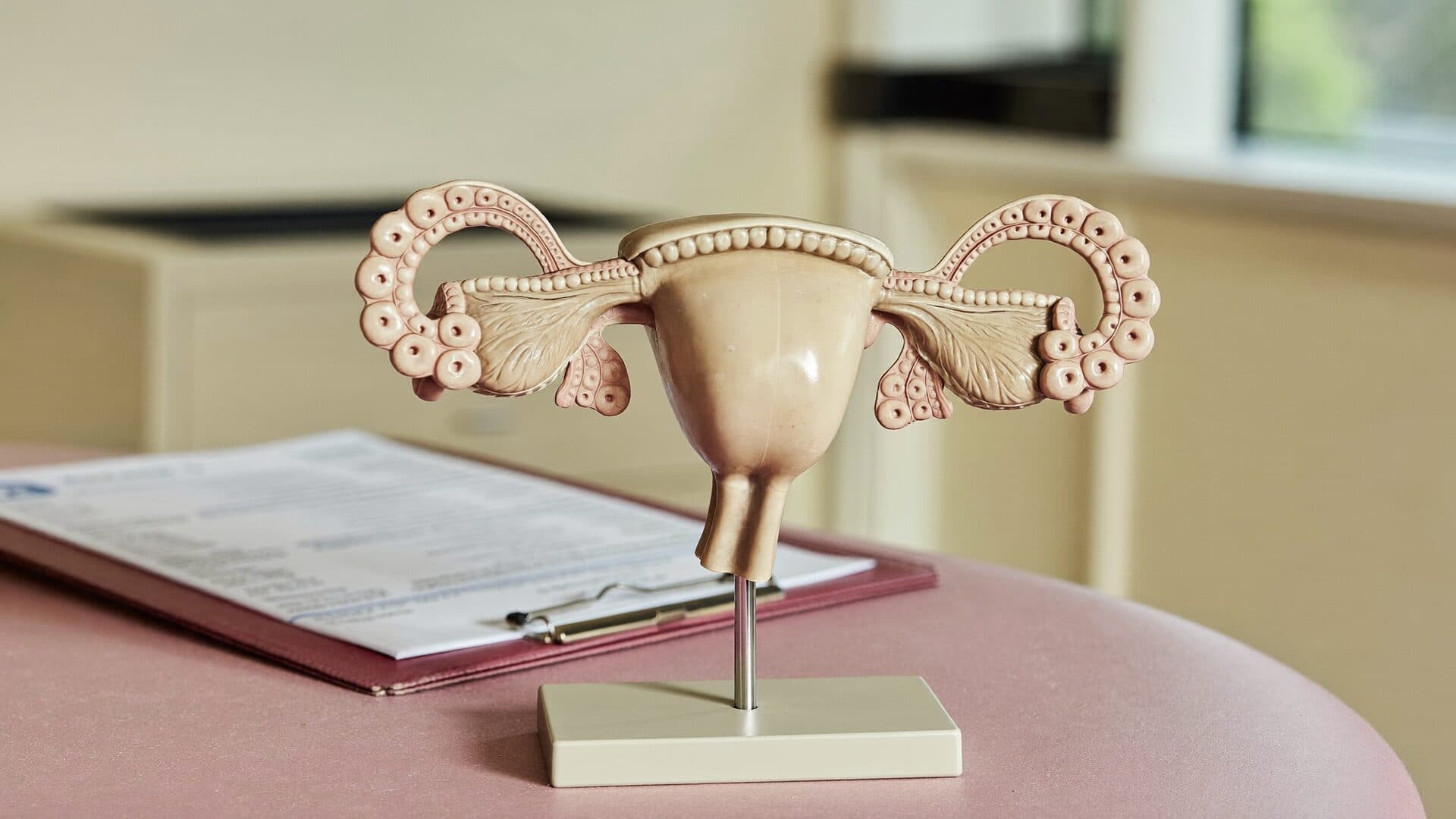
Adenomyosis is the progression of the uterus inner layer into the uterine muscle wall, which can lead to painful and intense menstrual bleeding.
Treatment of Samsun adenomyosisThe process involves an assessment of pain and bleeding caused by tissue that settles on the uterine muscle wall. The process is planned specifically for the patient.
Adenomyosis is a more common gynecologic condition, especially in women approaching their 40s. The volume and thickness of the uterus may increase over time when tissue resembling the inner layer of the uterus settles inside the muscle wall. This change can cause significant complaints in some women, while in others it may remain undetected for a long time. The lack of complaints does not mean that there is no change in the uterus.
Because the nature and severity of the complaints vary from person to person, the diagnosis and treatment plan is also tailored to the patient. In this article, we will discuss what adenomyosis is, the difference from endometriosis, possible causes, diagnostic methods and treatment steps. Prof. Dr. Aşkı Ellibeş Kaya It is handled with approach. The goal is to enable patients to gain a general knowledge of the process.
What is Adenomyosis?
Adenomyosis is a condition in which cells similar to the endometrium tissue that lays the inner surface of the uterus settle into the myometrium, the muscle layer of the uterus. This tissue continues to respond to hormonal stimulation in each menstrual cycle and over time forms small focalities on the uterine wall. Because this process progresses slowly, it is noticed in some patients over the years.
As these focuses increase, the uterus can grow and wall thickness increases. While the growth of the uterus is noticed as a feeling of fullness in the lower abdomen in some patients, it can only occur during imaging without any symptoms in some patients.
Adenomyosis focuses may spread throughout the entire uterine wall, or remain limited in a specific area. The degree of propagation is one of the factors that affects the severity of complaints and the approach to be followed during evaluation.
In some sources, adenomyosis is described by the analogy of intrauterine endometriosis among the public; although this analogy simply explains the source of the tissue, the clinical course of the two conditions and the treatment approach are different. Understanding this difference is important for an accurate evaluation process.
Difference Between Adenomyosis and Endometriosis
Adenomyosis and endometriosis are often confused. Both involve endometrial-like tissue outside its normal location, but the affected sites differ, influencing both symptoms and treatment.
In endometriosis, this tissue is located outside the uterus, in areas such as ovaries or peritoneum, while adenomyosis tissue is directly inside the uterus's own muscle wall. The two conditions can sometimes be seen together in the same patient; therefore, during evaluation, the two are treated separately.
Although imaging methods are a guide to distinguishing between both conditions, in some patients the distinction is clarified only by detailed assessment. Therefore, the patient's history and examination findings with the complaint are interpreted together.
Confusion of two conditions can lead to a misdirection of the treatment plan; That's why differential evaluation is important. In some patients, both adenomyosis and endometriosis findings can be identified together, and the treatment plan is shaped by this holistic table.
In the table below, some of the basic features of the two conditions are compared. This comparison presents a general framework; the exact distinction always becomes clear with patient-specific examination and imaging results.
Feature: Adenomyosis; Endometriosis
Settlement of the touch: The uterine muscle wall (myometrium); Non-uterine areas (eggs, peritoneum)
Common symptom: Severe menstrual bleeding, increased pain; Pelvic pain, menstrual disorder
uterine size: It usually grows, the wall thickens; It usually does not change markedly
Being seen together: It may be accompanied by endometriosis; It may be with adenomyosis
What Are the Symptoms of Adenomyosis?

The symptoms of adenomyosis vary from person to person and in some patients no complaints may occur, while in some patients the complaints gradually increase over the years. The following symptoms are among those frequently expressed:
Severe and prolonged menstrual bleeding
Increased menstrual pain over time (dismenorrhea)
A feeling of fullness or pressure in the pelvic region
Abdominal discomfort that can also be felt outside the menstrual period
Discomfort during sexual intercourse in some patients
Feelings of fatigue due to prolonged menstrual bleeding
The severity of symptoms is not always directly proportional to the prevalence of adenomyosis focuses. While a patient with a limited involvement may have obvious complaints, a patient with more common involvement may not have complaints. Therefore, the presence or absence of the complaint alone is not sufficient for diagnosis.
Long duration of severe menstrual bleeding can also be noticed in some patients in the form of fatigue and energy loss. When such complaints are evaluated with menstrual bleeding, sharing them with the physician is among the recommended information.
How Does Adenomyosis Affect Everyday Life?

Severe and prolonged menstrual bleeding can make it difficult to maintain daily activities in some patients; an additional need for planning may arise due to menstrual periods in work and social life. This is an important measure in deciding when complaints should be evaluated.
Increased menstrual pain over time can affect daily routines, especially in the early days of the menstrual period, and increase the need for rest in some patients. The extent to which pain affects daily life is considered in assessing treatment options.
When the effect of complaints on daily living is shared with the physician, the treatment plan can be more accurately determined in light of this information. Therefore, the detailed transmission of patients' complaints contributes to the correct management of the process.
Why Does Adenomyosis Happen?
The exact cause of adenomyosis is not fully known; there is more than one opinion as to why tissue migration occurs. It is generally noted that it is noticed more frequently in women after 40 years of age and in women who have given birth.
Previous uterine surgery, hormonal factors and structural features of the uterine wall are among the factors considered during assessment. Their presence does not mean that adenomyosis will develop; they are simply taken into account in the assessment.
Adenomyosis can also be noticed in young women who have not given birth; therefore, age or birth history alone is not decisive. Every patient with a complaint must be evaluated within the framework of their own story.
The presence of more than one of these factors together is not indicative of developing adenomyosis alone; It is only among the information that the physician considers in the evaluation process. Definite determinants are the results of examination and imaging. Some factors considered during evaluation can be summarized as follows:
Being over 40
Having given birth before
A history of uterine surgery
Structural properties of the uterine wall
How Is Adenomyosis Diagnosed?

The diagnostic process begins with the rest of the patient's complaints and a gynecological examination. The size and sensitivity of the uterus are assessed in the examination; These findings may be a guide to the decision to direct further imaging.
Transvaginal ultrasound is the first step often used to show thickening and structural changes in the uterine wall. The uterine wall can be examined in more detail with magnetic resonance imaging (MR) when deemed necessary.
The definitive diagnosis is often confirmed by a pathological examination of the tissue sample removed after surgery for another reason. Although imaging findings provide a strong prediction, this is how the definitive diagnosis is made. Therefore, this limitation is also indicated when the imaging results are transferred to the patient.
What Is Assessed in Examination?
In gynecological examination, the size, consistency and sensitivity of the uterus are assessed; A enlarged and soft-sounding uterus may be one of the findings that supports evaluation in terms of adenomyosis. This finding alone does not make a diagnosis, it is interpreted along with imaging.
Adenomyosis Treatment Methods

Treatment for adenomyosis is planned with a step-by-step approach; the first step is to evaluate options to reduce the severity of complaints. The treatment plan is shaped by factors such as the patient's age, severity of symptoms, and desire for pregnancy.
Before starting treatment, the patient's priority is clarified; While it is sufficient for some patients to reduce complaints, for others fertility protection is put in the forefront. This priority is one of the factors that determine which step was first tried.
Painkillers and the First Step Approach
Painkillers may be preferred in the first step to relieve discomfort during menstruation. This approach can provide adequate relief in patients whose complaints are mild to moderate, but it does not eliminate the underlying tissue change. If the complaints continue, it will be evaluated to move to the next step.
Hormonal Treatment Options
Hormonal treatments may offer a more permanent option to reduce the amount of menstrual bleeding and the severity of pain. The hormone intrauterine tool (IUD) is considered a hormonal option that can be particularly effective in reducing severe menstrual bleeding.
Surgical Approach and Retrieval of Rahmin
In patients who do not have a pregnancy wish and whose complaints cannot be controlled by medication, the removal of the uterus (hysterectomy) can be raised as a last step. This decision is taken together with the general health status and preferences of the patient in consideration.
Supporting Approaches
In addition to medication and hormonal treatments, general health habits such as regular sleep, balanced diet, and stress management can contribute to more comfortable management of menstrual-related complaints. These approaches are not substituted for treatment, but assume a complementary role.
Treatment Approach in Patients with Fertility Demand
In patients with gestational desire, the treatment plan is arranged in such a way that it maintains fertility while controlling complaints. The options that protect the uterus are considered as priority in these patients.
The balance between symptom control and fertility protection is planned separately, taking into account each patient's age, uterine structure and overall health status. Therefore, the treatment decision is shaped as a result of individual evaluation. Even in two patients with the same complaint, the treatment plan may be dissociated due to these differences.
In patients with gestational desire and adenomyosis complaints, a plan is created in cooperation with evaluations in the field of reproductive health when deemed necessary so that both complaints and the pregnancy target are observed together.
Before starting treatment in this patient group, the structure of the uterus and the prevalence of involvement are evaluated in detail. According to the evaluation result, monitoring is determined which is most appropriate for the patient among the options of drug therapy or a limited surgical approach.
Examination and Appointment Process in Samsun
Evaluation for patients applying with adenomyosis complaints in Samsun begins with detailed anamnesis and gynecological examination. The duration of complaints, menstrual pattern and previous diagnostic-treatment history are recorded in this consultations.
If any, having the results of an ultrasound or MRI taken earlier brought to the examination may contribute to the evaluation process. Notes on the menstrual calendar also help clarify information to be shared with the physician.
In the first meeting, the patient's general health status, if any, chronic diseases and the medications he or she uses are also included in the assessment. This information is taken into account in determining the treatment options to be proposed.
A process of consultations where the patient can share their questions with the physician is also an element that supports compliance with treatment. For an assessment of his complaints Samsun Gynaecologist Patients who wish to meet with may apply.
Post-treatment Process and Follow-up
Depending on the treatment method applied, follow-up frequency and duration may vary. In patients undergoing hormonal treatment, change in complaints is monitored by a control examination at certain intervals.
In patients with a surgical approach, the follow-up of the recovery process is also important. It is recommended that the evaluation be renewed if the complaints repeat or new findings arise.
In the follow-up process, a patient's menstrual bleeding and pain level change is noted, creating a useful reference in their control examinations. This information contributes to the evaluation of the effectiveness of treatment.
The effect of options such as hormone-induced spiraling usually becomes apparent within several menstrual cycles; Therefore, the initial inspection is planned according to this time. If the expected change does not take place, the treatment plan will be revised.
Conclusion
Treatment of Samsun adenomyosis When planning, the nature of the patient's complaints, the structural condition of the uterus, and the pregnancy request are evaluated together. This holistic approach aims both to control complaints and to plan a suitable treatment process for the patient.
Early assessment when symptoms of adenomyosis are noticed allows treatment options to be offered in a wider range. Patients with complaints are advised to consult a specialist without neglecting the gynecological examination; In this way, the process can be planned to suit the patient's needs. Regular control allows monitoring of both the course of complaints and response to treatment.

Original Turkish content prepared and reviewed by
Prof. Dr. Aşkı Ellibeş Kaya
Specialist in Obstetrics and Gynecology
Last updated: 28 August 2026
The content on this page is intended for informational purposes; the diagnosis and treatment decision is made only with your physician after the examination.
References
The following sources relate to the informational issues outlined by them. The personal diagnosis and treatment plan requires physician evaluation. Source texts are in English.
NHS
Adenomyosis (opens in new tab)Related subject: Symptoms of adenomyosis, evaluation by ultrasound and MR.
Frequently asked questions
Adenomyosis is a benign condition that does not increase the risk of cancer. However, when left untreated, heavy bleeding and increased pain can negatively affect quality of life, so evaluation in the presence of complaints is recommended. Continuing loss of bleeding for long periods of time can also affect overall health.
Related Services
Other topics under the topic of gynecology.




Start with an appointment
Let us determine the day and approach that best suits you. Your consultations are conducted on a privacy basis.