

Samsun Bartholin Cyst Treatment
Bartholin gland is cyst caused by blockage of the canal, which may not cause a complaint, but can lead to a painful picture when inflamed.
Treatment of Samsun bartholin cyst This swelling is common in women who are looking for it, and is often controlled by simple methods. Early evaluation is important.
Bartholin glands are small glands located on both sides of the vagina entrance that produce lubricant secretion during intercourse. When the duct of these glands is blocked for any reason, the secretion builds up in the gland and over time a soft, round cyst forms. If the cyst is small, it can often be seen unnoticed.
Prof. Dr. Aşkı Ellibeş Kaya The examination by the body determines the appropriate approach by assessing the size of the cyst, the degree of complaint and whether there is evidence of infection. This article discusses the causes of bartholin cysts, from treatment options, to frequently asked questions from the recovery process.
What Is a Bartholin Cyst?
The bartholin cyst is a fluid-filled sac formed by the blockage of the canal of the bartholin glands located on the right and left side of the vagina entrance.
The gland normally drains its secretion out of a small duct; when the channel is blocked, the secretion builds back up and over time becomes a distinct swelling. Cysts are usually seen on one side, and their size can range from a pea grain to a few centimeters.
Bartholin cyst is one of the most common gynecologic conditions in women of reproductive age and does not necessarily have to be an indicator of disease.
Most women never encounter this swelling in their daily life; In some cases, the cyst becomes noticeable by growing over time. Regular gynecological controls are useful in terms of assessment, as the course of cyst may vary from person to person.
The cyst's name comes from the researcher who first identified the glands, and these glands are only found in women. Since they are located in the lower region of the vulva, right next to the vaginal entrance, daily hygiene and clothing habits can also affect regional discomfort from time to time. Therefore, note when and how the swelling is noticed is a useful information to be passed on to the physician in the examination.
The Bartholin Gland and How Cysts Develop
The task of the Bartholin glands is to produce secretions that will lubricate tissue during intercourse, which can cause thickened secretions, minor traumas, or local infections to the blockage of the canal.
When the canal closes, the fluid inside the gland does not drain and the cyst grows with increased pressure. If the cyst is infected, bacteria multiply, inflammation develops, and the table can become an abscess.
Factors involved in the blockage of the canal include regional irritation, tight clothing, hygiene habits, and some bacterial factors; But in most cases, a clear cause cannot be identified. Once the cyst has formed, there may be a tendency to develop swelling again in the same area, so it is recommended that women who have experienced bartholin cysts in the past are evaluated without wasting time when they notice a new swelling.
Bartholin glands are too small to be felt by hand under normal conditions; therefore, the gland only becomes noticeable when the channel is blocked and the secretion builds up in it.
This mechanism also explains why cyst usually appears in a single gland and on one side; it is quite rare for glands on both sides to clog at the same time.
Symptoms of a Bartholin Cyst

Small cysts usually do not generate complaints and are noticed by chance during the examination. As the cyst grows, a feeling of fullness in the vulva can occur, with slight discomfort as you walk or sit.
The swelling is usually round, soft and on one side; The skin color on it is often normal.
The vulva is round, soft and usually swollen on one side.
Discomfort during sitting, walking or sexual intercourse
Increased feeling of fullness as the cyst grows
Significant pain, redness, and increased heat if infection develops
The severity of the symptoms varies depending on the size of the cyst and whether there is an infection. In some women, the cyst remains the same size for weeks, while in others it can grow markedly within a few days.
It is important that the evaluation is not delayed if the swelling is rapidly growing, increased pain or accompanied by fever.
The Difference Between a Bartholin Cyst and an Abscess
A simple bartholin cyst is not infected, and often does not cause any apparent pain. When the cyst becomes infected and becomes abscess, the picture changes rapidly; it can be accompanied by significant pain, redness, increased heat, and sometimes mild fever in the area.
Walking or sitting in abscess developing phenomena can become quite difficult, so evaluation should not be delayed at this stage.
The abscess transformation usually develops rapidly within a few days; The swelling grows markedly, the tenderness increases by touching, and in some women it can be accompanied by a feeling of weakness. When these findings are noticed, being examined rather than waiting by home methods both accelerates relief and prevents possible complications.
As the waiting time increases in an abscess developing cyst, discomfort usually increases and it becomes difficult to maintain daily activities. Therefore, it is important to distinguish between a simple cyst and a cyst that has become an abscess, with the right step being taken at the right time; It is a safe approach to be examined when it remains uncertain.
How Is a Bartholin Cyst Diagnosed?

The diagnosis is largely performed by a gynecological examination; The physician assesses the location, size and whether there is evidence of infection. In most cases, an imaging method is also not needed.
When an emerging bartholin mass is seen over the age of forty, evaluation can be done in a little more detail in order to exclude a rare gland tumor; This is a common measure, and even in this age group the result is mostly benign.
During the examination, the physician also assesses the consistency, mobility of the swelling and its relationship to surrounding tissues. Additional examinations may be requested when deemed necessary; However, this is usually limited to exceptional circumstances.
As a result of the assessment, it becomes clear whether the cyst should be monitored or if a process should be implemented.
It may be useful to note briefly when the swelling was noticed before the examination, whether there was a change in its size and accompanying complaints. This information helps the physician assess the course of the cyst and determine the optimal approach.
Treatment Options for a Bartholin Cyst
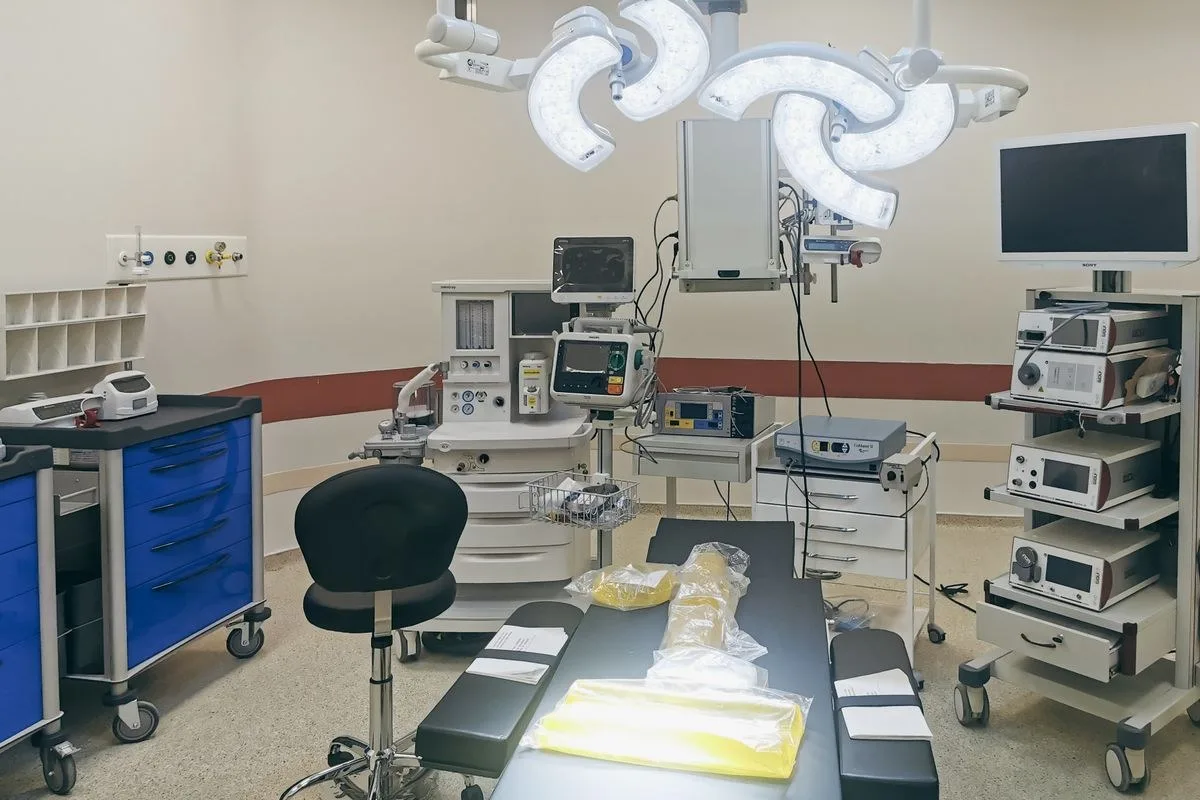
The treatment approach is determined stepwise based on the size of the cyst, the degree of the complaint, and whether there is an infection.
While monitoring may be sufficient in small and non-complaint cysts, drainage is required in cases that develop abscesses. In recurrent cysts, methods that seek a permanent solution are evaluated.
Watching and Warm Sitting Bath
In small, non-complaint cysts, viewing may be preferred without any attempt.
Taking a sitting bath in warm water several times a day can support relaxation in the area and help self-empt some small cysts. Reassembling is recommended if the complaint increases or swelling grows.
Keeping the area clean and avoiding tight clothing during the monitoring process can also contribute to relaxation. If a change in the size or consistency of the cyst is noticed during this period, sharing this change with the physician at the next examination will help determine the correct approach.
In some women, small cysts remain stable for weeks or months and no attempts are required. However, it should be remembered that the follow-up decision is not permanent; the approach must be revised when changes such as growth in swelling, pain or redness occur.
Drainage
When the cyst is infected and becomes an abscess, the accumulated fluid needs to be drained. The drainage process can usually be performed under local anesthesia, in practice conditions.
After the procedure, the sensation of pain and tension decreases markedly in a short time; It may take a few days for the area to fully heal.
Continuing the hot sitting bath with the damp cloth in the area after drainage can delay the canal's re-closing and support recovery.
In some cases, a small channel can be inserted to allow the outbreak to ejaculate for a certain period of time; the physician decides whether this approach is necessary.
Drainage is a method that rapidly reduces the pressure and pain generated by the abscess; however, it may close again over time in some cases as the canal itself is not left open, which explains why it is directed to a more permanent method in recurrent cysts.
Marsupialization
In recurrent bartholin cysts, the method of marsupialization is evaluated, which aims to keep the duct of the gland permanently open. In this approach, part of the cyst wall is opened up, allowing the outbreak to ejaculate freely and reducing the risk of recurrence. In rare cases, the cyst wall may need to be removed completely; The procedure is usually performed with local anesthesia, while general anesthesia is applied in a limited number of cases.
Marsupialization is preferred in particularly frequent recurrent cases, as it aims to keep the duct of the gland permanently open, unlike a single drainage. In the post-processing period, regular hot sitting baths and the physician's recommended checks support the channel to remain open and the recovery progressed smoothly.
Mild swelling and tenderness in the post-processing area may take several days; This is a normal part of the healing process. The control examination assesses whether the channel remains open, and if necessary, additional recommendations are shared.
Comparison of Treatment Methods
The following table compares the three approaches commonly used in the treatment of bartholin cyst to their general outline, which method is appropriate is determined by the physician according to examination findings.
Method: When to Apply; Anesthesia ; Recovery Process
Watch: In small, non-complaining cysts; Not necessary; It is followed by a hot sitting bath
Drainage: In abscess developing, painful cysts; Local anesthesia; Significant relief is expected within a few days
Marsupialization: In repeated cases; Local anesthesia, rarely general; Reducing recurrence by creating a permanent channel
Post-processing Maintenance and Recovery Process

Keeping the area clean and dry after drainage or marsupialization promotes healing. Hot sitting baths can also provide relief during the post-processing period.
Avoiding severe physical activity and sexual intercourse during the time recommended by the physician helps to complete the healing process smoothly.
Keeping the area clean and dry
Regularly applying recommended hot sitting baths
If pain or redness increases, asking for evaluation without wasting time
Avoiding heavy activity during the time indicated by the physician
The healing process is usually completed between a few days and a few weeks; This period may vary depending on the method applied and the general health status of the person. Check-ups are valuable in confirming the area is healing as expected and spotting a possible recurrence early.
In the recovery process, choosing comfortable-cut underwear instead of clothes that fit tight in the area and preventing it from staying moist can reduce irritation. If any unusual findings are noticed by the control appointment, it is recommended to contact the physician without waiting for an appointment.
Approach in Repeating Bartholin Cysts

In some women, the bartholin cyst may recur after drainage. More permanent options such as marsupialization or removal of the cyst wall are raised in frequent recurrent cases. Re- and careful evaluation of recurrent swellings each time is important for determining the correct approach.
As the frequency of recurrence increases, the physician may suggest a more comprehensive method, taking into account the outcome of previous procedures and the cyst's settlement. In this process, the quality of life of the woman and the severity of her complaints play a decisive role in the treatment decision.
When a bartholin repeats the cyst, it should be known that this does not necessarily indicate a more serious problem, such repetitions can be seen due to the structure of the glands. Nevertheless, evaluation of permanent methods in frequent recurrent cases reduces both complaints and the frequency of repeated application.
When Should You Apply to an Expert?

A newly noticed swelling in the vulva, a growing cyst or infection findings such as pain, redness and heat increase should be asked for assessment without delay. One Samsun Gynaecologist The examination performed by the physician clears the size of the cyst and its infection status, allowing the proper treatment step to be determined. This assessment is particularly important in the emerging masses over the age of forty.
The rapid growth of swelling within a few days, accompanied by general findings such as increased sensitivity to touch, fever or fatigue are also among the situations in which evaluation should be considered. Instead of waiting in a suspicious situation, being examined both accelerates relaxation and facilitates the determination of the correct treatment step.
The same principles apply to women who have experienced bartholin cysts before and now notice a similar swelling. Sharing with the physician what method has been applied in the past contributes to the faster assessment of the current situation.
Conclusion
Treatment of Samsun bartholin cyst A cyst that is noticed early on and evaluated correctly can often be easily managed by simple methods. While monitoring may be sufficient in small cysts that do not form complaints, options such as drainage or marsupialization are activated in cases that develop abscess or recur.
Not delaying the examination in the event of any swelling or discomfort noticed in the vulva positively affects both the daily comfort and the healing process. Gynecological examination for personal evaluation remains an important step.
The step-by-step approach from monitoring to drainage, when necessary, to marsupialization, makes it possible for each woman to be evaluated with a solution that is appropriate to the cyst size and complaint. For curious points, contacting the practice provides clarity on how the process will proceed.

Original Turkish content prepared and reviewed by
Prof. Dr. Aşkı Ellibeş Kaya
Specialist in Obstetrics and Gynecology
Last updated: 28 August 2026
The content on this page is intended for informational purposes; the diagnosis and treatment decision is made only with your physician after the examination.
References
The following sources relate to the informational issues outlined by them. The personal diagnosis and treatment plan requires physician evaluation. Source texts are in English.
NHS
Bartholin 's cyst (opens in new tab)Related subject: Bartholin cyst and symptoms of abscess; complaints requiring evaluation.
The information on this page is for general informational purposes only and does not replace medical advice, diagnosis or treatment. Each patient's condition is different; the method and process to be applied is determined only by the physician after examination and evaluation.
Frequently asked questions
Small and non-complaining cysts may spontaneously shrink after a while. However, it is recommended that evaluation be done instead of waiting on growing, aching or inflamed cysts.
Related Services
Other topics under the topic of gynecology.


Start with an appointment
Let us determine the day and approach that best suits you. Your consultations are conducted on a privacy basis.