
Samsun Vaginoplasty (Vaginal Tightening)
Vaginoplasty (vaginal narrowing) is an operation aimed at surgically recovering vaginal abundance caused by births and age; The decision is made together in the examination.
Samsun VaginoplastyIt is a surgical narrowing of the vaginal canal and pelvic floor muscles, most often brought up in postpartum laxity complaints.
There are two tables in this title that need to be separated from the beginning. Organ sagging, i.e. prolapse, with a feeling of looseness due to decreased postnatal muscle and tissue support. If there is a shake, it is not an aesthetic narrowing that needs to be done, but a medical repair, and the planning changes accordingly.
The second distinction is just as important: surgery is not first-line treatment. pelvic floor exercises and pelvic floor physiotherapy are tried first in most patients. Samsun Atakum Hospital Prof. Dr. Aşkı Ellibeş Kaya, evaluates applications by looking at this ranking.
What is Vaginoplasty?
Vaginoplasty is a procedure in which the diameter of the vagina canal is surgically reduced and weakened pelvic floor muscles are re-committed. It is not just the removal of excess mucosa; The main determinant is the repair of the muscle layer at appropriate tension. Therefore, the process should be considered a structural repair rather than a superficial correction.
The back wall of the canal is the most difficult area during childbirth. Stretches muscle fibers and connective tissue during the baby's transition; In most women, this stretch recovers over time, while in some parts the tissue does not return to its former support. The feeling of looseness is often caused by a decrease in support in this area.
Why Does Vaginal Looseness Develop?
The most common cause is vaginal births. The excess number of births, the large size of the baby, the long duration of the second stage of childbirth and the use of forceps or vacuum increases the load on the pelvic floor. The quality of repair of the tears that occur during childbirth also affects the condition of support tissue in subsequent years.
Factors other than childbirth also contribute to the painting. With age, decreased tissue flexibility, withdrawal of estrogen support in menopause, chronic constipation, constant heavy lifting, and prolonged coughing wears out the pelvic floor by increasing abdominal pressure. The hereditary structure of connective tissue also makes a difference from person to person.
Part of these factors can be changed. The regulation of constipation, weight control, treatment of the problem that leads to coughing, and the habit of removing it correctly both slows the progression of the complaint and contributes to the preservation of the outcome if surgery is to be performed. Therefore, the plan is not limited to the operating room alone.
Repairing the Sarkma (Prolapse) with Vaginoplasty is Not the Same Thing
Prolapse is the displacement of the pelvic organs from their normal position downwards. It can occur in the form of the bladder being blown to the front wall, the last part of the large intestine towards the back wall, or the uterus going down. This table is a medical problem beyond the feeling of looseness and requires a treatment plan on its own.
Symptoms that suggest a shake are obvious: constant feeling of pressure or fullness in the area, noticeable tissue coming out, failure to fully empty the urine or intestine, increased weight towards the end of the day. If these findings exist, the priority is not an aesthetic narrowing.
The mixing of these two paintings leads to a wrong process. Just narrowing the canal, does not put a dangling organ back in place; the complaint is soon returned and a second surgery is brought up. Therefore, the evaluation of prolapse is not skipped in the examination and if necessary, the repair plan is set up accordingly.
Who Is Vaginoplasty Suitable For?

The procedure is assessed for adult women who have a pronounced laxity complaint after childbirth, which affects daily life or sexual life. The duration of the symptoms is determining to what extent it matches the severity and examination finding. Without examination findings, surgery is not the right answer in requests based solely on anxiety.
The completion of the birth plan is one of the conditions sought. After the procedure, vaginal birth re-forces repaired muscle support and can largely eliminate the resulting outcome. Therefore, waiting is recommended in patients with child desire; the option of physiotherapy is discussed during the intermediate period.
Another condition is that the expectation is realistic. Vaginoplasty is an attempt to increase channel support; it is not the only factor that determines the satisfaction taken from the relationship. Surgery alone does not provide the expected change if the problem in the relationship is caused by compliance, pain or hormonal reasons.
Situations where the process is delayed or not appropriate
Pregnancy, active genital infection, period of menstrual bleeding and uncontrolled bleeding disorder require a delay in the procedure. Uncontrolled diabetes is regulated first because it impairs wound healing. Since smoking reduces tissue bleeding, it is desirable to leave it before and after the procedure, or to significantly reduce it.
In patients who have pain during intercourse or have difficulty with entry due to muscle contraction, narrowing the canal can aggravate the complaint. This table first explores the cause of the pain. Likewise, if there is a deep discomfort with body perception, a mental support assessment is recommended prior to surgery.
First Step: pelvic floor Exercises and Physiotherapy
The first option in looseness complaint is not surgery. Exercises that run pelvic floor muscles can provide significant relief by strengthening support tissue at mild and moderate levels of convergence. This approach is risk-free, low in cost, and does not adversely affect the subsequent surgical plan even if no results are obtained.
The fact that exercise works depends on the correct muscle being exercised. When a significant part of women is described, it cascades their abdominal or hip muscles; in this case, working for weeks does not produce results. pelvic floor physiotherapy comes into play at this point and teaches them the right muscle use.
The physiotherapy program includes running the muscle in a personalized setting, regulating daily living habits, and supporting it with feedback methods if necessary. A regular study of several months is required to evaluate the response; Moving to surgery before this time is up is an early decision in most patients.
The location of physiotherapy also lasts after surgery.The strength of the repaired muscles is closely related to the patient's ability to maintain exercise in a regular fashion. Therefore, surgery and physiotherapy are not considered as alternatives to each other, but as two approaches that often complement each other.
Pre-examination and Pre-Process Preparation

Preparation begins with a detailed consultations. When the symptoms begins, the birth history, whether there is a rupture or interference at births, whether urinary incontinence and intestinal complaints are found, is questioned individually. This information is necessary to understand whether the problem is only looseness.
The examination assesses the width of the canal, the condition of the back and front wall, the support of the perineum area, and the contraction strength of the pelvic floor muscles. Search for the sagging finding; if the grade is recorded. This assessment determines whether the scope of the process will be limited to an aesthetic narrowing or whether it will include repair.
Routine blood tests are requested prior to the procedure. If the cervix scan is not current, it is recommended to complete it, if there is active infection it is treated first. This should be reported if using blood thinner medication; It is decided whether the drug should be given intermittently, by meeting with the physician who prescribed the drug.
The optimal period for timing is the first week when menstrual bleeding ends. Thus, the first and most critical days of recovery pass without bleeding. Establishing a pattern where you can rest at home for a few days before the procedure, having comfortable clothes and pads makes the process significantly easier.
How is Vaginoplasty Performed?
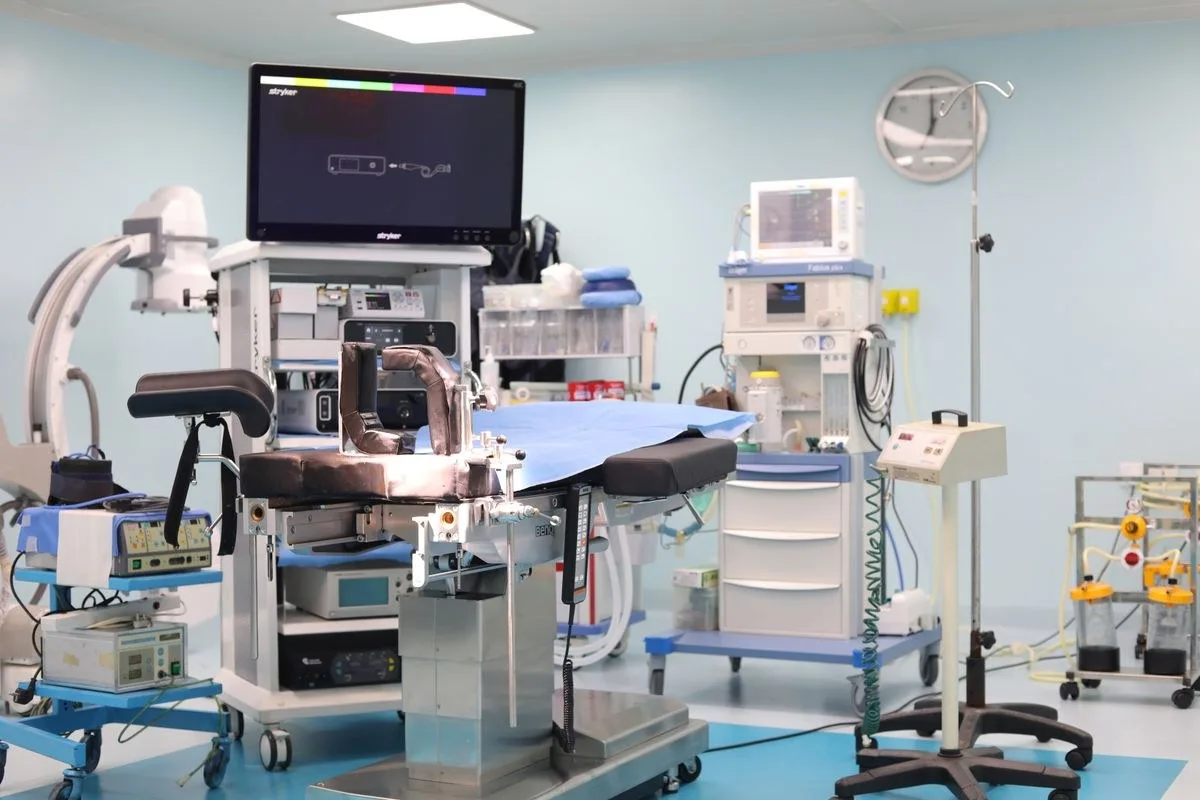
The procedure is performed at the gynecological table and in sterile conditions. The area to be narrowed is planned according to the assessment performed before the patient is placed under anesthesia. The goal is not to shrink the channel as much as possible, but to restore the support tissue to a functional tension; The correct determination of the measure is the most critical stage of the result.
Anesthesia and Hospital Stay
The practice is performed under general anesthesia or spinal anesthesia. The patient's overall health status, scope of the procedure and an anesthesiologist's assessment decide together which method to choose. Local anesthesia is usually not enough for this procedure, as work on the muscle layer is required.
A short-term hospitalization may be required following the procedure. In most patients, overnight observation is sufficient; This time is used to control pain, monitor whether there is bleeding, and see that urinary discharge is provided comfortably. Your physician makes the decision to discharge.
Surgical Steps and Stitches
In the first step of the surgery, excess mucosal boundaries are determined on the posterior wall. Then muscle and connective tissue under the mucosa layer is reached. At birth, the pelvic floor muscles, which have diverged from each other, are brought back to the middle line; the actual effect of the procedure on the feeling of looseness is formed at this stage.
Once muscle repair is complete, the excess mucosa is removed in moderation and the incision line is closed in layers. The stitches used are self-melting, they do not need to be dismantled. Repair may be added in the same session if there is also a marked weakness in the perineum; This decision is based on the finding of an examination.
Non-surgical Methods and Comparison
In recent years, energy-based practices have come up frequently in the vaginal slack head. These methods aim to stimulate the collagen response by giving the tissue controlled heat. They do not change the anatomical structure of the canal like surgery; The effects remain at the level of mucosal quality and tissue tone.
Therefore, it is necessary to establish the expectation correctly. Energy-based applications may be an option in patients with mild complaints, who do not want surgery or are not eligible for surgery. In the case of significant loss of muscle support, it is not right to say that these methods replace surgery.
Applications of Vaginal Laser and Radiofrequency
In vaginal laser application, light energy is given to the mucosa in a controlled form. In radiofrequency, heat is delivered to deeper layers by radio waves. In both methods, more than one session is planned, the procedure is performed from the foot, and usually no anesthesia is required. Return to daily life is possible on the same day.
The effect of these practices is not permanent; as the tissue response decreases over time, it reoccurs at certain intervals. Also, their use in menopausal dryness complaints does not mean that they are equally effective for looseness. The decision is made based on the finding of an examination.
Measure: Surgical vaginoplasty; Vaginal laser; Vaginal radiofrequency; pelvic floor physiotherapy
Domain: Channel diameter and muscle support; The quality of the mukosa; Mucosa and its lower tissue tone; Muscle strength and control
Invasiveness: Surgical intervention; Non-initiative; Non-initiative; No initiative
Anesthesia: General or spinal; Usually not required; Usually not required; Not necessary
Recovery: Period measured by weeks; Daily life on the same day; Daily life on the same day; No rest required
Permanence: Long-term; Temporary, requires repetition; Temporary, requires repetition; As it is maintained regularly
The situation where it is appropriate: Significant looseness and loss of muscle support; Mild symptoms, mucosal dryness; Mild and moderate loss of tone; First step at each level
Recovery Process and Aftercare

In the first days, a feeling of pain, fullness and pressure is expected in the area. These complaints are controlled with pain relievers recommended by your physician, and usually decrease markedly within a few days. Bleeding in the mild staining style is also considered usual during this period.
Sitting for the first week can be uncomfortable. Not staying in the same position for long periods of time, using a soft pillow and taking short walks during the day provide comfort during this period. Full bed rest is not recommended; Inactivity is not suitable for circulation.
Avoiding constipation is especially important in this process. Pushing creates direct pressure on the fresh sewing line. Drinking plenty of water, eating fiber, and using the stool softener your physician recommends if necessary can help you to have the first weeks of recovery without problems.
For return to sexual intercourse, it is usually expected for a period of six to eight weeks, during which the suture line is solidified and tissue healing is completed. By looking at the findings in the control examination, your physician determines the exact time; early return increases the risk of bleeding and sutures.
Do not lift heavily in the first weeks and avoid pushing
Clean the area with warm water, without scrubbing and dry with soft towel
Do not use tampons, prefer pads
Stay away from the pool, sea, tub and sauna
Wear loose cotton underwear and avoid tight clothing
If you smoke, take a break during the recovery period.
Do not engage in sexual intercourse until the time specified by your physician has expired.
Do not interrupt your control appointments and the recommended exercise program
Vaginoplasty Risks and Possible Problems
Vaginoplasty is a procedure that is considered safe when planned with the correct indication. Still, it is a surgical undertaking and prior knowledge of possible problems is a prerequisite for conscious decision making. This information is shared not to deter, but to place expectation on a realistic basis.
Bleeding and infection can occur early on. It is also possible to open a section of the suture line; While limited openings often resolve spontaneously, a second repair may be required for wide openings. If there is fever, foul-smelling discharge, increased pain or non-stop bleeding, the physician should be consulted without waiting.
The problem that is most talked about in the late period is excessive narrowing. Excessive narrowing of the canal leads to pain during intercourse, which directly impairs the quality of life of the patient. Correction is more difficult than the first procedure; therefore, it is the basic principle to act moderately in surgery.
Scar tissue hardening, transient sensory change around the incision line, and tenderness in the tissue can also be reported. Sensory changes often lag within months. The general risks associated with anesthesia and surgical-specific risks such as clot development in the leg vessels are also discussed in the preoperative consultations.
Continuity of Results and Birth Plan
Surgically provided support gives a long-term result. However, the pelvic floor is a structure that continues to be strained throughout life. Age progression, menopause, significant weight gain, chronic constipation and continuous heavy lifting can lead to a re-decrease in support over the years.
The most effecting factor is the subsequent vaginal birth. The reconstructed muscle structure is re-forced during childbirth, and the gain gained can be largely lost. Therefore, the procedure is not recommended until the birth plan is completed; In patients considering pregnancy, the option of physiotherapy is put forward by delaying the plan.
Conclusion
Samsun VaginoplastyIn the apparent laxity complaint that develops after childbirth, however, every contraction does not require surgery; exercise and physiotherapy are the first steps that should be tried in most patients.
Before deciding, prolapse should have been assessed, your plans for childbirth completed and your expectations discussed realistically. If your symptoms affect daily life, an assessment may be helpful. Our practice is open on weekdays from 09.00 to 19.00 and at weekends from 10.00 to 16.00.

Original Turkish content prepared and reviewed by
Prof. Dr. Aşkı Ellibeş Kaya
Specialist in Obstetrics and Gynecology
Last updated: 28 August 2026
The content on this page is intended for informational purposes; the diagnosis and treatment decision is made only with your physician after the examination.
The information on this page is for general informational purposes only and does not replace medical advice, diagnosis or treatment. Each patient's condition is different; the method and process to be applied is determined only by the physician after examination and evaluation.
Frequently asked questions
No, pain is not felt during the procedure; The practice is performed under general or spinal anesthesia. Then in the first days, there may be pain, fullness, and a feeling of pressure. These complaints are checked with pain relievers recommended by your physician and are noticeably reduced over the days.
Related Services
Other topics under the title Genital Aesthetics.

Start with an appointment
Let us determine the day and approach that best suits you. Your consultations are conducted on a privacy basis.