

Samsun Hymenoplasty (Hymen Repair)
Hymenoplasty (hymen membrane repair) is surgical repair of the hymen tissue. Method selection and timing are planned together at the examination in full secrecy.
Samsun hymen planting, is the surgical repair process of the himen tissue. It is completed under local anesthesia, in a short time under the conditions of the practice.
The decision is entirely up to the person, and the procedure is performed in secrecy by the obstetrician. This issue is a heavy topic of misinformation, as it is discussed more socially than medically. However, the only thing that is necessary for the patient is the correct information: what the process does, what it cannot do, and what kind of process it is.
In this article, the subject is told as it is without trial. Samsun Atakum's office accepts patients Prof. Dr. Aşkı Ellibeş KayaThe patient evaluates applications with an approach that prioritises patient privacy and leaves the decision to the patient himself.
What is a hymenoplasty?
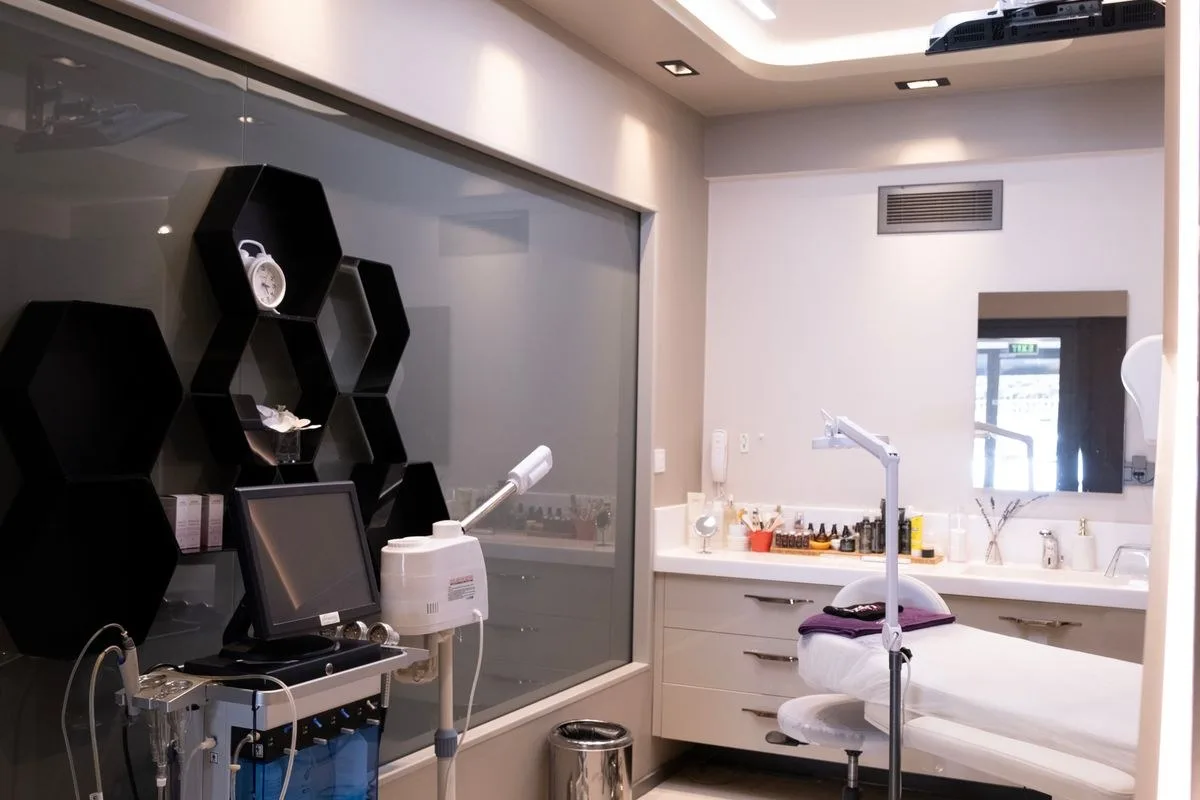
Hymenoplasty is the process of combining the remaining parts of the hymen tissue found at the entrance to the vagina or creating a new layer of tissue. The goal is to restore the structural integrity of the membrane by narrowing the aperture.
First, an anatomical misunderstanding needs to be corrected. Himen is not a covering that completely covers the entrance to the vagina; It is a thin mucosa fold with an innate opening in the middle. Without this opening, the menstrual bleeding would not have gone out.
Hismen structure varies markedly from woman to woman. Some are thin and flexible in women, and some are thick and resistant in women. This natural diversity also directly affects the planning of the process.
Another common misconception is that the hymen is necessarily torn in every sexual relationship, which can also maintain its integrity after a hymen relationship of flexible structure, whereas in some women the tissue is more fragile and easily damaged.
Nor is the belief that sports, cycling, or buffer use rips the himen. Such day-to-day activities do not lead to any meaningful change in tissue. Misinformation creates unnecessary concern about this.
The procedure is performed in practice conditions, requiring no hospitalization. General anesthesia is not used; It is completed under local anesthesia and the patient returns home on the same day.
Temporary (Simple) Repair
In transient technique, the torn edges of the himen are brought closer together by thin and meltable stitches. The process is short and is the least-intervented method of tissue.
This method has a distinct time limit. Because the stitches melt and fall within a few weeks, the process needs to be planned at a close-to-expected date.
Temporary repair is preferred in patients whose tissue loss is limited and whose edges are sufficiently preserved. In cases where the membrane is greatly worn, this technique is not sufficient.
One advantage of the technique is that the recovery time is short. Because the intervention in tissue is limited, the patient quickly returns to his or her daily life and the feeling of discomfort declines in a few days.
Permanent (Flep) Repair
In the permanent technique, a thin layer of tissue is prepared from the inner surface of the vagina wall and a new membrane structure is created at the entrance. The tissue settles permanently because it protects its own blood.
The advantage of this method is the timing flexibility. The fact that the result does not depend on a specific date allows the process to be done at any desired time.
In contrast, the recovery time is longer and the technique requires more experience. The method to be applied is decided based on the examination finding and the patient's priority.
The tissue created in the permanent technique does not have a problem with rejection or melting, as it comes from the body's own mucosa. Over time, the environment integrates with the tissue and retains its natural appearance.
Application format: The existing edges are combined; New tissue layer is created
Timing: It is planned close to the expected date; No time limit
Processing time: Shorter ; Longer
Recovery: Relax in a few days; It takes longer
The situation where it is appropriate: Those with limited tissue loss; Tissue loss is evident
Permanence: When the sutures melt, the effect ends; The tissue created remains in place
Who Is Hymenoplasty Suitable for?

The procedure is suitable for adult women who want it themselves and have a decision-making license. The reason for the application is not questioned; The request is considered to be the patient's decision on his or her body.
In applications under the age of 18, the process works differently. Genital interventions for aesthetic purposes are not recommended in this age group; priority is correct information and spiritual support if necessary.
The only red line here is a matter of pressure. If the procedure is requested by family or partner pressure, rather than by the patient's own will, this is clearly discussed in the consultations. A valid approval is only consent granted by free will.
There are also conditions that pose a medical barrier. Active genital infection, period of menstrual bleeding, pregnancy and uncontrolled bleeding disorder are the leading ones. In these tables, the process is postponed.
Patients who use blood thinners are interviewed with the physician prior to application. If diabetes is not under control, blood sugar is regulated first as recovery will be delayed.
The approach is completely different in patients applying after sexual assault, in which case the priority is not surgery but the referral of the patient to medical and spiritual support and a reminder of their legal rights.
Pre-Himenoplasty Assessment and Privacy

Privacy is as important in this title as medical details. Patient information is not shared with anyone but the patient himself. It is only possible to provide information to the family, spouse or another person at the patient's explicit request.
The appointment and registration process is also conducted in this framework. You can come to the consultations alone; It is not mandatory to have someone with you, and you decide.
In the consultations, you are not asked for a justification by questioning why you want this procedure.The physician's job is not to decide, but to tell you the options and boundaries correctly.
The evaluation first includes a detailed examination of the current structure of the hymen, the degree of tissue loss, and the state of the edges; which technique is appropriate is determined by this examination.
During this examination, the discharge is evaluated together if you have a complaint such as itching. If an active infection is detected, it is treated first; it does not retain stitches made on the infected floor.
It is important to underline here an important scientific fact: no examination can conclusively indicate whether a woman has had sexual intercourse. A virginity examination is a practice without medical validity and cannot be performed without the consent of the person.
The limits of the process are also clearly explained in the consultations. Realistic establishment of expectation is the most important factor that determines patient satisfaction.
How is Hymenoplasty Performed?

No special preparation is required on the day of implementation. You are not asked to come hungry, and you can maintain your normal meal pattern. The area before the procedure is cleared and the patient is taken to the gynecological table.
The best time for the procedure is when the menstrual bleeding ends. It is not administered during bleeding; The appointment is planned accordingly and making the process easier to know your last menstrual date.
At the end of the procedure, the patient rests for a short time and stands up. There is no harm in driving; On the same day he can return to his work or home.
Anesthesia and Processing Time
Pain control is provided by local anesthetic application. After numbing the area, pain is not felt during the procedure; there is only a slight sense of touch and pressure.
The processing time varies depending on the technique chosen. Temporary repair is usually completed in under half an hour, while the permanent flap technique takes a little longer.
A slight burn can be felt that lasts for a few seconds while applying local anaesthetic. This feeling is short-lived and then the area completely numbs; There will be no pain for the rest of the procedure.
General anesthesia is not routinely used. Mild calming may be raised in patients with very high anxiety; this decision is made with the patient.
Sewing Techniques Used
The stitches used are of a self-melting type; It doesn't have to be dismantled. These stitches are thin enough to remain inside the tissue and are not noticeable from the outside.
The tension of the stitches directly affects the result. The overstretched suture disrupts healing by compressing the veins that feed the tissue; the loosely thrown suture does not provide the expected integrity.
The number of stitches and its placement also vary depending on the technique. The goal is to get the most balanced result with a minimum number of stitches; over-stitching creates unnecessary tension in the tissue.
At the end of the procedure, the area is checked and see if there is bleeding. If necessary, a protective pomat is applied and the patient is instructed to take written care.
Post-hymenoplasty Recovery Process and Maintenance

In the first days, slight swelling, tenderness and small amounts of staining are expected in the area. These findings are the natural part of healing and decrease in a few days.
Keeping the area clean and dry is the most critical condition of recovery. Washing is done with warm water, without rubbing; soap is not directly applied to the area.
Cleaning after the toilet should be done from front to back. This simple habit reduces the risk of infection by preventing intestinal flora from being transported to the healing area.
Your physician determines when to start a sexual relationship, which depends on the technique applied and is longer in the permanent method. The early onset relationship disrupts the healing tissue.
Activities requiring heavy exercise, cycling and long-term sitting are postponed in the first weeks. Plenty and cotton underwear reduce friction, providing comfort.
Avoiding constipation is also important during this period. Forced flushing into the toilet creates pressure in the area; Drinking plenty of water and eating fiber greatly prevents this problem.
Wash the area with warm water once a day, dry before rubbing
Do not use tampons, prefer pads
Stay away from the pool, sea, tub and sauna until they heal.
Do not shower vaginally, do not use perfumed hygiene products
Avoid heavy lifting, cycling and strenuous exercise
Do not engage in sexual intercourse until the time specified by your physician has expired.
Even if you don't complain to your check-in appointment, go.
Himenoplasty Risks and Possible Side Effects

Although the procedure is small-scale, it is a surgical undertaking and has its own risks. Knowing these in advance protects the patient from unnecessary anxiety or unnecessary delay.
The most common conditions are transient: a few days of tenderness, mild swelling and small amounts of bleeding. These findings do not require treatment and pass spontaneously.
The more sparse problems are infection, early opening of stitches, and a delicate area in the tissue after recovery.The lack of dryness of the area and early intercourse are the main triggers for these risks.
A small tissue fluff or irregularity may also be seen in the suture area, which often improves as healing is completed; if permanent, a minor correction can be made.
Over-straining is also a risk. Over-straining of entry can cause pain during intercourse. Setting the right measure is a point that requires experience.
The opposite is also possible: insufficient repair does not yield the expected anatomical result. Establishing the balance between the two ends depends on the experience of the physician performing the procedure.
If there is fever, foul-smelling discharge, increasing pain or non-stop bleeding, the physician should be consulted without waiting. These symptoms are not part of the normal healing process.
Post-processing Expected Results
The process reestablishes the structural integrity of the himen tissue. When the tissue heals, the entrance is narrowed and the anatomical appearance of the membrane is largely closer to its former state.
At this point it is necessary to clearly answer the most frequent false expectation: the procedure does not make a definitive promise that there will be bleeding in the relationship. This honesty is vital to patient satisfaction.
The reason is simple. In the first relationship, bleeding is not seen in a significant part of unprocessed women. The flexibility of the membrane determines the texture structure and how the relationship occurs.
Whether or not the bleeding is related to the flexibility of the tissue, how slow and comfortable the relationship takes place, and the level of one's tension. As anxiety increases, the muscles contract and the table becomes more variable.
Therefore, no physician can promise to bleed, and such a firm promise-making approach is not medically correct, nor ethically correct, but what the procedure offers is anatomical repair, not a commitment to results.
The persistence of the result depends on the technique chosen. Time is limited in temporary repair; In permanent flap technique, the tissue created remains in place and does not melt over time.
Once the tissue has healed, there is no change in the appearance of the area from the outside. The process is only related to the structure in the entry zone; it has no effect on external genital anatomy or sexual function.
Conclusion
Samsun hymen plantingThe recovery, completed in a short time under local anesthesia, is a smooth process in most patients. It has two techniques, temporary and permanent, and is performed according to the selection examination finding.
What the method offers is anatomical repair; It is not a guarantee that there will be bleeding in the relationship. To know this distinction from the beginning is the most important condition of leaving satisfied with the process. The decision is yours; You can contact our office in confidence to ask questions.
It is also necessary to add one point: this decision is entirely yours; no one has the right to direct or dissuade you from this process; the physician's role is to give the correct information and apply it in safe conditions.

Original Turkish content prepared and reviewed by
Prof. Dr. Aşkı Ellibeş Kaya
Specialist in Obstetrics and Gynecology
Last updated: 28 August 2026
The content on this page is intended for informational purposes; the diagnosis and treatment decision is made only with your physician after the examination.
The information on this page is for general informational purposes only and does not replace medical advice, diagnosis or treatment. Each patient's condition is different; the method and process to be applied is determined only by the physician after examination and evaluation.
Frequently asked questions
No, pain is not felt during the procedure because it is performed under local anesthesia. There may be a slight sensitivity that lasts for several days after the effect of anesthesia has passed; It is easily controlled with simple pain relievers.
Related Services
Other topics under the title Genital Aesthetics.

Start with an appointment
Let us determine the day and approach that best suits you. Your consultations are conducted on a privacy basis.