
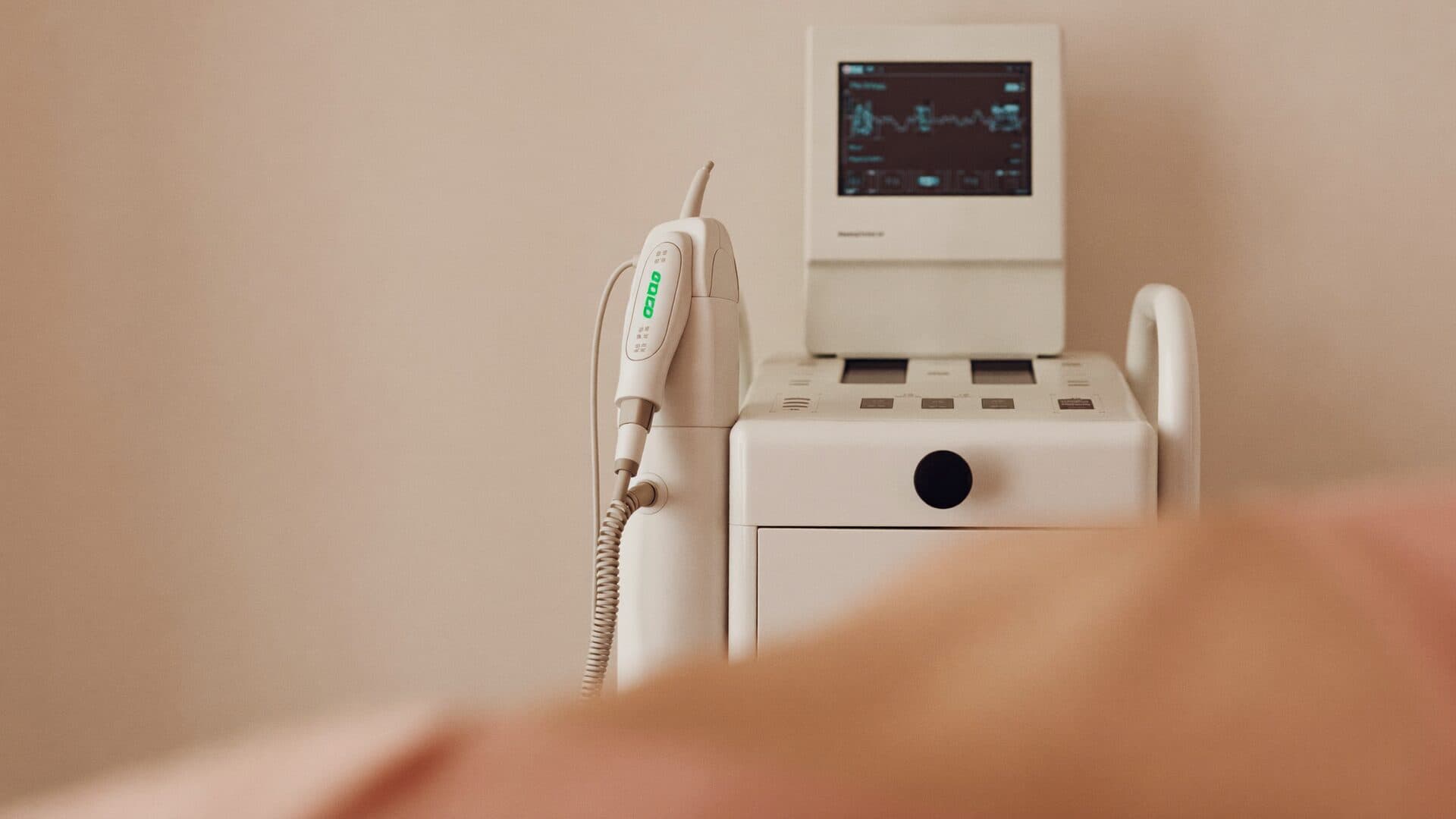
Samsun Vaginal Radiofrequency
It is a non-surgical practice that aims to support collagen production by creating controlled heat in the tissue with radiofrequency energy.
Samsun vaginal radiofrequency Its application is a non-surgical method based on supervised heating of the vagina wall. The goal is to stimulate tissue regeneration.
Women who have a feeling of tissue looseness, vaginal dryness, loss of comfort in the relationship and mild stress-type urinary incontinence complaints during the postpartum or postmenopausal period are investigating this method. Radiofrequency, however, is not the first solution that should come to mind for all of these complaints, and expectation must be kept realistic from the beginning.
This article deals with the method's working principle, the way it is implemented, its limits, risks and level of evidence in a neutral manner to determine the true cause of your complaint and the option that suits you. Prof. Dr. Aşkı Ellibeş Kaya It is recommended that a detailed gynecological evaluation be carried out in the office. The information on this page does not substitute for diagnosis or treatment; A personal plan can only be established after the examination.
What is Vaginal Radiofrequency?
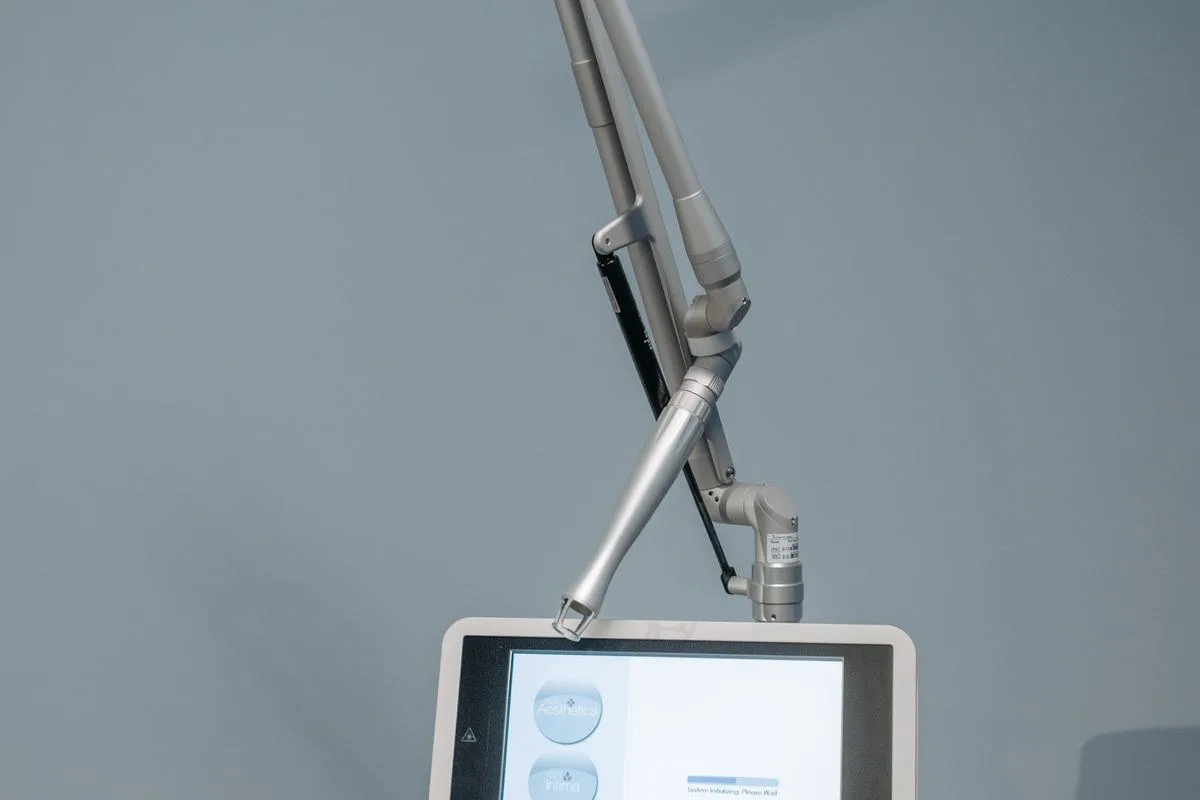
Vaginal radiofrequency is the process of giving high frequency electromagnetic wave energy to the vagina wall through a special header. This energy converts to heat in the tissue and the wall is heated in a controlled manner, at a certain temperature range. The goal is not to cut or receive tissue, but to initiate a biological response by heat stimulation.
Heat stimulation is intended to trigger collagen making and tissue regeneration in connective tissue. The expected result is that the moisture balance and mechanical support of the vagina wall are somewhat improved. This is not a repair surgery; It does not replace an anatomically degraded structure, but only aims to positively affect the quality of the tissue that exists.
How Does Radiofrequency Energy Affect Tissue?
As the electromagnetic wave passes through the tissue, heat is released due to the resistance of the tissue. The devices are set to keep this heat within a certain range; temperature feedback, the speed of movement of the header and the duration of application are the main factors that determine the safety of the process. The energy is given in such a way that it is concentrated not on the surface but on layers below the mucosa.
What Is The Direction From Surgical Methods?
In surgical methods, loose tissue is removed or the support structure is repaired by sutures; The result is an anatomical change. In radiofrequency, the tissue is not cut, removed, and stitches are not used. Change is not expected directly, but through the tissue's own healing mechanism. Therefore, its effect is more moderate, and the recovery period is shorter.
Difference Between Radiofrequency and Vaginal Laser
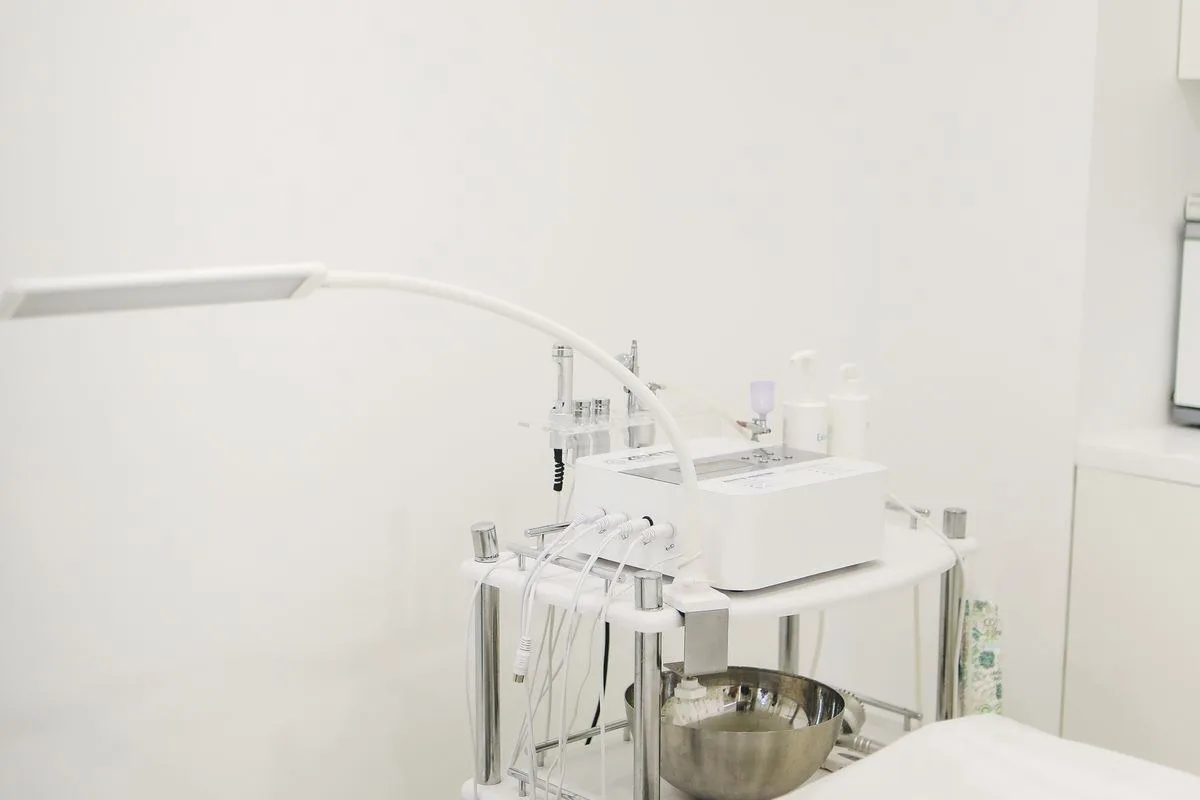
The two most commonly confused methods are radiofrequency and fractional vaginal laser. Radiofrequency does not vaporize tissue; It creates heat in the deep without disrupting the surface, so it is a non-ablative method. Since the integrity of the mucosa is maintained, no visible wound surface is formed during the procedure and bleeding is not expected. This feature is the main reason that the discomfort felt after the procedure is usually limited.
The fractional laser, on the mucous surface, initiates the healing response by forming microscopic points. Therefore, the recovery period in radiofrequency usually passes more comfortably. In contrast, the purpose of the two methods is similar: to stimulate tissue regeneration by heat or light energy. It depends on which one is suitable for the complaint and examination findings.
It would not be right to rank a certain superiority between the two methods. In some women, the loss of flexibility is evident when mucosal thinning is in the foreground; The choice is made according to this detail. In some cases, none of them may be appropriate and it would be more accurate to proceed with medical treatment or physiotherapy.
At What Proximity Does It Come to the Agenda?

Vaginal radiofrequency is not suitable for every convergence. It is often considered an option in complaints at mild and moderate levels that show no apparent anatomical impairment in the examination. If a structural problem is identified in the review, other treatments will replace the method and the plan will be re-established accordingly.
Feeling of tissue looseness that occurs during the postpartum period
Vaginal dryness and burning sensation seen during the postmenopausal period
Discomfort and loss of comfort during intercourse
Mildly, stress-type urinary incontinence caused by coughing or sneezing
Friction convergence due to reduced flexibility in the vagina wall
Repeater irritation complaint accompanying tissue dryness
Different reasons can be found behind each of these headings. For example, the source of urinary incontinence may be weakness of the pelvic floor muscles, as well as bladder dysfunction or a urinary tract problem. Therefore, the cause of the complaint must be investigated in detail before deciding on the method.
An Honest Assessment of the Level of Evidence
Evidence of the effectiveness of energy-based vaginal practices is developing and more limited compared to established treatments. Local hormone therapy, pelvic floor physiotherapy in urinary incontinence and surgical methods in menopause complaints are supported by many years of studies, while comparative and long-term data for radiofrequency is not yet at the same level.
Some health authorities have issued a warning that these devices will be marketed under the name "vaginal rejuvenation". What the warnings have in common is that the use of devices for this purpose is not supported by sufficient data and exaggerated promises are made in promotions. It is both true and protective that a woman who considers the method makes a conscious decision about this framework.
This does not mean that the method is of no use; It means that there can be no promise of a final and lasting outcome. The expected contribution, possible risks and alternatives to a healthy decision must be clearly discussed in the same consultations. The decision of the patient himself is the basic condition of informed consent.
Why isn't the first step a cure?
The first step in urinary incontinence complaint is usually pelvic floor physiotherapy; A properly administered and regularly maintained muscle training program makes a significant contribution in many women. In dryness and burning due to menopause, moisturizers and local hormone therapy are considered as a priority.
Radiofrequency is not sufficient if a marked prolapse, i.e. prolapse, is detected on the examination; In this case, medical monitoring or surgical repair is required. An experienced to determine the correct ranking Samsun obstetrician The examination by the person is much more decisive than the device or method to be chosen.
When this order is not followed, two problems arise. The first is that the complaint is soon returned because the underlying cause is in place. The second, an unnecessary application leads to both time and loss of resources. Therefore, the step approach is the path to the patient's benefit.
How to Apply?
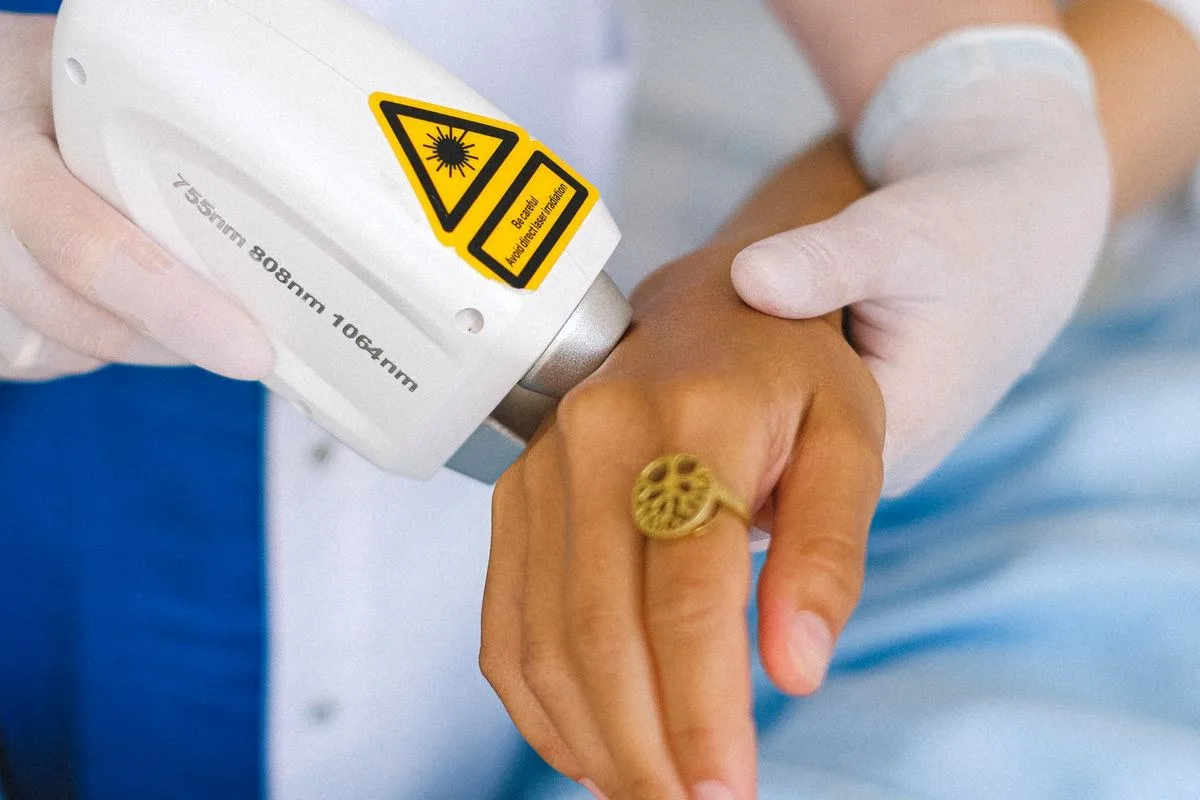
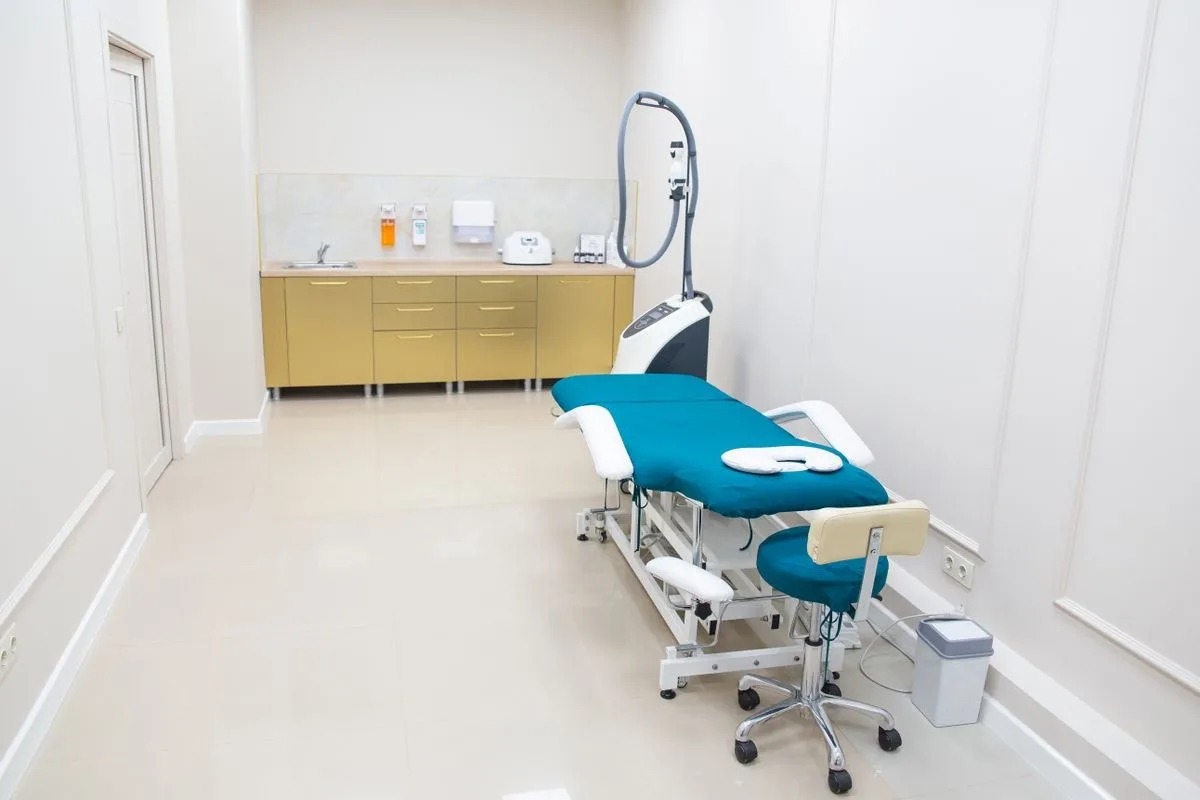
The procedure is carried out in practice conditions and does not require anesthesia. The patient is placed in the position of a gynecological examination, the application head is placed in the vagina and moved slowly to give the wall equal energy from each region. During the application, patients often describe a warm, spreading feeling of warmth.
A session lasts about fifteen to thirty minutes. The patient returns to his or her daily life on the same day following the procedure; no hospital stay or rest permit is required. During the course of the procedure, the patient is asked if he or she feels uncomfortable and if necessary, the energy level is recalibrated during the procedure.
What Happens Before the Process?
A detailed gynecological examination is performed before the application, the up-to-dateness of the cervix scan is checked and whether there are signs of infection is assessed. The drugs used, past surgeries, birth history and whether there are metal implants in the body are questioned. If these steps are skipped, a safe implementation plan cannot be established.
How many sessions are planned?
A number of sessions are usually planned and left for several weeks between sessions. This interval is the time that has been given for the tissue response to heat stimulation to form. The number of sessions varies from person to person; The type of complaint, the state of the tissue, and the response seen in the intermediate assessment determine the final form of the plan.
Post-processing Process and Permanence of Effect
After the procedure, a slight feeling of temperature or light discharge can be seen for several days. During the period indicated by the physician, it is recommended to stay away from sexual intercourse, environments such as pool and sea. Pain is not an expected finding; If there is obvious pain, fever, or foul-smelling discharge, an examination is required.
The effect of the method is not permanent. The contribution through tissue regeneration may decrease over time and may require a reminder session at certain intervals. During periods of hormonal change, such as menopause, this decrease can be noticed earlier. It is important for the decision that women who seek a permanent solution know this truth from the beginning.
Daily habits also play a role in sustaining the outcome. Regular maintenance of pelvic floor exercises, avoiding constipation, quitting smoking and weight control reduces the load on the tissue. These titles are not a cure alone, but can help make the contribution longer.
Risks and Possible Side Effects

Set it properly and when done in experienced hands, the method is usually tolerated comfortably. However, as with every medical practice, there are possible side effects and they must have been discussed in detail before the procedure. The following conditions have been reported, albeit rarely. It is also a detail that should not be overlooked if the device has appropriate documentation and regular maintenance.
Temporary warmth and feeling of fullness
Mild discharge that may last for a few days
Sensitivity and redness in the area
Rarely burn development
Rarely superficial injury to the mucosa
Consolidation development during recovery
The high energy given the wrong setting can cause tissue damage. Therefore, the practice of gynaecological anatomy is the basic condition of safety to be performed by a physician who can correctly determine the energy settings of the device. The expertise and experience of the person performing the procedure is more decisive than the characteristics of the device used.
To Whom Not Applied?
In some cases, vaginal radiofrequency is not administered or considered only after a thorough evaluation. All of the following headings are expected to be questioned in the preliminary consultations; It is necessary for a safe plan to be established so that the patient can convey his or her story in full. An incompletely transmitted information can lead to an unforeseen problem during the process. Therefore, it is recommended not to rush the consultations.
Pregnancy
Active genital or urinary tract infection
Period of menstruation
Causes of unresearched vaginal bleeding
Outdated cervical screening or an abnormal screening result
Advanced sagging (prolapsus)
A history of radiotherapy applied to the region
Having a metal implant or pacemaker in the body
The presence of metal implants and pacemakers is also a title to be considered due to the use of electromagnetic energy. In such a case, the decision is made based on the opinion of the attending physician concerned. In women with abnormal screening results, the cause of this result is first illuminated, and implementation is not planned until the necessary examinations are completed.
Comparison of Methods
The table below compares the methods raised in similar approximations with their basic characteristics. The table is for general informational purposes only; The appropriate option for the person is determined after the examination, story and necessary examinations are completed. In some women, it may be more appropriate for the methods to be planned together. The headings in the table are not intended to sort methods, but to make the differences between them visible.
Method: The mode of effect; Invasiveness; Number of sessions; Healing; Level of evidence
Vaginal radiofrequency: Stimulates tissue regeneration by controlled heat; Not surgery, not ablative; A few sessions of sequence; Usually relaxed, returning to daily life the same day; Developing, limited
Fractional vaginal laser: It initiates a recovery response with microscopic points on the surface; Not surgical, superficial ablative; A few sessions of sequence; Short-term avoidance is recommended; Developing, limited
Local hormone therapy: Corrects tissue nutrition and moisture in menopause; Medication; Regular use; No recovery period; Built-in, strong
pelvic floor physiotherapy: Increases muscle strength and control; It's not entrepreneurial; Weeks of programming; No recovery period; Built-in, strong
Surgical vaginoplasty: Repairs relaxed tissue and support structure; Surgery, anesthesia is required; It is usually a process; Recovery measured in weeks; Resident
Conclusion
Samsun vaginal radiofrequency Its application is a non-surgical option, which can be assessed for feeling tissue looseness, dryness and mild urinary incontinence complaints. The healing period usually passes comfortably due to the fact that it creates heat in the skin without disrupting the surface, but its effect is not permanent and may require a re-session over time.
The level of evidence of the method is more limited than established treatments; The first step is not an option and is not enough in prominent sagging. The correct step is to establish the cause of the complaint by examination and discuss options together. The practice is located in Samsun Atakum Cumhuriyet Mahallesi and serves between 09.00-19:00 on weekdays and 10.00-16.00 on weekends.

Original Turkish content prepared and reviewed by
Prof. Dr. Aşkı Ellibeş Kaya
Specialist in Obstetrics and Gynecology
Last updated: 25 August 2026
The content on this page is intended for informational purposes; the diagnosis and treatment decision is made only with your physician after the examination.
The information on this page is for general informational purposes only and does not replace medical advice, diagnosis or treatment. Each patient's condition is different; the method and process to be applied is determined only by the physician after examination and evaluation.
Frequently asked questions
During the application, a warm temperature sensation is usually described and no anesthesia is required. Specific pain is not an expected finding. If a feeling of discomfort arises, the energy setting will be lowered or the processing will be given a short break. If pain persists after the procedure, the physician must be consulted.
Related Services
Other topics under the title Genital Aesthetics.



Start with an appointment
Let us determine the day and approach that best suits you. Your consultations are conducted on a privacy basis.