
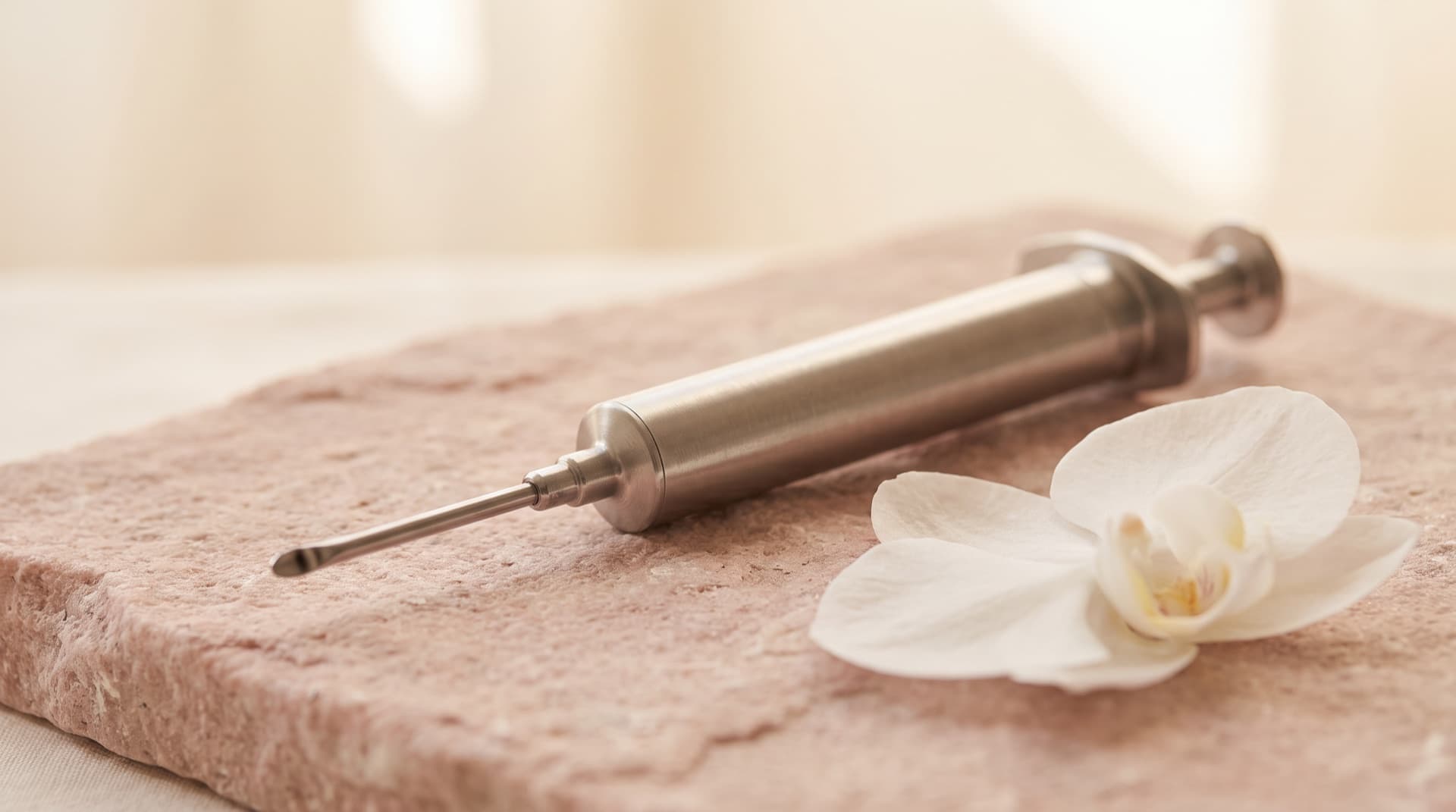
Samsun Vaginal Filler
Vagina are filler applications applied to specific areas. Eligibility is determined by holistic sexual health assessment.
Samsun vaginal fillingThe effect is immediately felt, not permanent, by giving the vagina wall a hyaluronic acid-based product.
This article describes intravaginal practice. The filling on the external genital area, i.e. large lips and pubic top, is a separate application; the filling on the G-spot is a different title in itself. Knowing the difference is the first step in asking the right question and building a realistic expectation.
There is one point to be said from the beginning: the scientific evidence for menopause-related dryness and pain complaints in the relationship is not the strongest option filling.
The following describes what the practice is, in which cases it comes up, its limits and risks. Samsun Atakum's office Prof. Dr. Aşkı Ellibeş Kaya He makes the assessment in this frame.
What is Vaginal Fill?
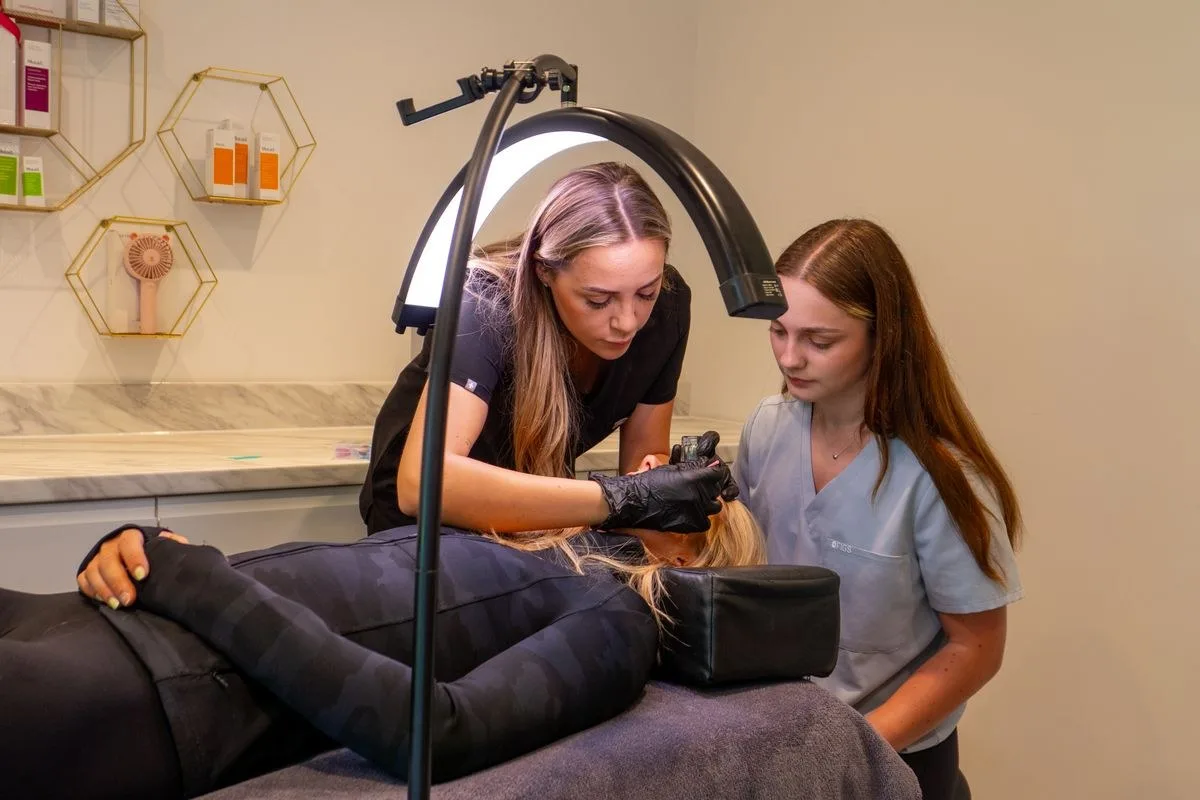
Vaginal filling is an application to the vagina wall when a hyaluronic acid-based product is given by a fine-tipped tool.
Hyaluronic acid is a molecule of high ability to bind water; As long as it remains in the tissue, it retains moisture and gives volume to the area it is in. The goal is to support thinned and dried tissue.
There are three complaints that the application aims at: dry feeling, loss of flexibility of the tissue, and slight looseness felt at the entrance. None of this is a disease in itself; It is dealt with to the extent that it disturbs the person. A woman who is uninhibited does not need this practice, and it is not the right approach to be guided by aesthetic anxiety.
Although the application is presented as an aesthetic process, its purpose is not to change appearance; The goal is to support the dry and thin tissue for a while.
Knowing this distinction allows to establish expectation correctly.The structure of the vagina differs from woman to woman, and this diversity is not a problem in itself.
Difference from External Genital Fill and G-Point Application
The filling on the external genital area targets decreased fullness with age on large lips and groin, with significant weight loss or menopause.
The filling for the G-point is a much weaker and controversial title, focusing on a limited area of the vagina front wall, with the evidence base being the application of moisture and tissue support that concerns the overall vagina wall.
At What Kinds of Proximity Does Vaginal Filling Come to the agenda?

Vaginal filling is most often spoken during the postmenopausal period and in the months following birth. estrogen levels drop during both periods; The vagina wall thins, the secretion decreases, and the tissue loses its old elasticity. As a result, dryness, burning sensation, pain during intercourse, and occasional urinary tract complaints can occur.
Breastfeeding also leads to a similar hormonal table; however, this period is temporary and does not apply filling when breastfeeding.
Some women have a slight sense of width at the entrance to the vagina after birth. If this sensation is to a level that does not require surgery, filling may be raised among supportive options.
Correctly identifying the source of the complaint determines which option will work. It is important to remember that pain in the relationship is not always caused by dryness, muscle spasms, an unhealed injury after childbirth, or skin diseases can also lead to a similar picture. Therefore, the examination should not be skipped.
Vaginal dryness and burning sensation that occurs during the postmenopausal period
Pain and discomfort in the relationship (disparoni)
Decrease in tissue flexibility after childbirth
Mild looseness felt at the entrance to the vagina
Seeking support in women who are unable or unwilling to use local hormone therapy
What Options Are Valued Before Vaginal Filling?

This section is the most important part of the writing. Scientific evidence in menopause-related dryness and pain complaints in the relationship is the strongest treatment local hormone therapy.
The low dose of vaginal estrogen directly increases the thickness and secretion of the tissue; its effectiveness has been supported by numerous studies.
In the first step, humidifiers and lubricants are included. These products can provide significant relief in mild and moderate dryness complaints. The lubricant used during a relationship with a regular used vaginal moisturizer benefits different jobs; Your physician may recommend the two together.
Vaginal filling comes up after these options. It can be considered an alternative when hormone therapy is not deemed appropriate by the physician, the patient does not want to use it or does not receive adequate response.
The level of scientific evidence in this area is limited; the current studies are few and short-term.
This order exists not to deprive the patient of an option, but to prevent further application without trying strong and often cheaper treatments. A woman who is relieved with a humidifier may not need filling; it is the physician's responsibility to say this in advance.
What Products Are Used in Vaginal Filling?

In the vagina wall, only hyaluronic acid-based products are used, which are absorbed over time by the body.
Hyaluronic acid is a naturally occurring molecule in the body and after a certain period of time in the tissue, it dissolves and disappears. Although this temporaryity may seem like a shortfall, it is the reason for preference in terms of safety.
The density and fluidity of the product to be used in the vagina wall may differ from those used in the outer region.
The texture is thin, flexible and mobile; the product placed here is expected to be dispersable and soft. An improper choice of products can lead to a feeling of stiffness or irregular volume.
Why Are Permanent Fillers Not Used?
Permanent or semi-permanent fillers are not used in this area. These products, which remain unsolvable in the body, can lead to hardened focuss, nodules, and inflammatory responses called granulomas years later.
The vagina wall is a thin and moving tissue; Removal of a nodule formed is both difficult and can leave a lasting mark.
Therefore, it is the patient's right to ask what product to use. It is a good attitude to expect that the content is absorbable, that the product is approved for this use by the relevant institutions, and that the physician will explain them in an understandable way.
Prevaluing and Preparation for Vaginal Filling

A detailed gynecological examination is performed before the application. It is distinguished whether the symptoms is actually caused by dry tissue or for some other reason; The mental dimension of muscle spasm, infection, skin diseases, and pain require different approaches.
With the required examinations, the current smear result is evaluated together.
Clearing the expectation in the consultations is just as important as the examination. What the application can do is also discussed: tables such as prominent sagging, advanced slackness, or urinary incontinence are not problems that the filling can solve. In these cases, surgery or other treatments are brought up.
You should inform your physician of the medications you are using, especially those that dilute blood and herbal supplements.
Suffering gynaecological surgeries, birth history, allergies, and previous filling practices also directly affect assessment. Missing information means missing a preventable problem.
In What Situations Does Vaginal Filling Not Apply?
Pregnancy and lactation
Active vaginal, cervical or urinary tract infection
Causes of unresearched vaginal bleeding
The abnormal smear result has not yet been investigated
Known bleeding disorder or use of medication that irrigates blood
Known hypersensitivity to the content of the product to be used
Some of these conditions are temporary. Evaluation can be resumed after the infection is treated, the cause of the bleeding is illuminated, or the breastfeeding period is completed. For those who are permanent, alternative approaches are discussed.
How to Apply Vaginal Filling?

The procedure is performed in practice conditions. Once the area is cleared, local anesthetic cream is applied and it is expected to take effect for a short time. Thus, the discomfort felt during the application is greatly reduced; General anesthesia is not required.
The hyaluronic acid-based product is then given to the targeted layer in the vagina wall with a thin end tool. During the placement of the filling, the physician manually evaluates the tissue and regulates the distribution. The application is short, returning to daily life on the same day and does not require hospitalization.
Who makes the application is more decisive than the product itself. A person who knows the anatomy and vascular structure of the vagina wall Samsun obstetrician It is important to do by, both in terms of balanced outcome and timely management of a possible complication.
The written description of what to do before and after the application is part of the patient's informed consent. In addition to the expected benefit, risks, the limit of permanence and alternatives must be transferred. Feel free to ask your questions before processing them.
After the application, the area is evaluated briefly and the patient is rested for a while. If there is no serious finding, he will return home on the same day.
The time of the inspection is determined at the exit; In this consultations, both whether the effect is settled and a possible side effect is reviewed.
Vaginal Fill Post Process

In the first days, there may be a slight swelling, tenderness and feeling of fullness in the area. These are the expected findings, and they usually fall back on their own. You may be asked to stay away from environments such as very hot showers, pools, seas and saunas during the time your physician determines.
The physician determines when to return to sexual intercourse; This time depends on the product used, the area applied, and the response of the tissue. It is better to wait for a check-up instead of deciding on your own. In the event of increased pain, fever, foul-smelling discharge or widespread redness, contact your physician without delay.
Avoid perfumed products and shower gels that may irritate the area in the first days
Avoid pool, sea, sauna and very hot showers during the time prescribed by your physician
Delay activities that put pressure on the area, such as heavy sports and long-term cycling
Wait for the time your physician gives you to return to sexual intercourse
Don't forget to go to the inspection
The duration of these recommendations varies depending on the person and the scope of the application. Although a general list is a guideline, the specific instruction for you becomes clear in the control examination. It is safer to consult your physician instead of extending the time from your own self at an unexpected symptom.
Duration of Effect and Reapplying
The effect of vaginal filling is often felt immediately after application; The change in the feeling of moisture and fullness becomes apparent in the first days. However, this effect is not permanent. As hyaluronic acid is absorbed by the body, the complaints may gradually return within months.
How long the time will be varies from person to person; age, hormonal state, texture structure and characteristics of the product used are decisive.
Therefore, a fixed period of time cannot be promised. The limited permanence creates the need for the practice to be repeated and it is necessary to take into account when making decisions.
When deciding to re-apply, it is evaluated how the previous period went: how long did the benefit really occur, how long did it last, if there were any side effects. If no benefit has been seen, the diagnosis and treatment plan should be reviewed instead of repeating the same practice.
Risks and Possible Side Effects
As with any medical practice, there are risks to vaginal filling. Frequent ones are temporary ones: swelling, tenderness, slight staining in the area, and a feeling of fullness that lasts for several days. These often go through without the need for additional treatment.
More rarely, a feeling of asymmetry or excessive volume may arise as a result of irregular dispersal of the product in the tissue.
Rare but serious conditions include infection and the product blocking a vein; Since vascular blockage can lead to a nutritional disorder in the tissue, it requires immediate evaluation.
The majority of risks are reduced by the practice being performed in experienced hands and under appropriate conditions. The sterile preparation of the region, the selection of the correct layer, and the delivery of the product in a controlled form are decisive. Despite this, no practice is risk-free; It is necessary to accept this fact from the beginning.
It is important to recognize an unexpected symptom early on. Increasing pain, color change in the area, fever or foul-smelling discharge are not part of the normal healing process. In such cases, you need to reach your physician directly instead of looking for information online.
Retrieval of Fill
A major advantage of hyaluronic acid-based products is that they are reversible. When the result is not satisfied or a problem develops, the filling can be largely eliminated by applying a solvent substance that breaks down hyaluronic acid. There is no such return path in permanent products.
Comparison of Other Methods with Vaginal Filling
There are different approaches to the same convergences, and they do not supersede each other.
The table below compares frequently-spoken options in terms of the mode of effect, permanence and level of evidence. Which is right for you is decided together only after the examination.
Method: The mode of effect; Permanence; Level of evidence; Does it contain hormones?
Vaginal filling: Moisture retention and tissue support with hyaluronic acid; Temporary, limited to months; Limited; studies are few and short-term; Oh, no.
Local hormone therapy: Increases tissue thickness and secretion directly; Continues as long as used; Strong; There is extensive work support; Yes (low dose, local)
Moisturizing and lubricant: Provides moisture and lube on the surface; Very short; Regular use is required; Medium; the first step option; Oh, no.
Vaginal energy applications: Stimulates tissue with heat or light energy; Temporary; It may be necessary again; Controversial; Additional work is needed; Oh, no.
The result from the table is: the highest option of evidence and the option that the patient can use may not always be the same. In some women, hormone therapy is not considered appropriate, while others do not want to use it. The decision is made together according to the person's story and preference.
Conclusion
Samsun vaginal fillingThe dryness seen in the menopause and postpartum period is one of the options that can be considered for decreased convergence of pain and tissue flexibility in the relationship. It is made with hyaluronic acid-based product, its effect is felt immediately but decreases within months. Permanent products are not used in this area.
When deciding, one should not forget to sort: moisturisers and lubricants are the first step, evidence in the menopause-related table is the strongest option is local hormone therapy, while filling comes after them. Evaluating a limited level of evidence practice with realistic expectation, knowing its risks and after examination is a healthy approach.

Original Turkish content prepared and reviewed by
Prof. Dr. Aşkı Ellibeş Kaya
Specialist in Obstetrics and Gynecology
Last updated: 28 August 2026
The content on this page is intended for informational purposes; the diagnosis and treatment decision is made only with your physician after the examination.
The information on this page is for general informational purposes only and does not replace medical advice, diagnosis or treatment. Each patient's condition is different; the method and process to be applied is determined only by the physician after examination and evaluation.
Frequently asked questions
Since local anesthetic cream is applied to the area, the discomfort felt during the procedure is usually tolerable. The pain threshold varies from person to person. There may be mild sensitivity that lasts for several days after administration; this is an expected condition.
Related Services
Other topics under the title Genital Aesthetics.




Start with an appointment
Let us determine the day and approach that best suits you. Your consultations are conducted on a privacy basis.