
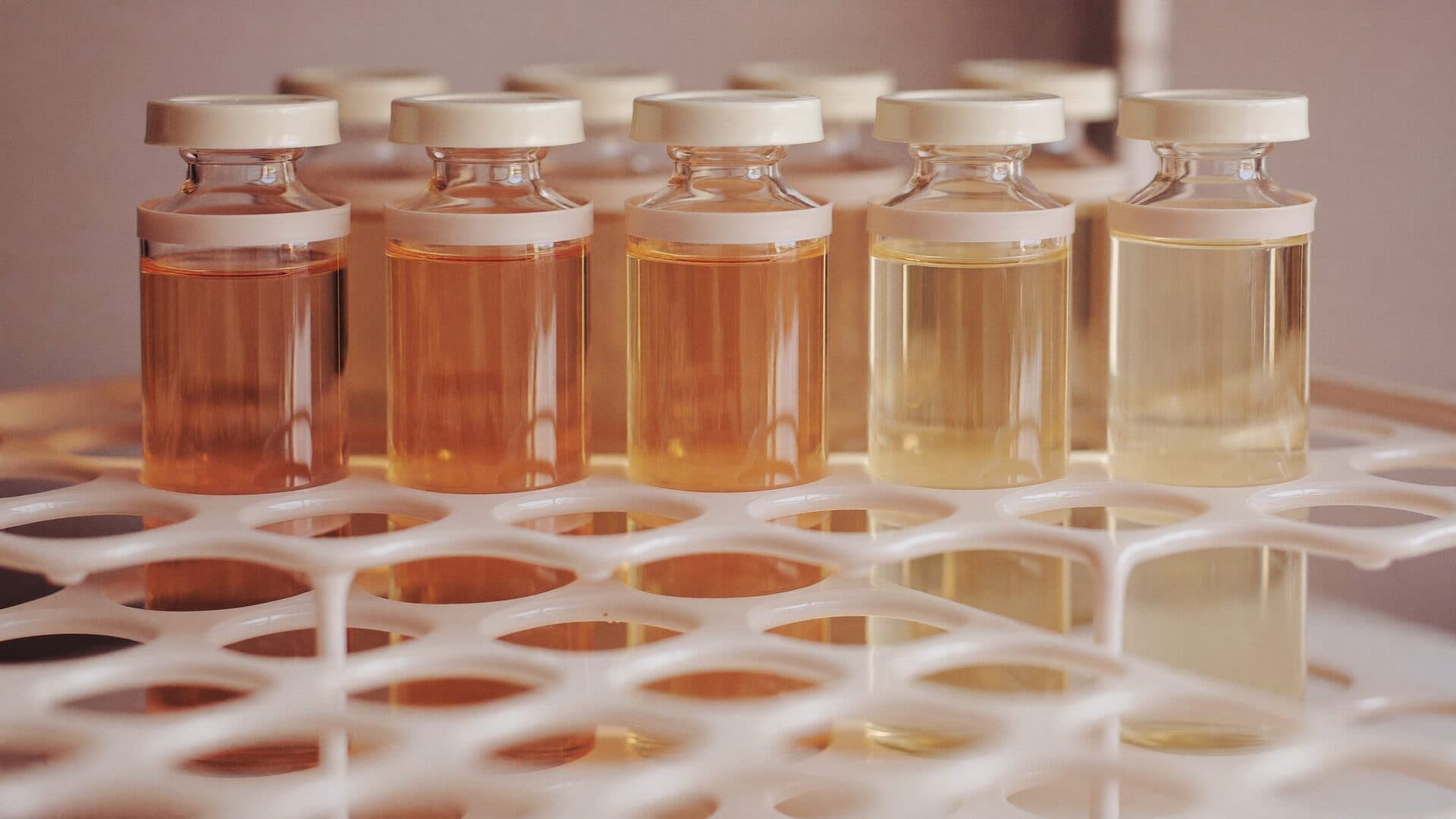
Samsun Genital Exosome Treatment
Exosomes are structures that play a role in intercellular communication, an option in development that is explored within regenerative approaches.
Samsun genital exosome treatmentThe very small sacs secreted by cells are applied to the genital area.The scientific evidence in this area is still in its early stages.
This is not a promotional text, but an informational text. We aim to convey what the exosome is, in which titles it comes up, how the practice is done, what risks there are, and where scientific evidence stands today. We do not intend to create an exaggerated expectation in the reader; On the contrary, we care about clearly writing boundaries.
Like every application to the genital area, this method requires a detailed gynecological evaluation prior to. No transaction without the source of the complaint being identified correctly will provide the expected contribution, and will lead to an unnecessary process. Samsun Atakum Hospital Prof. Dr. Aşkı Ellibeş Kaya, plans the process in this frame.
What is an exosome?
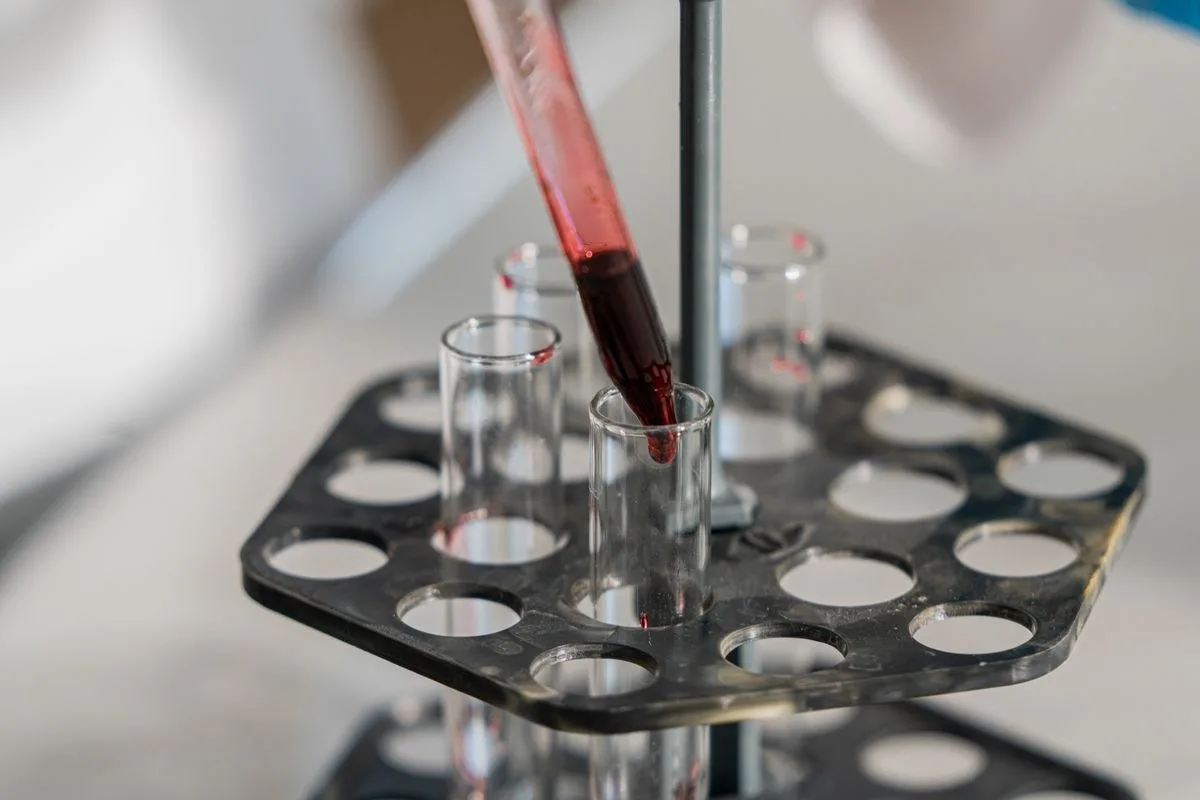
Exosomes are very small-sized sacs that cells in the body secrete out. These membrane-infested structures contain protein, lipid, and genetic messenger molecules. The cells send signals to each other through these sacs; So exosomes act as a kind of biological mail and are considered one of the natural parts of intercellular communication.
In the field of regenerative medicine, it is investigated whether these messenger molecules carried by exosomes affect the tissue environment. The subject is scientifically interesting and findings have been reported that have attracted attention in laboratory studies. However, just because it is interesting does not mean it has become a proven treatment in the clinic; This distinction will be preserved throughout the entire article.
The concept of exosome has long been known in the medical literature; What is relatively new is the idea that these sacs can be used for clinical purposes. It is studied in a wide range of fields, from cancer biology to immune research. The use for the genital area stands as an immature branch of this vast field of research.
What do exosomes do in intercellular communication?
A cell packs some of the molecules it produces in itself into pouches and leaves them out of the cell. Neighbor or distant cells take these sacs and read the message in their contents and change behavior accordingly. This communication is thought to play a role in processes such as wound healing, regulation of the immune response, and tissue regeneration.
It is suggested that tissue repair may slow down in cases where this communication network is weakened. Whether external exosomes will actually contribute to the signal traffic in question is the question that researchers are trying to answer. There is no clear answer at hand for today, and the available data is not enough to draw a definitive conclusion.
Exosome is Not Stem Cell Treatment
This is the most common confusion surrounding the application, and it needs to be corrected. The exosome does not contain cells. While living cells are transferred in stem cell treatment, what is transmitted in exosome-based products is only the sacs secreted by cells.
The two approaches are biologically different, subject to different processes, and cannot be substituted for each other.
This distinction also has a practical counterpart: because it does not contain cells, exosome products are evaluated differently from the framework in which stem cell applications are subject.
If the practice of exosomes in a center is described by the title "root cell therapy", it would be appropriate to question the accuracy of the information given and the rigor of that center to inform.
Level of Evidence and Legal Status: What to Know Clearly

This is the most critical part of this article, and the reader is expected not to skip.Exosome-based products are not approved in aesthetic or regenerative indications by the world's major health authorities.
This directly determines how the application should be presented to the patient and how it cannot be positioned.
The fact that a product is not in approved drug status does not mean its use is automatically incorrect; but it means that the patient must obtain this information before making a decision. Informed consent is a fundamental principle that mandates that precisely such ambiguities be clearly shared with the patient.
Scientific Evidence Is in the Early Stage
A significant part of the work in the field was conducted in a laboratory setting or animal models.
Human studies for the genital area are limited; their number of participants is small, their follow-up time is short, and comparative, controlled designs are not common enough. It is not scientifically possible to reach a definitive efficacy judgment in these conditions.
The fact that the evidence is at an early stage does not mean "useless"; It means "we don't know enough yet."
In science, these two sentences do not mean the same thing and should not be confused.An honest briefing requires not presenting an unknown issue as it is, but sharing the uncertainty as it is.
Standardization and Resource Uncertainty
The source of exosome products, the method of acquisition, purity and content standardization varies markedly from manufacturer to manufacturer.
The two products referred to by the same generic name may differ considerably from each other in terms of content, which makes it seriously difficult to compare the results of studies at different centers.
The lack of standardization concerns not only the event debate but also the security debate directly. It is difficult to predict the long-term safety profile of a product whose content is not fully defined.
Therefore, the practice should not be considered as a proven treatment, but as an option whose level of evidence is not yet ripe.
Questions You Are Right to Ask Your Doctor
It is the patient's clear right to find out what the product that will be applied to you is, where it came from and how it is legally classified.
Asking these questions is not a sign of distrust of the physician but of being conscious of being ill.The following topics can be asked easily during the consultations and a clear answer can be expected.
What exactly is the product to be applied and from what source?
What is the legal classification and status of the product in our country?
Is this an approved drug in the indication, or how is this explained if not?
What options are more powerful for my complaint?
What is the expected contribution and in what case may there be no change?
In What Titles Does Genitals Come to the Agenda?

Proposed uses are collected in supporting use titles in tables such as supporting tissue quality, dryness complaint, loss of flexibility, and lichen sclerosus.
All of these should not be read as definite benefits, but as areas of research and claimed use. The difference is decisive in terms of patient decision.
Dryness and Tissue Quality
The back of the dry complaint can be menopause, lactation period, certain drug uses, or dermatological tables.
Whether exosome application contributes to the tissue environment is still a matter of research. Priority is always to determine the underlying cause of the complaint; no application performed without determining the cause is accurate.
Flexibility Loss and Tissue Looseness
The loss of flexibility described during the postpartum period or with age is a complaint expressed by many women.
In this table, exosome practice is claimed to be contributing, but it has not been demonstrated by comparative studies. Surgical options may also need to be evaluated in specific anatomical changes.
Supportive Use in Tables such as lichen sclerosus
lichen sclerosus is a chronic skin disease that requires regular monitoring and treatment, and has its own established standard approaches.
The practice of exosomes is brought up in this table as a supportive option; however, it is not right to present it as a method to replace standard treatment.
First, the Level of Evidence Is Assessed by Stronger Options
Evidence level is much stronger in urogenital convergences due to menopause. Local hormone therapy is at the top of these and has been supported by extensive clinical studies.
In the appropriate patient, this option is evaluated first; The moisturizing and lubricant products are also simple, accessible, and among the supports that work for most people.
It is not in the patient's best interest to have an immature application, evidence of which is a preventative treatment. An experienced Samsun obstetrician In his assessment, he establishes the ranking with this logic, transparently describes options along with levels of evidence, and shares the decision with the patient.
This ranking does not mean that exosome practice cannot be brought up under any circumstances. The evidence can be re-speakable when strong options are tried, inappropriate, or the patient does not prefer.
The important thing is that the order of options is established on a scientific basis, and the patient makes a deliberate decision about it.
How to Make a Genital Exosome?
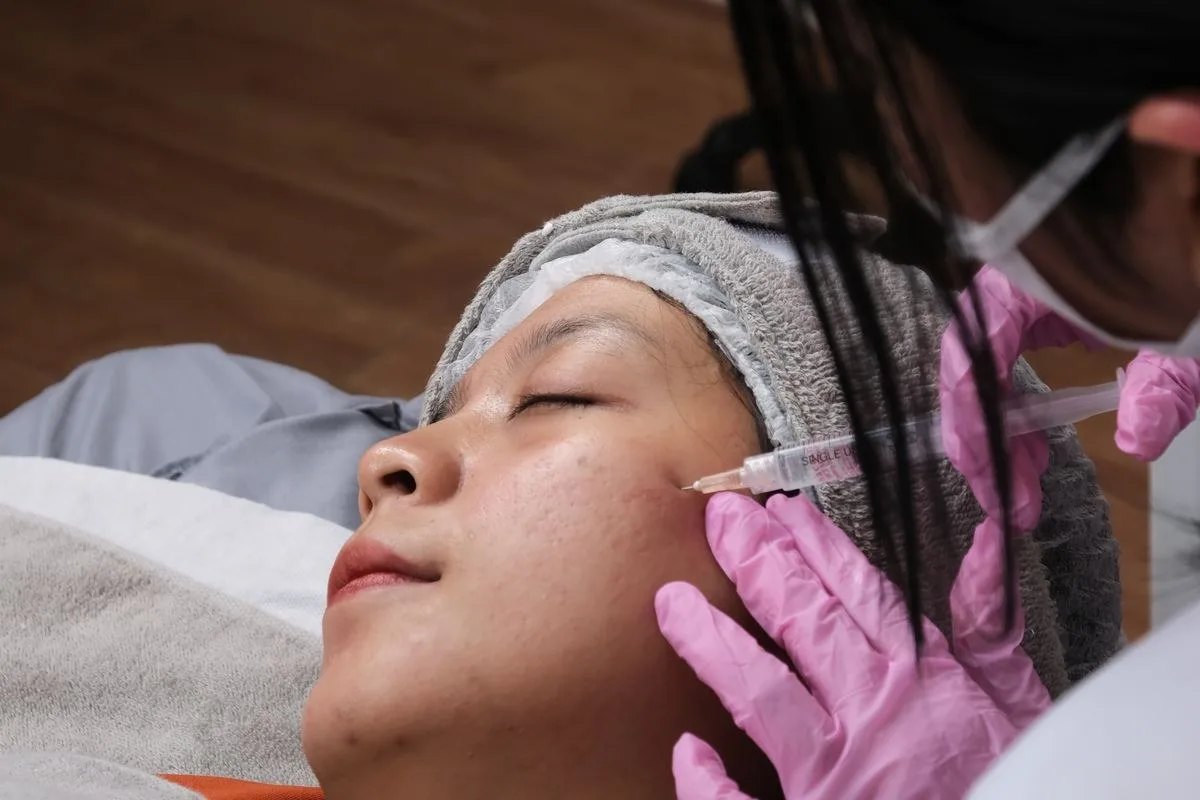
Prior to the procedure, local anesthetic cream is applied to the area and it is expected for some time to take effect. The product is then given to the layer near the surface by a thin end vehicle. In some centers, it is preferable to apply the product to the surface after energy-based operations. The session is usually short and complete on the same day.
In some centers, the application is planned not alone, but immediately after energy-based operations such as radiofrequency or lasers, and it is not clear whether this association has made any additional contributions.
In combination planning, the patient should be explained separately what component is aimed at, not presented as a single package.
Pre-Sean Preparation
Before application, a gynecological examination is performed, the presence of active infection is investigated and additional examination is requested if deemed necessary.
Regularly used drugs, history of bleeding disorders, past procedures and history of allergies are questioned in detail.This preparation is necessary for both determining fitness and reducing risk.
Post-session Period
Following the application, mild sensitivity, redness and a sense of regional fullness can be seen. During the period specified by the physician, sexual intercourse, pool, sea and hot water practices are asked to be avoided. Return to daily life often happens in a short time; However, this time may vary depending on the person and the method applied.
Genital Exosome Risks and Possible Side Effects

The most frequently reported conditions are temporary redness, swelling, and regional tenderness, which usually recede spontaneously within a few days and do not require additional intervention.
More rarely, infection may develop; symptoms such as fever, increasing pain, bad-smelling discharge should be reported to the physician without delay.
The possibility of an unwanted reaction due to product content should also not be ignored. Long-term security data is limited due to a lack of standardization; So we don't have enough information on the effects that could occur over the years. This uncertainty is a real and important element that must be weighed in making decisions.
The most concrete way to reduce risk is to practice it in sterile conditions and by an expert physician. Pre-exclusion of active infection, single use of the material used, and compliance with recommendations given in the following period are also decisive. For every unexpected finding, contact the physician.
To Whom Genital Exosomes Are Not Applied?
In some cases, the application is never planned or delayed to a more appropriate time. The following titles are necessarily reviewed during evaluation.
Personal health conditions outside the list should also be shared in the consultations; Information that the physician does not know directly affects the accuracy of the decision.
Pregnancy and lactation
Presence of active genital infection
Active cancer treatment process
Uncontrolled autoimmune diseases
Tables affecting bleeding disorder or clotting
A known history of hypersensitivity to product content
Some of these titles are temporary, while others create a permanent barrier. For example, while an active infection can be reevaluated after being treated, in permanent cases such as bleeding disorder, the decision proceeds in a completely different line. Detailed story taking is necessary for this distinction to be made correctly.
Comparison of Exosome, PRP, Fill and Local Hormone Treatment
The table below compares the four approaches that are frequently raised in this title in terms of impact, level of evidence, legal status and permanence.
The table offers only a general frame; It does not replace the individual decision and must be interpreted with examination findings.
Approach: The mode of effect; Level of evidence; Legal status; Permanence
Exosome: It is suggested that the tissue environment is affected by molecules carried by extracellular sacs; Early stage; human work is limited; Not in approved drug status in these indications; Indeterminate; a standard time cannot be reported
PRP: It is intended to stimulate the recovery response of the plasma separated from one's own blood; Limited; studies on a small scale; Autologous product; within the scope of physician practice; Temporary; session repetition may be required
Hyaluronic acid filler: Gaining volume and moisture retention capacity to the tissue; Medium; Short-term data available; Licensed medical device products are available; Temporary; depends on the product
Local hormone therapy: Direct removal of tissue changes due to estrogen deficiency; Strong; supported by extensive clinical studies; Licensed medicine; As the use continues; When left, the complaints may return
The point that stands out in the table is that the legal status and level of evidence often act together. While there is a large accumulation of clinical research behind a licensed drug, it is not surprising that an application whose evidence is early on has not yet achieved an approved status.
How Does Genital Exosome Evaluation Process Advance in Samsun?

The process begins with an examination. When the symptoms begins, in what situations it increases, how it affects everyday life, and the approaches that have been tried before are listened to in detail. Following gynecological examination and required examinations, options suitable for the source of the complaint are described along with levels of evidence.
Intelligibility is as important a part of the process as the process itself. It is clearly explained which option is based on what level of evidence, what can be expected and what cannot be expected. There is enough time left for the patient to ask questions; There is no decision that needs to be rushed.
At the end of the consultations, the decision is left to the patient. Failure to practice is also a valid option and is most accurate for some patients.
Conclusion
Samsun genital exosome treatmentIt is an application that is investigated under the heading of regenerative medicine, in which the sacs secreted by cells are used. It is not stem cell therapy and does not offer a method of approved drug status in these indications. These two information should be kept in mind during the decision-making phase.
The correct approach is to evaluate the practice in a balanced framework that neither exalts nor rejects it altogether. Evidence level stronger options should be reviewed first, the source and legal status of the product should be asked to the physician, the expectation should be kept realistic. Decision; It should be based on examination findings and transparent information.

Original Turkish content prepared and reviewed by
Prof. Dr. Aşkı Ellibeş Kaya
Specialist in Obstetrics and Gynecology
Last updated: 28 August 2026
The content on this page is intended for informational purposes; the diagnosis and treatment decision is made only with your physician after the examination.
The information on this page is for general informational purposes only and does not replace medical advice, diagnosis or treatment. Each patient's condition is different; the method and process to be applied is determined only by the physician after examination and evaluation.
Frequently asked questions
Oh, no. Exosomes are very small sacs that cells secrete, not cells, and they do not contain living cells. The application of exosomes with stem cell therapy is biologically different approaches. It is common to describe the two as being the same thing, but it is clearly erroneous information and needs to be corrected.
Related Services
Other topics under the title Genital Aesthetics.




Start with an appointment
Let us determine the day and approach that best suits you. Your consultations are conducted on a privacy basis.