
Samsun Vaginal Rejuvenation
It is the general name of surgical and non-surgical approaches to supporting tissue quality. The method is chosen according to the complaint.
Samsun vagina rejuvenation, is an umbrella term for several methods, rather than the name of a separate operation. The appropriate method depends on the cause of the symptoms.
Under this heading, very different tables are collected from each other. The feeling of looseness, dryness, urinary incontinence, and organ hanging are not the same thing. Each is caused by a different mechanism and requires different treatment. Therefore, the purpose of writing is to separate the methods and clarify which one corresponds to which problem.
The second important point is ranking. The first step in a significant part of the applications is not surgery; pelvic floor physiotherapy and medical treatment for complaints are tried first.
Samsun Atakum Hospital Prof. Dr. Aşkı Ellibeş KayaHe does the planning by keeping an eye on this order.
What Does Vagina Rejuvenation Mean?
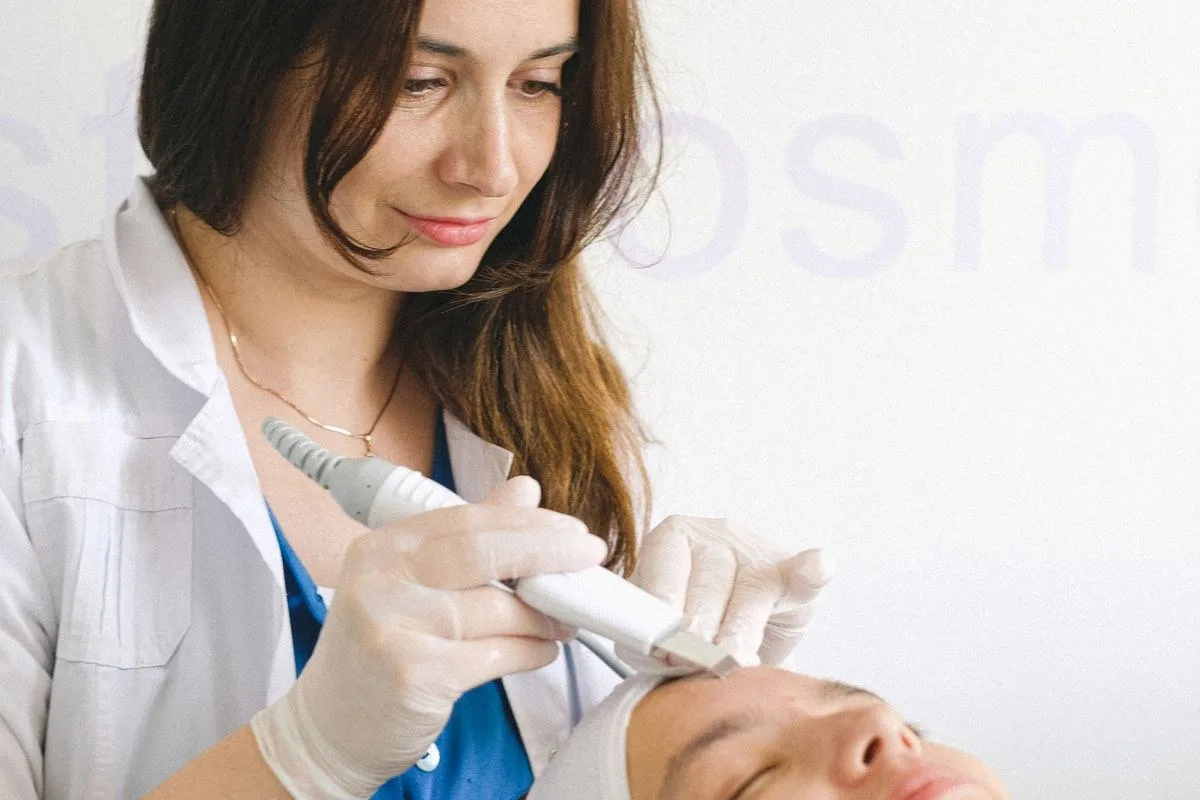
Vagina rejuvenation is the common name for applications aimed at improving tissue support, moisture balance and appearance in the genital area. It has surgery in it, and non-surgical applications. Therefore, the method to be applied to it by the name that the patient hears often does not go to the same door.
Another drawback of the term is that it presents normal anatomical diversity as a problem. Lip sizes, color differences and texture structure vary from person to person; Most of these do not require treatment. The criterion in the assessment is not the image, but whether the patient actually has a complaint.
There are real changes in the region with age and births. Collagen production decreases, tissue loses flexibility, moisture balance is disrupted with menopause. Some of these changes create discomfort; some of them are only part of the normal course of life and do not require interference.
Diagnosis First: What Is the Source of symptoms?

The correct treatment comes after the correct diagnosis. At the examination, the complaint is separated from which table it belongs to. Multiple problems can be found together in the same patient; in this case, it is determined which one is a priority and the treatment is arranged accordingly.
Feeling of looseness: decreased postnatal channel width and pelvic floor support
Dryness and burning: tissue thinning due to menopause or breastfeeding period
Urinary incontinence: fugitives that appear during coughing, sneezing or compression
Shaking: prolapse that develops with decreased uterine, bladder, or intestinal support
Appearance and discomfort: lip asymmetry, friction when dressing or in sports
The practical equivalent of this distinction is great. Making a plan to narrow the channel to a patient with a buildup does not solve the complaint; and a patient with muscle strength loss is not expected to benefit from a volumetric application. The most visible result of the mismatch is that the patient is not satisfied with the outcome.
If there is a shake, the approach changes from the beginning.
Organ sagging is not an aesthetic title; It requires a medical repair. In this table, a plan focusing on channel narrowing becomes inadequate, even misleading. No rejuvenation practices are raised until the degree of shaking and what wall is relevant is determined.
There are symptoms such as feeling pressure in the shake, fullness in the area, difficulty evacuating urine. A moderate degree of pelvic floor work and supporting tools may be sufficient. In advanced degrees, repair surgery is discussed and planning for this surgery is conducted independently of the procedures in the rejuvenation header.
Surgical Methods
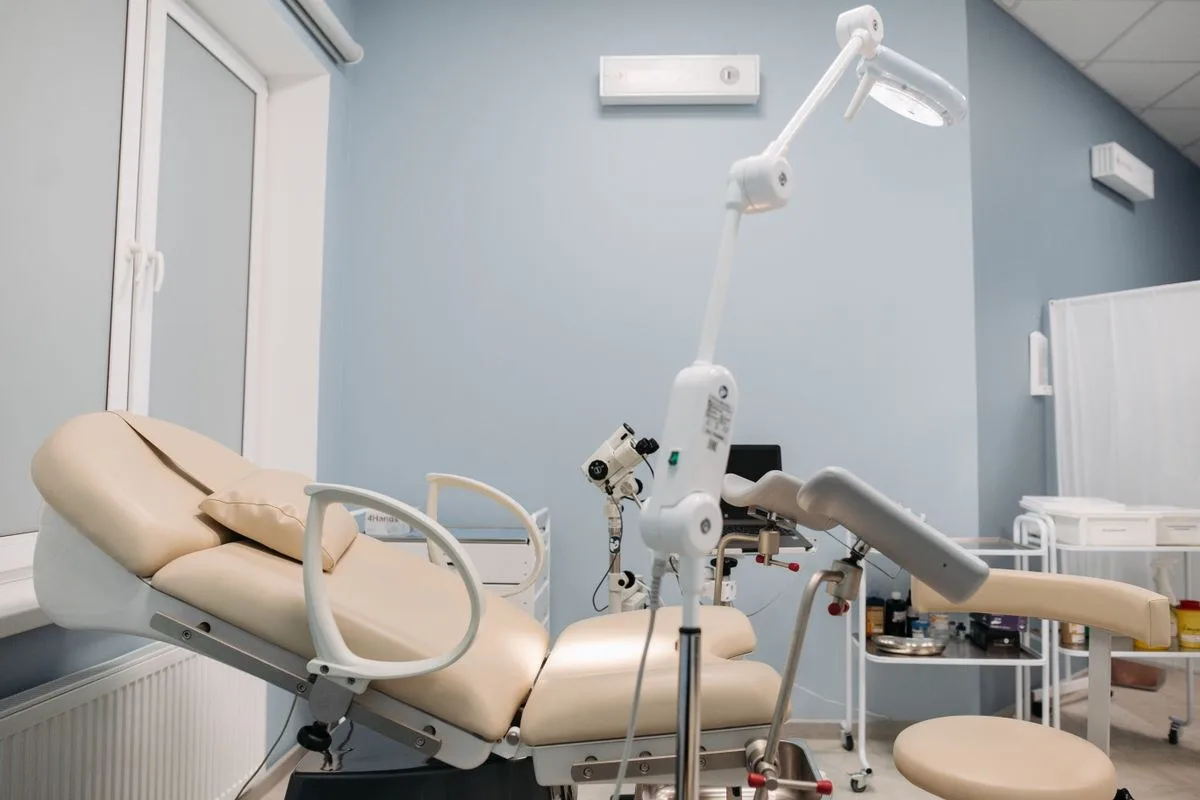
The surgical cap covers the procedures in which the tissue is permanently reshaped, requiring anesthesia, a recovery period, and its return is limited, so the surgical decision is made when non-surgical options are inadequate or not appropriate from the start.
Vaginoplasty
Vaginoplasty is surgery in which the channel diameter is reduced and weakened pelvic floor muscles are recommitted. It is not just the removal of excess mucosa; It is the repair of the muscle layer at appropriate tension that determines the outcome. It comes up in the complaint of apparent laxity after childbirth.
There is a period of recovery that lasts for several weeks after the procedure. During this period, heavy lifting, constipation and compulsive exercise are avoided. The period prescribed by the physician for return to sexual life is expected; Early return can force the sewing line and negatively affect recovery.
Labiaplasty
Labiaplasty is the reshaping of small lips due to size or asymmetry. The measure is not appearance, but functional discomfort: friction and irritation in sitting, sports, or tight clothing. How long the tissue will be protected is discussed in detail before surgery.
A common false expectation in this process is that the two sides will be one-on-one symmetrical. A natural asymmetry is always present in the body, and the goal is not to eliminate it altogether. Taking too much tissue can cause tension and discomfort while avoiding it.
Hudoplasty
Hudoplasty is the regulation of excess tissue of the hood that covers the clitoris. It is usually done in the same session as a labiaplasty because when small lips are reduced, the disproportionateness of the upper tissue can become apparent. Because the area is sensitive, maintaining nerve structures is the most critical aspect of the process.
The healing process is similar to labiaplasty; In the first days, swelling and tenderness are common. It is recommended to keep the area clean and dry, choosing clothes that do not create friction. The change in sensation is usually temporary, but the likelihood of it becoming permanent is clearly explained to the patient prior to the procedure.
Energy Based Applications

This group aims to stimulate collagen production by giving the tissue controlled heat. It is non-surgical, anesthesia is mostly not required and is planned in the form of a session sequence. The effect is not on the same level as surgery; its main use is light and moderate tissue complaints.
Fractional Laser
The fractional laser triggers the repair process by creating very small heat focals in the tissue. The application is done from the foot and is short-lived. It is preferred for dryness and thinning approximations attached to the menopause; it does not provide the expected benefit in the evident looseness or sagging table.
Before the application, the smear and other controls deemed necessary are requested to be up-to-date. If there is an active infection, the procedure will be delayed. Leaves a certain period between sessions; How many sessions are required depends on the person, and it is not the right approach to make a number promise from the beginning.
Radiofrequency
Radiofrequency increases heat within the tissue in a more diffuse way and forces the surface less. There is a warm-up feeling during the application, the return to daily life is usually the same day. The results vary from person to person and may decrease over time, so it may be necessary again.
This method is considered an option in patients who do not want surgery or for medical reasons surgery is not appropriate. Nevertheless, realistic expectation is needed: light tissue can provide support in their complaints, but it is not expected to correct a table where muscle support decreases markedly.
An Honest Note on the Level of Evidence
The level of evidence in this field of energy-based applications is under development and is more limited compared to surgery. Some health authorities have issued a warning for energy-based devices marketed under the name of rejuvenation. Therefore, expectation should be kept within the limits shown by the evidence.
The grounds for the warnings are that these devices have not been supported by sufficient work for some uses, and reported side effects. This does not mean that the method cannot be used in any case; It means that the patient needs to be clearly talked about what benefit he or she is waiting for.
Regenerative and Volumetric Applications
This title covers applications that aim to support the tissue's own repair capacity or to address volume loss. It is not a shape-shifting surgery; its effect is temporary and needs to be repeated at certain intervals.
PRP Application
In PRP, plasma rich in platelet, which is separated from one's own blood, is given into the tissue by a fine-tipped tool. The goal is not to create fullness, but to support tissue nutrition and repair. It is considered an aid in dryness and tissue quality complaints, not presented as a solution in itself.
The application is done from the foot and is short-lived. Because the person is prepared from their own blood, the risk of an allergic reaction is low. Studies in this area are ongoing; It is not possible with today's data to draw a precise framework on the size of the benefit and how long it will take.
Hyaluronic Acid Filler
Hyaluronic acid filling is used to support tissue in areas where volume loss is evident. The placement of the filling is done under local anesthetic application. The substance is absorbed by the body over time; It is not permanent and its effect decreases at different times than the person.
Swelling and bruising may occur in the first days, these findings usually spontaneously decline. Due to the vascularization of the region, it is important to know which layer the filling is given and what amount. Therefore, the practice must be performed by a physician who dominates anatomy.
Medical Treatment and Non-surgical First Step
There are two headings that must be evaluated before moving on to entrepreneurial methods, which form the first digit in most patients and meet the complaint in one part alone.
Local Hormone Treatment in Menopause
When estrogen decreases with menopause, the tissue thins, losing its elasticity and moisture. Dryness, burning and pain during intercourse are the result of this painting. Low-dose hormone therapy applied to the area in appropriate patients is the first option; The decision is made by the physician by evaluating the patient's medical history.
Non-hormone-free moisturizing and lubricant products can also be used as support. In some patients, hormone therapy is not appropriate; In cases such as a history of breast cancer, options are reevaluated with the physician involved. The response to treatment begins to appear within a few weeks.
pelvic floor Exercises and Physiotherapy
Proper functioning of pelvic floor muscles is a widely accepted approach to the feeling of looseness and effectiveness in urinary incontinence complaints. Exercise with the wrong muscle is a common problem; Therefore, it is recommended to learn with a physiotherapist. When maintained regularly, the gain is preserved.
The program is tailored to the person and gradually advanced over weeks. Methods such as biofeedback can make it easier for the correct muscle to be operated. This study is valuable even in patients who are considered surgical; Increased muscle strength before surgery supports subsequent recovery.
Comparison of Methods
The table below puts methods side by side in terms of the problem they are aiming for and the expected outcome. The goal is not to make a ranking, but to show which complaint is related to which group. The final decision depends on the findings of the examination.
Method: The problem he is aiming for; Invasiveness; Recovery time; Permanence; Level of evidence
Surgical vaginoplasty: Channel width and decreased pelvic floor support; Surgery, anesthesia is required; A few weeks; Long-term; The surgery is relatively strong in series
Vaginal laser: A feeling of dryness, thinness, slight looseness; Non-surgical, session sequence; Rapid return to daily life; Limited, may be required again; Developing, limited
Vaginal radiofrequency: Tissue tightness and dryness complaints; Non-surgical, session sequence; Rapid return to daily life; Limited, may be required again; Developing, limited
Filling and PRP: Loss of volume, dryness, texture quality; With non-surgical, thin end vehicle; A few days; Temporarily, it needs to be repeated; Limited
pelvic floor physiotherapy: Loss of muscle strength and urinary incontinence; It's not entrepreneurial; Unexpected; If maintained regularly; Strong as first step
When looking at the table, one should note that the lines do not overlap. A patient may have more than one line at a time; For example, medical treatment for dryness, physiotherapy for muscle strength can be conducted at the same time. Planning oversees this association.
What Is Valued in a Vagina Rejuvenation Examination?
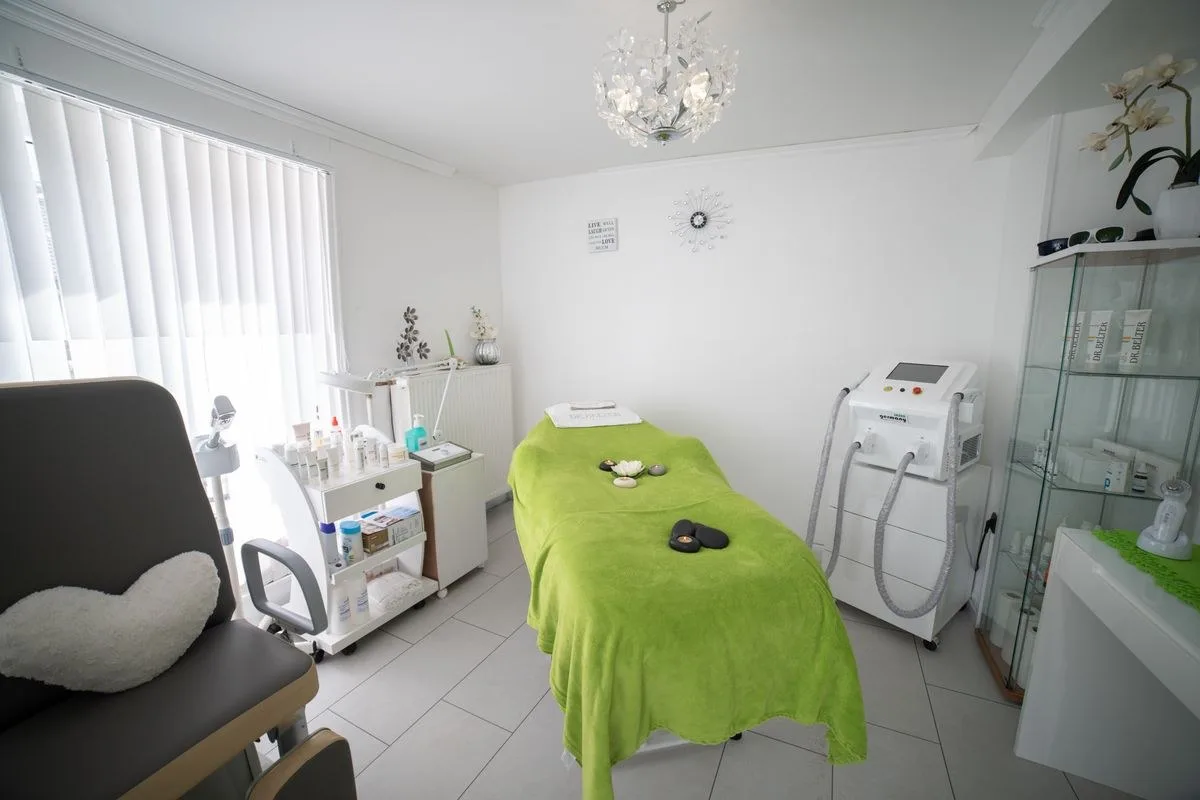
The evaluation begins with a detailed story: the number and form of birth, menopause status, urinary and intestinal complaints, past surgeries, and medications used. Then the pelvic examination examines the quality of tissue, muscle strength, and the degree of sagging, if any.
If urinary incontinence accompanies the painting, additional examination may be required. The consultations also discusses whether the expectation is realistic. This assessment is a Samsun obstetrician Doing with it allows method selection to be based on finding, not assumption.
In the consultations, the time allocated to the patient's questions is also part of the result. The decision is made healthier when it is spoken from the beginning which method will solve what, what will not, and in which case additional processing may be required. It is appropriate to give time and reassess it in situations where it is uncertain.
Timing: Birth Plan, Breastfeeding and Age
Surgery is not recommended before the birth plan is complete. A subsequent vaginal birth re-forces the repaired tissue and may reverse the resulting outcome. In this case, priority is given to pelvic floor work and medical support for the complaint.
Due to hormone levels during breastfeeding, the tissue is thin and dry; the result of the practices performed during this period can be misleading, so the procedures are postponed. During adolescence, development is expected to be completed, if there is no obvious functional problem, the initiative is not considered.
It is also not rushed in the postnatal period. It takes months for the tissue to recover and the hormone pattern to sit down; during this time, part of the complaining spontaneously declines. The evaluation after this period has passed prevents unnecessary attempts.
Samsun Vagina Rejuvenation Risks and Possible Problems

Each method has its own risks, and these should be clearly discussed in the decision-making phase. Most of the risks are rare, but sparseness does not require talking. Below is a brief summary by method groups.
Surgery: bleeding, infection, opening of the suture line, pain due to excessive narrowing, temporary sensation change in the healing process
Energy-based applications: transient discharge, burning and tenderness, sparse tissue injury and adhesion
Filling: swelling, bruising, irregular appearance, sparse vascular congestion and deterioration of tissue nutrition
PRP: temporary tenderness and bruising in the application area
All methods: lack of expectation and need for additional processing
Factors that increase risk are also part of the assessment. Smoking delays wound healing, uncontrolled diabetes raises the likelihood of infection, blood thinner drugs affect the risk of bleeding. Therefore, all medications used prior to the procedure must be reported to the physician.
If there is increased pain, fever, foul-smelling discharge or non-stop bleeding following the procedure, the physician should be consulted without waiting. Early assessment allows the problem to be resolved before it grows.
Conclusion
Samsun vagina rejuvenation The methods collected under the title are not alternatives to each other; They correspond to different problems. So the real question is not which method is more appropriate, but what is the source of the complaint.
The correct sequence begins with diagnosis, in most patients it lasts with a non-surgical step and is completed with the intervention if necessary.
The evidence level and permanence of the methods are different; The decision should be based on examination findings and realistic expectation.

Original Turkish content prepared and reviewed by
Prof. Dr. Aşkı Ellibeş Kaya
Specialist in Obstetrics and Gynecology
Last updated: 9 September 2026
The content on this page is intended for informational purposes; the diagnosis and treatment decision is made only with your physician after the examination.
The information on this page is for general informational purposes only and does not replace medical advice, diagnosis or treatment. Each patient's condition is different; the method and process to be applied is determined only by the physician after examination and evaluation.
Frequently asked questions
Oh, no. This expression describes a group of methods that range from surgery to non-surgical applications. The procedure to be applied to the patient is determined based on the source of the complaint after the examination; Two patients with the same name may be offered different treatments.
Related Services
Other topics under the title Genital Aesthetics.

Start with an appointment
Let us determine the day and approach that best suits you. Your consultations are conducted on a privacy basis.