
Samsun Genital PRP Treatment
Genital PRP is the application of platelet-rich plasma from your own blood to genital area tissues. The goal is to support the process of self-repair of tissue.
Samsun genital PRPThe application is planned after a gynecological examination, where the platelet-rich plasma prepared from one's own blood is given to the genital area.
The purpose of this article is neither to exaggerate nor to underestimate the practice. We would like to convey as to what approximations Genital PRP is coming up with, how plasma is prepared, who is not suitable for it, and where the level of scientific evidence stands today. It is important to note from the beginning that the results vary from person to person.
Like any application to the genital area, this method requires a detailed gynecological assessment prior to which no action is done without the source of the complaint being correctly identified, giving the expected benefit. Prof. Dr. Aşkı Ellibeş KayaAfter evaluation, he talks with his patient about whether the application is appropriate.
What is Genital PRP?
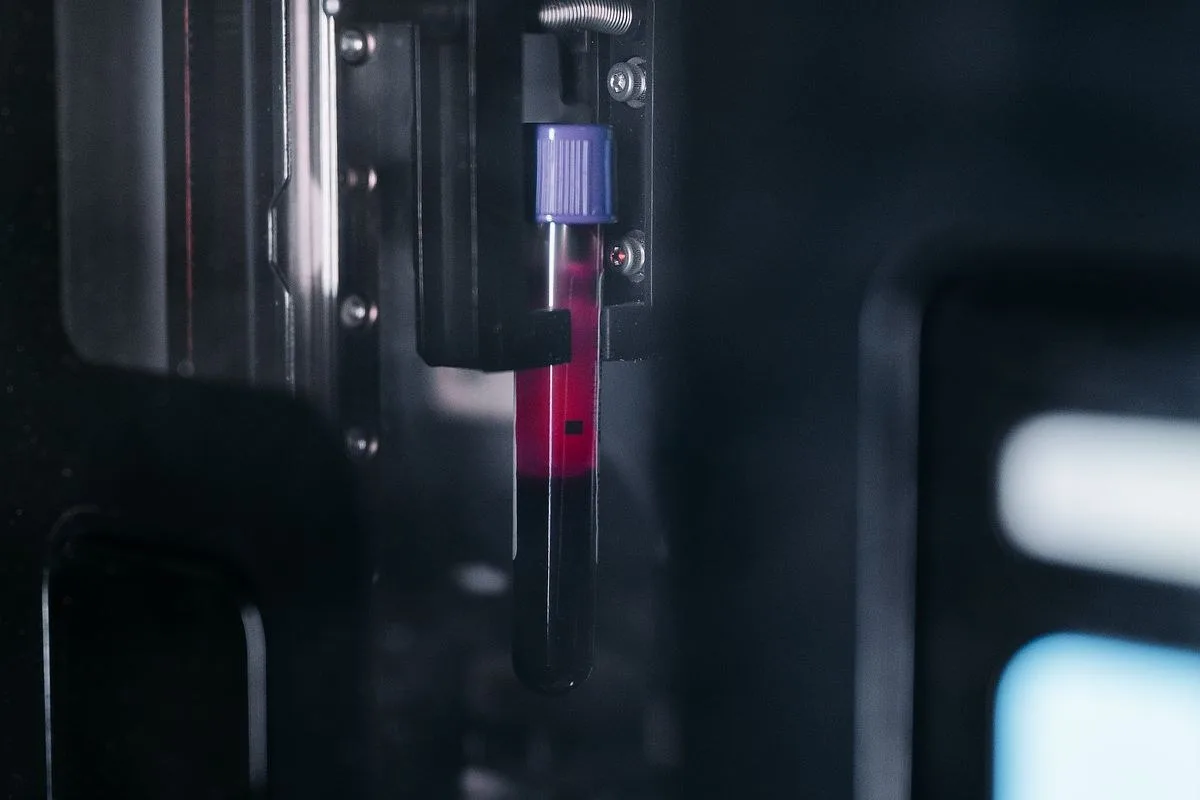
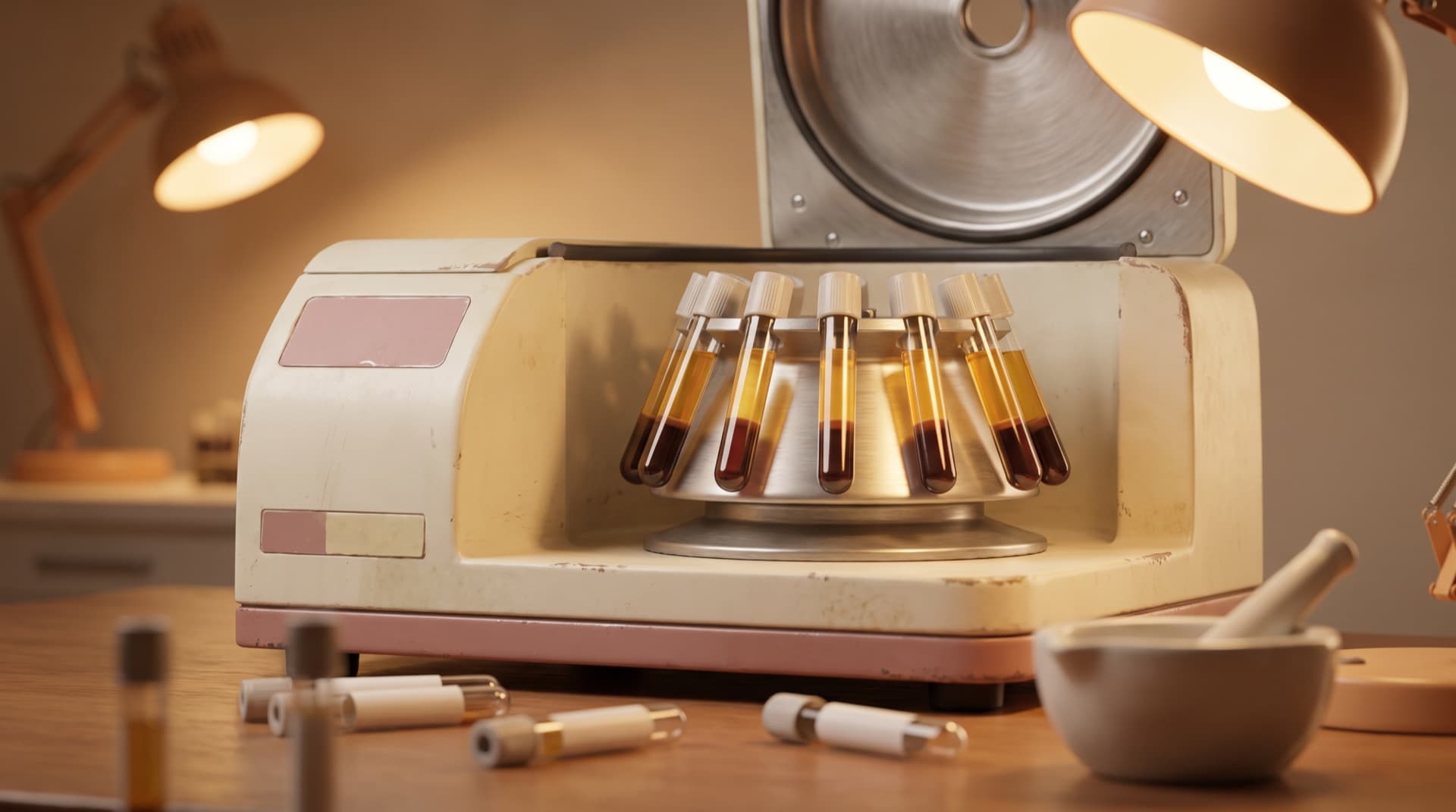
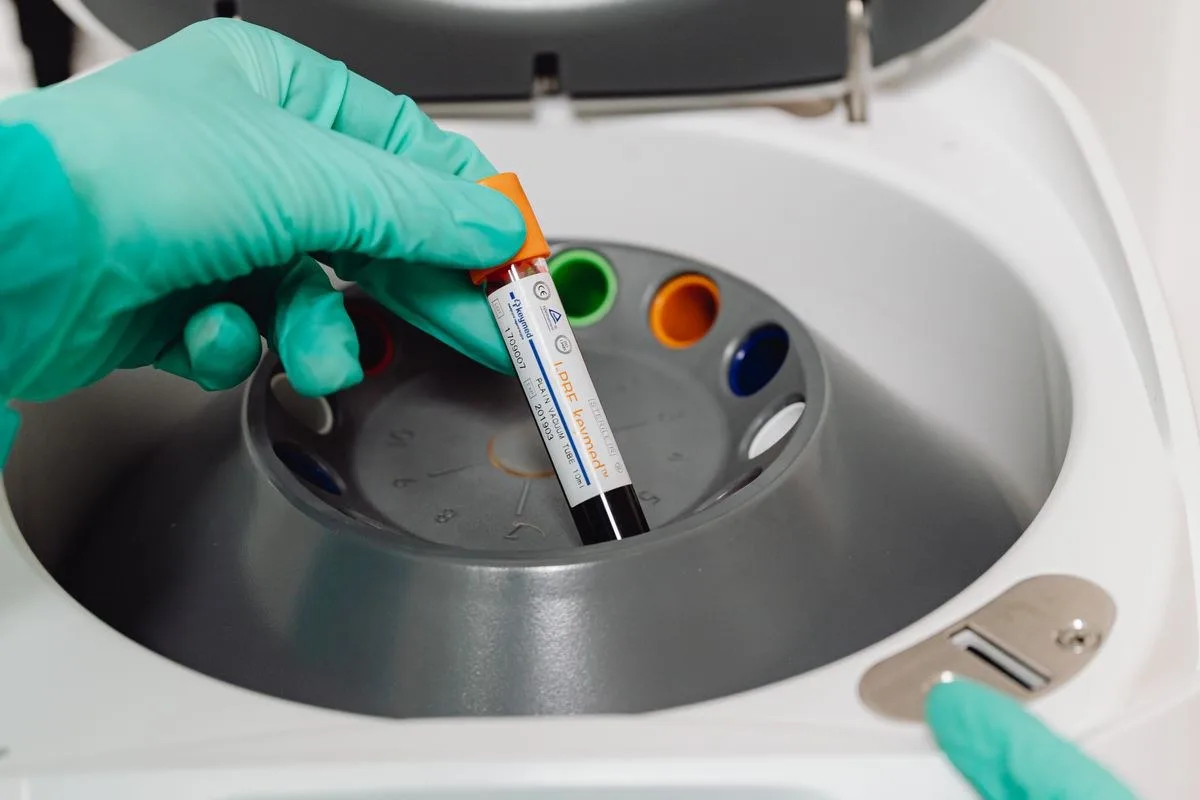
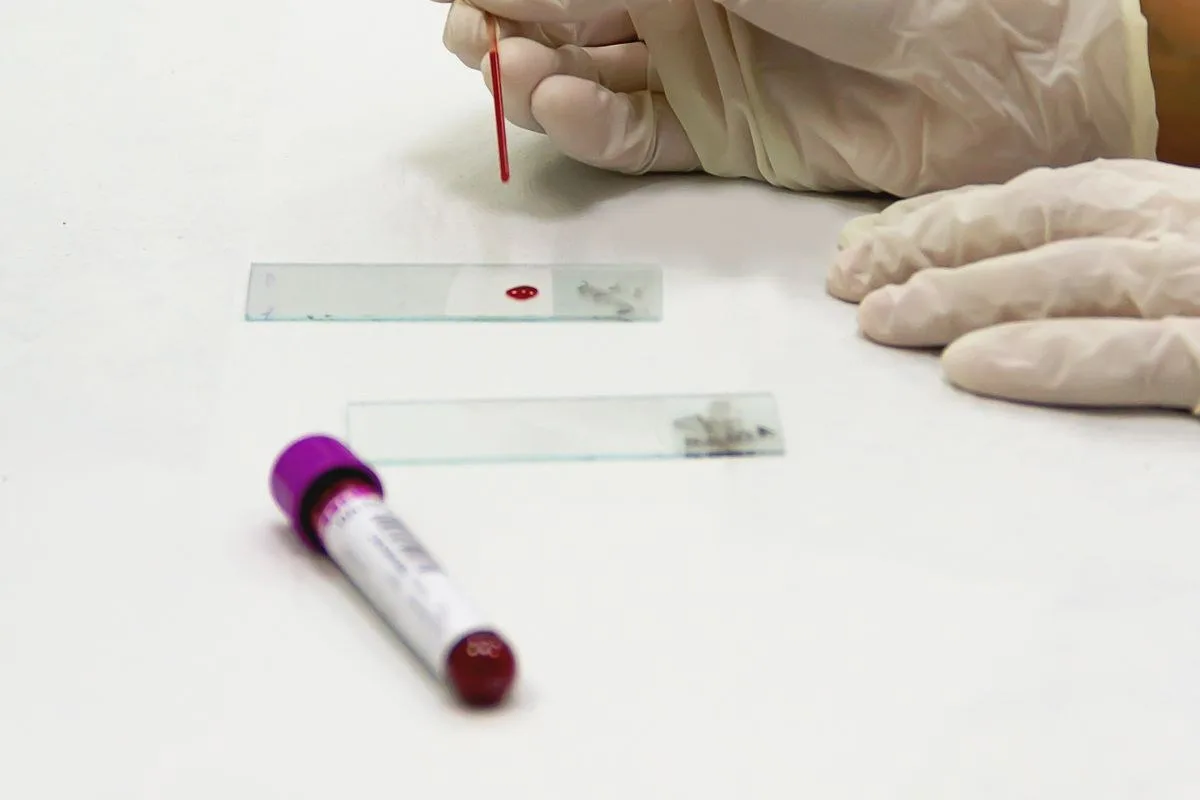
PRP is an English abbreviation for plasma rich in platelets. A small amount of blood taken from the person is centrifuged into their layers in suitable tubes; The plasma section with a high platelet density is prepared for use by parsing. The whole process is completed in the same session, in a short time.
The resulting plasma is considered autologous because it comes from one's own tissue. There is a very low risk of allergic reactions, as no foreign substance is given to the body from outside. However, being an autologist does not mean that the practice will benefit everyone or is completely risk-free; These two issues should not be confused.
Platelets and Growth Factors
Platelets are cell particles that are involved in the clotting of blood. These also carry various growth factors in the granules inside them. These molecules released when the tissue is stimulated act as signals regulating cell proliferation, vascularization and connective tissue construction in the natural steps of wound healing.
This is the idea that genital PRP is based on: when concentrated platelets are given to the area, it is expected that the tissue will stimulate its own repair mechanisms. So plasma is not a substance that directly regenerates tissue; It is a stimulus that supports the already existing healing process of the body. This distinction is important in establishing expectation correctly.
Preparation conditions may vary from center to centre; The type of tube used, centrifuge speed and duration affect the content of the plasma obtained.
The lack of a standard method association is one of the reasons that makes it difficult to compare the results reported from different centers one-on-one, and this is also frequently expressed in studies.
PRP Is Not Stem Cell Treatment
It is especially important to underline this title. Genital PRP applications are occasionally introduced as stem cell transfer; this definition is incorrect.
The prepared plasma does not contain stem cells. It contains platelets, plasma proteins and growth factors secreted by platelets; Obtaining stem cells is a different laboratory process.
The source of the confusion is that both approaches are referred to under the heading aimed at regenerative i.e. tissue repair. However, being oriented towards the same goal does not mean having the same biological content. It is necessary for the patient to know correctly what was given to him, both in terms of informed consent and realistic expectation.
When the patient hears that an application is introduced as a stem cell, it is best to ask his or her physician about the details of this. What the prepared product is, how it is obtained, and what it aims for should be clearly explained. You do not have to consent to any application whose narrative has been enlarged, whose content has been obscured.
At What Proximity Does Genital PRP Come to the Agenda?

The practice is not raised as a primary treatment for a disease, but as a supportive option at certain complaints. It is essential to investigate the cause of the complaint before deciding what situation it may be considered; Because behind the same complaint can be found very different causes of hormonal, infectious or dermatological.
Vaginal dryness and accompanying urogenital complaints that occur during menopause or for other reasons
Tension due to decreased tissue elasticity, irritation and feeling of discomfort during the day
Treating pain and discomfort during intercourse as supportive after the cause has been investigated
In chronic skin tables, such as lichen sclerosus, the physician's assessment of the actual treatment planned as additional support
Requests to support tissue quality and moisture balance in the external genital area
Mild complaints lasting in tissue whose recovery has been completed during the postnatal period
vaginal dryness and Urogenital Proximity
Vaginal dryness is a common complaint, especially during the postmenopausal period, and is often accompanied by symptoms such as burning, itching, frequent urination. Behind this table is often a decrease in estrogen level; Therefore, the initial consideration is hormonal.
Plasma application can be raised as a supportive option in these complaints. However, it is a priority to establish the hormonal cause and plan the appropriate treatment. It should be remembered that dryness may also have other causes, such as drug use, breastfeeding, or accompanying diseases.
Support in Chronic Tables Like lichen sclerosus
lichen sclerosus is a chronic disease affecting the external genital area skin and requires regular physician follow-up. The main treatment is the plan that the physician has set. Plasma application is not a substitute for this plan; But it can be considered an additional option to support the current treatment in selected patients.
No substance on this list means that the application is a permanent treatment in that condition. In diagnosed diseases such as lichen sclerosus, the main treatment is the plan determined by the physician; plasma application is an additional option that supports this plan, though, and is not substituted.
How is Genital PRP Made?
The process begins with a small amount of blood sample being taken from the arm. The blood received is transferred to the appropriate tubes and rotated in the centrifuge device and divided into layers. The rich section of the platelet is prepared by parsing. This preparatory stage is completed in the conditions of the practice, as soon as the patient expects it.
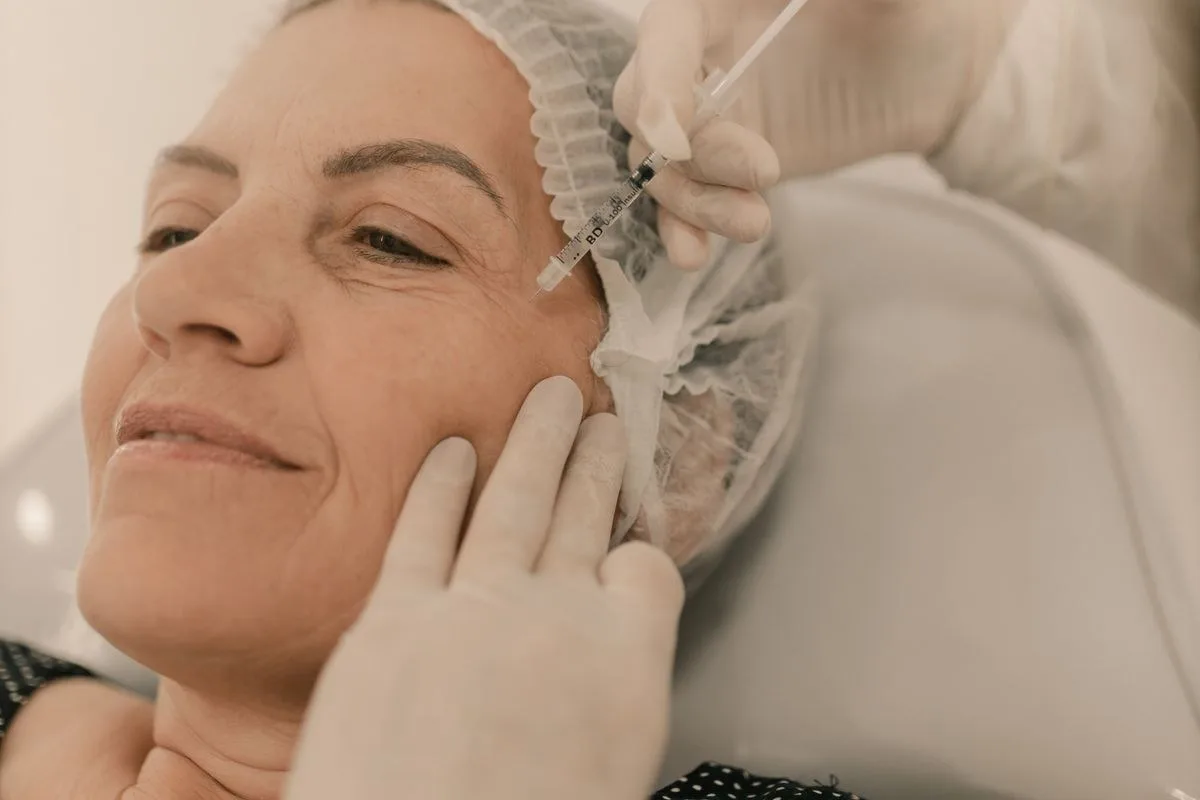
The prepared plasma is given to the targeted area by a fine-tipped vehicle. Before application, local anesthetic cream is expected to be smeared on the area; Thus, the discomfort felt during the process is reduced. The areas to be given and the distribution are determined by the physician according to the patient's complaint and examination findings.
Pre-Process Preparation
A gynecological examination is performed first, and if deemed necessary, blood count and clotting-related examinations are requested. Medications used, especially those that affect bleeding, should be reported to the physician. If there is evidence of active infection, the application is delayed and the infection is expected to be treated first.
Post-processing Process
The procedure is brief and does not require hospitalization. On the same day, it can be brought back to daily life. Since there may be mild tenderness in the area in the first days, it is requested to take a break as long as recommended by the physician for heavy sports, pool, spa and sexual intercourse. That depends on the person.
Genital PRP Session Planning and Permanence of Effect
Genital PRP is usually applied in a sequence of sessions scheduled at certain intervals, not at one time. How many sessions will be required depends on the type of complaint, the state of the tissue, and the response received; it is not right to give a valid fixed number for everyone. The plan is issued to the person after the examination.
The effect usually becomes apparent not immediately, but within weeks; because what is intended is the stimulation of repair processes in tissue, and this requires biologically time. The resulting change is also not permanent. Over time, complaints may re-emerge and recurrence of the application may arise.
Controls are important to see if the plan works. The change in proximity is discussed with the physician between sessions, and if necessary, the plan is updated. If the expected benefit is not seen, it is a more accurate approach to re-examine the cause of the complaint, rather than persistently maintaining the practice.
To whom is Genital PRP not applicable?
Just because an autologous product is being used does not mean that the application can be done to anyone. In some cases the process is never performed, while in others the underlying problem is delayed until it is resolved. Therefore, the decision cannot be made without a detailed story and examination.
Pregnancy period
Active infection in the area of application or body
Bleeding and clotting disorders
Diseases affecting the number or function of platelets
Period of active cancer treatment
Cause unresearched genital bleeding
Blood sugar unchecked diabetes
Unresearched bleeding is a title that should be particularly noted. In such a case, the priority is to reveal the source of the bleeding. No application that covers the complaint will replace the diagnosis and any steps that cause delay are against the patient.
Genital PRP Risks and Possible Side Effects
The most common side effects are temporary: there may be tenderness, redness, bruising and mild swelling in the area where the application is performed. These findings often spontaneously recede within a few days. Applying ice to the area and simple measures recommended by the physician provide relief.
Rarely, infection can develop. If symptoms such as increased pain, fever, spread of redness, or foul-smelling discharge occur, the physician should be consulted without waiting. Compliance with sterile conditions and the practice by the physician are essential elements that minimize this risk.
Not seeing the expected benefit is also among the possible outcomes, and this is a topic that should be clearly discussed during the briefing.In addition to the possible benefits before deciding on the application, telling the patient about the possibility is an integral part of a healthy approval process.
In patients using blood thinners, the decision is not made without consultation with the physician who administers the drug. Likewise, the condition is also assessed in people who receive treatments that suppress the immune system. The complete transfer of all drugs and existing diseases used is therefore important.
Comparison of Genital PRP with Other Approaches
Multiple approaches can be raised for similar complaints, and their mechanisms of action are different. The table below is prepared to compare options with rough lines; What determines the appropriate option for the person is not the lines in the table, but the findings of the examination and the cause of the complaint.
Approach: Mechanism of action; The complaint he was aiming for; Permanence; Level of evidence
Genital PRP: Stimulation of tissue repair by growth factors released from their own platelets; Dryness, loss of flexibility, texture quality; Temporarily, it may be necessary again; Studies continue, limited
Hyaluronic acid filler: To give volume and moisture retaining agent to the tissue; Loss of volume, feeling dry; Temporary until it is absorbed; Medium varies by area of application
Local hormone therapy: Supporting tissue structure with regional estrogen effect; urogenital complaints due to menopause; As the use continues; The most built-in option in this field
Vaginal energy applications: Creating repair response in tissue with heat or light energy; The feeling of dryness, slackness; Temporarily, it may be necessary again; Controversial, additional work required
The point that stands out in the table is that the level of evidence differs markedly between options. Local hormone therapy in menopause-related complaints has been used for years and is the most researched option. Other approaches are either limited to specific situations or work on them is ongoing.
Level of Scientific Evidence and Realistic Expectancy
Scientific studies in this area are ongoing. The major part of the research published was done with small groups of patients, with short follow-up times and different methods of preparation. Therefore, the level of evidence of genital PRP is limited to established options such as local hormone therapy used for years in menopause-related complaints.
Limited evidence does not mean that the method does not work; It means that it is difficult to tell in advance the extent to which the result will appear. Some people experience significant relief from complaints, while others may have limited change. No narrative that promises absolute success is scientific.
The correct approach is to view the application as part of a holistic plan, not as a stand-alone solution. If the cause of the symptoms is hormonal, it is dealt with first; if there is skin disease, its main treatment is maintained. Plasma application is a supportive option that can be evaluated alongside this plan.
How Does Genital PRP Process Advance in Samsun?
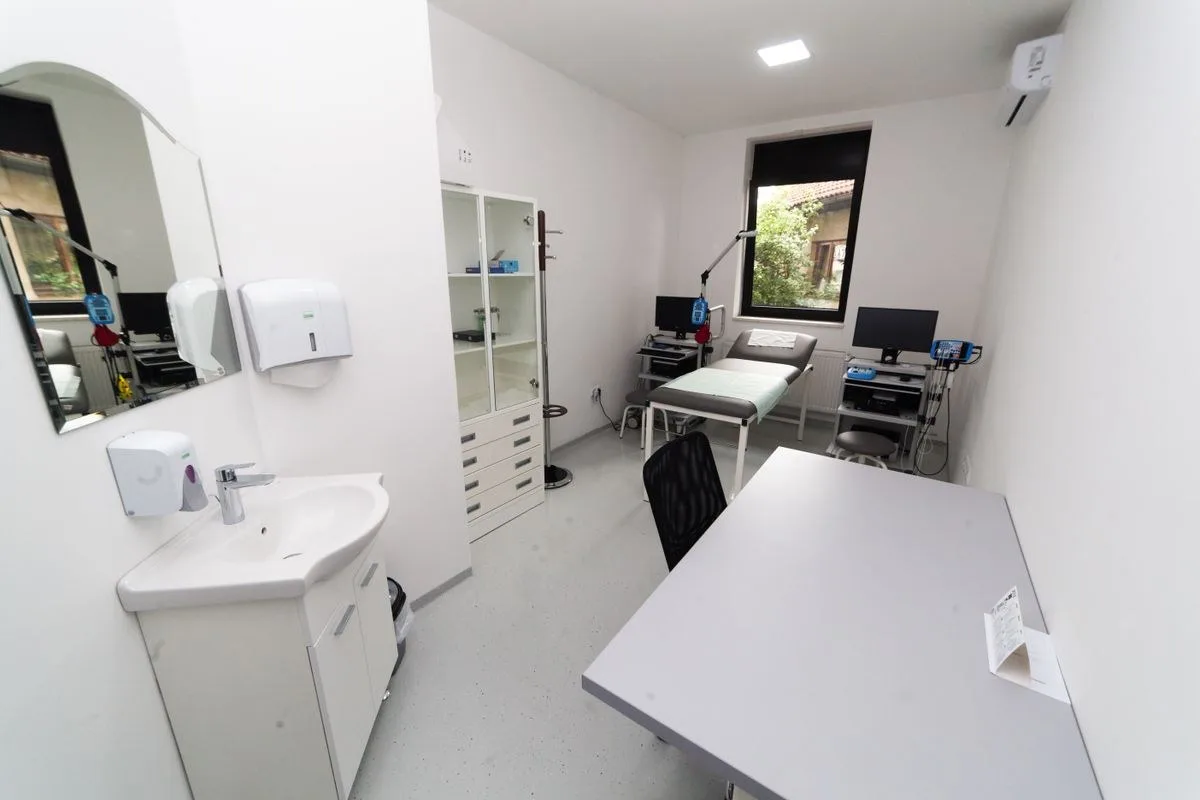
The process begins with the complaining being listened to in detail. It is questioned when it begins, to what extent it affects everyday life, whether there are complaints of accompanying urine or discharge. Next, a gynecological examination is performed and further examination is requested if necessary. A suitable Samsun obstetrician It is not implemented without evaluation.
At the end of the evaluation, whether the application is appropriate, the expected benefit and possible risks are clearly discussed with the patient. In cases that are not considered appropriate, the reason for this is described and alternative ways are discussed if there are any. It is not a contradiction to the process that the patient asks questions and asks for time for the decision, but an attitude that is a natural part of the process.
It is not easy for many women to express complaints towards the genital area, and therefore applications are often delayed, whereas these complaints are medically ordinary titles; providing an environment in which they can speak comfortably in the practice is the first step in achieving the correct diagnosis.
Conclusion
Samsun genital PRPIt is a supportive practice aimed at stimulating tissue repair processes with plasma rich in platelet prepared from one's own blood. It does not contain stem cells, it is not a miraculous solution, and its effect may not be permanent. Knowing these, approaching them prevents frustration from the beginning.
No application without investigation of the cause of the symptoms will provide lasting benefit. The right line; listening, examining, asking for examination if necessary, and only after that to determine the appropriate option with the patient. If you have regional complaints, it is the healthiest step to share them with a gynecologist and obstetrician.

Original Turkish content prepared and reviewed by
Prof. Dr. Aşkı Ellibeş Kaya
Specialist in Obstetrics and Gynecology
Last updated: 28 August 2026
The content on this page is intended for informational purposes; the diagnosis and treatment decision is made only with your physician after the examination.
The information on this page is for general informational purposes only and does not replace medical advice, diagnosis or treatment. Each patient's condition is different; the method and process to be applied is determined only by the physician after examination and evaluation.
Frequently asked questions
Oh, no. The prepared plasma does not contain stem cells; It consists of platelets and growth factors that they secrete. Stem cell acquisition is a completely different laboratory process. It is common to confuse these two concepts, but they cannot be scientifically used interchangeably.
Related Services
Other topics under the title Genital Aesthetics.


Start with an appointment
Let us determine the day and approach that best suits you. Your consultations are conducted on a privacy basis.