
Samsun Pubic Fat Reduction with Lipolysis
It is the practice aimed at reducing local fat excess in the groin area by non-surgical means.
Samsun pubis lipolysisIt aims to reduce fat tissue in the groin-top region by non-surgical methods.It is appropriate to be brought up after weight balance has been established.
In the medical language, fullness in this area, called mons pubis, creates discomfort in terms of both appearance and daily comfort in some women because it can be distinguished from the outside in tight clothing.
Lipolisis is not a specific device in itself; cold application-based systems refers to a header covering different technologies, such as laser-assisted methods and radiofrequency-based devices.
In this article, the limits of how methods work, who they can work with, in what situations they are inadequate and the level of scientific evidence are handled in an unflattering manner. Prof. Dr. Aşkı Ellibeş Kaya Physical examination in the office does not replace general information on the Internet, and the decision process must be carried out with the physician.

What is Pubis Lipoliz?
Pubis lipolysis is the common name for non-surgical procedures performed to reduce volume in the pubic oil cushion.
The goal is to reduce the number or volume of fat cells in the area, reducing the apparentness under clothing. Since the procedure does not involve surgical incisions, tissue integrity is maintained and the daily life return time is short.
These practices are intended for regional shaping; It is not a treatment for lowering the overall fat ratio. No measurable change is expected in the entire body, only a limited thinning in the applied area. Therefore, weight management and diet are as decisive as the practice itself before and after the procedure.
The groin-top region is an oil tank that acts differently from the lower abdomen. It is sensitive to hormonal effects, with varying skin thickness and the way it binds to the lower tissue.
This anatomical difference does not mean that a method that is effective in the abdomen will respond similarly to the pubis region in the same person, and requires that planning be done specifically to the area.

What Causes Lubrication in the Groin Top Region?
The fullness in the Mons pubis region is often caused by the combined effect of multiple causes.
Genetic fat distribution, weight gain periods, pregnancy and postnatal changes, hormonal fluctuations in the transition to menopause, and decreased skin flexibility with age contribute to this table together. In most people, several of these factors play a role at the same time.
In women who experience rapid and apparent weight loss, the area may have a different appearance.
As fat volume decreases, prolapse comes to the fore when the skin does not recover at the same rate, and the complaint is no longer caused by excess fat but rather by excess skin. This distinction is one of the most critical assessment headings that determine which method is appropriate.
In some women, the complaint goes beyond aesthetic appearance. Volume growth in the area can result in functional titles such as discomfort during sports, irritation in tight clothes, difficulty with hygiene or loss of self-confidence in sexual life.
Detailed rest of these complaints in the examination allows realistic positioning of the expectation.
Non-operative Lipolisis Methods
The following headings can be alternative to each other, as well as in some cases they can be planned together.
The commonality of all is that they do not contain surgical incisions, while the common limit is that the level of evidence for its effectiveness is weaker and more variable compared to the surgical fat removal process. Method selection is done based on the texture of more people than the device.
Cold Application-Based Methods (Cryolipolisis)
Cryolipolysis is based on the principle that fat cells are more susceptible to cold than surrounding tissues. The area is cooled in controlled form, with some of the affected fat cells being removed by the body over time.
Results are not seen instantly; The change usually begins within weeks and continues to slowly become apparent for several months.
The most obvious limit of the method is that the resulting thinning varies significantly from person to person.
Tissue thickness, placement of the oil, and recovery capacity of the skin directly affect the result. Most people require more than one session to notice a significant difference, and some people may not receive the expected level of response at all.
Laser Assisted Lipolysis
In laser-assisted applications, light energy is converted to heat and aimed at fat tissue.
As there are superficial systems applied over the skin, applications that reach under the skin through a thin cannula and are performed under local numbing are evaluated under this heading. The second group is considered invasive, even if it is non-surgical.
It is suggested that a limited recovery response may occur in the tissue with heat effect, but expectation should be kept in moderation as to the size of this effect.
If skin sagging is evident, the tightening that heat-based methods will provide will not be enough. Post-application is a course where temporary tenderness and swelling are expected to be seen in the area.
Radiofrequency Based Applications
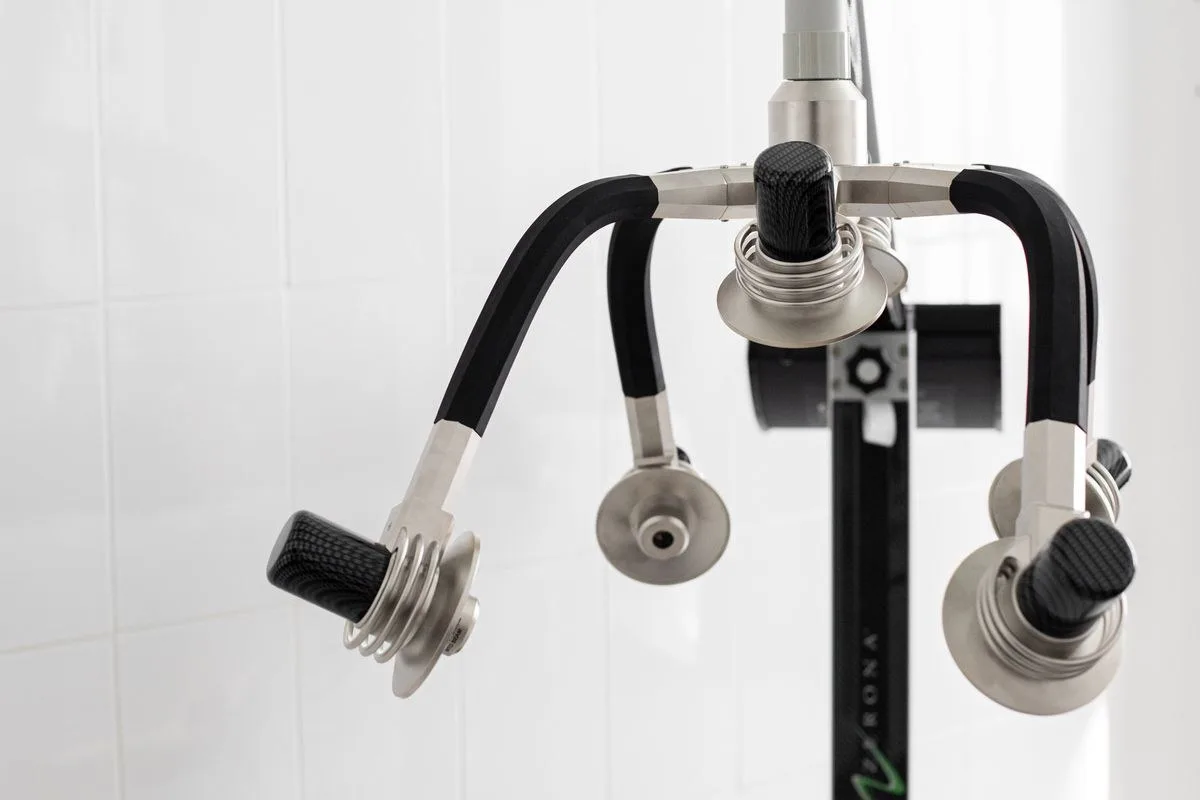
In radiofrequency systems, controlled heat increase is created in deep tissues by electromagnetic energy.
The goal is to both affect fat tissue and stimulate recovery response in connective tissue.The practice is usually painless and sessions are repeated at certain intervals; returning to daily life is often possible on the same day.
In these methods, the result is gradual and the goal is to soften the contour rather than a dramatic loss of volume.
There may be a reasonable option in people who describe mild laxity and do not think surgically, but a satisfactory improvement should not be expected in paintings with a real skin excess.
Applications to Reduce Fat Tissue with Medication
In this group, substances that have been reported to affect the fat cell membrane are given to the area by a thin end cannula.
The practice is planned in sessions and it is considered usual to develop tenderness with temporary swelling, redness in the area. The impact size varies by person and its predictability is lower than other methods.
There is a point here that should be particularly emphasized: the license scope and approved uses of these products vary from country to country and from product to product; the overgroin region is often not listed on the approved indication list.
It should not be applied under any circumstances without physician evaluation and informed consent.

Who is a suitable candidate, and who is not?
The group with the highest probability of benefiting from non-surgical methods are those whose weight sits in a certain range, whose skin flexibility is largely preserved and whose complaint is caused by a limited excess of fat.
The moderation of expectation stands out as one of the most important variables that determine satisfaction with the outcome.
Persons whose weight has not fluctuated in recent months are in a stable period.
Skin sagging is not apparent, tissue is relatively tight areas
Applications describing mild or moderate regional fullness
Persons who are ready for multiple sessions and gradual outcome
Realistic expectation that the outcome may vary by person
In contrast, non-surgical methods are insufficient in the sagging skin excess that occurs after birth or significant weight loss.
Energy-based applications cannot cut and remove the skin; even if volume decreases as long as excess remains in place, the appearance does not reach the desired level. The method to be evaluated in this table is monsplast.
Regional practices also do not offer solutions in people with high body mass index and general weight gain. These methods do not substitute for obesity treatment and are not a means of weight loss.
The priority should be a comprehensive weight management plan to be conducted with the diet, physical activity, and related majors when necessary.
Lipolysis or Surgical Methods?
The way to choose the right method is to clarify the source of the complaint, whether the problem is mainly fat volume or excess skin.
In the examination, standing and lying assessment of the area, testing of the skin's recovery capacity, and examination of the abdominal wall make it largely possible to make this distinction.
Comparison: Non-surgical Lipolysis; Liposuction (surgery fat removal); Monsplasti (Cilt sling)
The problem he was aiming for: Light-moderate fat excess, skin tightness preserved area; Specific oil excess and volume problem; Sagging and excess skin
Anesthesia: Mostly not required or superficial numbing; Regional or general anesthesia; Usually general anesthesia
Number of sessions: Usually more than one session; It is often completed in a transaction; A surgical procedure
Recovery: Return to daily life mostly on the same day; A few days of rest, corset period; Longer recovery and wound care
Track: Surgical scarring is not expected; Silly traces of small entry points; Permanent surgical scar on the pubic line
Permanence: Depends on weight control, variable by person; Long-term if the weight is maintained; Significant and long-lasting because the skin excess is removed
Level of evidence: More limited and variable; Years of surgical experience; Defined surgical technique and predictable outcome
Comparison in the table is not a ranking of superiority among methods. Each line shows a different response to a different problem.
Non-surgical applications are less invasive, but have a more limited domain; surgical options provide more extensive improvement; in contrast, they require a specific recovery time and track.

How Does the Implementation Process Work?
Inspection and Planning
The process begins with a detailed consultations. The duration of the complaint, the history of weight change, the history of pregnancy and birth, the accompanying diseases are questioned.
The area is then examined; findings such as fat thickness, skin elasticity and hernia if any are evaluated to determine whether the application is appropriate.
It is of great importance that expectations are mutually clarified during the planning phase. At what level a change is realistic, how many sessions are foreseen, when the result will be evaluated and what path to follow in case the method does not work is clearly spoken in this consultations and informed approval is taken.
Session Day
Applications can be performed in practice conditions, and the time per session is usually short. The area is cleared, surface numbing is provided if necessary according to the method, and the application is done in the planned area. During the procedure, it is considered usual to describe a feeling of coldness, warming, pressure, or mild tingling.
At the end of the session, the area is checked and the person returns to his or her daily life after a brief rest in most cases. Short-term restriction may be recommended on titles such as heavy sports, saunas and hot water applications. The timing of the next session is planned according to the method applied and the response of the tissue.

The Recovery Process and the Prominence of Results
The common feature of non-surgical applications is that the result does not appear instantly. Since it takes time for the affected fat cells to be removed by the body, the change usually begins to be noticed within weeks and lasts gradually for several months.
Early evaluations due to swelling in the early days can be misleading.
Therefore, the control time determined by the physician for evaluation of the result should be expected. It is a more accurate approach to see the response of the tissue rather than making an additional session decision in the early period.
In the control examination, the area is re-examined and decided based on the actual change that is achieved whether to continue.
The permanence of the results depends largely on weight balance. Post-application weights can re-uplift volume in the reduced area and disrupt the resulting appearance. Therefore, the process should not be seen as a replacement for a life pattern that involves regular nutrition and physical activity, but as a step that complements it.
Risks, Side Effects, and Situations That Should Not Be Implemented
The risk profile of non-surgical methods is relatively low, but not without risk. A sense of temporary redness, swelling, bruising, tenderness and numbness can be seen in the area being applied.
These findings mostly spontaneously decline; physician control is required if they last longer than expected or increase.
Less frequent conditions include disorder and asymmetry due to uneven reduction of fatty tissue.
Rarely, the stiffness felt by hand under the skin can develop. In some people, a meaningful change is never achieved; This possibility must have been initially discussed.
The following titles summarize situations that may require the implementation to be delayed or not done at all.
This list does not replace personal evaluation; other findings identified in the examination may also prevent application, and the decision is always made with the detailed story.
Pregnancy and lactation
Active infection, open wound or skin disease in the area to be applied
Uncontrolled diabetes and conditions that impair wound healing
Bleeding-clotting disorder or the use of blood-watering drugs
In the area, there is a suspicion of hernias or hernias
Diseases with extreme sensitivity to cold in cold-based methods
Applications whose expectations are unrealistic or whose diagnosis has not been clarified
Commonly encountered Misinformation
The most common misconception is that these practices are weight-loss, and regional operations do not produce measurable change in scale; their goal is only to soften the contour of the applied area.
Expecting a permanent improvement from a regional process while maintaining overall weight gain is a clear approach to disappointment from the start.
The second misconception is that the result will be similar to everyone else. Tissue structure, depth of placement of fat, hormonal status and life pattern make serious differences from person to person.
Therefore, it is healthier to proceed with a prediction based on your own examination findings, rather than waiting for the same result taken in another.
Third, the belief that the device name determines the result is common. Whereas, the decisive thing is the right patient choice, the right area planning and practice under the supervision of a physician. A method implemented in the wrong indication does not yield the desired result and causes unnecessary cost, no matter what technology it uses.
Evaluation Process in Samsun
Complaints against the overgroin area are often intertwined with other headings of women's health. Postpartum changes, menopause transition, urinary incontinence, or pelvic floor complaints may occur at the same meeting.
Therefore, it is more beneficial to make the assessment holistic than to focus on the regional outlook alone.
It makes it easier to discuss your history of weight change before the appointment, your past surgeries and taking notes of the medications you are using.
When your complaint about the area began and how it affected your daily life, a Samsun obstetrician It is important for proper planning in its examination.

Conclusion
Samsun pubis lipolysis Its applications offer a non-surgical option in people with a limited excess of fat in the groin area and whose skin flexibility is preserved. However, the impact size of these methods varies significantly from person to person, often requiring multiple sessions, and the level of evidence is more limited than surgical options.
Unsurgical applications in paintings with an excess of saggy skin are insufficient and surgical evaluation is required. It can only be understood by physical examination which way is appropriate.
Realistic expectation, maintaining weight balance and conducting the process under physician supervision are the three most important topics that determine satisfaction.

Original Turkish content prepared and reviewed by
Prof. Dr. Aşkı Ellibeş Kaya
Specialist in Obstetrics and Gynecology
Last updated: 28 August 2026
The content on this page is intended for informational purposes; the diagnosis and treatment decision is made only with your physician after the examination.
The information on this page is for general informational purposes only and does not replace medical advice, diagnosis or treatment. Each patient's condition is different; the method and process to be applied is determined only by the physician after examination and evaluation.
Frequently asked questions
Oh, no. These practices are intended for regional shaping and do not have a meaningful effect on overall weight. It is not a substitute for obesity treatment or weight management. If the weight excess persists, the priority should be diet and physical activity, regional practices should only be raised after the weight has sat down.
Related Services
Other topics under the title Genital Aesthetics.


Start with an appointment
Let us determine the day and approach that best suits you. Your consultations are conducted on a privacy basis.