

What Do ASC-US, LSIL and HSIL Mean on a Pap Smear?
The incidence of ASC-US, LSIL and HSIL as a result of Smear indicates that different degrees of changes are detected in the cells of the cervix. These results alone do not mean cancer; HPV status, age, previous tests and, where necessary, the findings of colposcopy are evaluated together.
What Do ASC-US, LSIL and HSIL Mean on a Pap Smear?
As a result of Smear, ASC-US, LSIL and HSIL Their expression is the results of cytology, which describes changes in various degrees in cells taken from the cervix.
These statements alone do not mean a diagnosis of cervical cancer. Smear testThe result can be reported by categories such as ASC-US, LSIL or HSIL when different appearances are detected in cells that are taken from the cervix under a microscope. Most abnormal results refer to cellular changes other than cancer.
How the result will be evaluated is not determined solely by the statement in the smear report. The result of HPV, the age of the person, previous screening and biopsy results, conditions affecting the immune status, and other clinical features are discussed together. For this reason, for the personal evaluation of the smear result Prof. Dr. Aşkı Ellibeş Kaya It can be discussed.
What Does ASC-US, LSIL, and HSIL Mean in the Smear Test?

ASC-US, LSIL and HSIL are terms used to describe the nature of changes seen in flat epithelial cells in the cervix in a smear examination. The main difference between them is the degree of cellular change.
The ASC-US refers to cellular changes of an uncertain nature, while the LSIL describes low-grade and HSIL describes high-grade cellular changes. However, a smear test is a screening method. Colposcopy Pathologic examination of the biopsy taken during it can be used.
What does ASC-US (ASCUS) mean?
ASC-US stands for "Atypical Squamous Cells of Undetermined Significance" in English, which is approximately "atypical flat cells that cannot be identified".
This result indicates that some cervix cells do not appear completely normal, but the cause of the change cannot be definitively explained by a smear examination alone. HPV infection may be one of the reasons for these changes. In addition, inflammation, some infections, hormonal changes, and benign conditions can also affect cell appearance.
ASC-US is one of the highly frequent abnormal smear findings. The next step is determined by the HPV result, along with the person's age and previous history of screening.
What Does LSIL Mean?
LSIL stands for "Low-Grade Squamous Intraepithellial Lesion", meaning low-grade squamous intraepitellal lesion. In the example of Smear, it refers to low-grade changes in the cells of the cervix.
LSIL is often associated with HPV infection. Some of these changes, especially in younger age groups, may decline over time when HPV infection is controlled by the immune system. However, the LSIL result should not be considered an insignificant finding that should not be followed. The appropriate follow-up plan is created based on the individual risk situation.
What Does HSIL Mean?
HSIL stands for "High-Grade Squamous Intraepithelial Lesion", i.e., a high-grade squamous intraepithelial lesion, indicating that there are more pronounced and more advanced changes in cervical cells than in LSIL.
The HSIL result is not a direct cancer diagnosis, however it requires more detailed evaluation as it indicates high-grade cellular changes. An evaluation of cervical tissue by colposcopy and biopsy if deemed necessary may be brought to the agenda.
What Are the Differences Between ASC-US, LSIL and HSIL?

ASC-US indicates that cells have a different appearance than normal but the nature of this is not strictly classified. LSIL refers to low-grade cellular changes, while HSIL refers to more pronounced high-grade changes.
This classification is based on how cells look under a microscope, where the results are different from each other, causing the need for follow-up and advanced evaluation to also differentiate.
Which Smear Result Shows Further Cellular Change?
Between ASC-US, LSIL and HSIL HSIL refers to a higher degree of cellular change. The importance of cellular differentiation in ASC-US has not been fully determined while LSIL shows low-grade changes.
However, personal risk cannot be calculated based on this ranking alone. The current approach includes current smear and HPV results, as well as past screening results and some characteristics of the person.
What Does "Low Grade" and "High Degree" Mean in the Smear Result?
"Low grade" refers to more limited changes in cells. LSIL is in this group and can often be linked to transient cellular changes associated with HPV.
"High-grade" refers to the presence of more pronounced abnormalities in cells. HSIL is a high-grade cytological finding and requires closer evaluation in order to exclude changes that may be precursors to cancer.
Does ASC-US Mean LSIL and HSIL Cancer?

Oh, no. ASC-US, LSIL or HSIL alone does not diagnose cervical cancer. These are smear findings that indicate different degrees of change are detected in cells taken from the cervix.
The Ministry of Health's information on the cervical cancer screening program also states that abnormal smear results such as ASC-US, LSIL and HSIL do not have a cancer diagnosis, but require re- or advanced evaluation.
Does an Abnormal Pap Smear Result Mean Cervical Cancer?
Abnormal smear result and cervical cancer are not the same thing. According to NCI, most people receiving abnormal cervical screening results do not have cancer, but HPV infection or early cellular changes that can be monitored.
Smear testing is a method used in cancer screening. Early detection of abnormal cells allows for more detailed examination when necessary.
Is HSIL a Precancerous Lesion?
HSIL is a smear finding that identifies high-grade cellular changes and may be associated with changes that may be precursor to cancer, but with HSIL in cytology, detecting high-grade tissue changes in biopsy is not the same thing.
Therefore, it is important not to delay the subsequent evaluation as a result of HSIL. Colposcopic assessment and sample of tissue taken in cases where necessary help determine the nature of the change.
What Is the Relationship Between ASC-US, LSIL and HSIL and HPV?
A significant part of cellular changes in the cervix are associated with high-risk HPV types. HPV testing When investigating whether high-risk types of the virus are found, a smear test assesses the appearance of cells.
Thus, the HPV test and the smear test do not provide the same information. When two tests are evaluated together, more information can be provided to determine the person's subsequent follow-up process.
What Does HPV Positive and ASC-US Result Mean Together?
Accompanied by high-risk HPV positivity to the ASC-US result, it suggests that cellular changes may be associated with HPV and affects the subsequent assessment plan.
However, not everyone with the result of "HPV positive + ASC-US" is given the same approach. Personal risk is determined by evaluating the findings of previous colposcopy or biopsy if age, previous HPV and smear results are present.
How Do High Risk HPV Types Affect Smear Results?
The permanent infection of high-risk HPV types is important for the development of changes in cervical cells over time. HPV 16 and HPV 18 are among the high-risk types with strong association with cervical cancer.
However, HPV positivity alone does not mean cancer. The result of HPV, the finding of cytology, and the person's previous history of screening should be evaluated together.
What to do if ASC-US results?
The approach after the ASC-US result does not consist of a single method. Considering age and background screening results, especially the HPV result, the appropriate one is determined from the control test or advanced assessment options.
Therefore, the generalizations on the Internet that "ASC-US is necessarily done if it comes out" do not replace the personal follow-up plan.
Do You Need a HPV Test After ASC-US?
HPV testing is one of the basic methods that can be used to evaluate the ASC-US result. Whether high-risk HPV is found can help determine the follow-up approach.
However, the choice and timing of the test may vary depending on the person's age, what screening method is used, and their previous results.
When Can Colposcopy Be Needed After ASC-US?
The requirement for colposcopy is not determined solely by the information "ASC-US exists". Colposcopic assessment may be raised when the risk calculated as a result of HPV status and past screening results reaches certain levels.
In the current ASCCP approach, management is based on assessing one's risk of developing CIN 3 or further changes rather than fixed algorithms based solely on a single test result.
What to do if the LSIL results?
When the LSIL result is determined, the person's HPV status, age, and previous cervical screening history are evaluated. In accordance with this information, a control test or colposcopic assessment can be planned after a certain period of time.
Low grade LSIL does not mean that the result can be ignored. The follow-up interval should be determined by the level of personal risk.
Can the LSIL Self-Regress?
Yes. A portion of the low-grade cellular changes associated with LSIL may decline over time, especially when HPV infection is controlled by the immune system. NCI also states that LSIL changes can often disappear spontaneously.
However, it is not possible to say for sure in advance what change will decline only by looking at the smear result, so it is important that the recommended follow-ups are not interrupted.
Do I Need Colposcopy After LSIL?
Not every LSIL result should have a direct colposcopy. Colposcopy decision; The result of HPV is given by considering age, previous HPV or smear results, and the person's current level of risk.
In some low-risk cases, follow-up testing may be appropriate, while colposcopic assessment may be raised in higher-risk combinations.
What to do if the HSIL results?
HSIL is the result of a cytology that requires closer evaluation than ASC-US and LSIL because it expresses high-grade cellular changes.
Taking into account the age of the person, pregnancy status, HPV outcome and history of screening, colposcopy, biopsy and other assessments deemed necessary can be planned. Management is determined by the individual's specific risk.
Why is colposcopy and biopsy performed after HSIL?
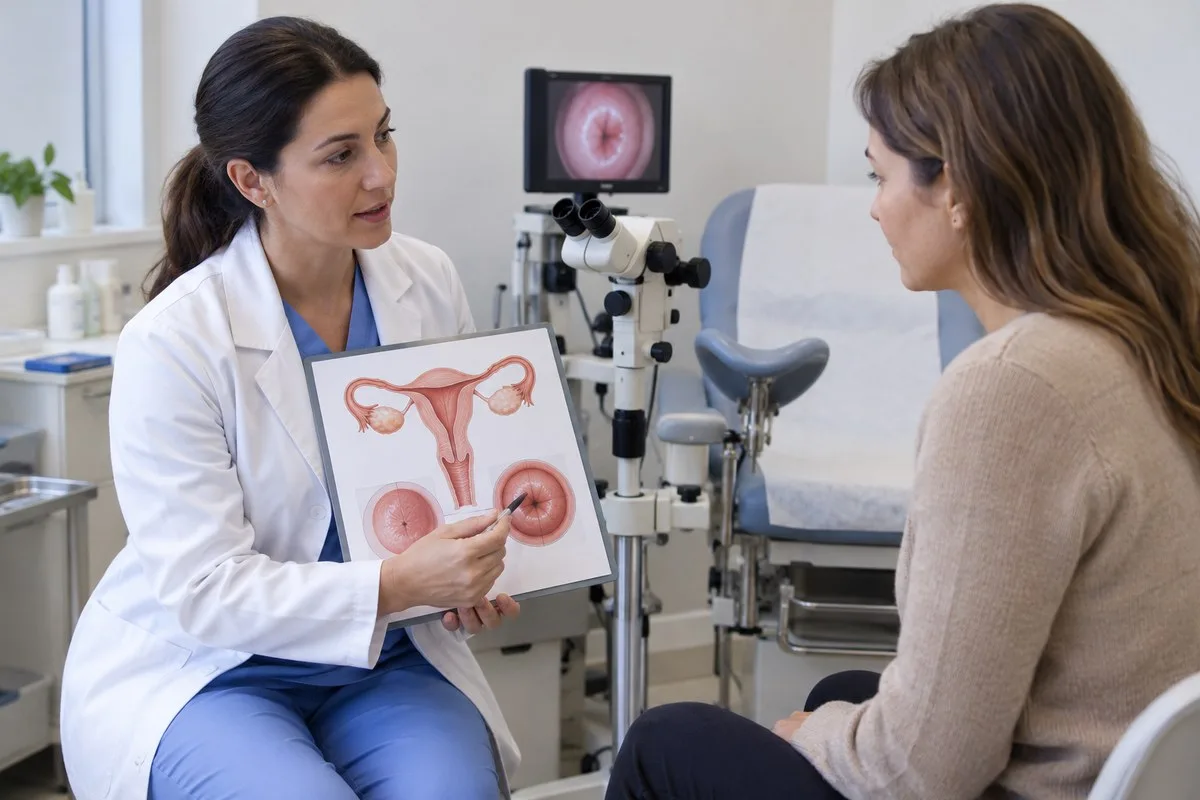
When evaluating cells, a smear test allows the biopsy to be directly examined the tissue. In colposcopy, the cervix is evaluated by magnification and tissue samples can be taken from areas that are suspected if necessary.
Pathologic examination of the biopsy helps determine the reciprocity of cellular change seen in the smear test so that histological diagnoses such as CIN can be established.
Does HSIL Require Treatment?
The HSIL result requires further evaluation, but the same treatment plan is not created for everyone only through the presence of the word "HSIL" in the report.
Factors such as colposcopy and biopsy findings, age, pregnancy status, future pregnancy plan, and calculated clinical risk are important in the decision process. In some high-risk situations, current guidelines allow further initiatives to be evaluated. This decision should be made by the physician in person.
In the event that high-grade changes are confirmed by biopsy and other findings, appropriate patients LEEP and Conization Procedures for precursor lesions in the cervix such as this can be evaluated.
Why is Colposcopy and Biopsy Performed?
Colposcopy is an evaluation method that allows the cervix to be enlarged and examined in detail. It can be used when a condition requiring advanced examination is seen as a result of Smear or HPV.
A biopsy can be taken if an area that is thought to be abnormal during colposcopy is detected. Thus, tissue structure can only be considered pathological rather than cells collected from the surface.
How is colposcopy performed?
During colposcopy, the cervix is assessed through a device that provides special enlargement. Assessment methods are used to make possible changes to the surface of the cervix more visible.
If a suspicious area is seen, the physician may take a small sample of tissue and send it to pathological examination if necessary. The scope of the procedure may vary according to the person's findings.
What Is the Difference Between Smear Result and Biopsy Result?
Smear result cytologicalThe result of the biopsy Histological It's assessment. In the smear test, cells collected from the cervix are examined. In the biopsy, the structure of a small piece of tissue taken from the cervix is evaluated.
Therefore, the terms smear such as LSIL and HSIL and the terms biopsy such as CIN 1, CIN 2 and CIN 3 are not directly the same concepts, although they are related.
Is CIN 1, CIN 2 and CIN 3 the same thing as ASC-US, LSIL and HSIL?
Oh, no. ASC-US, LSIL and HSIL mainly Cytology, are classifications used in evaluating a Pap smear. CIN 1, CIN 2 and CIN 3 relate to the histopathological evaluation of a tissue sample taken from the cervix.
This distinction is important. The occurrence of cellular changes in the smear test does not necessarily mean that there will be the same degree of tissue changes in the biopsy.
The Relationship Between LSIL and CIN 1
LSIL changes seen in the Smear test can often be associated with low-grade histological changes such as CIN 1 when biopsyed. However, no definitive pairing should be made in the form of "LSIL equals CIN 1".
NCI states that the LSIL changes seen in the Pap test may be generally associated with CIN 1. The precise histological classification is done according to the biopsy result.
The Relationship Between HSIL and CIN 2 and CIN 3
HSIL in the smear test is associated with the possibility of detecting high-grade changes such as CIN 2, CIN 2/3 or CIN 3. However, cytology and histology are different studies, and the results may not match one-on-one.
CIN 3 is not cancer, but is a serious cancer precursor change that has the potential to progress when left untreated, so it is important that high-grade histological findings are properly evaluated and followed.
How to Plan Follow-up After Abnormal Smear Result

The follow-up after the abnormal smear result is not currently only determined according to the ASC-US, LSIL or HSIL statement in the report. The current smear and HPV results as well as previous scans and previously performed colposcopy or biopsy results are evaluated if any.
Therefore, the control range or advanced assessment required by two people with the same smear result may be different. It is important that the outcome be evaluated in conjunction with personal clinical information.
How Does HPV Affect the Tracking Process?
The fact that the high-risk HPV result is positive or negative is one of the important parts of the risk assessment after the abnormal smear result. Some types of HPV are more strongly associated with high-grade changes in the cervix than others.
HPV genotype, cytology outcome and past tests can be considered together to decide whether to monitor or evaluate further.
Why Are Age and Previous Smear Results Important?
The management of cervical cellular changes can vary between age groups. The follow-up approach may be different, as some HPV-related low-grade changes are more likely to decline, especially in young people.
The fact that the previous tests were negative, that there had been an abnormal result before, or that there had been a follow-up in the past due to a high-grade lesion also changes the current risk assessment. ASCCP guidelines are therefore based on a co-assessment of the scan history with the current test result.
For evaluation of the Smear or HPV report with the person's previous results Samsun obstetrician Sharing existing reports and previous examinations during the consultations with the person may contribute to clinical evaluation.
Conclusion
As a result of Smear, ASC-US, LSIL and HSIL their expression indicates that different degrees of changes are detected in the cells of the cervix; alone does not mean a diagnosis of cervical cancer. The ASC-US defines vague cellular changes, LSIL defines low-grade changes, and HSIL defines more pronounced high-grade cellular changes.
Not just the smear result in the follow-up process; HPV status, age, past screening results and, where necessary, biopsy findings are evaluated together. Therefore, it is important that the personal follow-up plan as a result of abnormal smear is created by the physician and the recommended controls are not disrupted.

Original Turkish content prepared and reviewed by
Prof. Dr. Aşkı Ellibeş Kaya
Specialist in Obstetrics and Gynecology
Last updated: 25 September 2026
The content on this page is intended for informational purposes; the diagnosis and treatment decision is made only with your physician after the examination.
Frequently asked questions
ASC-US alone is not a serious disease or cancer diagnosis. It refers to changes in cells whose cause is not strictly classified. HPV result and the person's history of screening information are important in determining the next step.
Other Writings
Informative content prepared by the physician on similar subjects.


Start with an appointment
Let us determine the day and approach that best suits you. Your consultations are conducted on a privacy basis.