
Samsun HPV Test
It is a molecular screening test that investigates high-risk HPV types in the sample of creeps from the cervix; The goal is to recognize the risk before any disease occurs.
Overview
HPV testing is a screening method that investigates the presence of high-risk HPV types that can lead to cervical cancer.
In a small sample of reptiles taken from the cervix, genetic material of the virus is sought. The goal is to recognize the risk before any disease occurs and, if necessary, initiate regular follow-up.
HPV is one of the most common infectious agents worldwide. A significant proportion of sexually active people come into contact with this virus at some point in their life; the infection often gives no symptoms and is self-cleaned by the immune system.
Therefore, having a test is not a matter of judgment about one's life, but an ordinary step of health monitoring.
For women living in Samsun, where, how and how often the test will be performed is a frequently asked issue. In our practice in Samsun Atakum, we evaluate HPV and sexually transmitted diseases in the fields of colposcopy.
The following is a detailed discussion of the scope of the test, preparation conditions, interpretation of the results, and the steps followed.
What is HPV Test?

HPV (Human Papilloma Virus) is a DNA virus family with more than 200 types defined. The transmission occurs through skin and mucosa contact; the most common way is sexual contact.
Some of the types lead to benign changes in the skin or genital area, while others have the potential to create lasting changes in cells over a long period of time.
Types 6 and 11 in the low-risk group are associated with genital warts (condilloms) and do not lead to cancer development.
In the high-risk group, there are types 16, 18, 31, 33, 35, 39, 45, 51, 52, 56, 58, 59, 66 and 68. Among these, types 16 and 18 are the most common types in the development of cervical cancer.
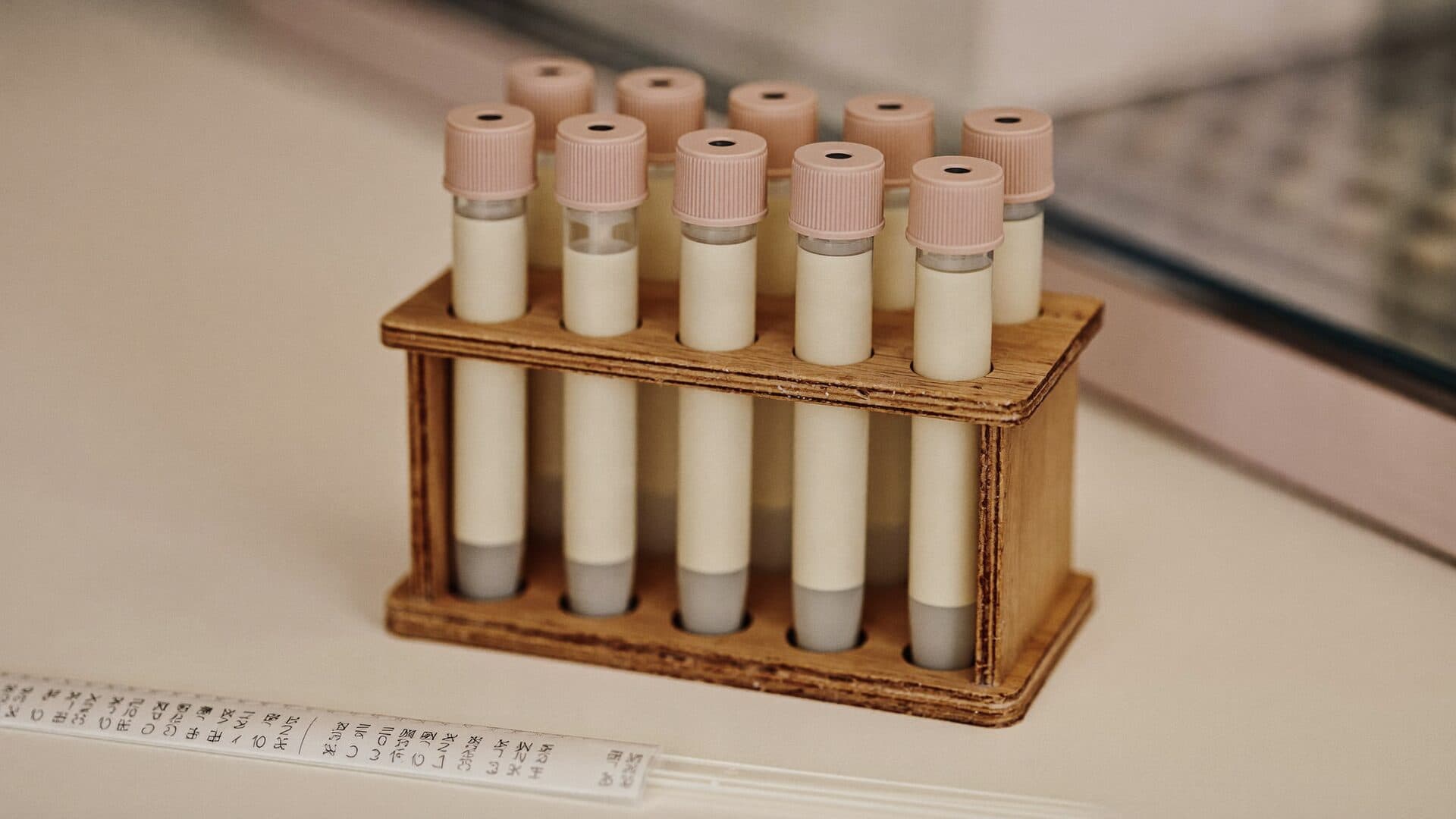
The HPV test is a molecular review that investigates the DNA or mRNA of the virus in the sample of the crawl from the cervix.
The sampling process takes a few minutes during the gynecological examination and usually does not cause discomfort except for a slight feeling of pressure. The test indicates the presence of the virus; In many methods, it is also possible to report prominent types such as 16 and 18 separately.
The test is usually planned for screening purposes in sexually active women after a certain age. In our country, the national screening program targets 30 years of age and older, while clinical practice can also be evaluated at younger ages based on complaints or risk. To whom and by which interval it will be applied is determined by taking into account the person's story.
Co-testing of HPV testing with Smear (cervical cytology) is called co-testing. Because the two methods answer different questions, they are complementary, not alternate. Which test or combination is appropriate; age is determined by physician evaluation based on previous results and personal risk status.
What it investigates: The HPV test investigates the genetic material of the virus, and the smear test investigates changes in the cells of the cervix.
Method of sampling: both tests take creeps from the cervix.
The main goal: HPV testing aims to detect the risky virus type, and smear testing aims to detect cellular abnormality.
Conclusion statement: HPV test is reported as positive or negative, smear test as normal or abnormal cell finding.
Combined use: two tests can be planned together in the same session (co-test).
Why is HPV testing important?

cervical cancer is a slow-growing disease in most cases over the years. When a high-risk type of HPV becomes permanent in the body, precancerous changes occur in the cervix cells first. These changes usually do not cause symptoms such as pain, bleeding or discharge; So it can also exist when one feels completely healthy.
The value of the screening tests is revealed here exactly. The follow-up and treatment options applied when precancerous changes are detected offer an important opportunity to prevent the progression of the disease. Therefore, HPV testing is not a disease test, but a protective health practice that allows early detection of risk.
HPV is not just a matter of interest to women. The virus also occurs in men; Along with genital warts, the penis, anus, and head-to-neck region have been associated with cancers. While there is no routine screening test for men, evaluation is performed in the presence of complaints and protective vaccination can also be applied in men.
Another important point is that HPV infection often gives no symptoms. When there is no apparent finding such as genital warts, one cannot notice that they are carrying a virus. Regular screening without waiting for complaints is the most reliable approach that allows this silent process to be seen in time.
The other leg of protection is vaccination. The HPV vaccine has shown high protection in clinical studies and can be administered in both boys and girls. The number of doses is planned to be two or three doses by age; The fitness and timing are determined by the physician's assessment. Having a vaccine does not make screening unnecessary, because the vaccine does not cover all known types of viruses.
It allows detection of high-risk virus types before the symptom appears.
It allows for early monitoring of precancerous cellular changes.
It helps to determine the appropriate scanning range for the person.
It contributes to the reduction of unnecessary processing and anxiety in people with negative outcomes.
It sets the stage for the review of the insemination and prevention plan with the physician.
Organizations Offering the HPV Test Service
HPV testing in Samsun can be done in public health institutions and in private health organizations licensed by the Ministry of Health.
The sampling process is carried out in a gynecological examination environment; The sample taken is sent to a laboratory that can conduct molecular testing. It is important that both the sampling process and the laboratory stage are conducted under appropriate conditions in the selection of establishment.
On the public side, family health centers, community health centres and KEM units serve as part of the screening program. On the private side are gynaecology clinics, medical centers and hospitals.
Which option is appropriate depends on the age of the person, their current complaints, and whether or not results previously received are found.
Options in Private Health Centers and Hospitals

Private clinics, medical centers and hospitals often present the HPV test as part of a gynecological examination. The highlight of this option is the flexibility of the appointment and the fact that the result can be interpreted by the same physician.
When the result is positive, advanced assessments such as colposcopy can also be planned at the same center, facilitating the process.
When choosing an organization, the following points can be considered:
The test is usually planned not alone, but as part of a comprehensive gynecological assessment. It is possible to take a smear, perform an ultrasound or evaluate existing complaints at the same examination.
This holistic approach saves both time and allows the result to be interpreted along with the person's overall state.
Appointment prior to the exam will both shorten the waiting time and help plan the test for a day that is suitable for the menstrual cycle. You may also be asked when the result will come out and how to share it during the appointment.
The physician who took the example is a gynecologist and obstetrician.
Planning advanced examinations such as colposcopy and biopsy when necessary.
For example, the laboratory in which it is sent has the hardware to operate molecular testing.
Distinguished reporting of high-risk types in the outcome report.
Presenting an environment in which privacy is protected in the examination and outcome consultations.
HPV Scan Under National Scan Program
In Turkey, the Ministry of Health offers HPV screening at certain intervals to women between the ages of 30-65 in KETEM units and family health centers as part of the national cancer screening program.
The samples taken in this scope are studied in authorized laboratories and the results are reported through the relevant health record system.
The program's age range, scan frequency and application conditions can be updated over time. For this reason, it is the best approach to apply to the family health centre or KETEM unit in the municipality of residence for precise information.
If it is in people who have complained or have previously received abnormal results, the follow-up plan recommended by the physician is valid regardless of the screening schedule.
It is important that no matter which channel you apply for, the result does not remain unclaimed. When a result taken under the screening program is positive, it is also directed to a obstetrician for evaluation and further examination. Following the result and following the recommended check date is the most critical step in the process.
Preparation Steps Before HPV Testing
HPV testing is a short-term procedure that does not require any special preparation, though it is recommended to follow several simple conditions so that the sample contains an adequate number of cells and the result can be evaluated correctly.
When planning an appointment, the menstrual cycle is taken into account and days without bleeding are preferred. If there is pregnancy suspicion, past cervix procedures, or medications used, it is necessary for a correct assessment to be reported to the physician prior to the examination.
It is useful to have previous examination results with you on your way to the exam. Documents from previous smear and HPV tests, colposcopy reports, or past procedures for the cervix allow comparative evaluation of the result. Thus, unnecessary repetitions are avoided.
Conditions to Consider Before Testing

It is generally recommended to pay attention to the following points before testing.
Since periods may vary depending on the person and the method used, the physician's instructions should be followed when making an appointment.
A slight sense of pressure can be felt during the procedure; Severe pain is not expected. A very small amount of staining can then be seen, and this usually goes away in a short time. Everyday life can be returned on the same day.
A day without menstrual bleeding is preferred; the appointment may be postponed if there is bleeding.
It is recommended to avoid sexual intercourse for several days before the test.
Not having a vaginal shower is important for maintaining the quality of the specimen.
Products such as vaginal cream, wicks or rubles should not be used without consulting the physician.
Medications used and known gynecologic diagnoses, if any, should be shared prior to the examination.
Comparative assessment is easier if previous smear and HPV results are brought.
Quality Standards to Consider When Conducting HPV Test
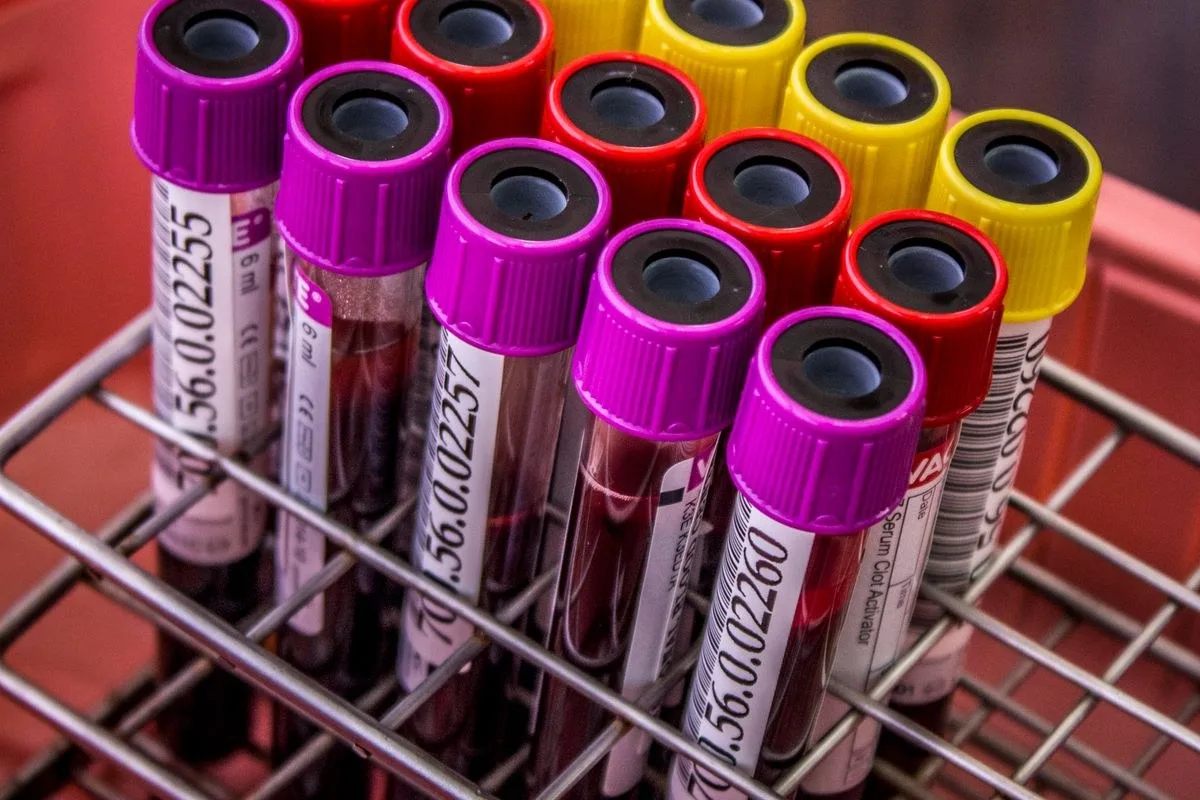
The reliability of the test result depends not only on the laboratory, but on the entire process. For example, taking enough from the right area and in sufficient quantities, delivery to the laboratory under appropriate transport conditions, and interpretation of the result along with clinical information are equally decisive. Therefore, an experienced team and a process that operates regularly are important.
When choosing a female obstetrician, it is useful to look at the whole process: where the sample is being taken, what laboratory is being studied, how long the result is coming in, and what steps are planned if it turns out positive. The answer to these questions prevents unnecessary waste of time and repetitive operations.
Privacy is also an integral part of these standards. HPV is a personal health data result; It is essential that records are protected and the result is shared only with the person concerned.
A comfortable-to-talk examination environment directly facilitates one's asking questions and compliance with the follow-up plan.
The understandable transfer of the result is also a quality indicator. Person; He must know what the result means, when the next check will be made, and in what cases he should apply sooner when leaving the examination.
Performing the sampling under appropriate examination conditions and with sterile material.
For example, delivery to the laboratory in an appropriate transport environment and without delay.
Working with a laboratory licensed to the Ministry of Health that can conduct molecular testing.
The result is not only given as a report, but is interpreted by the physician.
Planning of colposcopy and biopsy options when necessary.
Taking care of the privacy of personal health data.
HPV Test Results and the Steps After
The HPV test result is usually reported as positive or negative. The positive result indicates that the virus was detected in the body at the time; and the negative result means that the tested types were not detected.
In either case, the result is not alone; age, smear finding and should be interpreted with previous results.
The duration of the result varies with the working order of the laboratory and usually takes several working days. The report includes information on which types are searched and the type that is detected if available. Since the technical statements in the report alone can be misleading, it is recommended that the outcome be reviewed with the physician.
What to Do When You Get a Negative Result
The negative result indicates that high-risk HPV types were not detected at the time, and is usually a comforting finding.
However, this result does not mean a permanent guarantee for the following years, as it is possible to encounter the virus later, so it remains important to comply with the scan intervals.
The next test is determined by the physician based on age, smear result and additional risk factors if any. In the meantime, if complaints such as abnormal bleeding, post-relationship bleeding, non-passing discharge or pubic pain occur, it is recommended to have a check-up before the scheduled date is expected.
The option of insemination may also be raised for those who receive negative results. The appropriateness of the vaccine varies by age and personal situation, determined by physician evaluation. Having a vaccine does not replace the scan; Both approaches make sense together.
Protection measures can also be discussed during this period.
The use of condoms reduces the risk of transmission, but is not enough on its own as it does not cover all areas of skin that come into contact. Quitting smoking and maintaining regular checks are among the most concrete steps of long-term protection.
What to do in a positive outcome situation
A positive HPV result does not mean a cancer diagnosis. This result only indicates that the virus is detected in the body. HPV infection is very common and the vast majority of infections are self-cleaned by the immune system, usually within a year to two.
Cancer development can only occur if a high-risk type is permanent for many years.
The positive result also does not indicate when and from whom the virus was encountered. Because the virus can remain silent for years, it is not medically correct to use the result as a means of incriminating or questioning trust. The focus at this point is on maintaining the follow-up plan in a regular manner.
The next steps are determined by the detail of the result. Evaluation is carried out with the Smear finding; Colposcopy can be planned if there is an abnormality in cases where types 16 or 18 are detected, or as a result of a smear.
Colposcopy is a detailed examination of the cervix with a magnifying device; The review itself is painless.
If a suspicious area is seen during colposcopy, a small tissue sample can be taken from the cervix in the same session. Biopsy is an invasive procedure; It can cause short-term cramp-like pain and mild spotting that can last for several days.
Therefore, it is applied only when the physician deems it necessary, not routinely, and is told in detail to the person before.
Another frequently asked issue is pregnancy. HPV positivity does not prevent conception and in most cases does not change the way it is born. In people who have a pregnancy plan or are already pregnant, the follow-up schedule is also regulated by the physician according to current findings.
There is no antiviral drug that directly removes the virus itself from the body; Therefore, the treatment is not intended for the virus, but for lesions caused by the virus.
Even if genital warts or precancerous lesions are treated, the virus can remain in the body, so the table repeats and controls are maintained. Life habits that promote immunity, especially smoking cessation, can contribute positively to the removal of the virus.
If Smear is normal and the detected type is out of 16 to 18, a control test is usually scheduled after a certain period of time.
When 16 or 18 are detected, or if the smear is abnormal, a colposcopy assessment is raised.
If a suspicious area is seen in colposcopy, tissue sampling can be performed by biopsy, an invasive procedure.
If a precancerous lesion is detected, follow-up or processing options are discussed with the physician based on the degree of the lesion.
Treatment options for lesion are evaluated in the presence of genital warts; checks are maintained as recurrence can be seen.
Conclusion
HPV testing is one of the most valuable steps to take in preventing cervical cancer. Its ability to show the presence of the virus without symptoms, allows for early follow-up and treatment plan when necessary.
How often the test will be repeated and how the result will be interpreted depends on the person; Therefore, the decision should always be made with a physician's assessment.
HPV positivity is a common condition and does not mean cancer alone. The important thing is not to ignore the outcome and to interrupt the recommended control examinations. Likewise, people who receive negative results need to maintain a screening schedule.

Original Turkish content prepared and reviewed by
Prof. Dr. Aşkı Ellibeş Kaya
Specialist in Obstetrics and Gynecology
Last updated: September 10, 2026
The content on this page is intended for informational purposes; the diagnosis and treatment decision is made only with your physician after the examination.
References
The following sources relate to the informational issues outlined by them. The personal diagnosis and treatment plan requires physician evaluation. Source texts are in English.
CDC
Human Papillomavirus (HPV) Infection ; STI Treatment Guidelines (opens in new tab)Related subject: The location of the high-risk HPV test in the follow-up of cervical screening and abnormal results.
Frequently asked questions
Oh, no. The positive result only indicates that the virus is detected in the body, not a cancer diagnosis. Most infections are self-cleaning. Nevertheless, the result must be evaluated along with the smear finding and followed the proposed follow-up plan.
Related Services
Other issues under the HPV heading.




Start with an appointment
Let us determine the day and approach that best suits you. Your consultations are conducted on a privacy basis.