
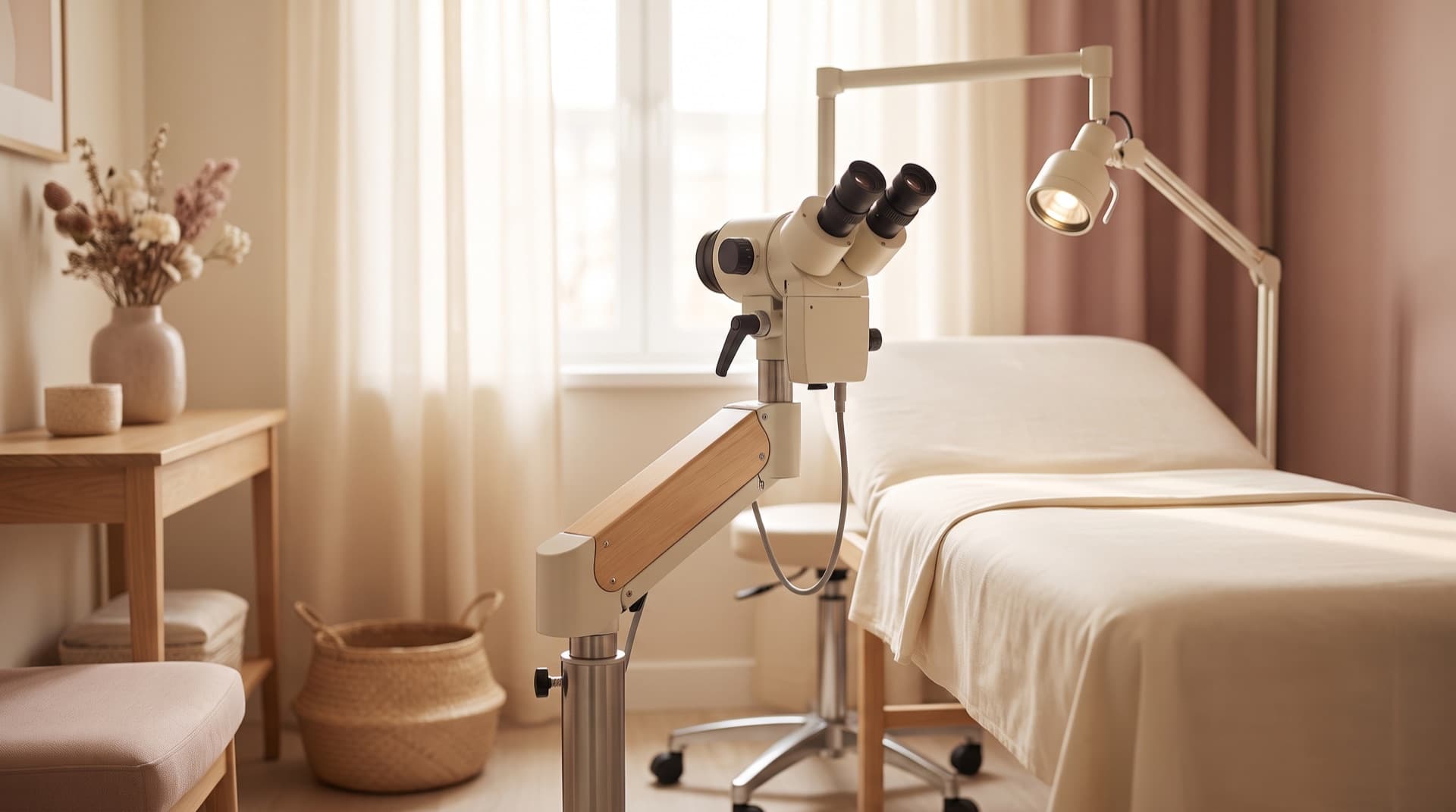
Samsun Colposcopy
It is a diagnostic method in which the cervix is examined in detail with a magnifying device; As a result of abnormal smear or HPV, it locates the suspicious area and allows biopsy to be taken when necessary.
colposcopy in SamsunIt is a diagnostic method in which the cervix is examined in detail with a special magnifying device. When there is an outcome outside of what is expected in the smear or HPV test, it allows the physician to assess this area in detail that cannot be seen with the naked eye.
The examination itself is usually painless; But if a suspicious area is seen, a biopsy can be taken in the same session and there may be a short-term, cramp-like sensation during the biopsy.
A request for colposcopy does not mean that cancer is diagnosed. Most of the abnormal smear results are caused by benign cell changes or temporary infections that the body clears over time.
Colposcopy is a step of the diagnostic process; The exact result is revealed by a pathology examination of the sample of tissue taken. The goal is to distinguish between situations that really require follow-up or treatment at an early stage.
HPV is a very common infection; a significant proportion of sexually active people experience this virus at some point in their life, so it is not a shame to have a positive test result or need for colposcopy.
Prof. Dr. Aşkı Ellibeş KayaIt conducts every step of the process with an approach that takes care of privacy.
What is a Colposcopy Examination?
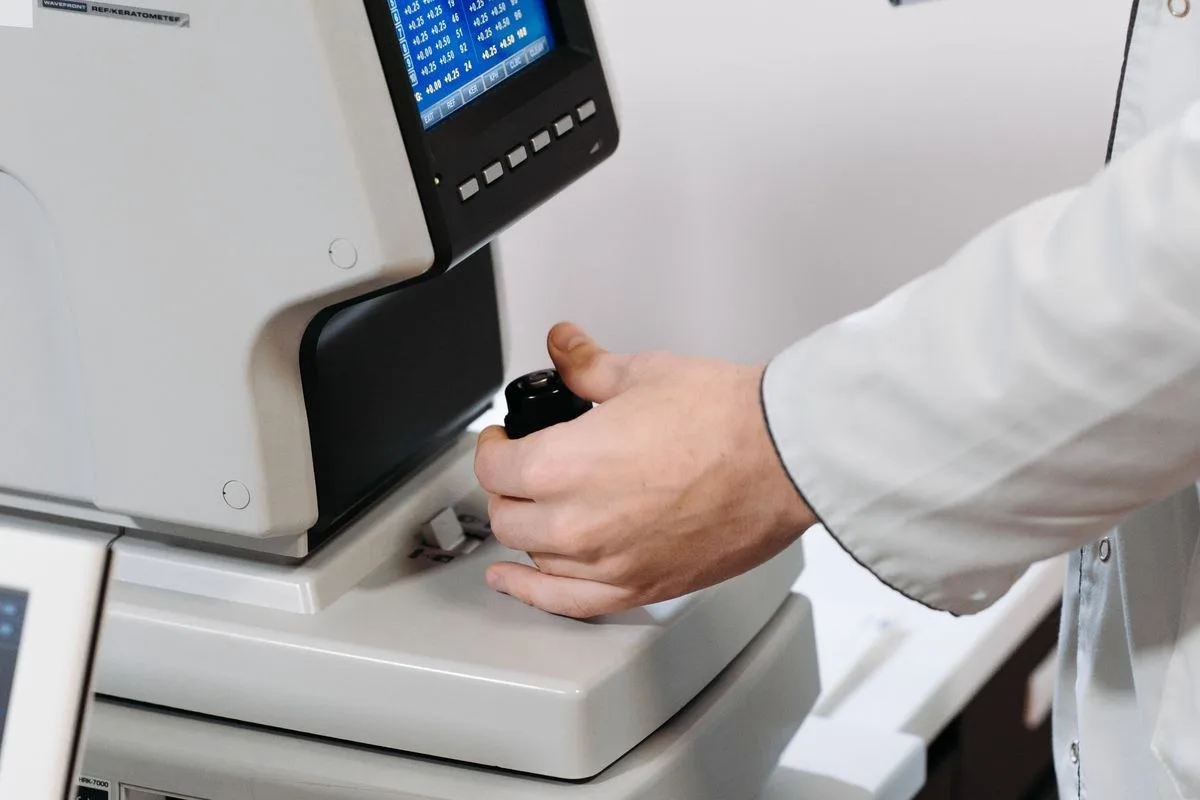
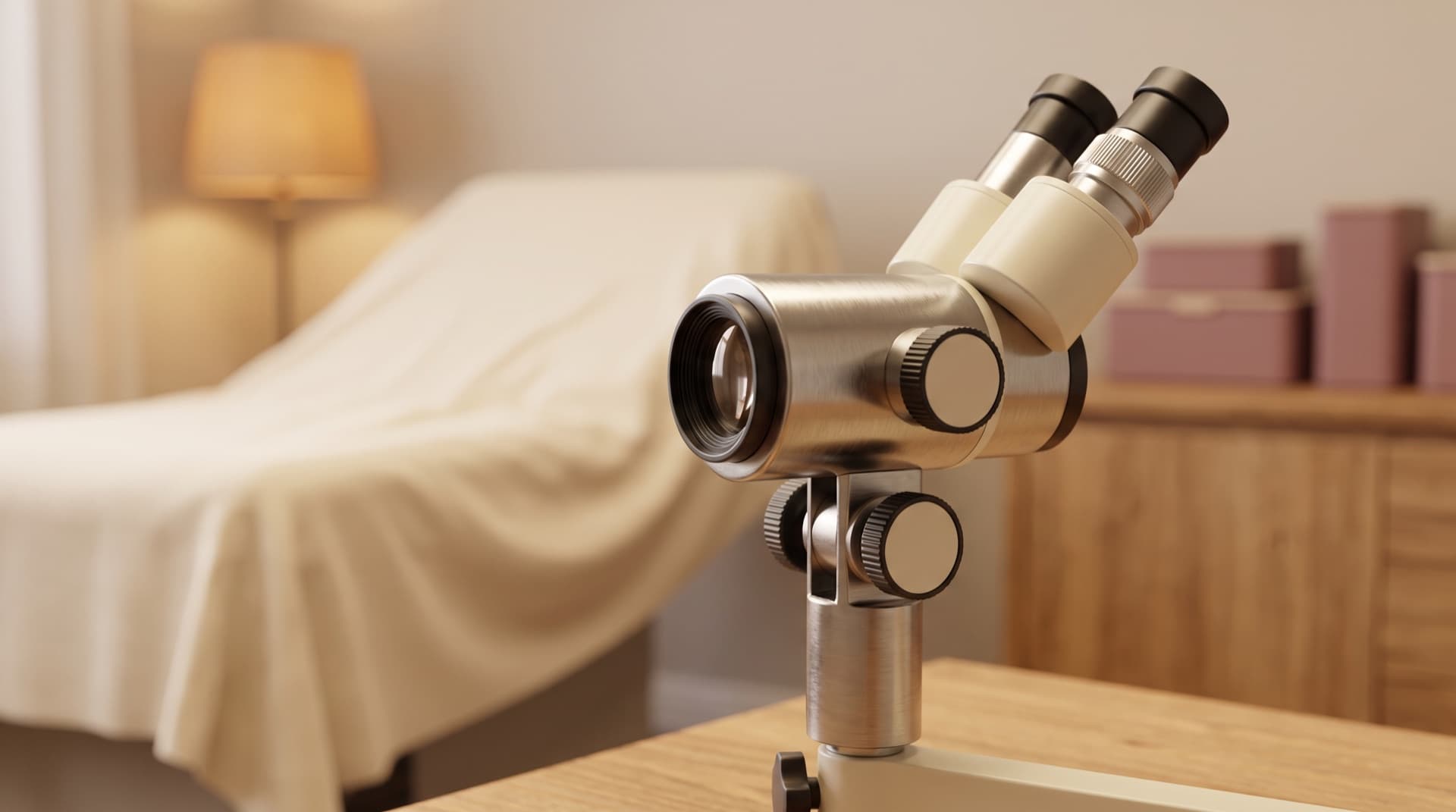
A colposcope is a study device with a strong light source that shows the cervix by magnifying it multiple times.
The device does not enter the body; it stands outside the patient and the physician examines the cervix, the walls of the vagina, the external genitalia when necessary, so that discoloration and differences in color and texture are visible with irregularities in vascular structure.
During the examination, the cervix is administered dilute acetic acid, often with Lugol solution containing iodine.
Cell structure altered areas are painted differently with these solutions; Areas that are whitened or do not hold iodine indicate where the physician should be sampled. When the solution is applied, there may be a slight burning or feeling of coolness, which will soon pass.
Colposcopy is not a test that diagnoses alone. It bridges between the scan step and the definitive diagnosis and determines where to sample it. The table below summarizes what the different steps of the process are for.
Step: How to apply it; What gives information
Smear (cytology): A cell sample is taken from the cervix with a brush; Shows if there are changes in cells
HPV-DNA test: In the example taken from the same region, the virus is searched; High-risk type indicates presence and type when needed
Colposcopy: The cervix is examined with a magnifying device; The suspect lays out the location and boundaries of the area
Biopsy: A small sample of tissue is taken from the suspicious area; Clears diagnosis with pathology result
The most important goal of the study is to fully see the area of transformation in the cervix. This is the area where cell structure changes and possible lesions often begin.
After menopause, or in some anatomical cases, this region may be drawn into the canal; In such cases, the physician may consider it necessary to resort to additional methods to complete the evaluation.
Colposcopy is not just a limited examination of the cervix; Changes in the vulva and vagen region are also assessed in the same session when necessary. Developing genital warts linked to low-risk HPV types can be more clearly distinguished in this review.
Genital warts can recur after some time, even if they are treated; therefore, control is recommended at certain intervals following treatment.
When is colposcopy performed?
Colposcopy comes up when there is a noticeable finding in screening tests, or when a change in the eye is detected in the examination. The decision is not a single conclusion; age, test history, HPV type and if any, is based on a co-assessment of complaints. Common situations include:
Reporting abnormal cell findings such as ASC-US, LSIL, HSIL or AGC as a result of Smear
Positive detection of HPV types 16 or 18
The presence of other high-risk HPV types in conjunction with abnormal cytology
Notice of a suspicious lesion visible to the eye in the cervix at the examination
Bleeding after intercourse or unexplained staining of cause
Control follow-ups following a treatment that has been previously administered
As part of the national screening program for women between the ages of 30 and 65 in Turkey, there is an occasional HPV screening at KETEM and affiliated health centers.
Positive results in this scan do not require direct colposcopy; first, the type determination and cytology results are evaluated together. The physician makes the decision of direction while all data is in his possession.
In terms of timing, days without menstrual bleeding are preferred. Since intense bleeding can decrease the image quality of the examination, the appointment is usually scheduled for the period after the end of menstruation.
If there is an active infection, it will be more accurate to treat it first, then perform the examination.
Another reason for wanting colposcopy is to clarify the follow-up process. In some patients, the results remain limited and it would not be right to make a direct treatment decision.
In this case, the examination helps to distinguish which patient can only be monitored, which should be evaluated more closely, and prevents unnecessary attempts.
Risks of colposcopy
Colposcopy is a study that can be applied in office conditions and is generally well tolerated. Risk level is quite low only when the eye is evaluated; Possible problems are largely related to conditions in which a biopsy is taken.
A biopsy is the removal of a small piece of tissue, but still counts as an invasive application.
The most common condition after a biopsy is mild bleeding or spotting that lasts for several days. Rarely, the bleeding can be more than expected; in this case, the physician stops the bleeding with a catheter or special solution.
The development of infection is rare and usually manifests itself with symptoms such as fever, foul-smelling discharge, or increasing pain.
A colposcopy can be performed in pregnancy; no evidence has been reported that the examination is damaging to the pregnancy or the baby, as bloodbathing of the cervix increases during this period, so the biopsy decision is given more carefully and can often be delayed until after birth.
Blood thinner medication use, history of bleeding disorder, or known allergies should be reported to the physician prior to appointment.
Psychological burden is also a title that should not be ignored. It is perfectly understandable to be concerned while waiting for results; The most effective way to reduce this feeling is to learn the steps of the process and possible scenarios in advance.
Managing anxiety also makes it easier for regular visits to check-in appointments.
Step by Step Colposcopy Process
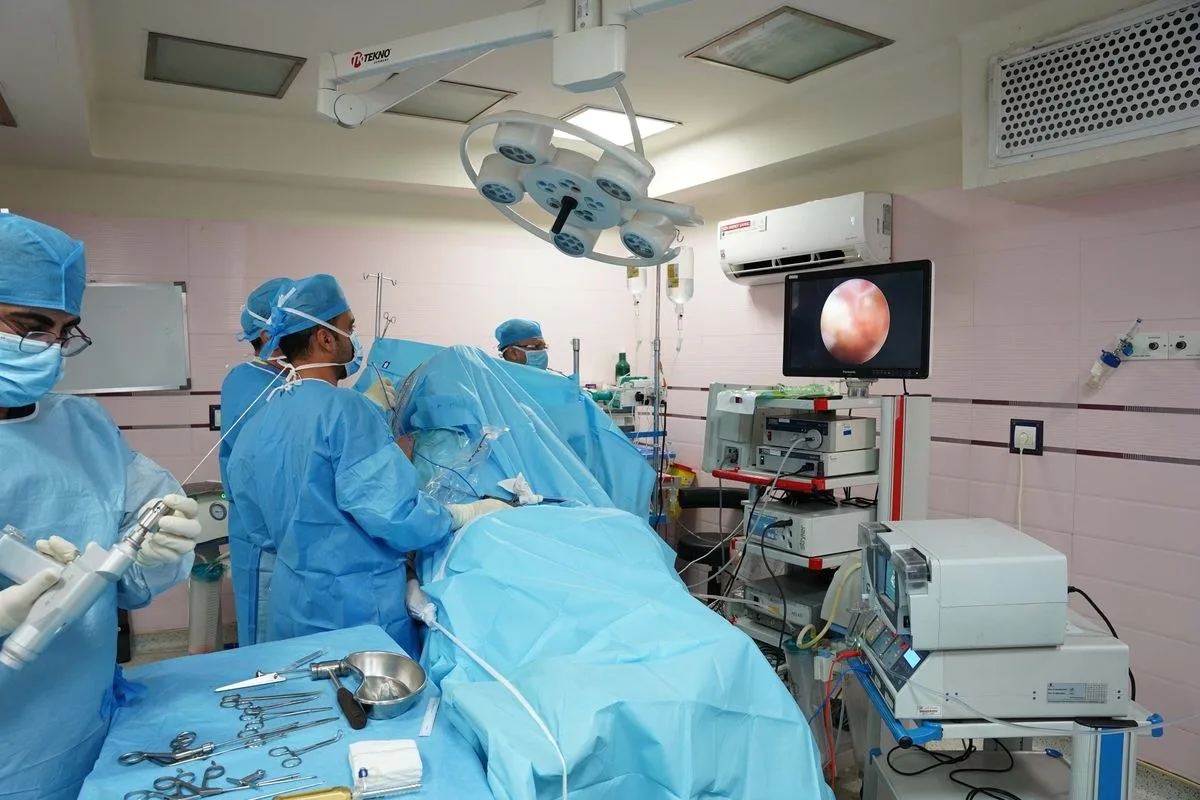
The procedure takes place at the gynecological examination table and in a pattern similar to a normal examination. The total time varies mostly from ten to twenty minutes. The ranking is generally as follows:
The physician gets a story, examines the previous smear and HPV results, describes the process step by step, and receives approval.
The patient taken to the examination table is placed with speculum, making the cervix visible.
The cervix is cleaned with serum physiologically and the vascular structure is evaluated under magnifying glass.
Dilute acetic acid is applied; Within a few seconds, suspicious areas begin to become apparent.
When necessary, the regions that do not hold iodine are distinguished by applying Lugol solution.
If the suspect area is detected, a small sample of tissue is taken, in some cases sampling is also done through the canal.
The bleeding is checked, the speculum is removed, and the patient is dressed after a brief rest.
When biopsy is not taken, the patient usually does not feel any pain. There may be a short cramp that resembles menstrual cramps when sampling; this sensation subsides within a few seconds.
No sleepover is required for the procedure, but different approaches can be planned by physician evaluation in people with high anxiety.
The findings seen during the review are processed in detail into the report. The location of the suspect area, its boundaries and the location of the samples taken are recorded.
This record allows comparisons in future checks and makes it easier to track how the same area changes over time. It is therefore important that you have the previous report with you on subsequent appointments.
Possible Side Effects That May Appear After Colposcopy
Post-examination complaints are mild and temporary. Although it varies from person to person, the most frequently reported situations include:
Mild staining or small amounts of bleeding lasting several days
Dark brown, similar to coffee grounds attached to applied solutions
Mild cramps in the lower abdomen reminiscent of menstrual pain
Short-term tenderness or a feeling of discomfort in the vaginal area
The dark-colored discharge is related to the removal of the solution used from the tissue and is not worrying. During this period, the use of pads is preferred rather than tampons.
In the event of fever, foul-smelling discharge, increasingly severe pain or intense bleeding from menstrual bleeding, the physician should be consulted without delay.
Patients receiving biopsy are usually advised to abstain from sexual perseverance, buffering, pool and bathtub bath for several days, which varies in length depending on the size of the sample taken and the rate of recovery; the physician who performs the procedure specifies the exact time.
How Do You Get a Colposcopy Service in Samsun?
In Samsun, colposcopy is an examination process planned by appointment and consists of several stages. Rather than thinking like a process that starts and ends in a single consultations, it is more accurate to treat it as a whole that proceeds in the form of assessment, implementation, and conclusion interpretation.
The following titles outline the path from the first consultations to the sharing of results.
Initial Consultation and Evaluation of the Patient
At the first meeting, the story is taken in detail: menstrual pattern, medications used, pregnancy status, past gynecologic procedures and complaints are recorded if they exist.
The smear, HPV and pathology reports you have make it easier to evaluate by bringing them with you. Samsun obstetrician Its interpretation as a whole presupposes unnecessary operations.
At this stage, it is clearly explained why colposcopy is desired and shared if there are alternative monitoring options.
Asking your questions without hesitation will make the process more comfortable. The appointment is scheduled for a suitable day according to your menstrual calendar; It is useful not to coincide with a day when the work is busy, so that you can rest afterwards.
Pre-examination Preparations and Recommendations
Preparation is simple and does not require special hunger. It is recommended to avoid sexual intercourse about two days before the procedure, using vaginal products such as vaginal showers, wicks, creams, and tampons.
These practices can make it difficult to evaluate by changing the appearance of the cervix.
Choosing comfortable clothes on the day of the appointment makes things easier. The use of painkillers is not mandatory; For those who feel anxious, it is determined by a physician's assessment whether to take a painkiller before the procedure. If you are taking blood thinners, you should report this when making an appointment.
What Happens During the Colposcopy Procedure?
In the examination room, the patient is taken to the gynecological table and a cover is used for privacy.
Once the speculum is inserted, the colposcope is adjusted to the appropriate distance; The device does not come into contact with the body in any way. The physician proceeds by describing what he is doing throughout the examination.
After the solutions have been implemented, suspicious areas are evaluated. If deemed necessary, the sample is taken and the areas taken are recorded in the report. Deep and regular breathing throughout the process reduces muscle tension, which significantly increases comfort.
Post-examination Care and Results
After the procedure, a brief rest is sufficient; Most people return to their daily lives on the same day. If a biopsy is taken, the recommendations are shared in writing and described in what symptoms should be applied. Avoiding heavy exercise on the first day reduces discomfort.
The pathology result usually occurs between a few days and two weeks, depending on the intensity of the laboratory. The result is explained in detail in the control examination: if the finding is benign, the follow-up interval is determined, if a cellular change is detected, follow-up or treatment options are planned according to the person.
Knowing that not every outcome requires treatment, a part of it is followed only by regular follow-up makes the process easier.
It is also important what to do next as much as what the result says. Control is often preferred at certain intervals in slight changes, as some of these findings spontaneously decline over time.
In further findings, treatment options are raised and the decision is made by evaluating age, child desire, and the prevalence of lesion together.
There is no virus-specific drug treatment that removes HPV infection itself from the body.
The treatments applied target cellular changes and lesions caused by the virus, not the virus; The main mechanism for clearing the virus is one's own immune response. Therefore, control examinations and screening tests are maintained after treatment; The control range is determined by the level of the finding and the method applied.
Conclusion
colposcopy in Samsun, a calm and planned step followed by abnormal screening results. The procedure makes the location and quality of changes in the cervix visible; the actual diagnosis becomes clear with the pathology result of the sample taken. What the result means is evaluated along with the age and history of the person.
The cellular changes noticed in the early period can often be monitored or treated by simple methods, so it is safest not to postpone the appointment, comply with the screening intervals and interpret the results with the physician.
You can share any questions that come to your mind during the process in a control examination.

Original Turkish content prepared and reviewed by
Prof. Dr. Aşkı Ellibeş Kaya
Specialist in Obstetrics and Gynecology
Last updated: 28 August 2026
The content on this page is intended for informational purposes; the diagnosis and treatment decision is made only with your physician after the examination.
References
The following sources relate to the informational issues outlined by them. The personal diagnosis and treatment plan requires physician evaluation. Source texts are in English.
NHS
Colposcopy (opens in new tab)Related subject: Post-colposcopy, biopsy and follow-up after abnormal scan result.
The information on this page is for general informational purposes only and does not replace medical advice, diagnosis or treatment. Each patient's condition is different; the method and process to be applied is determined only by the physician after examination and evaluation.
Frequently asked questions
Oh, no. HPV positivity is not a cancer diagnosis; It only indicates the presence of the virus. Most infections are cleared by the immune system over time. The risk of cancer increases when high-risk types are long-lasting and over the years, so regular follow-up is recommended.
Related Services
Other issues under the HPV heading.


Start with an appointment
Let us determine the day and approach that best suits you. Your consultations are conducted on a privacy basis.