
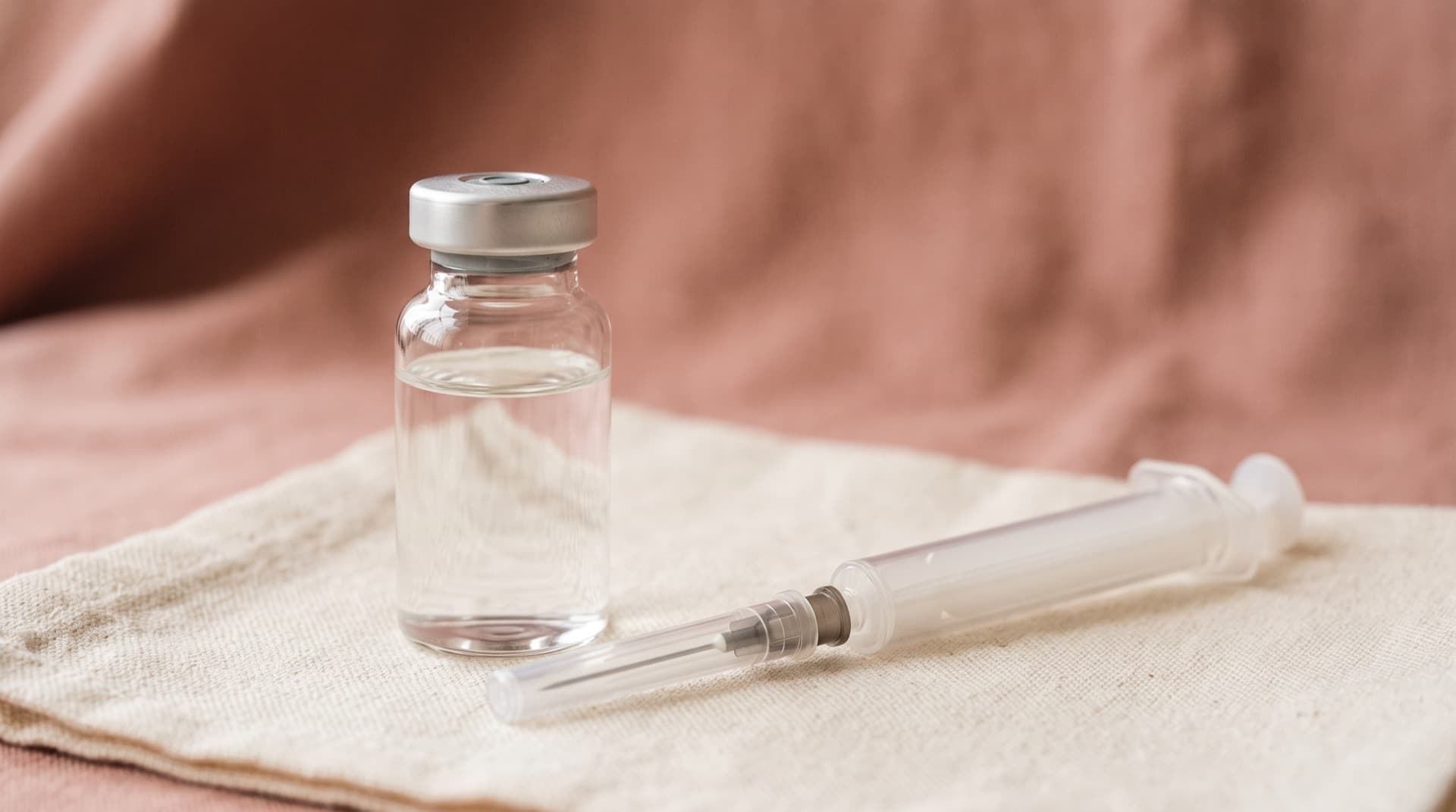
Samsun HPV Vaccine
Inoculation aimed at providing protection against certain cancers and genital warts that HPV can cause; the number of doses is determined by age and the plan is done by physician evaluation.
Samsun HPV vaccineIt is a insemination application aimed at providing protection against certain types of cancer and genital warts that Human papillomavirus can cause.
HPV is one of the most common sexually transmitted factors in the world, and most sexually active people encounter this virus at some point in their lives, so having contact with the virus is not a personal defect or embarrassment, but rather a very common health condition.
Over 200 types of the virus have been identified; About forty of these settle in the anogenic region. Most infections are self-cleaned by the immune system.
High-risk type infections that become permanent can eventually lead to cancer precursor cell changes. insemination is a protective approach that comes into play at the very beginning of this process.
The most accurate medical assessment of the process, as the vaccination calendar is tailored to the individual, is expert in its field. Prof. Dr. Aşkı Ellibeş Kaya It is under control.
What is HPV Vaccine?
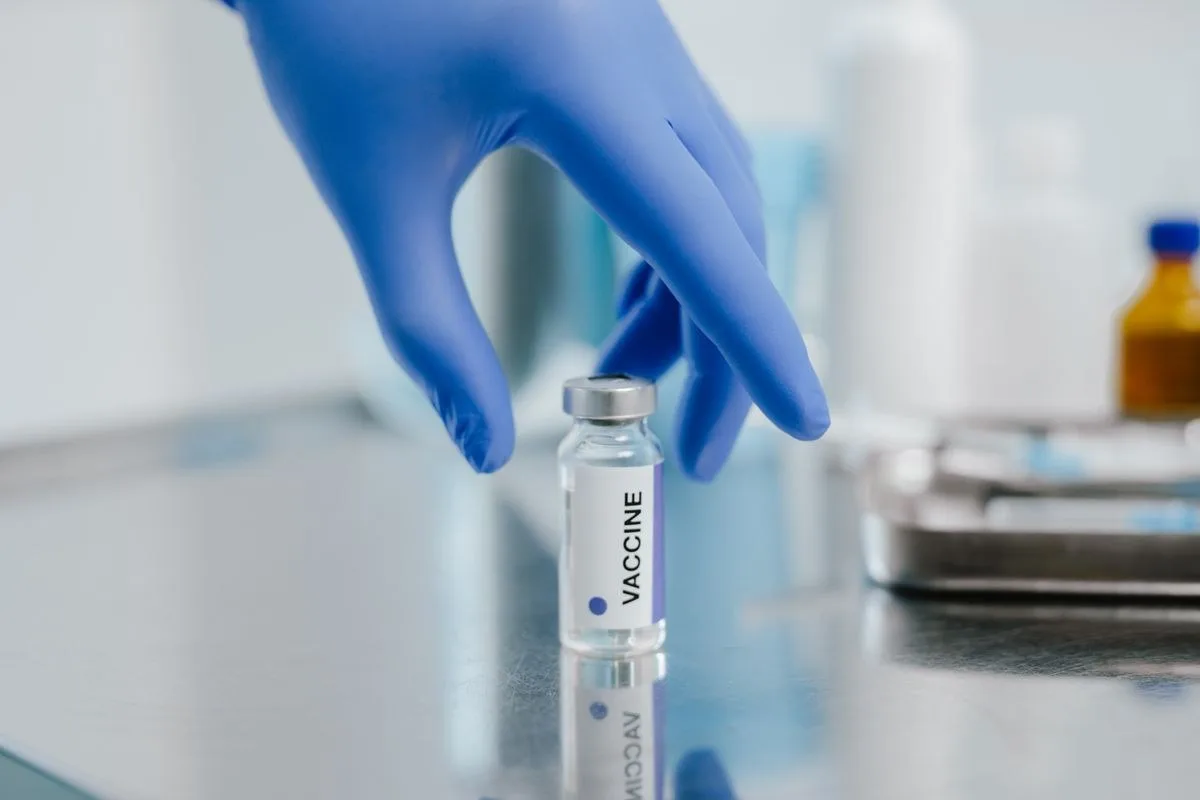
The HPV vaccine is prepared by the production of proteins that make up the outer shell of the virus in the laboratory environment. It contains no living virus or genetic material of the virus; therefore, the vaccine does not lead to HPV infection.
The body recognizes these protein structures as foreign, produces antibodies and is prepared when the actual virus is encountered.
HPV is a DNA virus that holds the epithelium of skin and mucosa. A complete merger is not required for transmission; skin contact with the skin may also be sufficient for transition. This feature is the main reason why the virus is so common in society. The vaccine provides pre-preparation for this broad potential of transmission.
Vaccinations are named based on the number of types they contain. Bivalent vaccine targets two high-risk types, four-valence vaccine in addition to two low-risk types responsible for genital warts. Nine valence vaccines cover a wider range of types. Which option is appropriate; The age, gender and current health status of the person are determined by consideration.
It is important to know that the vaccine is protective, not therapeutic, does not eliminate an existing infection or an existing lesion; it aims to create immunity against types not yet encountered.
There is no antiviral treatment for removing the virus itself from the body today; The treatments applied are intended for lesions caused by the virus, i.e. genital warts and cancer precursor cell changes. Therefore, the expected benefit of insemination is most pronounced when applied before contact with the virus.
Types of Disease Protected by HPV Vaccine
HPV types are studied in two groups based on their cancer-causing potential. Low-risk types are mostly associated with genital warts, i.e. condillomas.
High-risk types have been associated with cancer development in different regions when they form a permanent infection. The vaccine aims to protect against some of these types.
The cervix, i.e. cervical cancer and precursor cell changes
Vulva and vagen cancers
Cancers that can be seen in the anus region
Penis cancer
Oropharynx cancers that concern the mouth and throat region
Genital warts that can be seen in women and men
Type group: Commonly associated types; Main result
Low-risk types: 6 and 11; Genital wart (condillom)
High-risk types: 16 and 18; The cervix and other anogenic cancers
Other high-risk types: 31, 33, 45, 52, 58 ; Cancer precursor cell changes
As can be seen from these titles, HPV is not only a women's issue. The virus can also lead to warts and some types of cancer in men; it can also play a role in the men's transmission chain. Therefore, the vaccine can also be applied to men in the appropriate age range.
As the number of types targeted by the vaccine increases, the range of diseases covered also expands. However, no vaccine covers all known types of HPV; Therefore, screening tests also remain important in people with vaccinations. The level of protection varies depending on the age of the person being vaccinated, whether they have completed the dosage scheme and their immune status.
How old is HPV vaccine?
The expected protection of the vaccine is highest during the period that has not yet been encountered with the virus, so recommendations are for the insemination to be completed at the age before sexual activity begins. However, the options for application in advanced ages are not closed; the decision is made by individual assessment.
Recommended insemination Age Range and Types
The number of doses in insemination, which can be started from the age of nine, varies by age. Between the ages of nine and fourteen, two doses are usually administered, leaving a few months apart between doses. A three-dose scheme is preferred if it is fifteen years of age or older. In cases that suppress the immune system, three doses can be recommended, even if the age is minor.
Although the number of doses and ranges are based on generally accepted schemes, the final plan is determined by physician evaluation. The age of the person in the selection of the type of vaccine is discussed together whether they have been vaccinated before and if so, the screening results.
Conditions of Application in Adults
It is a frequently asked question of whether the vaccine is beneficial in people who have started their sex life, are married or have children. It is unlikely that a person has encountered all types of the virus; Therefore, protection can be provided against types that have not yet been contacted. Earnings may not be as obvious as when you are young and vary by person.
In people over the age of forty, the contribution of the vaccine is assessed separately based on a person's risk profile and previous test results. Protection can be raised in people who are entering a new relationship period or whose immunity has been suppressed.
In people who have been treated for cancer precursor lesion in the cervix, a vaccine may be brought up to reduce recurrence. In Turkey, the HPV vaccine is not included in the national vaccination calendar, so the practice is done with the recommendation of a physician. Scan programs are maintained in the same way in people who are vaccinating.
HPV Vaccine Application Process and Steps
The process of insemination is not just a single application; it involves a thorough assessment before, and then a brief observation and follow-up. Every step of the process is conducted with privacy in mind.

Assessments at the First Visit
At the first meeting, the person's age, general health status, past illnesses, medications he or she uses, and known allergies are questioned. Results of previous screening tests in women, if any, are reviewed for colposcopy or a history of treatment. This condition is also assessed in people who are likely to conceive.
If there is a feverish and acute disease prior to vaccination, the application is usually delayed until after recovery. If there is a serious allergy story known against the vaccine content, it is a condition that prevents the application. Therefore, reactions to vaccines previously made should be shared with the physician.
Informing about infectious pathways, prevention methods and screening schedule allows the person to manage the process more easily. HPV testing is not mandatory prior to vaccination; however, it may be requested as part of the age group appropriate screening.
Vaccination Application Technique and Safety Measures
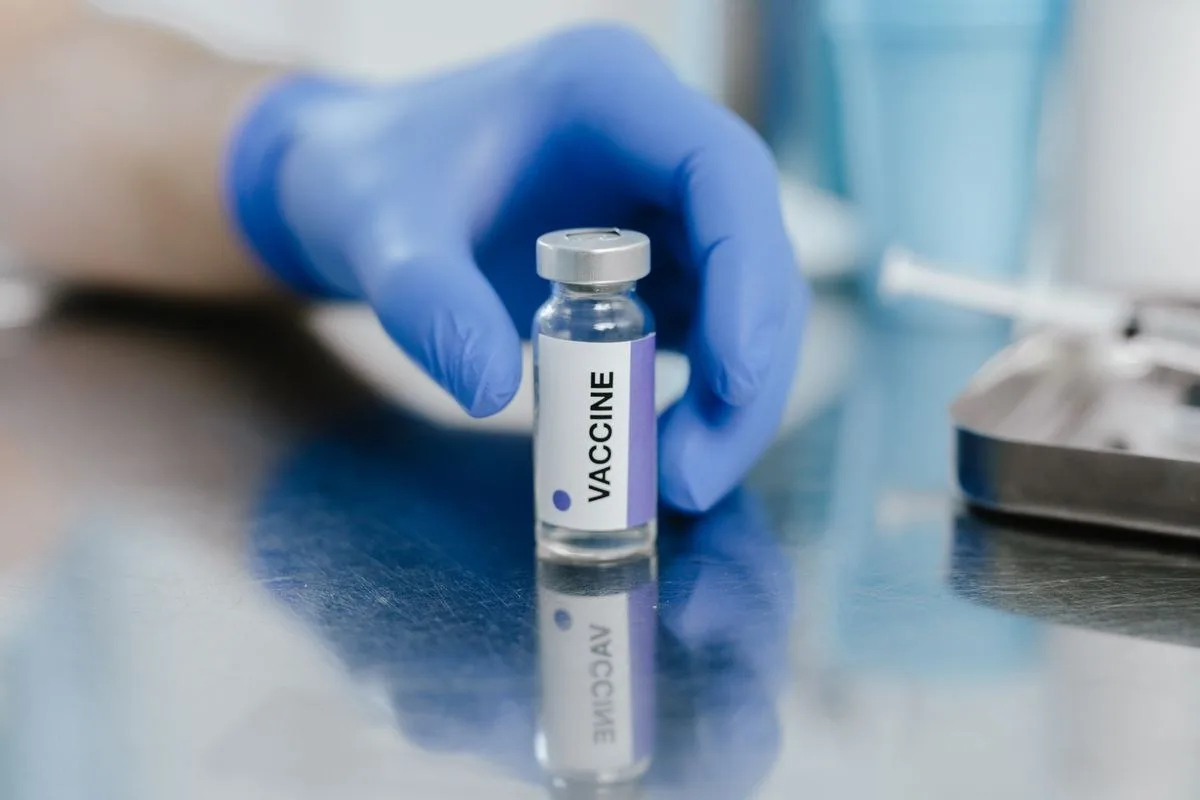
The vaccine is applied to the muscle tissue on the outside of the upper arm; in young children, the thigh area may be preferred. Before application, the area is cleaned, single-use material is used, and the cold chain is properly stored, the expiration date of the product is checked.
It is important to ensure that the practice is carried out in a licensed health institution of the Ministry of Health and by experienced health personnel. An environment with the necessary means of intervention against rare sudden allergic reactions should be preferred.
It is recorded when the dose is administered. When there is a delay between doses, it is not usually necessary to start the scheme again; the incomplete dose is completed at an appropriate date. This planning is done by physician evaluation.
Post-Application Care and Expectations for Side Effects
After application, it is recommended to keep the person under observation for a short period of time. The feeling of dizziness and fainting is useful to rest sitting for a while, especially in adolescents, as it can be seen due to excitement.
The most commonly reported side effects are pain, redness and mild swelling in the application area. Some people may experience headaches, fatigue, or mild fever. These complaints usually go back on their own within a few days. The physician should be consulted in case of prolonged complaints or unexpected symptoms.
There is no scientific evidence to indicate that the vaccine causes infertility. Appointment planning is done in the first application so that subsequent doses can be completed on time.
Questions and Doctor Recommendations Before Getting a HPV Vaccine
Sharing the questions that come to mind prior to the vaccination decision with the physician makes it easier to plan the process correctly.The topics that may be useful to ask in the consultations are:
How many doses would be appropriate for my age group?
If previously HPV positive was detected, is the vaccine still useful?
How often should I have screening tests done after vaccination?
Do the medications I use or my chronic illness affect the practice?
Should my partner be evaluated?
Samsun obstetrician All of these titles can be discussed in detail by making an appointment. In addition to the vaccine, screening, colposcopy and lesion treatment if necessary are handled within the same follow-up plan.
The methods applied to the treatment of genital warts aim to eliminate lesions that appear; warts may recur after some time, as the virus can remain in the surrounding tissue. Therefore, a control examination is recommended at certain intervals after treatment.
Special Conditions for Pregnant and Breastfeeding Women
HPV vaccination is not recommended during pregnancy. If pregnancy occurs after starting the vaccination scheme, the remaining doses will be postponed until after delivery; this is not a reason for termination of pregnancy. Application timing in people planning pregnancy is determined with the physician.
There has been no apparent evidence that doses administered unwittingly during pregnancy cause problems in the baby. Nevertheless, insemination is not preferred in pregnancy; what should be done in such a situation is to report the condition to the physician rather than to be alarmed and to create the monitoring plan together.
It is decided by a physician's assessment of whether the vaccine will be administered in lactating people. HPV positivity detected during pregnancy often does not change the method of birth; the follow-up plan is tailored to the person and, if necessary, postnatal control examination is performed.
Pre-made Medical Tests and Requirements
In Turkey, the Ministry of Health conducts a screening based on HPV-DNA testing as part of the national screening program for women between the ages of thirty and sixty-five. This service is offered through KEGEM, family health centers and wellness centers. Sharing the results of these tests prior to vaccination makes it easier to evaluate.
People with high-risk type may need colposcopy as a result of testing. Colposcopy is a detailed examination of the cervix with a magnifying device; A targeted biopsy, i.e. tissue sample, can be taken when a suspicious area is seen. Biopsy is an invasive procedure and may subsequently experience mild bleeding or cramping-style discomfort; Therefore, prior to the procedure, information is made.
High-risk type detection alone does not mean a diagnosis of cancer; The goal is to recognize permanent infection and possible cell changes early on. Having a vaccine does not eliminate the need for screening; The tests are carried out at appropriate intervals to the age group.
Conclusion
Samsun HPV vaccineIt is an important option in protecting against virus-related diseases, especially cervical cancer, although the highest benefit is provided during the period before the encounter with the virus, it can also be evaluated in adults.
The screening tests should be carried out without interruption in people who are vaccinating; the control examination plan is determined with the physician.

Original Turkish content prepared and reviewed by
Prof. Dr. Aşkı Ellibeş Kaya
Specialist in Obstetrics and Gynecology
Last updated: 28 August 2026
The content on this page is intended for informational purposes; the diagnosis and treatment decision is made only with your physician after the examination.
References
The following sources relate to the informational issues outlined by them. The personal diagnosis and treatment plan requires physician evaluation. Source texts are in English.
CDC
Human Papillomavirus (HPV) Infection ; STI Treatment Guidelines (opens in new tab)Related subject: The protective purpose of the HPV vaccine and the maintenance of cervical screening following the vaccine.
Frequently asked questions
Oh, no. HPV positivity indicates that the virus is encountered, not a diagnosis of cancer. Most infections are self-cleaning; The risk-causing condition is high-risk infections that become permanent. The result is interpreted by the physician's assessment and a control examination is scheduled when necessary.
Related Services
Other issues under the HPV heading.



Start with an appointment
Let us determine the day and approach that best suits you. Your consultations are conducted on a privacy basis.