
Samsun Genital Wart Treatment
It is a treatment process that involves cleaning HPV-related genital warts with laser, radiofrequency, coter, ice cream and local applications, and subsequent regular checks.
Overview
Genital wart treatment involves cleaning the developing warts due to HPV infection with appropriate methods and subsequent follow-up.
The methods applied aim to eliminate visible lesions; But no method used today would remove the virus from the body. Therefore, recurrence can be seen after treatment and a control examination is planned.
Genital warts are the result of one of the most common sexually transmitted infections in the world, with the majority of sexually active people experiencing HPV at some point in their life.
This table is not indicative of a neglect or a personal defect; it is quite easy to get infected as the virus passes through skin and mucosa contact.
A section of those who notice warts postpones the application because they are embarrassed. However, early evaluation limits the increase in the number of lesions, preventing other conditions that may be accompanied from being overlooked and facilitating treatment.
The examination is conducted with privacy in mind, patient records are kept confidential.
In our practice in Samsun Atakum, we also conduct evaluations in the areas of gynecology and urogynecological as well as sexually transmitted diseases and colposcopy with HPV.
The following sections deal with diagnostic steps, treatment options, recovery process and follow-up plan respectively.
What is Genital Wart?
Genital wart, as it is known in the medical language, is a benign skin and mucosal growth caused by the human papilloma virus (HPV).
Its appearance varies from person to person. It can remain in the form of a single small bubble, as well as increase in number and combine to form a cauliflower-like structure. Its color may be close to skin color, pinkish or darker.
HPV is a virus with a double-stranded DNA structure, and numerous types have been identified. Some of these types are located in the skin of the hands and feet, while others are located in the mucosa of the genital area. Sexual intercourse is not required for transmission; direct contact with infected skin or mucosa may be sufficient.
Low-risk types are responsible for the vast majority of genital warts, while high-risk types may play a role in the development of cervical cancer. With wart-causing types, cancer-causing types are different; wart sighting does not mean cancer.
The immune system spontaneously suppresses most HPV infections over a period of time. The rate at which the virus is cleared varies by person; Smoking, immunosuppressive diseases, and some drug treatments can prolong this process. Warts are caused by the virus multiplying in skin cells.
There is no antiviral treatment that targets HPV itself, removing the virus from the body. All of the methods applied are not intended for the virus, but for lesions created by the virus. It is important to know this distinction, to establish the expectation from treatment correctly and to ensure that follow-up examinations are not disrupted.
In women, lesions are most often seen in the vulva, vagina entrance, perineum, and around the macaque; Lesions placed in the cervix may not be noticed from the outside. In men, penis, scrotum and machetes are typical residential areas.
HPV is an infection that can be seen in all sexes, and the treatment approach is based on similar principles.
Misinformation about the pathways of transmission can cause unnecessary anxiety.The virus is mainly transmitted by sexual contact, by touching the skin and mucous surfaces together.
It is not expected to be transmitted by means such as a communal toilet, pool or towel. Barrier methods reduce risk; However, protection may be limited as they do not cover the entire contact area.
New emerging, small bumps or stalked protrusions in the genital area
Soft lesions that increase in number over time, cluster together
A slight burning or discomfort sensation due to itching, friction
Pointal bleeding from the lesion during sexual intercourse or cleansing
Most people do not have pain and the lesions are not noticed for long
Genital Wart Treatment Methods
The choice of treatment does not depend on a single rule. The number, size, placement of the lesion, treatments previously administered, pregnancy status and preference of the person are evaluated together.
Different methods can be chosen for different regions in the same person; in some cases, the methods are sorted to complement each other.
The common goal of the methods is to eliminate visible lesion and resolve complaints. Since the virus can remain silent in skin cells, there is a chance that new lesions will appear after treatment.
No method can make a definite promise that it cannot be repeated; Therefore, the follow-up plan is an integral part of treatment.
A portion of the lesions may spontaneously regress over time; However, it is not always appropriate to wait. Treatment is recommended in lesions that increase in numbers, grow, bleed or affect daily life.
It is a common mistake to remove lesions by fingernail or try to burn them with products taken without consulting the physician; These attempts can lead to irritation, infection and scarring.
Laser vaporization: evaporation of the tissue with light energy; It is preferred in lesions in the common, numerous, or hard to reach area, requiring regional numbing and subsequent crustation.
Electrocoter: removal of tissue by heat energy; preferred in a limited number and thick-based lesions, the depth of application is adjusted by the physician.
Radiofrequency: cutting and vascular closure with high frequency wave; It is used for controlled tissue removal in sensitive areas, is administered with regional numbing and maintenance instruction is important.
Cryotherapy: freezing of tissue with liquid nitrogen; It is preferred in small numbers and superficial lesions, often requiring multiple sessions.
Chemical agents applied by the physician: acid solution driven into the lesion in point form; It is used in small lesions and in cases deemed appropriate in pregnancy, it is essential to practice a physician for the protection of intact tissue.
Local remedies used by the person himself: regular use in the form of cream or solution; It is preferred in lesions in the limited area that can be reached from the outside, duration and frequency are determined by the physician.
Surgical inference: surgical removal of the lesion; applied in large, combined or sampled lesions, recovery may take longer than other methods.
Laser Treatment Option
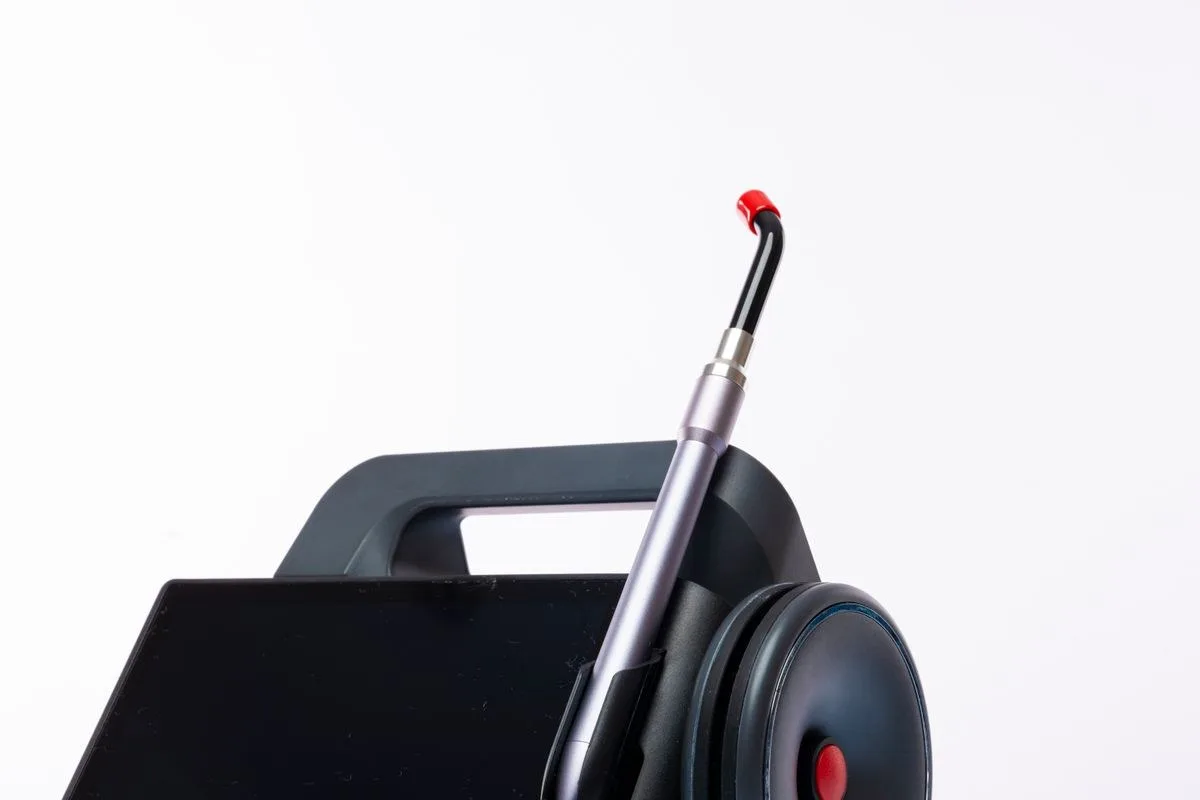
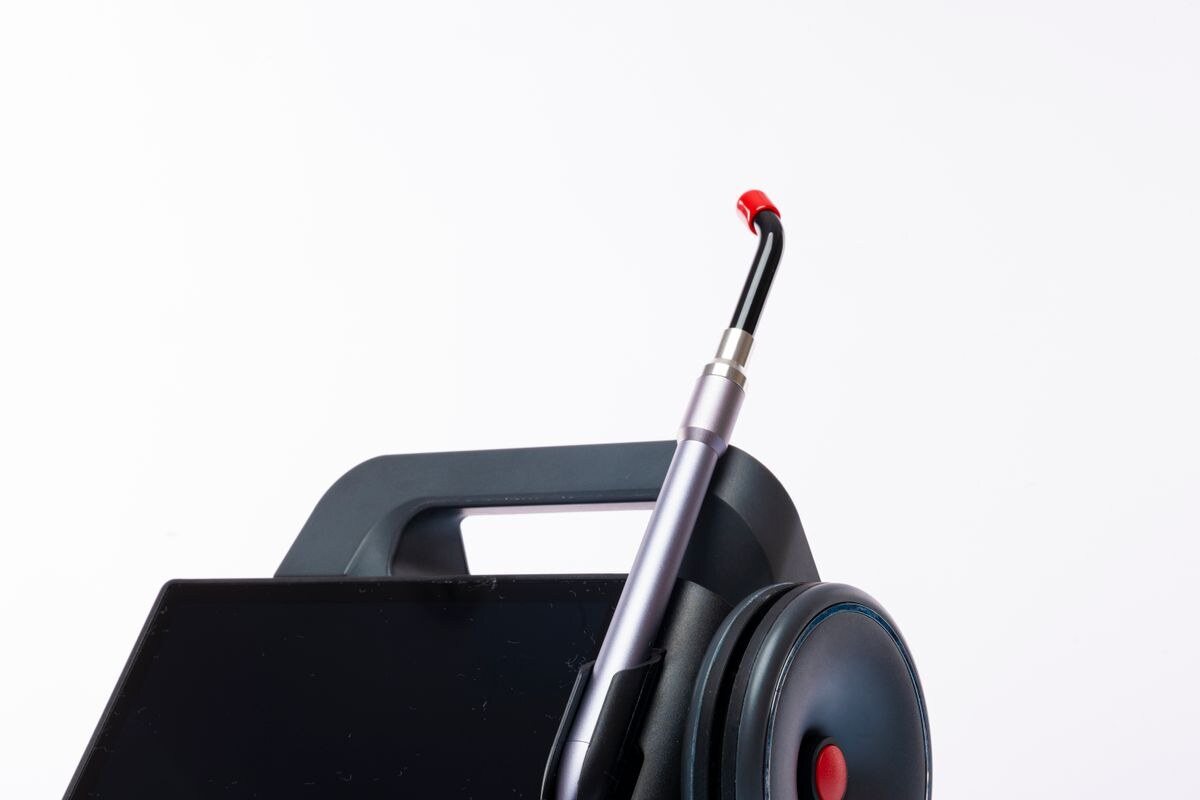
In laser treatment, condensed light energy heats the water in the lesion tissue and vaporizes the tissue. Since energy is focused on a narrow area, the effect given to the surrounding solid skin can be limited.
This feature is prominent when warts are outnumbered or placed in anatomically difficult areas.
Before application, the area is cleared and regional numbing is provided. During the procedure, a feeling of heat can be heard, but through numbing, the pain decreases markedly. Depending on the number of lesions, session duration varies; In large areas, treatment can be divided into multiple sessions.
Following the procedure, redness, mild swelling and superficial crusting are expected in the area. Recovery time varies depending on the depth of the lesion and the texture of the person. To reduce the likelihood of scarring, maintenance instructions are recommended to follow and shells are not plucked.
Chemical Treatments and Local Applications

Chemical treatments are divided into two groups. The first group includes acid solutions that the physician applies directly to the lesion in the office.
These agents collapse the lesion tissue and require careful application so that it does not overflow into intact tissue; they are usually maintained in repeated sessions at certain intervals.
The second group contains creams and solutions that the person uses at home. Some of these work by stimulating the regional immune response, while others work by directly affecting lesion cells.
The duration of use, frequency and area to be applied are determined by the physician; These products should not be used without a physician's recommendation.
The common side effect of local drugs is redness, irritation and tenderness in the application area.
If the complaint is increased, the practice should be interrupted and the physician consulted. Some local drugs are not used in pregnancy; acid treatment, ice cream or heat-based methods that the physician administers during this period are preferred. It is important for those with a pregnancy plan to state this in the first consultations.
Radiofrequency and Electrocoter Treatment
The electrocoter is based on the removal of lesion tissue by converting electrical energy into heat.
In the radiofrequency method, high frequency waves are used; Small vessels can be closed at the same time while the tissue is cut in a more controlled form. Both methods are administered under regional numbing.
These methods offer a practical solution, especially in thick-based, stemmed or limited number of lesions. The ability to provide bleeding control during the procedure allows the application to be completed in practice conditions. The depth of application is adjusted by the physician in order to limit trace formation.
Cryotherapy based on ice cream also eliminates the lesion with similar logic; The liquid nitrogen freezes the tissue, disrupting the cell structure. It is preferred in superficial and few lesions, often requiring several sessions. Examination findings and the general condition of the person are evaluated together to determine which method is appropriate.
Treatment Process and Patient Preparation
Treatment does not begin by looking at the lesion and processing it immediately. First, you learn when the complaint started, previously administered treatments, accompanying diseases, and medications used.
Then examination and tests are performed, which are deemed necessary; the process plan is created after the whole of this information is evaluated.
First Consultation Appointment
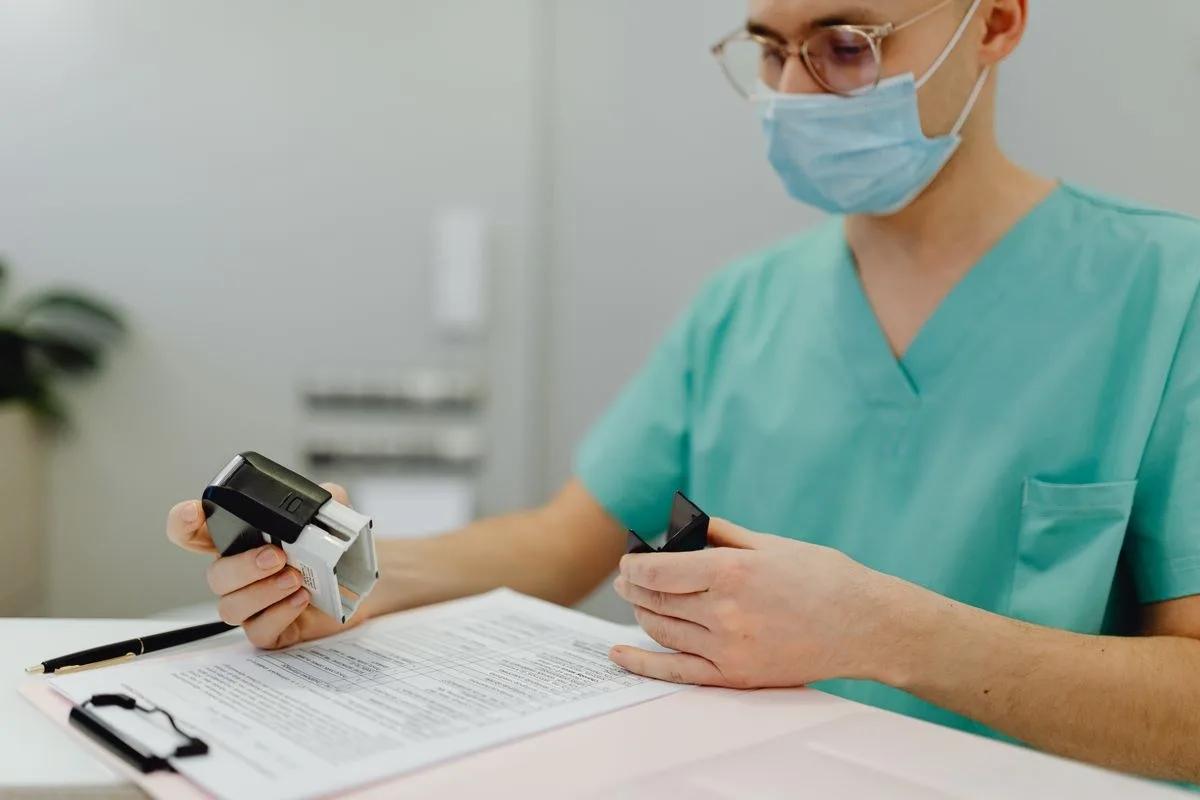
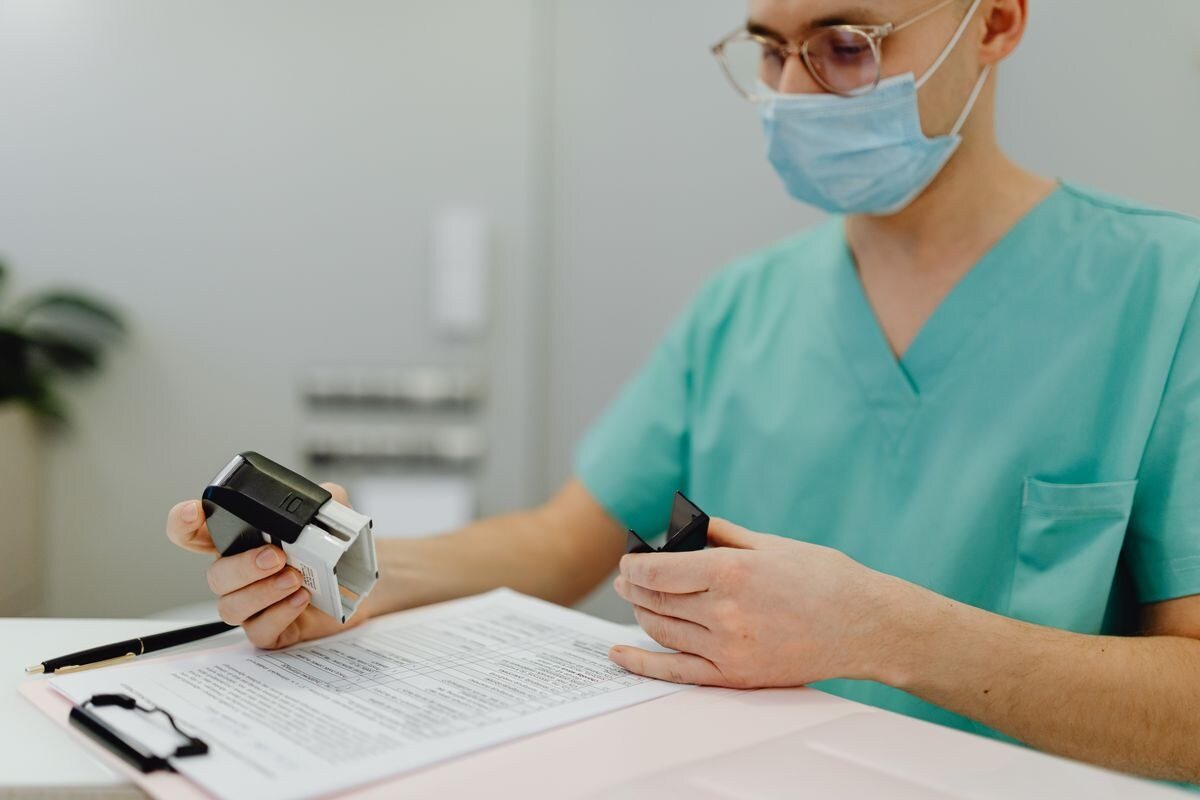
At the first meeting, the person's story is taken in detail and a genital area examination is performed. Vulva, vagina and cervix in women; When deemed necessary, the mascara environment is also evaluated. Applying acetic acid in areas that are difficult to distinguish from the eye can help make suspicious areas more prominent.
This meeting is also the part where questions are answered. ways of transmission, assessment of spouse, likelihood of recurrence and prevention methods are clearly discussed. Establishing a framework based on knowledge and free from judgment significantly increases one's compliance with treatment.
The first area of expertise to be applied for in complaints about the genital area is women's diseases and childbirth. A female obstetrician appointment for people living in Samsun provides a holistic view of both the evaluation of the lesion and the review of uterine oral health in one application.
Preliminary Tests and Laboratory Review
Diagnosis of genital warts is often performed by examination. However, in women, HPV DNA testing and cytological examination are performed to evaluate the cervix. These tests are studied in laboratories that can perform molecular examination and provide information about the presence and type of the virus.
In Turkey, cervical cancer screening is conducted under a national program. HPV DNA testing is performed at specific intervals to women in the designated age range, with cancer early diagnosis centers and family health and community health centres affiliated with the Ministry of Health; When the test is positive, the cytological evaluation comes into play.
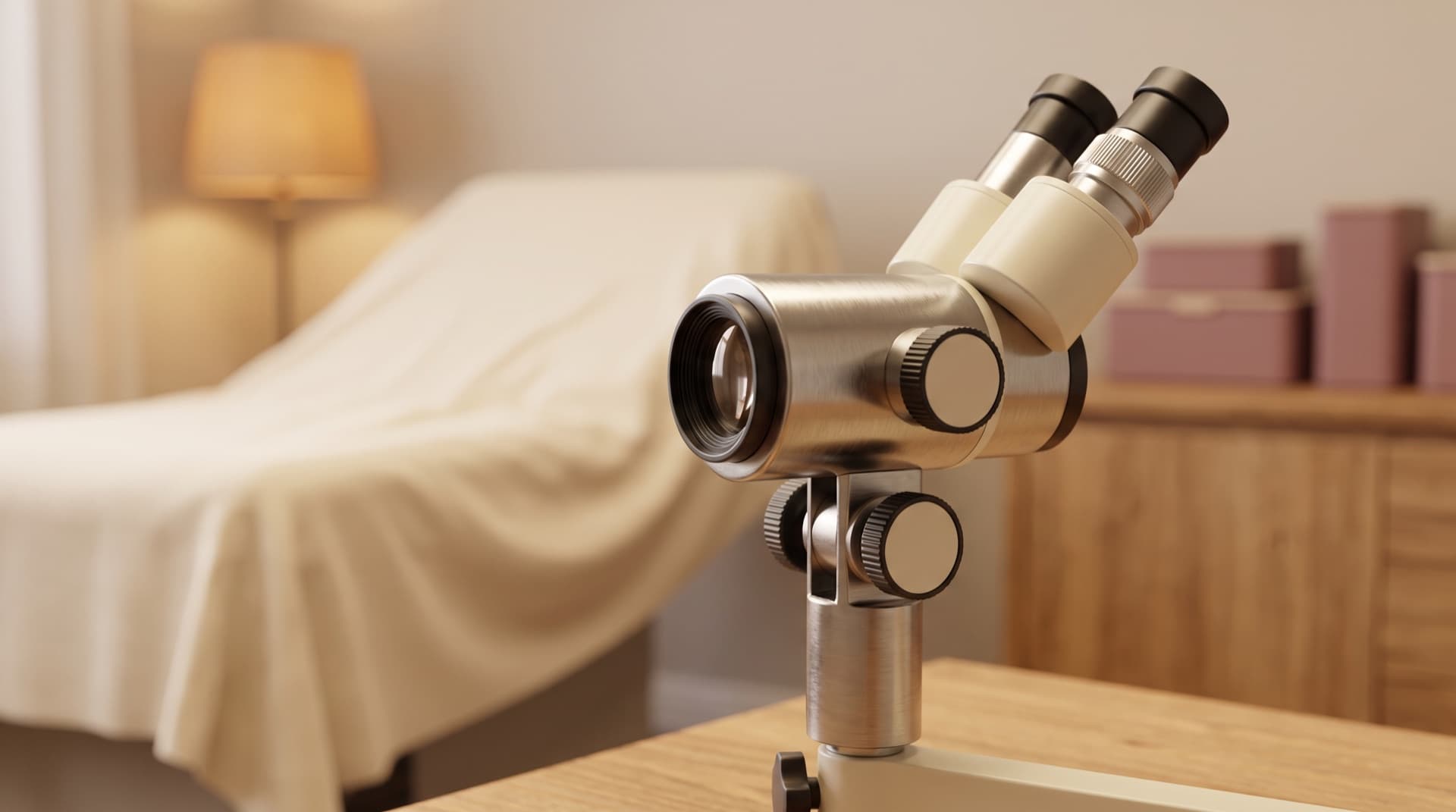
According to the results, colposcopy may be required. High-risk type positivity, abnormal cytology result, eye-suspicious cervix appearance, post-relational bleeding or recurrent positivity are the main causes of this review. In colposcopy, the cervix is examined by magnification; Biopsies, i.e. tissue samples, can be taken from the area deemed necessary.
Biopsy is an invasive procedure; It requires a small piece of tissue to be removed. Then there may be mild pain, bleeding in the style of spotting, or short-term discharge. Therefore, biopsy is not administered at every HPV positive but in cases where it is deemed necessary to evaluate the examination and test results together.
Detailed genital area examination and application of acetic acid if deemed necessary
HPV DNA testing in women and cytological examination if necessary
In cases where appropriate, colposcopy and biopsy from the suspected area
Pathological examination of lesions whose diagnosis is uncertain, growing rapidly or not responding to treatment
Evaluation in terms of other sexually transmitted infections that may accompany

Anesthesia and Duration of Application
Regional numbing is often sufficient in procedures under practice conditions. Drug creams that are put on hold before applying in small and superficial lesions may be preferred; In deeper procedures, the area is numbed by local anesthetic application. General anesthesia is only brought up in very common lesions and selected cases.
The processing time varies depending on the number, size and placement of the lesion. In a limited number of lesions, the practice is short and the person can return to their daily life on the same day. In common lesions, treatment can be divided into multiple sessions; This approach helps the healing progress more comfortably.
After the procedure, the feeling of numbness persists for a while. As this effect progresses, mild combustion and sensitivity may occur; These complaints are managed by pain relief and care practices that the physician will recommend. The person's specific treatment plan is described in detail at the end of the examination.
Possible Side Effects After Treatment
Genital wart treatments are generally well tolerated, yet like any procedure, these practices have expected effects and less frequent undesirable consequences. Knowing them beforehand reduces unnecessary anxiety in the recovery process and makes it clear in which situation to apply to a physician.
Fever elevation, increasing pain, foul-smelling discharge or non-stop bleeding are findings that do not fit the expected table. In these cases, the physician should be consulted without an appointment to check in. Early intervention both accelerates recovery and reduces the likelihood of permanent problem development.
The severity of the side effects varies according to the method applied, the width of the treated area, and the person's tissue characteristics. Smoking, uncontrolled diabetes, and immunosuppressive conditions can slow recovery. Therefore, it is important to share existing diseases at the first meeting.
Increased sensitivity to redness, swelling and touching in the processing area
Mild itching during superficial crusting and shedding of the shells
A sense of temporary discomfort when pain, burning or urinating
A small amount of bleeding or a discharge in the form of watering that persists for some time
Temporary color opening or darkening in the healing area
Rarely develop infection, delay in recovery or trace formation
Post-treatment Care and Recovery Process
The outcome of the treatment depends not only on the method applied, but also on the care after. Proper care speeds up recovery, reduces the risk of infection and limits the likelihood of scarring. Since maintenance instructions differ according to the method applied, the guidelines given by the physician should be based on.
Home Care Instructions
Keeping the area clean and dry during recovery is the basic rule. In moist areas, crustation is delayed and irritation increases. The wet zone should be set up with light touches, without scrubbing. The use of antiseptic solution and ointment is only done according to the physician's recommendation.
Gently washing the area with warm water, avoiding perfumed products and harsh cleaners
Choose loose cotton underwear and avoid tight clothing that causes friction
Not to pluck the shells, not scratch the area and not to interfere with the nail
Taking a break from sexual intercourse until the physician sees fit
Long stay in pool, sea, sauna and tub to postpone until recovery is complete
Limiting heavy exercise and activities leading to sweating in the first days
Using the recommended drugs as described, not adding products spontaneously
Monitoring Appointments and Control
The control examination is a continuation of the treatment. At the first check, the course of recovery is assessed, see if there are any remaining lesions, and if necessary, additional sessions are scheduled. The frequency of controls is determined by the method applied, the prevalence of the lesion, and the overall health status of the person.
The impression is not limited to the lesion area alone. The follow-up of cervical health in women is maintained as a separate heading; screening tests are repeated at intervals recommended by the physician. Thus, cell changes due to high-risk types can be detected early on.
Repetition does not mean that treatment has failed. Since the virus can remain silent in skin cells, it is likely that new lesions will appear and are most often seen in the first months. This possibility depends on the person; Regular control allows new lesions to be caught when they are small and at an easily treatable stage.
Conclusion
Genital wart treatment is a process in which accurate diagnosis, choice of appropriate method for the person and regular follow-up are conducted together. Laser, radiofrequency, electrocoter, ice cream and local drug applications help clear visible lesions; It is decided by the physician's assessment of which method is appropriate.
It should be remembered that the treatment is intended for lesions, there is no antiviral option targeting the virus itself. Therefore, control examinations are part of the process to maintain cervical screening in women and to pay attention to methods of prevention. insemination can be discussed with the physician as a protective option.
Genital warts are a common and treatable health problem. Postponing the application can lead to the growth of lesions and prolongation of the process. Appointment when a suspicious change is noticed allows both treatment and general gynecologic health to be addressed early on.

Original Turkish content prepared and reviewed by
Prof. Dr. Aşkı Ellibeş Kaya
Specialist in Obstetrics and Gynecology
Last updated: 28 August 2026
The content on this page is intended for informational purposes; the diagnosis and treatment decision is made only with your physician after the examination.
References
The following sources relate to the informational issues outlined by them. The personal diagnosis and treatment plan requires physician evaluation. Source texts are in English.
CDC
Anogenic Warts ; STI Treatment Guidelines (opens in new tab)Related subject: Diagnosis of genital warts, selection of treatment methods by person and recurrence.
The information on this page is for general informational purposes only and does not replace medical advice, diagnosis or treatment. Each patient's condition is different; the method and process to be applied is determined only by the physician after examination and evaluation.
Frequently asked questions
Yes, repetition can be seen. The methods applied eliminate the visible lesion; The virus can remain silent in surrounding skin cells. New lesions most often appear in the first months. The frequency of recurrence varies depending on the person's immune status and the prevalence of the lesion, so control examinations are planned.
Related Services
Other issues under the HPV heading.

Start with an appointment
Let us determine the day and approach that best suits you. Your consultations are conducted on a privacy basis.