
Samsun HPV Treatment
It is a person-specific process involving the treatment and regular follow-up of genital warts and cervix precursor lesions caused by HPV infection with appropriate methods.
Samsun HPV TreatmentThe human papillomavirus infection involves treating lesions caused by appropriate methods and regular follow-up. HPV is a common family of viruses that can be transmitted through sexual contact and skin contact, with more than two hundred types.
The detection of an infection so common in society is not a personal defect, but a medical condition and can be managed with the right approach.
There is a distinction that needs to be clarified: there is no specific drug that removes the virus itself from the body. The immune system will self-clean most of the HPV infections within a year to two years.
Thus, when it is called HPV treatment, what it means is the treatment of lesions created by the virus and regular follow-up.
Genital warts, cellular changes in the cervix, and precursor lesions are the main goal of this treatment. Which method is appropriate depends on the placement, size, number of lesions, and overall health of the person. Therefore, a specific plan is prepared for the individual rather than a single scheme that fits everyone.
Medical evaluation, diagnosis and follow-up processes of gynecology, colposcopy, HPV and sexually transmitted infections Prof. Dr. Aşkı Ellibeş Kaya It is conducted under control.
What is HPV Treatment?
HPV treatment is a process aimed at eliminating tissue changes caused by the virus and monitoring the course of infection. The plan is collected in two main headings: the treatment of visible lesions, namely genital warts, and the treatment of precursor lesions detected in the cervix.
Low-risk HPV types, particularly 6 and 11, are associated with genital warts and are not considered cancer-related. High-risk types include 31, 33, 45, 52 and 58, mainly 16 and 18; It is associated with cervical, vulva, vagen, anus and oropharynx cancers. The treatment approach is largely shaped by this separation.
Not everyone with a high-risk type develops cancer. Permanent infection can first form a precursor lesion (CIN) in the cervix; These changes usually take years to progress. The value of regular scanning and tracking appears exactly here, as the evaluation becomes much easier when the process is captured at an early stage.
HPV may not give symptoms in most people and may be passed unnoticed. Because it can occur through direct skin contact, as well as sexual contact, prevention methods reduce the risk but do not eliminate it altogether.
Therefore, instead of waiting for symptoms, it is a safer approach for screening-year-olds to go to regular checks.
A common misconception needs to be fixed: there is no antiviral drug that has been proven to target HPV itself, clearing the virus from the body. There is no such evidence for herbal mixtures, supplements, or recommended cures on the Internet.
The treatment is directed at changes that the virus creates in the tissue and is carried out along with regular monitoring of these changes.
HPV Infection and Treatment Necessity
Not all HPV positives require treatment. In many people whose immune system works healthily, the infection spontaneously regresses; In this case, the physician usually plans a check-up at certain intervals. Not doing unnecessary processing is also part of a good treatment approach.
The treatment decision is not based on the test result alone, but on the whole of the findings and examination. The following conditions may direct the physician to active treatment:
Presence of visible genital warts
Detection of abnormalities such as ASC-US, ASC-H, LSIL, HSIL or AGC as a result of cervical cytology (smear)
HPV 16 or 18 positivity; advanced examination may be required even if the smear is normal
Confirmation of the precursor lesion (CIN) of the cervix with colposcopy and biopsy
The same high-risk type remains permanently positive on follow-up tests
Finding a disease or treatment story that suppresses immunity
When deciding, the age of the person, pregnancy status, fertility plans and previous procedures are also evaluated.
While follow-up is often preferred in light changes detected at a young age, the procedure may be prominent in advanced lesions. This assessment is the responsibility of the physician and the outcome depends on the person.
The decision to follow does not mean that the process is left untraceable. The physician usually sets repeated dates of testing and examination at certain intervals; The failure of these appointments is the basic way to monitor the course of the process. If a new complaint arises during the interim period, it is necessary to apply without waiting for an appointment.
Treatment Options and Procedure for HPV
Multiple methods are used in treatment for lesion. Method selection; The placement of the lesion depends on factors such as its prevalence, number, response to previous treatments, and pregnancy status. None of the methods remove the virus from the body; The target is the elimination of altered tissue.
Ablative methods (laser, cryotherapy, electrocoter), topical agents and surgical excision can be used in selected cases in genital warts.
Sometimes these methods are planned together: for example, when trying topical treatment on small lesions, the ablative method may come into play for resistant focuss. The decision may also change based on the outcome of the first session.
In advanced precursor lesions in the cervix, methods such as LEEP (excession with electrosurgery) or conization may be raised.
In these procedures, both treatment is provided and pathological examination can be performed as the tissue is sampled. The procedure to be applied is planned with the patient after the results of the examination and examination are clarified.
In electrocoter application, lesioned tissue is removed by electrical energy; it is usually done under regional numbing and under physician conditions. Surgical removal of the lesion may be preferred in selected cases.
No matter which method is chosen, the treatment is aimed at the visible lesion; it is not possible to say that the virus is completely removed from the tissue. Therefore, the follow-up plan is constructed as an integral part of the treatment.
Laser Treatment Application
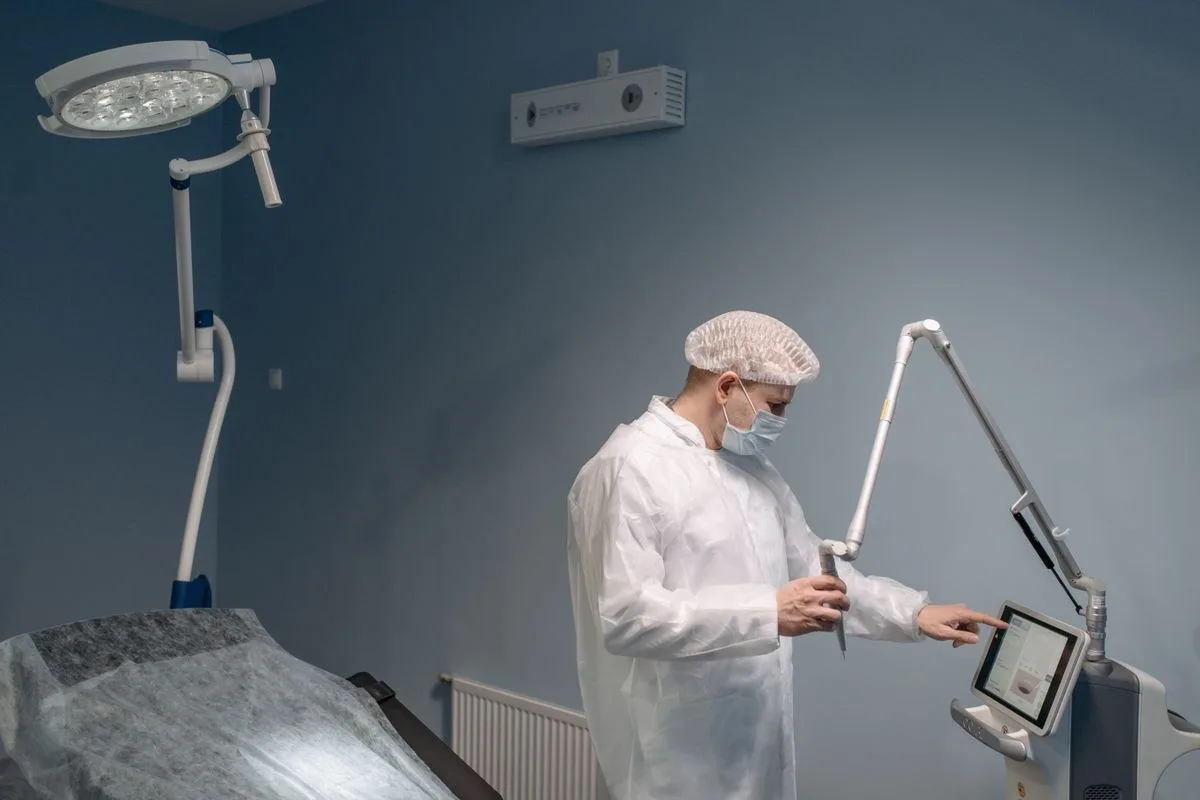
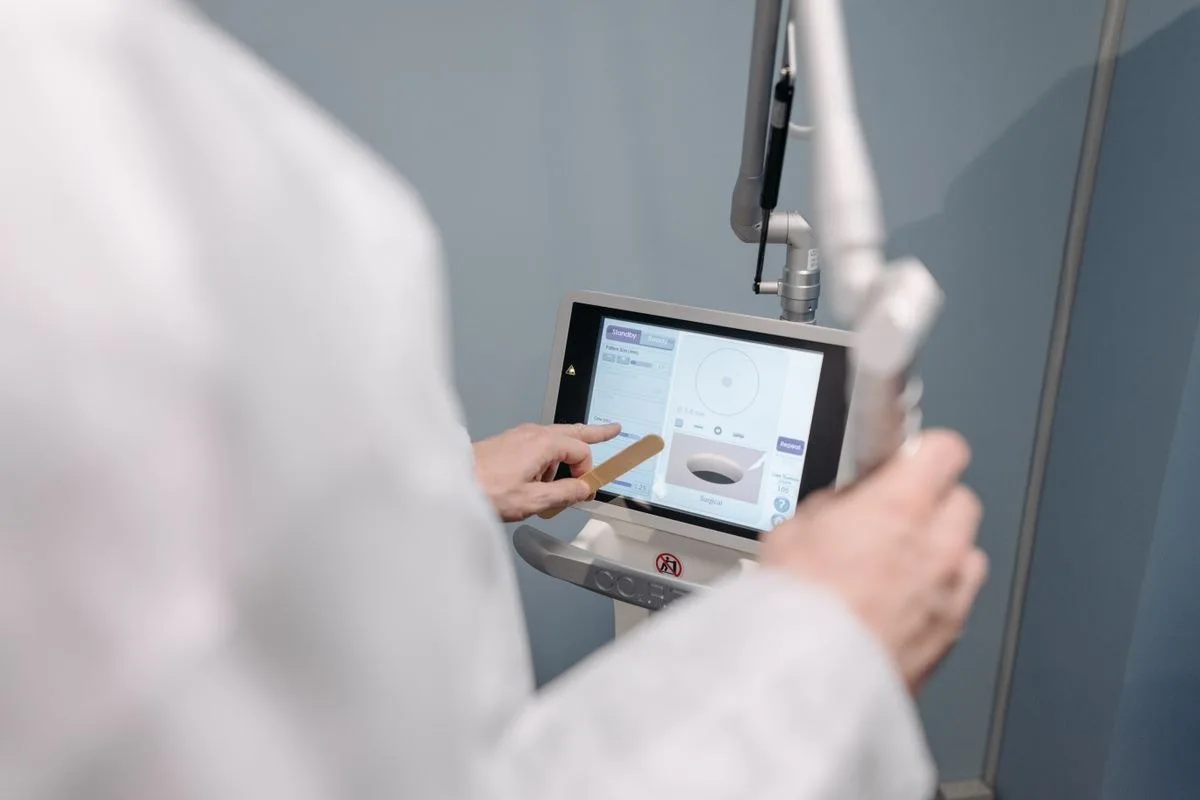
Laser ablation is based on the evaporation of lesioned tissue with concentrated light energy.
It can be especially preferred in warts, which are common, numerous or hard to reach areas. Regional drugs such as local anesthetic application can be used to reduce the feeling of discomfort during the procedure.
The duration of the application varies with the width of the lesion and is mostly performed from the foot. Then redness, tenderness and crusting can be seen in the area; These are the usual findings of the healing process.
Treatment of large areas may require more than one session, while recovery rate varies by person.
Cryotherapy (Cooling Method)
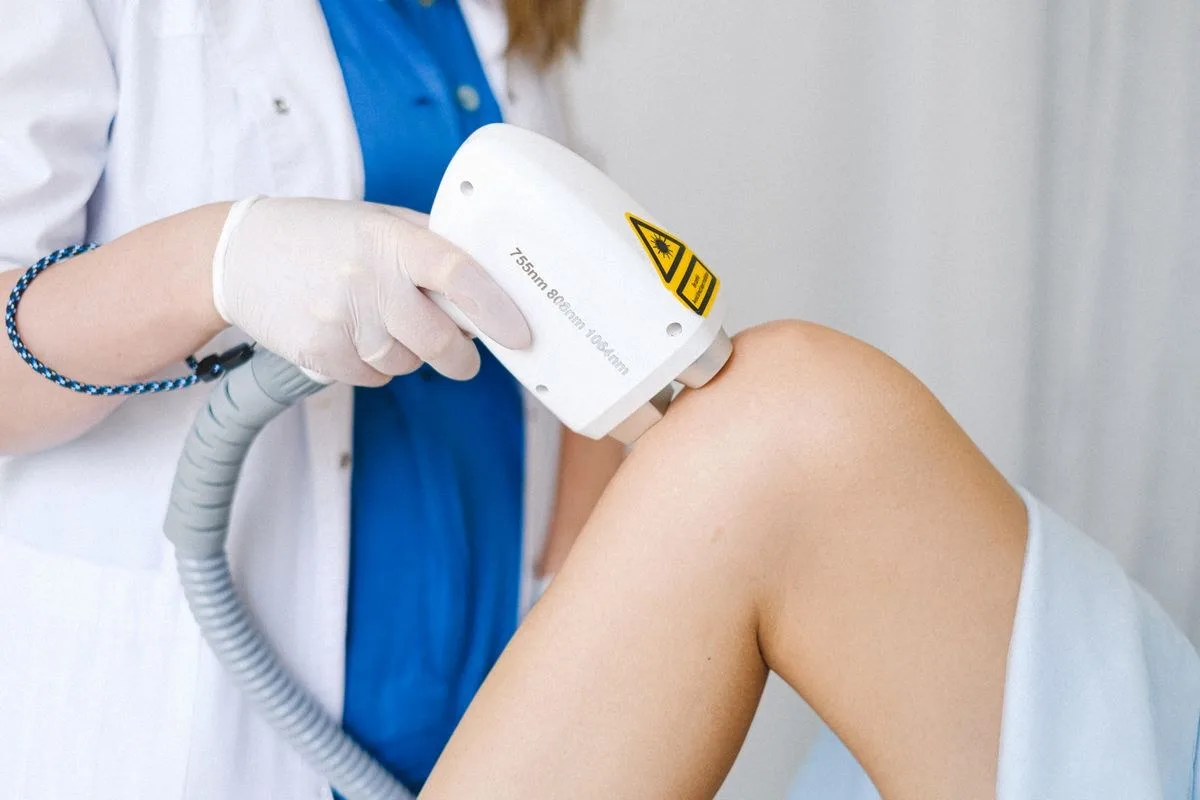
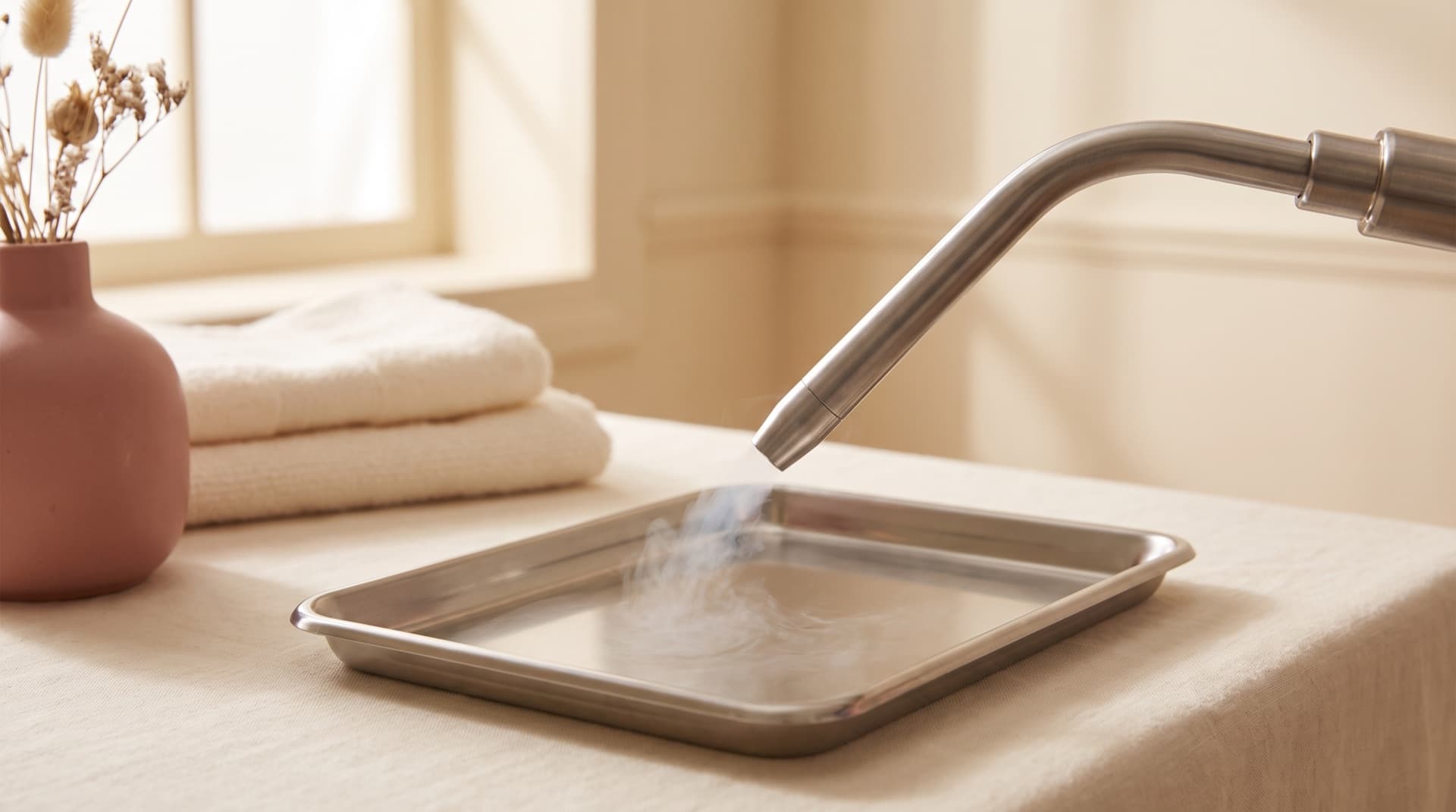
In cryotherapy, the lesion is frozen by a substance of very low temperature, such as liquid nitrogen. Ice cream and solute cycle disrupts the structure of diseased cells; The tissue can be shed by shelling in a few days. The method is a practical option that is frequently used in limited numbers and small-sized warts.
The practice is usually short-lived and well tolerated by most people. There may be a burning and sinking sensation during the procedure; Afterwards, swelling, watering and temporary color change can be seen in the area. Recurring sessions may be necessary for the lesion to subside; The number of sessions is decided by a control examination.
Chemical Agent Applications
Chemical and topical agents act directly on the lesioned tissue. Some of them have a burning effect on the tissue, while others may stimulate the immune response regionally to help the lesion decline. Some agents are administered only by the physician; Some can be used at home as described by the physician.
In this method, treatment usually proceeds in the form of a program that lasts for weeks. Maintaining intact skin directly affects the drug as a result of not being carried outside the specified area and following the frequency of use described by the physician. The use of certain agents in pregnancy is not appropriate; Therefore, the possibility of pregnancy must be reported to the physician.
Method: The form of application; It is often used; Things to watch out for
Laser ablation: Evaporation of the tissue by light energy; Common or hard-to-reach lesions; Multiple sessions may be required; Shelling is usual
Cryotherapy: Ensuring that the lesion is frozen; Limited numbers and small warts; Burning sensation and temporary color change can be seen
Chemical/topical agent: Applying on lesion; Properly settled, limited lesions; Solid skin should be protected; Some are not suitable in pregnancy
Electrocutter: Distraction of the tissue by electric energy; Selected genital wart phenomena; In Physician's conditions, it is done under a drug
LEEP / conization: Tissue excision from the cervix; Advanced cervical precursor lesions; Provides both treatment and pathological examination; Follow-up required
Pre-Preparatory and Doctoral Consultation for HPV Treatment

The preparation stage before starting treatment is the most decisive part of the process. Purpose; Clearing the type and prevalence of the lesion is to determine whether there is an underlying risk and choose the method that best suits the person. When this stage is rushed, there is a risk of both unnecessary processing and incomplete treatment.
Initial Examination and Diagnosis Phase

At the first meeting, the physician gets a detailed story. When complaints start, previous smear and HPV test results, medications used, pregnancy and birth history, smoking and diseases affecting immunity are questioned. This information directly shapes the treatment plan.
Next, a gynecological examination is performed; the external genital area, vagina and cervix are evaluated. A sample is taken for cervical cytology and HPV-DNA testing if necessary.
It is quite common to feel anxious before the examination; Sharing expectations of privacy with the physician can make the process more comfortable.
The ideal time for an examination is usually when there is no menstrual bleeding. If Smear is to be taken, a short period before the procedure may increase the reliability of the result by vaginal showering, vaginal drug use and avoiding sexual intercourse. Asking for these details when making an appointment may prevent the requirement to come a second time.
It is useful to note the questions that are curious in advance when going to the consultations. How the planned method is implemented, how many sessions are predicted, how long the recovery can take, and possible side effects should be clearly discussed. Informed consent is obtained prior to the transaction; It is a person's right to ask for points that are not understood before signing the form.
Samsun has made this assessment a Samsun obstetrician Planning with the company makes it easy for diagnosis and follow-up to be maintained at the same center. When the test results and examination findings are interpreted together, unnecessary repeat procedures can also be prevented.
Tests and Checks Before Application
Prior to treatment, the desired examination depends on the finding identified. If there is no evidence other than genital warts, the examination may often be sufficient, while a more detailed assessment of the suspicion of the cervix is required.
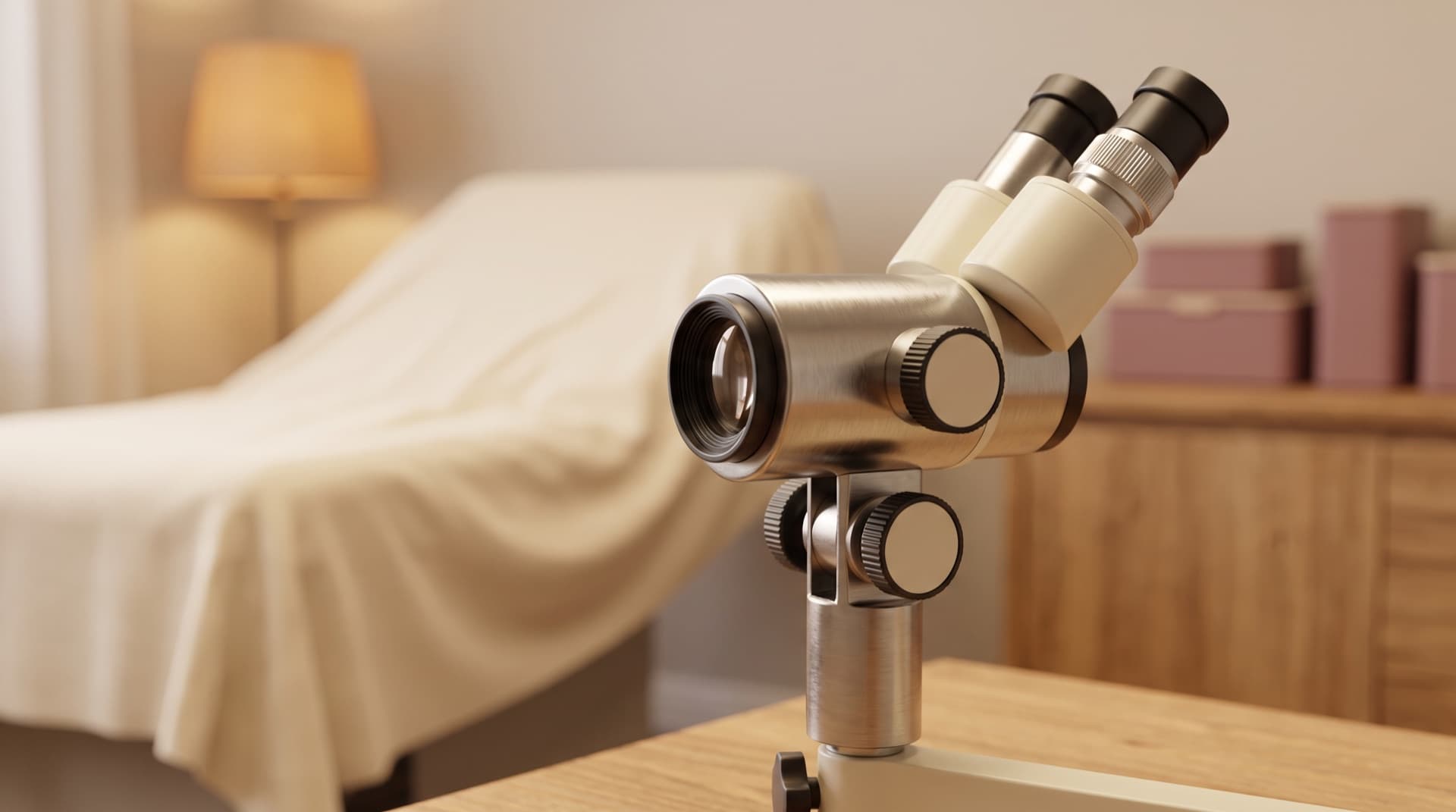
Colposcopy is the study of the cervix with an enlarged optical device and can be raised in the following situations:
Detection of HPV 16 or 18 positives, even if the smear result is normal
Smear reporting ASC-US, ASC-H, LSIL, HSIL or AGC
Abnormal appearance of the cervix in the examination
Finding unexplained complaints such as post-sexual bleeding
Cytology and pathology results are incompatible
A biopsy can be taken from suspicious areas during colposcopy. Biopsy is an invasive process that requires sampling from tissue; Then you may experience mild pain and bleeding in the style of staining.
The pathology outcome determines the direction of treatment, so informed consent is taken from the person prior to the procedure.
Pregnancy test may be requested in people who are likely to conceive, bleeding pattern and last menstrual history are evaluated. Examination of other sexually transmitted infections may also be planned if the physician deems appropriate. For the day of procedure, a period is usually preferred when menstruation ends.
It is important for the physician to be informed about the use of blood thinners, known allergies and chronic diseases, in order to plan the application safely.
After HPV Treatment Care and Recovery Process
The post-processing period is as important as the practice itself in terms of the permanence of the result. Recovery time varies depending on the method used, the width of the lesion, and the person's rate of tissue recovery. For this reason, the recipes given by the physician are personal; It does not replace general recommendations.
They Will Be Considered In The First Days

In the first days there may be tenderness in the area, mild discharge, crusting or bleeding in the style of staining.
These are mostly expected findings, but if there is heavy bleeding, foul-smelling discharge, increasing pain or fever, it is necessary to consult the physician without wasting time.
Follow the physician's description of the time period for sexual intercourse.
Avoid the use of tampons and vaginal showers unless the physician tells you otherwise
Stay away from environments such as the pool, sea, sauna and bath until recovery is complete.
Don't scratch, don't try to pluck, until the shells spill themselves.
Delay strenuous exercise and strenuous physical activity in the first days
Use only medications recommended by the physician for pain
The time to stay away from work and everyday life is usually short; After applications to small lesions, most people can return to their usual pattern on the same day.
A few days of rest may be recommended in wider procedures, which determine the duration, the scope of the procedure and the course of one's complaints.
Infection Risk and Hygiene Rules
Since a temporary open surface is formed in the treated area, the risk of secondary infection may increase somewhat. The way to reduce this risk is not over-cleaning, but proper and gentle care. Hard soaps, perfumed products and vaginal showers can disrupt the skin barrier, delaying recovery.
It is often enough to clean the area with warm water, then dry it without rubbing it with a soft towel. Cotton and abundant underwear reduce sweating, do not irritate tissue. After toilet cleaning from front to back helps prevent bacteria from being transported to the area.
Follow-up is made closer in cases that affect recovery, such as diabetes, and in areas of treatment that suppress immunity. Smoking is reported to negatively affect the course of cervix lesions; This period may be an appropriate opportunity to quit smoking.
During the recovery period, balanced nutrition and adequate fluid intake support tissue repair. Maintaining sleep patterns and managing stress are also important for immunity. These are not practices that replace treatment, but supportive habits that complement physician recommendations.
Control Tracking Examinations
The fact that the lesion has been treated does not mean that the follow-up is over. Since the virus may continue to remain in the tissue, a control examination is performed at certain intervals during the post-treatment period. In these consultations, it is evaluated whether the healing has been completed and whether a new lesion has developed.
In patients undergoing the procedure due to the cervix precursor lesion, smear and HPV-DNA tests are repeated at certain intervals, if necessary, colposcopy is repeated. Control frequency; The degree of the lesion is determined by the physician based on the pathology outcome and the person's risk condition.
It is not enough to go to the control examination only when there is a complaint. Since most changes in the cervix can progress without symptoms, people who feel good also need to apply on scheduled dates.
It is a practical method to determine the next check date when leaving the examination, or to set up a calendar reminder.
Recurrence may occur within the first months after treatment of genital warts; This does not mean that treatment has failed. New lesions can be caught when they are noticed early, when they are smaller and more easily treatable. Having an HPV vaccine does not eliminate the need to continue screening and tracking.
Conclusion
Samsun HPV Treatment the process is not with a single drug that targets the virus; It is carried out by treating lesions with the appropriate method and regular follow-up. Since the immune system removes most of the infections spontaneously over time, not every positive result requires active processing.
The decisive thing is that the correct assessment is made at the right time. Regular screening with Smear and HPV-DNA tests, colposcopy when necessary, treatment for lesion, and undisturbed controls all form a whole. Getting a diagnosis of HPV is not a shame; It is a very common infection in society, which also occurs in men.
Whether you have a complaint or not, it is important not to postpone the assessment if you are of a screening age or if you have any findings in your test result. How the process progresses depends on the person; Therefore, the plan must be created by physician evaluation.

Original Turkish content prepared and reviewed by
Prof. Dr. Aşkı Ellibeş Kaya
Specialist in Obstetrics and Gynecology
Last updated: 28 August 2026
The content on this page is intended for informational purposes; the diagnosis and treatment decision is made only with your physician after the examination.
References
The following sources relate to the informational issues outlined by them. The personal diagnosis and treatment plan requires physician evaluation. Source texts are in English.
CDC
Human Papillomavirus (HPV) Infection ; STI Treatment Guidelines (opens in new tab)Related subject: HPV transmission, low- and high-risk types, prevention and monitoring.
Frequently asked questions
Oh, no. HPV positivity does not mean a cancer diagnosis; It only indicates that the virus was present in tissue at that time. The vast majority of infections spontaneously regress. Cancer development can only come up in a long period of time, with a high-risk type lasting for years and forming a precursor lesion. Therefore, the result often requires a regular follow-up plan, not immediate treatment.
Related Services
Other issues under the HPV heading.

Start with an appointment
Let us determine the day and approach that best suits you. Your consultations are conducted on a privacy basis.