
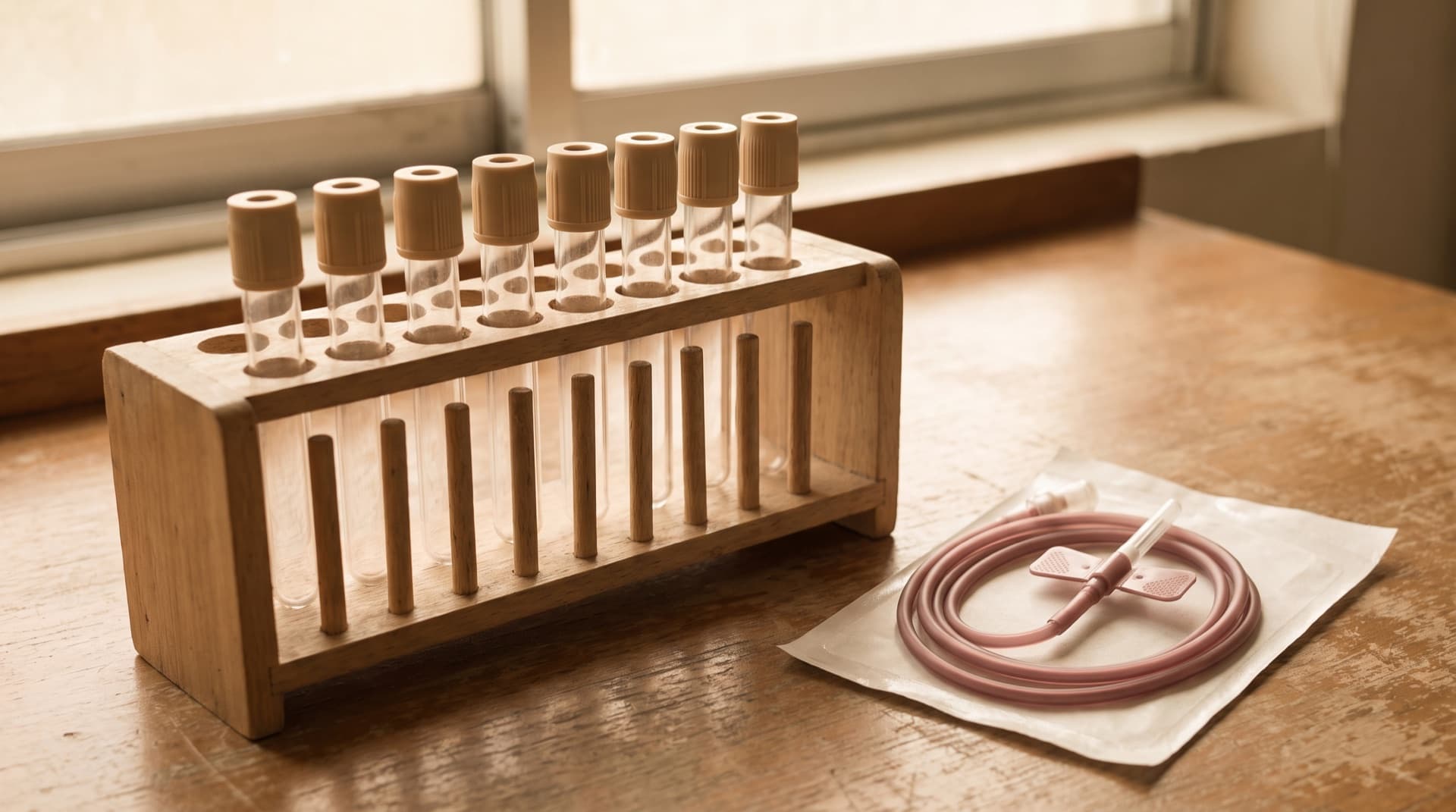
Samsun Syphilis Treatment
Syphilis is an infection caused by the Treponema pallidum bacterium that is divided into stages, effectively managed by proper antibiotic treatment and regular control tests when detected early on.
Samsun syphilis treatment, covers the management of syphilis infection by antibiotic treatment. Syphilis is a sexually transmitted, staged disease.
The causative agent of the disease is a bacterium called Treponema pallidum, and different symptoms can be seen at each stage. It can be treated effectively with appropriate treatment when detected early on; In delayed cases, permanent problems involving the heart, vein and nervous system may develop. This infection is not a matter of judgment on a person's lifestyle, but a health condition that can be diagnosed and treated. Testing is the most practical way to maintain health, regardless of the outcome. Because syphilis often progresses quietly, it is recommended that people who are at risk have regular screening, even if there are no symptoms.
In pregnancy, syphilis screening is of a separate importance; the infection can move from the mother candidate to the baby and lead to congenital syphilis. Therefore, it is among the routine blood screenings in the pregnancy follow-up. Samsun Atakum office provides services in the field of gynecology and sexually transmitted diseases Prof. Dr. Aşkı Ellibeş Kaya, evaluates the diagnosis, treatment and monitoring process of applicants in a holistic manner.
What is syphilis?

Syphilis is an infectious disease caused by the spirochete-structured bacterium Treponema pallidum, also known as syphilis among the public. The bacterium usually enters the body from the mucosa or small cracks in the skin, then spreads through the circulation of blood and lymph. If left untreated, it can persist in the body for years and affect different organ systems.
The course of the disease is examined in four main phases. In the primary stage, a single wound is usually painless, hard-edged, and in the area where the bacteria enters the body. This wound, called the chankr, often spontaneously recedes; But this regression does not mean recovery, the infection continues to progress through the body. The fact that the wound is painless causes many people to ignore the condition.
In the secondary stage, bacteria are widely spread through the blood. During this period, a rash can also be seen that can hold the palm and sole of the foot, usually without itching. Weakness, mild fever, sore throat, growth in the lymph nodes and lesions in the oral mucosa may accompany the table. The diagnosis may be delayed because the symptoms can spontaneously recede and resemble other skin diseases.
Latent, the latent stage, is when symptoms disappear but bacteria continue to be present in the body. A person may feel completely healthy; Diagnosis is only performed by blood tests. This period can last for years, and the infection is often noticed during screening for another reason.
Late syphilis occurs many years later in a part of untreated cases. Permanent damage to the heart and large vessels, bones, skin and nervous system can develop. Nervous system involvement is called neurosyphilis and can be seen at any stage of the disease. These heavy paintings are now more rare, with the prevalence of early diagnosis and treatment opportunities.
In women, the wound in the primary stage can be located inside the vagina or in the cervix. A wound found in these areas is usually not seen and is not noticed because it does not cause pain. This is the main reason why infection is detected more frequently in women during secondary stage or routine screening. This increases the value of regular gynecological examination and pre-pregnancy screenings.
Syphilis Contamination Ways and Risk Factors

Syphilis is mainly sexually transmitted. Direct contact with the active lesion during vaginal, anal and oral intercourse is the most common form of transmission. Unprotected contact with a person who has a chanthemum or mucosal lesion significantly increases the likelihood of transmission. Contagionism is particularly high in primary and secondary stages.
Condom use reduces risk, but does not completely eliminate it. The lesion can be found in an area where the condom does not cover, and contact can occur again. Therefore, regular screening is also important, as well as prevention methods.
Unprotected vaginal, anal or oral sexual contact with a person with active lesions
Close contact with the person with a lesion in or around the mouth
In pregnancy, the transition from the mother candidate to the baby via placenta, i.e. congenital syphilis
Contact with active lesions during childbirth
Rarely transmitted through blood and blood products
In contrast, many contacts in everyday life pose no risk to transmission. No syphilis is transmitted by means of being in the same environment, sharing towels or cutlery, using toilet seats, being in common areas such as pool and bath. Proper knowledge of this information reduces both unnecessary anxiety and stigma surrounding the infection.
Risk factors include unprotected intercourse with multiple partners, a sexually transmitted infection in the partner, a previous similar infection and living with HIV. A history of syphilis infection does not leave immunity; Even if treatment is completed, the person may face reinfection in the future. Therefore, prevention recommendations remain valid after treatment.
In pregnancy, the transmission is treated as a separate heading. Syphilis screening in pregnancy follow-up is among the standard practices, as the infection can pass to the baby through the placenta. Early initiation of treatment in mother candidates with infection as a result of screening is important to reduce the risk of transitioning to the baby. Repetition of screening is assessed by the physician in case of a new risk during pregnancy.
How is syphilis diagnosed?
Diagnosis of syphilis is made by evaluating a person's history, physical examination findings and laboratory tests together. There is no definitive interpretation based on a single test result, tests are expected to confirm each other. The examination examines the genital area, oral, skin and lymph glands in detail.
After infection, the tests need to be tested for a certain period of time to be positive. The result can be negative in this interval called window period. The scan shortly after the risky contact may be repeated at a date the physician will see fit.
The diagnosis can be made not only in people with complaints, but also within the scope of screening. Pregnancy monitoring, suspicion of sexually transmitted infection, status of infection detected in the partner and pre-blood donation assessments are cases where syphilis screening is frequent. Therefore, many people learn the diagnosis without any symptoms; This is an advantage that makes the treatment easier to manage.
Medical Tests and Laboratory Reviews
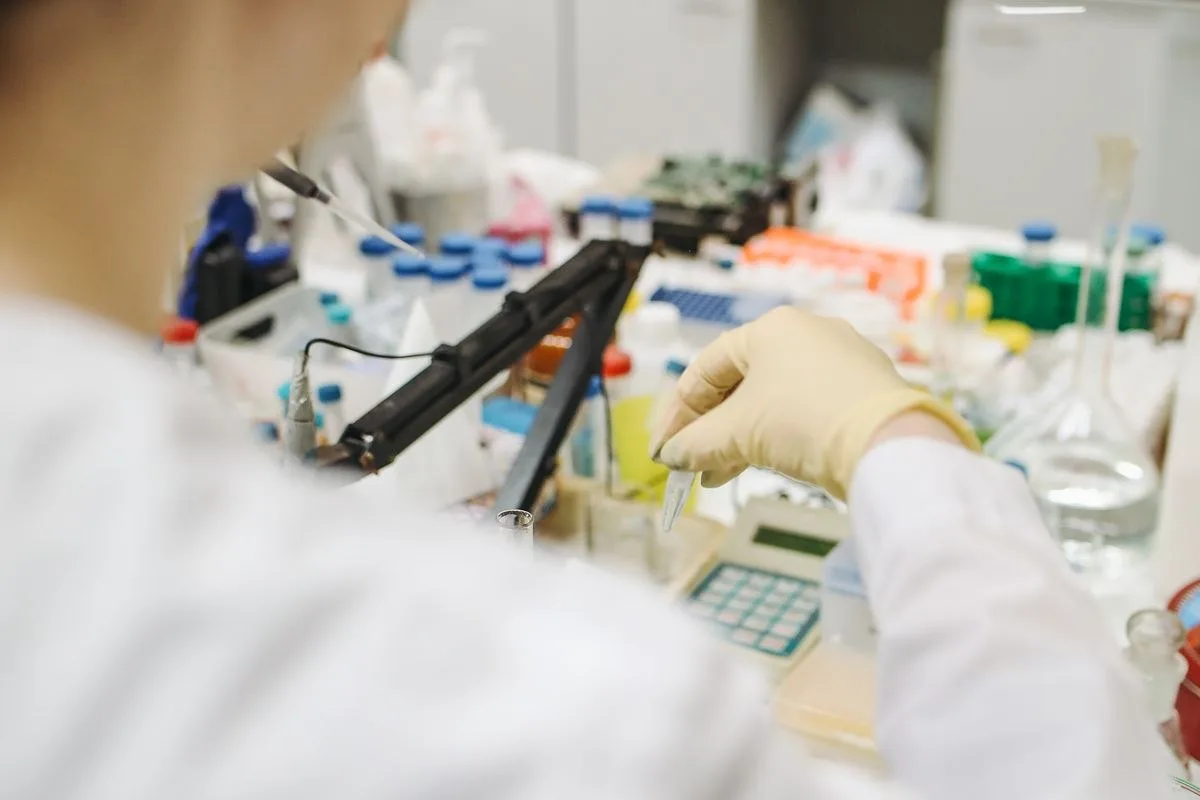
The main method of diagnosis is serological tests; So it's the investigation of antibodies that develop against bacteria by taking a blood sample. These tests are divided into two main groups and are used to complement each other, not to replace each other.
Nontreponemal tests, i.e. VDRL and RPR, are used for scanning purposes and give a numerical value called titrates. This value carries information on the activeness of the disease and response to treatment. However, because pregnancy, autoimmune diseases and some infections can produce false positivity, these tests alone are not enough.
Treponemal tests, namely TPHA, TPPA and FTA-ABS, are performed for verification purposes and show bacteria-specific antibodies. These tests can also remain positive for many years after treatment, and for most people for life. Thus, treponemal test positivity alone does not mean active infection or reinfection.
In the presence of active lesion, it is possible to examine the sample from the lesion by dark area microscopy or molecular methods. In cases where nerve system involvement is suspected, a brain spinal fluid examination may be required; this assessment is planned with related specialties.
Review: Purpose of use; Post-treatment behavior
Nontreponemal tests (VDRL, RPR): Monitoring of screening and disease activity; Titre tends to fall over time
Treponemal tests (TPHA, TPPA, FTA-ABS): Confirmation of diagnosis; For a long time, most people can remain positive for life.
Direct examination of lesion: Demonstrate factor in active wound presence; Lesion cannot be applied after healing
Brain spinal fluid review: On suspicion of nervous system involvement; It can be repeated by a physician's decision
Interpretation of test results requires experience. The same result can have different meanings based on the person's story and previous test values, if any. Therefore, it is important that the examinations are conducted in a licensed organization of the Ministry of Health and the results are evaluated by the physician.
It is a common approach to study other sexually transmitted infections together when screening for syphilis. With tests for HIV, hepatitis B and hepatitis C, the gonorrhea and chlamydia examination can be planned on the same application. Thus, both time is saved and infections that can be seen together are not overlooked. What tests will be requested is determined based on the person's history and examination findings.
Questions Asked at a Doctor's Examination
The questions asked at the examination are intended to guide the diagnosis and establish the treatment plan correctly. These questions are not asked to assess or judge the person, but to understand what stage the infection is in and who needs to be tested. Shared information is covered by confidentiality between physician and patient.
Whether complaints started, injuries or rashes were noticed
Approximate history of contact that may be risky
Whether or not a sexually transmitted infection has occurred before
Whether there are any recent antibiotic use
Whether penicillin or any other drug has a history of allergies
Pregnancy status, pregnancy plan or breastfeeding period
Accompanying chronic diseases and medications used regularly
Knowing the approximate date of risky contact helps determine whether the infection is early or late late in the latent period. This distinction directly affects the treatment plan. It's okay not to remember the date exactly; In such cases, the physician follows a more cautious plan.
Asking the questions that come to mind during the examination is also part of the process. The process is more comfortable when the topics are clearly spoken, such as how to administer treatment, how long it will take, when the controls will be done, and how to inform the partner. Pre-noticeing questions prevents missing important details in short-term talks.
Syphilis Treatment Options
In the treatment of syphilis, the goal is to remove the bacteria from the body, relieve existing symptoms, and prevent progressive organ damage. The treatment plan is determined based on the stage of the disease, a person's allergy history and pregnancy status. With appropriate treatment, a good response is usually received; However, the process must be completed with control tests.
When making a treatment decision, it plays a decisive role in whether the disease is early or late. While a shorter-term approach may be sufficient in the early stages, treatment is planned longer in cases where the duration is unknown or considered late latent. When considering nervous system involvement, a completely different treatment scheme is raised.
Penicillin Based Treatments

Penicillin forms the basis of syphilis treatment. Benzatine penicillin G-factor agent is given through intramuscular administration. While the number of applications to early-stage syphilis is usually limited, in late late latent period or in cases where the time of transmission is unknown, the application may be repeated at certain intervals. The dose, number of applications and intervals to be administered are determined only by the physician.
In cases where nervous system involvement is detected, it may be preferable to apply intravenously and treatment is carried out in hospital conditions. This decision is made along with the related specialisations and close monitoring is done during treatment.
The preferred drug in pregnancy is penicillin. It is recommended that treatment be started without delay to prevent transition to the baby and reduce the risk of congenital syphilis. In pregnant women who are allergic to penicillin, it may be raised to give treatment of penicillin by the method of desensitization applied under expert supervision; This process is carried out in a health institution with the appropriate equipment.
The reason penicillin has been preferred for so long is that no apparent resistance to this drug has developed in the Treponema pallidum bacterium. The long-acting form of the drug in the body allows the number of applications to be kept small. The practice is done in the health care establishment and a brief observation is recommended afterwards.
Alternative Medications in the Case of Penicillin Allergy
Alternative antibiotics are evaluated in people with penicillin allergy. Doxycycline and ceftriaxone are the most frequently used substances in this group. In some cases, azithromycin may be raised; However, due to the resistance problem, the preference order is determined by the physician. The gestational and lactation period significantly limits the choice of alternative medication.
Monitoring is done more closely in treatments conducted with alternative drugs. The duration of use of these drugs is usually longer than penicillin and directly affects the treatment as a result of compliance. The use of the drug is planned specifically for the individual in accordance with the dose and duration determined by the physician; Using antibiotics with information from the internet or the environment both renders treatment inadequate and paves the way for resistance development.
Detailed questioning of the allergy story is important. Many penicillin allergies mentioned in childhood may not be confirmed in advanced assessment. Clarifying whether it is an actual allergy allows the most effective treatment option to be used.
Treatment Period and Follow-up Examinations
The duration of treatment varies depending on the stage of the disease. While the process may be brief in the early stages, treatment may spread over weeks during the late late latent period. Therefore, it would not be right to provide a single standard response for the duration of treatment; The duration is determined by physician evaluation, according to examination and test results.
The process does not end with the completion of treatment. The response to treatment is assessed by blood tests performed at certain intervals. Regular visits to control appointments are decisive in terms of both confirmation of the response and early detection of possible re-infection.
During treatment and until the control tests are completed, it is recommended to avoid sexual intercourse. This recommendation is for both the partner to be protected and the person not to experience infection again. Every new complaint that appears during the process must be shared with the physician at the next check.
Disruption of follow-up examinations is one of the most common problems. When symptoms pass and the person feels good, the desire to go into control may decrease. However, the response to treatment can only be shown by laboratory results. Premising appointment dates and using reminders make it easier to complete the follow-up.
Side Effects That Can Happen During Syphilis Treatment
Antibiotics used in the treatment of syphilis have been used for many years and the safety profile is well-known, although some side effects can be seen as with any medication, much of which is temporary and does not require discontinuation of treatment.
A prior knowledge of side effects prevents panic when they occur. It is important to be able to distinguish which is an expected condition, which is a sign that requires immediate evaluation. Getting information on this before starting treatment makes the process more comfortable.
Common Side Effects
Following intramuscular administration, pain, tenderness and short-term stiffness in the application area are the most frequently reported conditions. These complaints usually go back on their own within a few days.
Pain, tenderness or temporary swelling in the application area
Nausea, lack of appetite and a feeling of discomfort in the abdomen
Diarrhea that develops due to the effect of intestinal flora
Headaches, weakness and general fatigue
Allergic symptoms in the form of itching or rash on the skin
Increased sensitivity to sunlight in the use of doxycycline
In the first hours of treatment, the Jarisch-Herxheimer reaction can be seen. This table, which develops due to the rapid breakdown of bacteria, may have fever, tremors, muscle pain, and a temporary increase in existing rash. It usually recedes on its own within a day and does not prevent it from continuing treatment. This possibility is given prior to treatment as it may require additional monitoring in pregnancy.
Symptoms such as shortness of breath, swelling on the face and lips, widespread hives or feelings of fainting can be a sign of a serious allergic response. In such a situation, the nearest health care provider should be consulted without wasting time.
Side Effects Mitigation Methods
Most side effects can be overcome more easily with simple measures. Getting enough fluids before and after the application, light and regular feeding, time to rest support the overall state of well-being.
Applying cold or warm to the application area as recommended by the physician
Taking oral antibiotics with plenty of water and recommended hours
If Doxycycline is used, do not lie down and avoid the sun immediately after taking the drug
Prefer light and lean meals in digestive complaints
Avoiding alcohol use during treatment
Report each complaint to the physician at the next meeting
It is appropriate to consult the physician when pain medication or fever-lowering use is required. Due to the side effect, leaving the drug by one's own decision can lead to inadequate treatment and continued infection. When uncomfortable situations are shared, appropriate arrangements can be made in the treatment plan.
If there are other drugs used regularly, reporting them to the physician will allow for a preliminary view of possible interactions. Birth control methods, blood thinners, and stomach medications are frequently questioned in this regard. Herbal products and supplements should also not be skipped, considering that they are not considered medicines, but every product used should be shared.
The Post-Syphilia Treatment Monitoring and Recovery Process
The completion of treatment is not the final step in the process. The follow-up period is the main stage indicating whether the expected response from treatment has been received and catching a possible re-infection early. Blood tests and partner evaluation are conducted together during this period.
Control Tests and Blood Evacuation
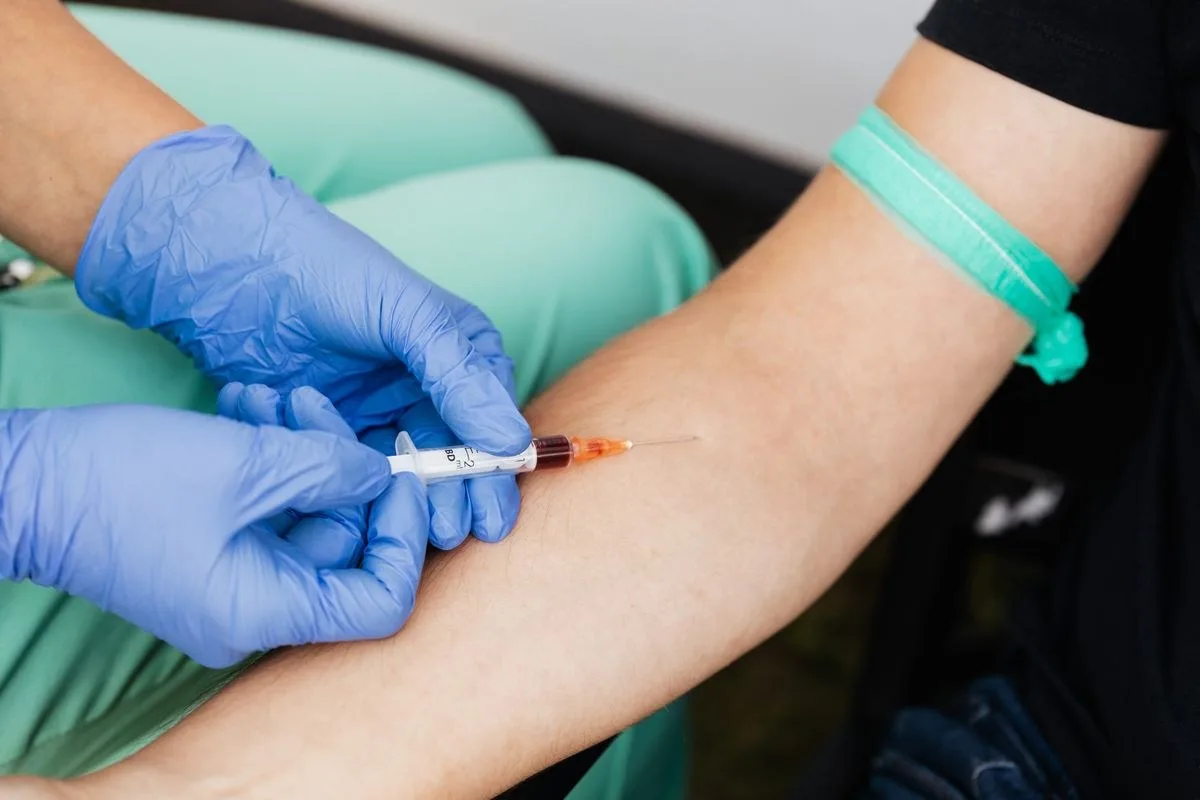
The monitoring uses a nontreponemal test pulse, i.e. VDRL or RPR value. After treatment, blood samples are taken at certain intervals to monitor the course of the tremor. The sight of the expected drop in tremor is an important indicator that treatment has been responded to.
The timing of the controls varies depending on the stage of the disease and the person's overall condition; It is usually repeated several times in the months following treatment and is maintained for a year or longer if necessary. Monitoring can be planned more frequently in people living with pregnancy and HIV.
The tremor does not fall to the expected extent or rise again; It may require a review of the treatment, an investigation into the possibility of re-infection, or additional reviews. This is not treated as a failure, but as a stage where the plan needs to be updated.
The positiveness of the treponemal test is a common concern during this period. This test, however, shows the trace of a past infection; treatment does not mean failure or ongoing illness. The actual value taken into account in the follow-up is titer, and the results must be interpreted by comparing them to previous values.
Conducting control tests in a laboratory using the same method as possible ensures that the results are comparable. Small differences can be seen between values obtained by different methods, and this can lead to unnecessary concern. Hiding previous test results is a simple but effective habit that facilitates the monitoring process.
Sexual Partner Treatment and Notification

Partner evaluation is an integral part of treatment. It is recommended that people who have recently had sexual intercourse be tested and treated if necessary. When the partner is not treated, re-infection can be seen in the person who has completed the treatment and the process begins from the beginning.
This conversation is challenging for many people. The goal here is not to seek responsibility, but to maintain mutual health. It is often impossible to determine exactly when and from whom the infection was taken; because syphilis can remain unsympathetic for a long time and the latent period can last for years.
The physician can guide how partner information can be done. Some people prefer to share this information directly, while others consider ways of reporting conducted through the health care provider. Whichever method is chosen, the priority is that the partner has access to testing and treatment.
People with syphilis are also recommended to screen for gonorrhea and chlamydia with HIV, hepatitis B, hepatitis C. These infections can be seen together because they are transmitted in similar ways. Avoiding sexual intercourse until treatment and controls are completed protects both the partner and the person themselves.
After treatment is completed, the recommendations for protection remain valid. Reinfection is possible because the infected infection does not release protective immunity. The use of protection methods and screening at certain intervals in a new partner relationship is a protective approach for both syphilis and other sexually transmitted infections.
Conclusion
Samsun syphilis treatmentThe correct diagnosis, proper antibiotic selection and regular monitoring are all conducted together. This infection from treponema pallidum can be effectively controlled with appropriate treatment when detected early; when neglected, it can lead to permanent problems over the years.
The main factors that determine the outcome of the process are compliance with treatment, failure to interfere with control tests, and evaluation of the partner. When these three steps are completed together, there is usually a good response. Getting tested or treated is not a shame, but a normal part of maintaining health.
When a suspicious contact, unexplained wound or rash is noticed, a pregnancy plan is found, and routine screening is requested, it is the right step to consult a physician. Early application facilitates both the treatment process and the protection of the immediate environment.

Original Turkish content prepared and reviewed by
Prof. Dr. Aşkı Ellibeş Kaya
Specialist in Obstetrics and Gynecology
Last updated: 25 August 2026
The content on this page is intended for informational purposes; the diagnosis and treatment decision is made only with your physician after the examination.
References
The following sources relate to the informational issues outlined by them. The personal diagnosis and treatment plan requires physician evaluation. Source texts are in English.
CDC
Syphilis ; STI Treatment Guidelines (opens in new tab)Related subject: Stages of syphilis, blood tests and evaluation in pregnancy.
Frequently asked questions
Oh, no. Wound in the primary stage and rash in the secondary stage may spontaneously recede, but this does not mean recovery. The bacterium remains in the body and can cause organ damage over the years when it is not treated. The passage of symptoms does not indicate that there is no need for treatment.
Related Services
Other issues under the heading Sexually Transmitted Diseases.



Start with an appointment
Let us determine the day and approach that best suits you. Your consultations are conducted on a privacy basis.