

Samsun Ureaplasma Infection Treatment
Ureaplasma species are very small bacteria that can also be found in the genital flora without complaints. Positive testing alone does not mean disease; The decision is made with the findings of complaints and examination.
Samsun ureaplasma The assessment aims to investigate the presence and clinical significance of a very small group of bacteria that can live in the genital system. Ureaplasma species are microorganisms in the mycoplasma family that do not have a cell wall.
These bacteria are found in genital flora in some people without causing any complaints; in others, they may accompany symptoms such as discharge, burning while urinating, or pubic pain.
The most confusing part of the topic starts here. A positive test result does not mean that it is a disease alone. When deciding, the person's complaints, examination findings, pregnancy status, recurrent history of infection, and if any, the infertility process are discussed together. Therefore, it is important that the person to interpret the result is a physician.
Sexually transmitted infections are often noticed late because they are shy of talking about them, whereas getting tested or treated is not a shame, but a normal part of maintaining health.
Atakum Hospital in Samsun Prof. Dr. Aşkı Ellibeş KayaIn such applications, the diagnosis is conducted from diagnosis to post-treatment control. The following sections discuss diagnostic methods, treatment options and follow-up plan.
What is Ureaplasma?
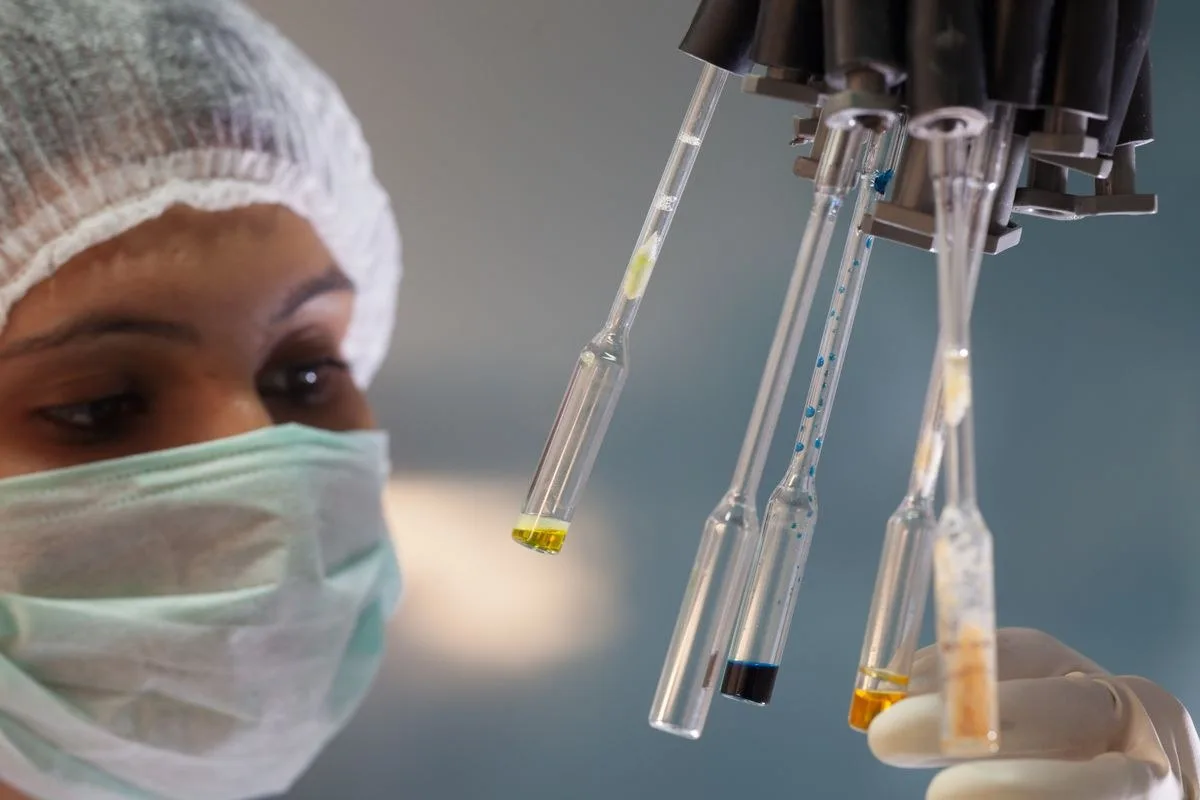
Ureaplasma is one of the smallest known free-living bacteria that can be found in human genitalia and respiratory tracts. There are two types of genital region: Ureaplasma urealyticum and Ureaplasma parvum.
Both belong to the Mycoplasmataceae family; Mycoplasma hominis and Mycoplasma genitalium from the same family are also often mentioned together. Mycoplasma genitalium is more clearly considered disease-forming, while the clinical significance of ureaplasma types varies from person to person.
The most distinguishing feature of these bacteria is the lack of cell walls, which act on the cell wall and the penicillin and cephalosporin group of drugs are therefore ineffective on ureaplasma.
When planning treatment, antibiotic groups targeting the protein production of bacteria are preferred. This detail may also explain why complaints persist in people who have previously used antibiotics for a different infection.
Contagion occurs largely by sexual means, as well as the transition from mother to baby during pregnancy and childbirth, which is not expected to be transmitted by means such as towels, toilets or pools.
The lack of barrier method and the presence of another accompanying genital infection are among the factors that increase the likelihood of detection of bacteria.
In contrast, ureaplasma can also be found in the genital flora of healthy people with no complaints. This is called colonization and often does not require treatment. The following titles make it easier to understand in which cases this infection becomes clinically meaningful:
Ureaplasma urealyticum: the species that is more frequently associated with urinary tract and genital system complaints.
Ureaplasma parvum: a more controversial species of clinical meaning, which is also frequently detected in the genital flora of healthy people.
Mycoplasma hominis: bacterial vaginosis and related bacteria that can accompany pelvic infection tables.
Mycoplasma genitalium: bacteria that are more clearly associated with service and urethritis, whose treatment is planned separately.
Signs and Risk Factors of Ureaplasma Infection
The most compelling aspect of this infection is that its symptoms are often silative and can be confused with other disorders. Complaints are usually mild; a person may link them to a fungal infection or urinary tract inflammation.
In recurrent and non-responsive genital complaints, research of these bacteria is also on the agenda.
Misunderstandings about risk factors are also common. The factors that increase the likelihood of detection of this bacterium are not an assessment of one's lifestyle, but only medical data on the nature of the infection pathway.
A new sexual partner, relationships without barrier method use, another accompanying genital infection, and conditions that disrupt the genital flora balance can be included in this heading. Testing in the following cases is a reasonable step regardless of one's history:
Unexplained cause, recurrent discharge and urinary tract complaints
Persons who are planning pregnancy or conducting infertility research
Those with a recurring history of pregnancy loss
Those with urethritis or similar infection in their partner
Persons who are monitored for inflammatory appearance in the cervix at the examination
Conditions in which the physician recommends screening prior to intrauterine procedure
Common Symptoms in Women

The most common table in symptomatic cases is a change in vaginal flow and burning felt when urinating. The color, texture or smell of the stream may vary; some people describe a slight feeling of pressure in the pubic area.
Discomfort or post-relational staining may also occur during intercourse.These findings are not specific to ureaplasm; similar complaints may occur for many different reasons.
Vaginal discharge, varying in quantity, color or smell
Burning, whining or frequent urination when urinating
Mild pain or feeling of pressure in the groin and lower abdomen
Discomfort during sexual intercourse, mild spotting after intercourse
An inflammatory appearance (servicitis) or recurrent bacterial vaginosis table in the cervix
Recurring urinary tract complaints that do not improve despite the treatment applied
In men, the table often proceeds in the form of urethritis. Burning, mild discharge and itching in the urinary tract are the most frequently reported complaints; rarely can epididymitis develop in the scrotum, which is followed by pain and swelling.
It is also important to evaluate the partner, both in terms of one's own health and prevention of re-infection after treatment.
Uncertain Symptoms and Asymptomatic Transport
There are no complaints in a significant part of people carrying Ureaplasma. These people often experience positive results during screening for another reason, such as pre-pregnancy control or infertility research.
It is natural for the person who sees the result to develop anxiety; However, this alone does not mean a diagnosis of disease.
The physician does not only look at the laboratory result when making a treatment decision. Whether there is a complaint, whether there is an inflammatory finding in the examination, a pregnancy plan, a history of recurrent pregnancy loss, and the condition of the partner are evaluated together.
While monitoring may be preferred in some people who have no complaints and whose examination is normal, treatment may be prominent in those who give symptoms or plan pregnancy.
Uncertain navigation leads to the fact that this painting is sometimes not noticed for long. In cases that have not been detected for a long time, especially when found with other bacteria, inflammatory paintings can be seen moving towards the cervix and internal genitalia. Therefore, it is recommended not to neglect ongoing complaints, even if they are silical.
How to Put Ureaplasma Diagnosis in Samsun?
The diagnostic process begins with a detailed consultations. When complaints begin, the drugs used before, the pregnancy plan and complaints in the partner are questioned. A gynecological examination is then performed and sampled if deemed necessary.
In Samsun, it is possible to reach these tests in the licensed organizations of the Ministry of Health, which cooperate with a laboratory that can run molecular tests.
One of the frequently asked topics is which section to apply to. If complaints about discharge, pubic pain and sexual intercourse are prominent in women, it is appropriate to consult with the obstetrician.
If complaints of the urinary tract are dominant, urology can also make an assessment. In both cases, the tests required are similar; What is important is the interpretation of the result along with the clinical picture.
Types of Diagnostic Tests

Ureaplasma cannot be detected by classical urine assay or routine discharge examination. Because the bacterium has no cell wall, it does not appear in standard dyeing methods.
Therefore, special methods are needed: molecular tests seek the genetic material of the bacteria, and the culture method aims to produce the bacterium in its proper nutrient. The strengths of the two methods are different; the physician may want one or both according to the clinical table.
Comparison Measure: Molecular Test (PCR/NAAT) ; Culture Method
What to look for: Genetic material of bacteria; Reproduction of living bacteria
Result time: It usually results in a shorter time; Reproduction may take longer as expected
Species separation: It can distinguish between the types of ureaplasma and mycoplasma; Provides varying levels of information according to method
Antibiotic sensitivity: It does not provide direct sensitivity information; Allows for an antibiotic
Common example: Cervical or vaginal crawling, urine; Creep sample
The situation he came up with: When rapid and detailed diagnosis is required; In unresponsive, recurrent cases of treatment
In some cases, a single test is not enough, and in people who have used antibiotics before and have had complaints, a culture and sensitivity review may be brought up to see which drug can be effective.
Chlamydia, gonorrhea, and trichomonas scans for other infections that may accompany it may also be planned from the same sample; additional tests may be required through blood sampling if necessary.
Inspection Process and Sample Picking

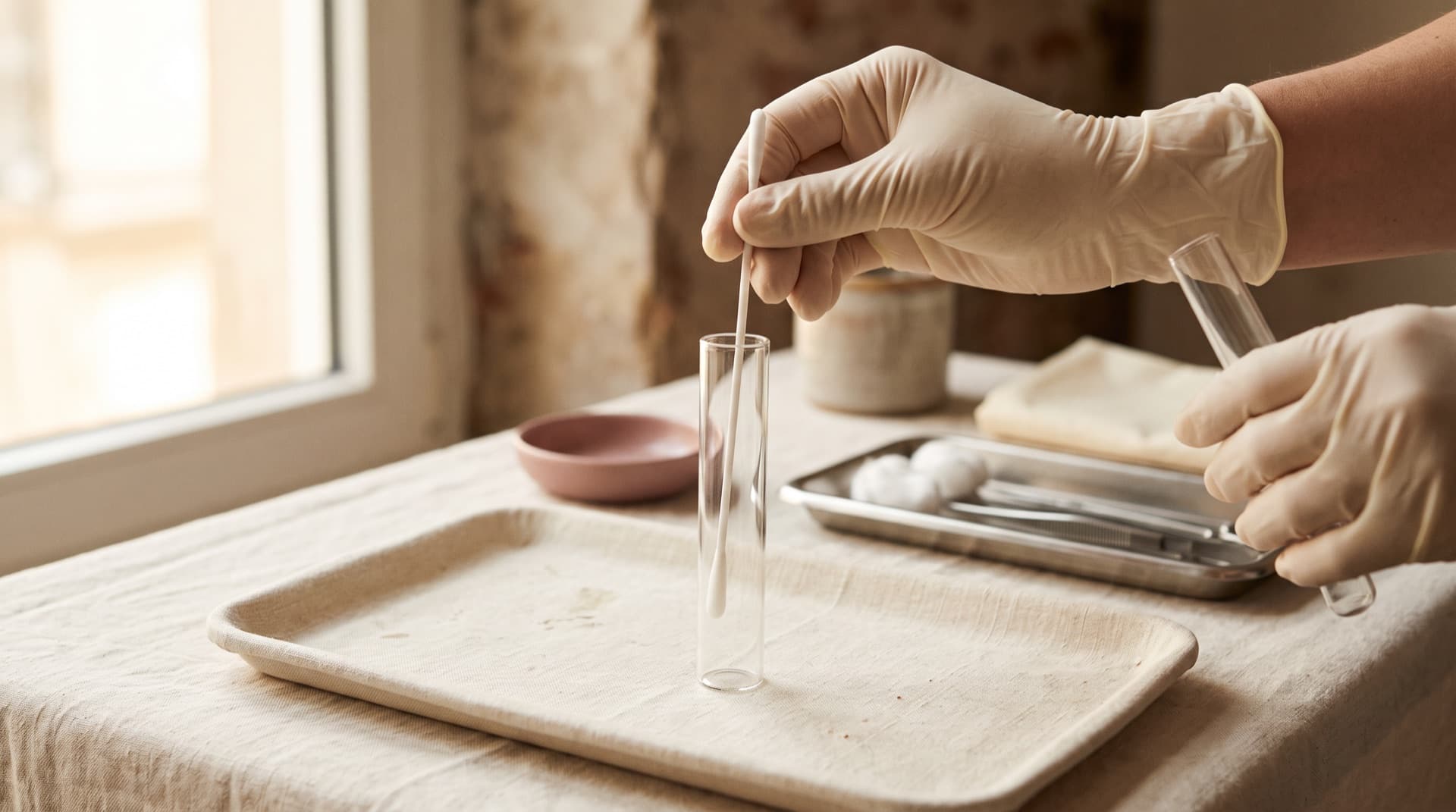
The sampling process is short and usually does not cause discomfort. Vaginal or cervical repulsion is collected with the help of a thin euvion; For some tests, the first current urine sample may also be used.
Pain is not expected during the procedure, there may be a slight feeling of pressure. It is important to follow the rules of preparation for the results to be reliable.
It is recommended to avoid the use of vaginal showers, wicks or creams within a few days before sampling.
Avoiding sexual intercourse for one to two days before the test supports the accuracy of the result.
A day without menstrual bleeding is preferred; the appointment may be postponed if there is bleeding.
If a urine sample is to be given, it may be asked not to urinate for some time before the sample.
Recently used antibiotics should be reported to the physician; The result can be false negative.
The evaluation of the partner during the same period is beneficial for the integrity of the process.
Ureaplasma Treatment Options in Samsun
The treatment decision is based on the clinical picture rather than the positive outcome. Treatment is considered as a priority in people with complaints, who have an inflammatory finding on their examination, who plan pregnancy or have a history of recurrent pregnancy loss.
Monitoring may be preferred in people who have no complaints and whose examination is normal. It is important to be able to make this distinction because it prevents unnecessary antibiotic use.
Antibiotic Treatment and Drug Options

In treatment, antibiotic groups are used that inhibit the protein production of bacteria. Doxycycline and azithromycin are among the most frequently preferred active substances.
Alternatives such as mexifloxacin can be raised in cases where there is no response to treatment or resistance is considered. Only the physician decides which drug to use, for what dose and for how long; Using drugs with the schemes heard from the environment can lead to resistance development.
Drug selection during pregnancy requires a separate attention. Medications in the tetracycline group are not appropriate for pregnancy; during this period, the physician assesses safer options than the week of pregnancy and the clinical table.
A similar assessment is performed during breastfeeding. The recommended points to follow throughout the treatment include:
The drug should not be left until the time specified by the physician is completed, even if complaints have passed.
Concurrent evaluation of the sexual partner and its treatment if necessary is necessary to prevent re-transmission.
It is recommended to abstain from sexual intercourse for the duration of treatment and for the duration specified by the physician.
The physician should be consulted about alcohol and other drugs used together.
Since some antibiotics can be sun sensitive, it is useful to protect yourself directly from the sun.
In side effects such as stomach complaints, diarrhea or rash, the physician should be consulted before the drug is self-medicated.
Treatment Time and Follow-up Plan
How long the treatment will take varies from person to person; In some cases a short-term cycle is sufficient, while in others a longer-term plan may be required. Only the physician determines the dose and duration of the drug to be used.
Factors that determine the duration include the severity of complaints, accompanying infections, treatments previously taken and pregnancy status. Relief in complaints usually begins within the first days; However, this does not mean that the bacteria has been completely cleaned.
The follow-up plan continues after the drug use is over. The physician determines when the control test will be performed; Repetition of the test too early can yield misleading results.
If complaints persist, partner evaluation is incomplete, or a different factor is being considered, the process will be reassessed. Regular communication with the physician during this period facilitates proper management of treatment.
The treatment period does not greatly restrict daily life. Work, sport and the usual routine can be continued. During this period, it is enough to avoid practices such as vaginal showers that disrupt the flora balance and to comply with sexual perch during the time recommended by the physician.
Briefly taking notes on how the complaints are viewed allows for a clearer transfer of the table in the control consultations.
Ureaplasma Treatment Area Medical Centers in Samsun
In Samsun, such applications are met in the outpatient clinics of women's diseases and birth, urology and infectious diseases.
The first step is usually a gynecological examination, as discharge, pubic pain and urinary complaints in women will be evaluated together. At this point, an experienced Samsun obstetrician Interviewing with the client ensures that both the correct test is requested and the result is interpreted in place.
It is useful to look at the integrity of the process rather than the brand name when choosing the organization to apply for. The following criteria can be a guide when evaluating a registered entity of the Ministry of Health:
Working with a laboratory that can study molecular testing and the possibility of culture when needed
Detailed history of the examination and interpretation of the result with the clinical picture
A clear guidance on the inclusion of the partner in the process
Planning the post-treatment control test and follow-up appointment from the start
Consideration of pregnancy, pregnancy plan and infertility processes as a whole
Taking care of privacy and establishing a non-judgmental communication
Service Hours and Appointment
Having the test results, the drug names used, and the partner's results with you before the appointment will speed up the evaluation.
Briefly taking notes on when the complaints started and how they were watched also makes it easier to consultations.
Post-Ureaplasma Treatment Control and Success Rates
Control assessment is required to be able to say that the process is closed after treatment is complete.
The passing of complaints is a positive sign; However, if the physician deems it necessary, it is investigated whether the bacteria has been cleaned by a control test. The timing of the test is important: retests performed too early can give misleading results due to the remains of dead bacteria. Therefore, the physician decides the time of control.
When the appropriate antibiotic is selected and the treatment is administered in full, this infection usually responds well. However, it would not be right to foresee a final outcome; There are multiple variables that affect the result.
Compliance with treatment, concurrent evaluation of the partner, compliance with sexual perch, and management of other accompanying infections directly affect success. If complaints persist, the possibility of resistance and alternative diagnoses are revisited.
The most common cause in recurrent cases is reinfection. In a person whose partner has not been evaluated, complaints may return shortly after, even if treatment is successful. Paying attention to the following points helps the process progress healthily:
Leaving the timing of the control test to the physician's determination
Completing the evaluation and treatment of the partner during the same period if necessary
Not interrupting the medication cycle, reporting the missed doses to the physician
If complaints persist, re-examination before trying a new antibiotic
Conducting the process with pre-pregnancy control if there is a pregnancy plan
Reducing the possibility of re-infection using barrier method
Conclusion
Samsun ureaplasma The decisive step in the process is to correctly interpret the test result. A positive result alone does not mean illness; The decision is made with complaints and examination findings.
When treatment is required, the appropriate choice of antibiotics, evaluation of the partner and post-treatment control can be controlled with this table accompanied by a physician's assessment.
Getting tested or treated is a normal part of maintaining health. If your complaints persist, such as burning or pubic pain while urinating, or if you are planning a pregnancy, you can make an appointment at the practice in Atakum for evaluation.

Original Turkish content prepared and reviewed by
Prof. Dr. Aşkı Ellibeş Kaya
Specialist in Obstetrics and Gynecology
Last updated: 28 August 2026
The content on this page is intended for informational purposes; the diagnosis and treatment decision is made only with your physician after the examination.
Frequently asked questions
In large part yes; the main way of transmission is sexual contact. It is also possible to switch from mother to baby during pregnancy and childbirth. However, since these bacteria can also be found in the genital flora of people with no complaints, not every positive result is interpreted as a table of diseases.
Related Services
Other issues under the heading Sexually Transmitted Diseases.



Start with an appointment
Let us determine the day and approach that best suits you. Your consultations are conducted on a privacy basis.