
Samsun Sexually Transmitted Diseases Test
It covers blood, urine, and creep tests for the diagnosis of sexually transmitted infections.Scanning with or without symptoms is a common health step that clarifies one's own health.
Samsun Sexually Transmitted Diseases TestIt is a health service that covers laboratory analysis and physician evaluation for the diagnosis of sexually transmitted infections.
Anyone who notices the symptom, feels anxious after a risky contact, plans for pregnancy, or wants to have routine control can take advantage of these tests. Early diagnosis allows for more comfortable installation of treatment and follow-up plan in accordance with physician's recommendation.
Sexually transmitted infections are quite common and can progress without any symptoms for a long time in many people, so getting tested is not an exceptional condition, but a routine health step, such as blood sugar or thyroid control.
Thinking about the test means that the person is monitoring their own health and, if any, the health of their spouse or partner.
The concern expressed by the applicants most often is privacy.The examination and laboratory process is conducted under legislation on the protection of personal data; the results are shared with the person himself.
Serving in the field of gynecology, pregnancy tracking, menopause, infertility and sexually transmitted diseases at Samsun Atakum practice Prof. Dr. Aşkı Ellibeş KayaShe makes the test planning based on the person's story and examination findings.
How to Test for Sexually Transmitted Diseases in Samsun?
The process usually begins with a brief consultations. Physician; Asks for complaints, if any, previous infections, pregnancy status, medications used, and possible contact time.
This information is necessary to determine which tests are required and where to take the sample. The information provided in the consultations is used for medical purposes and no judgmental evaluation is made.
If deemed necessary, a gynecological examination is performed. Signs such as discharge, itching, burning, discomfort when urinating, pain in the lower abdomen, irregular bleeding or scarring in the genital area both lead to diagnosis and indicate which sample type is more appropriate. A scan may also be requested without the indication; In this case, the examination may take a shorter time.
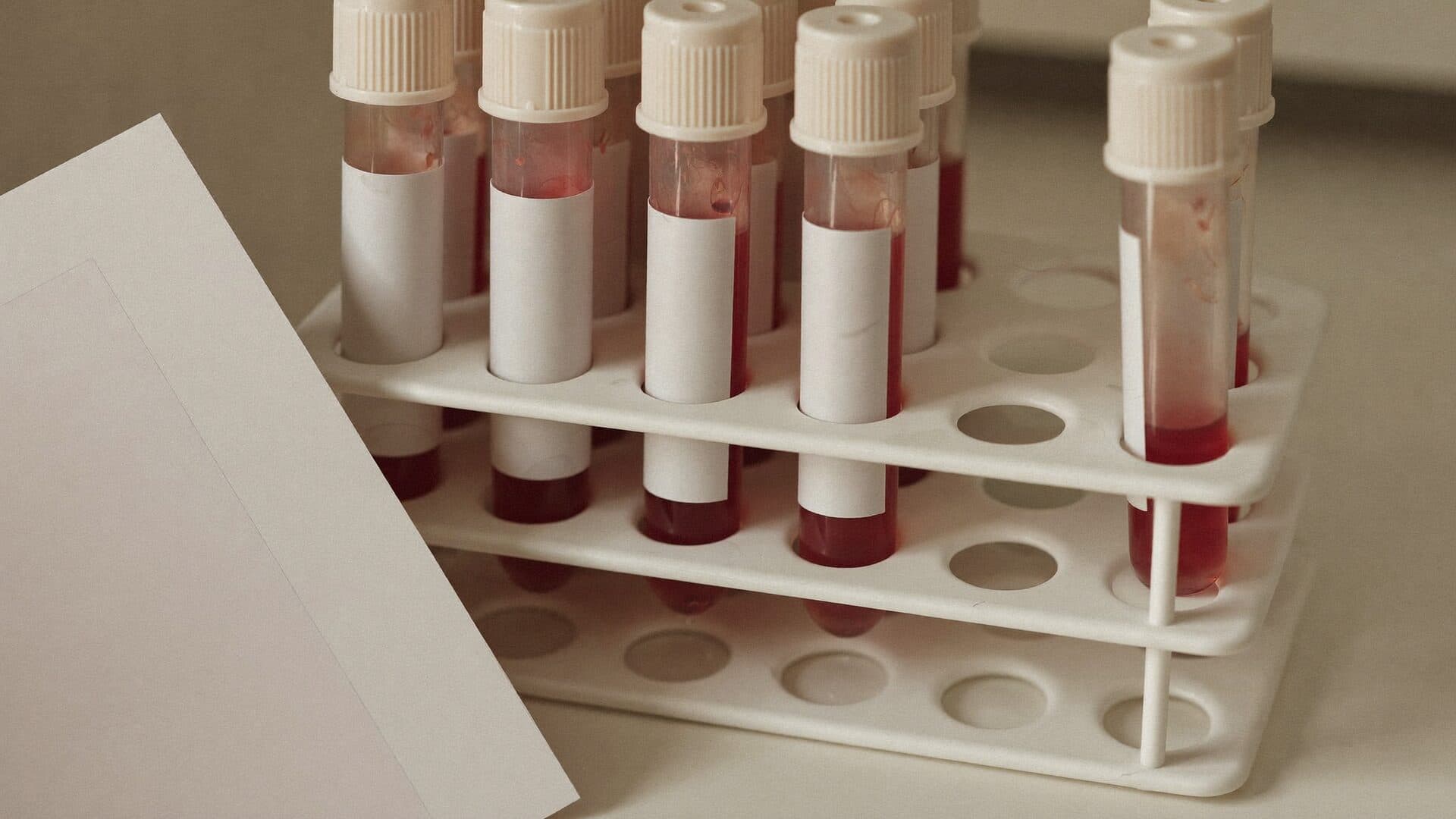
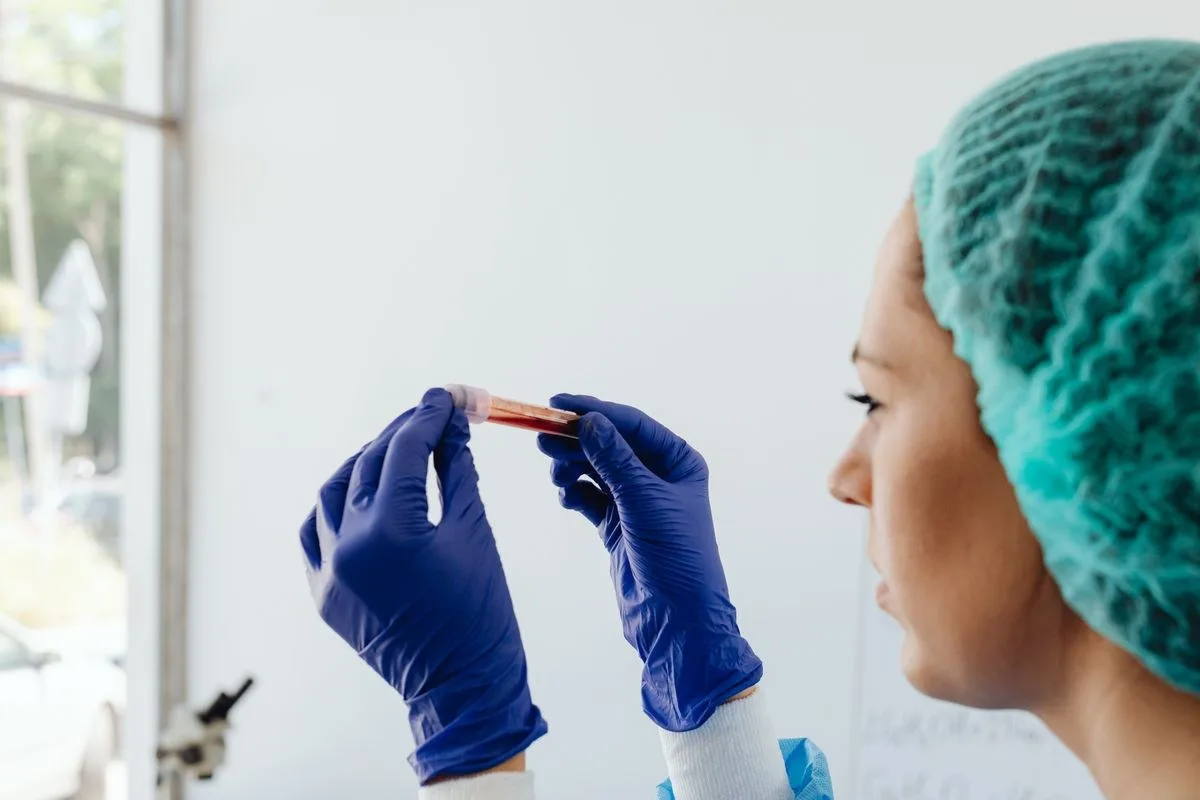
In the final stage, laboratory samples are collected. Depending on the person's condition, a blood sample may need to be taken, a urine sample or a creep.
Some tests are requested alone, while in some cases panels that evaluate multiple factors at the same time are preferred. The scope in which to work is determined by the physician along with the findings of the story and examination.
Test Types
There is no single test method for sexually transmitted infections, with different methods being used based on the type of activity, the area it is in, and the time it has taken since contact.
The following titles summarize the most frequently used approaches:
Serological tests (antibodies and antigen tests): Work on blood sample. It is used to evaluate antibodies that develop against the herpes virus with HIV, syphilis, hepatitis B and hepatitis C.
Molecular tests (PCR/NAAT): In the urine or creep sample, genetic material of the agent is sought. Chlamydia is often preferred in factors such as gonorrhea, trikomonas, Mycoplasma genitalium and Ureaplasma.
HPV DNA testing and smear: It is studied by creeping from the cervix, which helps evaluate the presence of HPV and cellular changes; the range of scans varies according to age and previous results.
Culture and antibiotic susceptibility testing: Provides breeding, especially in bacterial factors such as gonorrhea, to provide information on which antibiotic may be appropriate.
Microscopic examination (direct examination): Findings may be identified in favor of trichomonas, fungi, or bacterial vaginosis by evaluating the vaginal discharge under a microscope.
Depending on the nature of the contact, it may need to be sampled not only from the genital area but also from the throat or rectal region.
Since some infections can be skipped when this detail is overlooked, the information shared in the consultations is important for the correct test plan.
Test Method: Example used; Frequently Evaluated Factors
Serological testing: Blood ; HIV, syphilis, hepatitis B, hepatitis C, herpes antibodies
Molecular testing (PCR/NAAT): urine or crawling; Chlamydia, gonorrhea, trichomonas, mycoplasma, ureaplasma
HPV DNA test: Cervical creep; HPV (which can be evaluated with smear)
Culture: Creeping; Gonorrhea and antibiotic sensitivity
Microscopic review: vaginal discharge; Trichomonas, fungal, bacterial vaginosis findings
What Diseases Are Looked at in the Test for Sexually Transmitted Diseases?
The scope of the scan varies by person. Nevertheless, the most frequently evaluated factors in clinical practice form a certain group. The following list provides a general framework for which titles may be raised; The exact scope is determined by physician evaluation.
HIV: is a viral infection that affects the immune system; it is decisive in terms of early diagnosis, follow-up and treatment plan.
Syphilis (Treponema pallidum): A bacterial infection that can give different findings relative to the stages.
Hepatitis B and hepatitis C: viral infections that affect the liver; The vaccine for hepatitis B is an important part of protection.
Chlamydia: often watches without symptoms; When left untreated, it can cause problems that can affect reproductive health.
Gonorrhoea: It may cause discharge and urinary symptoms, or it may be asymptomatic.
HPV: A common virus with numerous types; some types are associated with changes in cervical cells.
Herpes (HSV-1 and HSV-2): can be watched by repeated wounds and blisters in the genital area.
Trichomonas: A parasitic infection that can cause discharge and itching.
Mycoplasma genitalium and Ureaplasma: are bacterial factors that can accompany symptoms in some cases.
Some screenings are part of routine monitoring in people who have a pregnancy plan or continue to conceive.
The goal is to both protect the health of the person and to plan measures in time that will reduce the risk of transition to the baby when necessary, which varies depending on the gestation week and the story.
Sample Collection Process and Cost
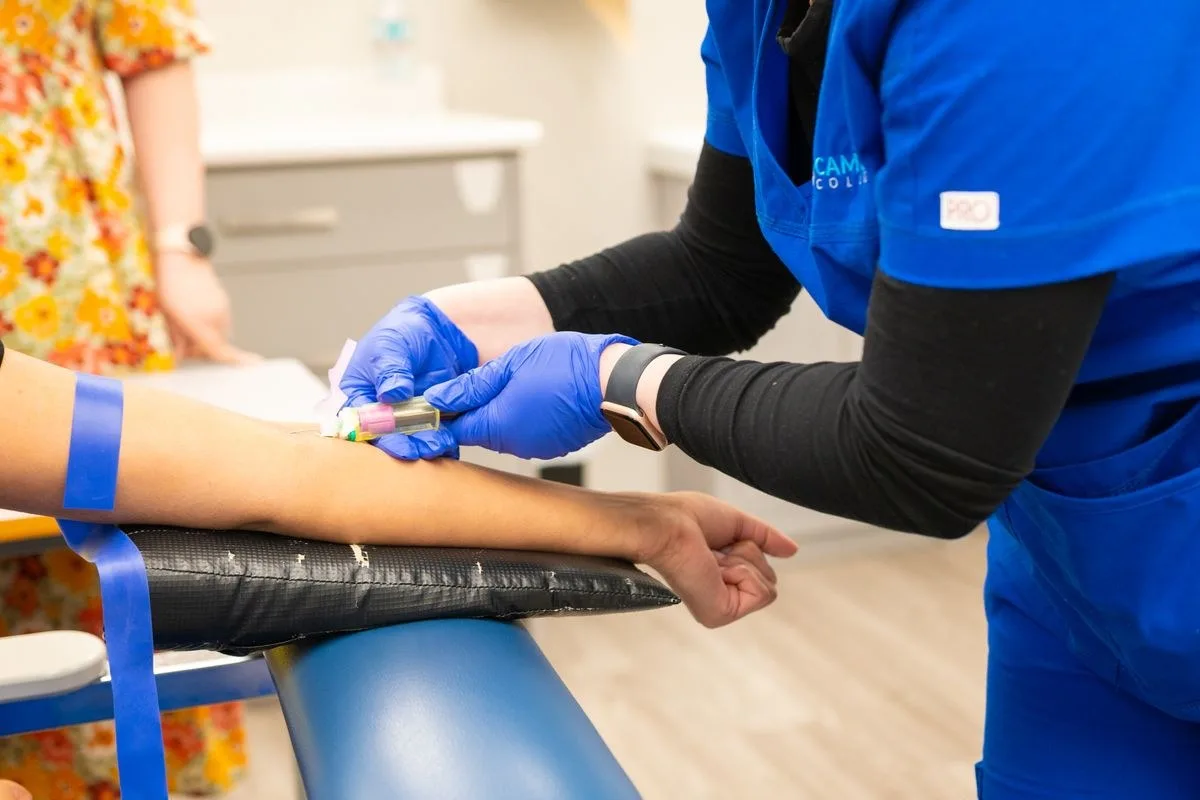
The sampling process usually takes a short time. It takes a few minutes to get a blood sample; For the urine sample, most tests require that it has not been urinate within the last hour or two. A slight discomfort may be felt when taking the creep, but the process is quick and usually does not require any special preparation.
Some tests may have additional prep recommendations. Vaginal creep may be asked not to have a vaginal shower before the procedure and not to use local medicine; it is preferred at some time outside the menstrual period for smear.
Coming on an empty stomach is not required for most CYBH tests, but should follow the physician's guidelines if further blood tests were planned on the same day.
The process is described step by step so that you are comfortable during sampling. Noting that you feel nervous will allow the process to progress more slowly and comfortably. In cases where the crawl is taken, a short-term slight staining may be seen; This is an expected condition and usually goes away on its own.
It would not be right to mention a single fixed number on the cost side. The number of tests looked at, the width of the panel, the method used, the laboratory that does the work, changes the total amount whether the retest is required and whether the examination is included. Therefore, the healthiest way to clarify is to talk with the physician about the planned test coverage during the examination.
What to Know Before Taking the Sexually Transmitted Diseases Test
A few basic points to know before testing allow for both accurate interpretation of the result and reducing unnecessary anxiety.
Timing comes at the beginning; in the second place is the determination of the test scope appropriate to the person's condition.
Test Schedule and Windowing Period
The window period is the time it takes for the agent or antibodies to develop against it to reach detectable levels by laboratory testing. The test before this time is complete may be negative, even if the infection is found.
This does not mean that the test is incorrect; it only indicates that it was taken care of at a very early stage.
The duration varies depending on the factor and the method used. In bacterial factors, there is usually a range that extends from a few days to several weeks.
In virus or antibody-based assessments, such as HIV, syphilis and hepatitis, the duration may extend from about a few weeks to several months. Rather than giving a precise day, it is more accurate to determine the appropriate timing with the physician.
If there is a complaint, it is appropriate to apply without waiting; The findings can be assessed on their own.
If there are no symptoms and a possible contact is involved, the test time is planned according to the physician's recommendation.
Some tests taken early on may need to be repeated later in the week.
In cases where a post-treatment control test is requested, the time again depends on the treatment used.
The menstrual period can also affect timing. It does not pose an obstacle for blood sample removal; however, bleeding may be expected to end for smear and some creep tests. When this detail is shared during the appointment, the need to come a second time is often avoided.
Test planning also requires attention during a period of treatment. Some results may be affected if antibiotics have been used recently; When this information is shared in the consultations, the test time is adjusted accordingly.
Likewise, the use of vaginal cream or wick should be indicated in advance as it may affect the results of the creep.
Risk Factors and Test Need
The need for testing is not limited to the symptom alone. Because a significant portion of the infections are silent, the screening decision is often made through the story. The following titles summarize the situations that the physician may ask when the scan is raised.
A new beginning of a relationship or a contact that is not used as barrier method
The presence of a sexually transmitted infection diagnosed in the spouse or partner
Pregnancy plan, routine monitoring during the first period of pregnancy or the IVF process
Unexplained discharge, itching, urinary complaints, wound in the genital area or bleeding after intercourse
A history of sexually transmitted infections
Not having had a check-up in a long time and asking for a general health assessment
The fact that one of these substances is valid does not mean that there is an infection. The scan is done to clarify the current situation, rather than measuring the probability. Knowing the result helps to start early treatment if necessary, leaving the location of anxiety with precise information if not required.
Sexually Transmitted Diseases Test Results and Interpretation

The output time of the results varies according to the method used. While some tests may result in the same day, studies such as molecular methods and culture can take longer. The duration also depends on the working order of the laboratory; Therefore, the estimated time can be asked when giving an example.
Numerical values in the report, or expressions such as "reactive", "positive", "negative" alone, do not provide sufficient information.
The same result can have different meanings in two people with different stories, so evaluating the report with the physician is a more reliable way than comparing it to general information on the Internet.
The interpretation of the results also depends on what the test used measures. Antibody tests show the body's response to a factor it has encountered in the past, while molecular tests investigate whether the factor was present in the sample at the time.
This distinction is decisive in distinguishing an active infection from a past infection.
Next Steps in a Positive Result Situation
A positive result means a controllable table. Most sexually transmitted infections are treatable; In some viral infections without treatment, the process can be managed with regular follow-up and proper medication.
The first step is to verify the result and establish a plan that fits the table.
Verification test: When some screening tests are positive, a second test is requested to clarify the diagnosis.
Treatment plan: Depending on the substance, antibiotic or antiviral treatment may be considered; Selection and duration are determined by the physician.
Spouse or partner evaluation: It is recommended that the person in contact during the same period also apply for testing and treatment if necessary.
Additional screening: When an infection is detected, evaluation in terms of other factors may also be raised.
Check appointment: After treatment is complete, a control test may be requested to confirm the recovery.
In infections detected in pregnancy, the plan is made considering the week of pregnancy and the suitability of the drug.
The goal is to maintain both the person's treatment and take precautions in time that will reduce the likelihood of transition to the baby. This process requires regular monitoring.
Negative Result and Retest Timing if Needed
The negative result indicates that the desired factor was not detected at the time of sampling. In most cases, this is comforting information; However, if the contact is at a very close date, the test may be requested to repeat after a certain period of time due to the window period. It determines the time again which test is being looked at.
If the complaint continues and the test is negative, the process does not end there. Signs such as discharge, pain or itching may also have causes that are not sexually transmitted; fungal infections, bacterial vaginosis, or hormonal changes are among them.
Therefore, after the negative result, the complaints must be shared with the physician.
Test Centers and Privacy Standards in Samsun

In Samsun, tests can be performed in both public hospitals and private health institutions and laboratories.
The decisive one in the central selection; It is that the organization has legal permissions, has the infrastructure to operate the tests requested, and the result can be evaluated by a physician.
When choosing between public and private options, appointment time can also be considered whether the test is being studied at the same institution and the ease of re-accessing the physician after the result.
Another issue that is decisive for some people is that the waiting area and the interviewing environment are arranged in such a way as to protect privacy during the application.
Approved Laboratory and Health Organizations
When selecting the place to test, it is more accurate to look at the general qualifications that the organization must carry, rather than the brand name. The following criteria can be a guide when choosing.
The Ministry of Health is licensed and authorized for medical laboratory activity
The results are approved by the physician in the relevant area of expertise
The ability to perform the requested test panel in-house or with a known working chain
The conditions of sampling are defined by the rules of storage and transport.
Finding a record and sharing order in accordance with the legislation on the protection of personal data
Provides an examination or consultation where questions after the result can be answered
Planning the test together with a physician's assessment reduces both the unnecessary test load and ensures that a missing title is noticed.
In particular, in cases accompanied by gynecological complaints, the examination becomes meaningful along with the laboratory result.
Patient Privacy and Result Sharing
Health data is considered special qualified data under the Protection of Personal Data Act. This data is only processed to the extent required by health care; It is not shared with third parties without the explicit consent of the person or a basis permitted by legislation. In practice, this means that the result is transmitted to the person himself.
The results are often shared through the organization's own system, with personalized access information. This must also be stated if another person, including family members, is asked to provide information.
The fact that questions about privacy are asked openly during the application allows the process to become clear from the beginning and eliminates most people's greatest hesitation.
Making an Appointment for a Sexually Transmitted Diseases Test in Samsun

Making an appointment is the easiest step in the process. Whether it is for symptom reasons or for control purposes, it becomes clear which tests are required at the first meeting.
People who want to plan a screening together with gynecological evaluation in and around Samsun, a Samsun obstetrician With his examination, he can start the process on a single date.
Phone Appointment System and Working Hours
Phone appointment is the fastest way. Briefly relaying your complaint during the consultations will help determine the appropriate day and time. When information such as menstruation, pregnancy status, or recently used antibiotics is shared, it becomes easier to plan the test at the appropriate time.
The finding of weekend work hours makes it easy for people who are unable to make time during the week due to the intensity of work. Coming a few minutes before the appointment time is useful in terms of comfortable completion of registration procedures.
Online Appointment and Initial Counselling
People who do not prefer phone calls can also send requests via email. The name, contact information and specifying the preferred day range in messages transmitted in this way allows for faster return. It is not mandatory to share detailed health information; These are discussed in the examination.
In the first consultation, the story is taken, examination is done if necessary, and the test plan is removed. In this consultations, you are expected to ask questions in mind without hesitation; It becomes clear at this stage how the process will proceed, what samples will be taken and when the results will be evaluated.
If you have previous study results with you, bringing them makes it easier to evaluate.
Conclusion
Samsun Sexually Transmitted Diseases TestA step that allows one to clarify one's own health, with or without symptoms.
Early diagnosis expands treatment options; the negative result replaces uncertainty with information. In both cases, the winner becomes the one who opens the process to evaluation rather than delaying it.
The scope, timing and subsequent actions of the test vary from person to person. Therefore, the scan should be planned not through a ready-made list, but by considering the findings of the story and examination. You can start the process in an environment where privacy is observed by creating an appointment for questions in your mind.

Original Turkish content prepared and reviewed by
Prof. Dr. Aşkı Ellibeş Kaya
Specialist in Obstetrics and Gynecology
Last updated: 28 August 2026
The content on this page is intended for informational purposes; the diagnosis and treatment decision is made only with your physician after the examination.
References
The following sources relate to the informational issues outlined by them. The personal diagnosis and treatment plan requires physician evaluation. Source texts are in English.
CDC
STI Screening Recommendations (opens in new tab)Related subject: Screening assessment based on age, risks and pregnancy in sexually transmitted infections.
Frequently asked questions
Oh, no. Health data is considered private personal data and is not shared with third parties without the explicit consent of the person or a basis stipulated by legislation. The results are transmitted to the person with special access information; A request must also be made for information to be given to another person, including family members.
Related Services
Other issues under the heading Sexually Transmitted Diseases.



Start with an appointment
Let us determine the day and approach that best suits you. Your consultations are conducted on a privacy basis.