
Samsun Treatment of Mycoplasma Infection
Mycoplasma and ureaplasma species are bacteria that can affect the urogenital system and have no cell walls. It is detected by molecular testing; The treatment decision is made along with the complaints and examination findings.
Samsun mycoplasma Infection is a health condition caused by Mycoplasma and Ureaplasma types that can affect the urogenital system. It can be sexually transmitted.
These bacteria can be transported in most people without creating a distinct complaint. In some people, a change in the flow property manifests itself in the form of burning when urinating or feeling discomfort in the groin region. Due to its infective property, the diagnosis and treatment process is both of the applicant and partner's business. The hallmark of this infection is that the factors do not have a cell wall. This structural property leads to the ineffectiveness of some commonly used antibiotic groups, requiring that the choice of medication be made by the physician. A random antibiotic taken from the pharmacy does not produce both results and may pave the way for resistance development.
It is not shameful to have a test or receive treatment; urogenital infections are common and can often be controlled with appropriate treatment. Samsun Atakum's practice in the field of gynecology, infertility and sexually transmitted diseases Prof. Dr. Aşkı Ellibeş Kaya, plans the process by evaluating the applicant's complaints, pregnancy plan and partner status together.
What is mycoplasma?

Mycoplasms are one of the smallest known groups of bacteria. Unlike other bacteria, there are no cell walls; Therefore, they are not affected by drugs that target the cell wall, such as penicillin and its derivatives. The most common species in the urogenital region are Mycoplasma genitalium, Mycoplasma hominis, Ureaplasma urealyticum and Ureaplasma parvum.
Not all of these species are evaluated at the same weight. Mycoplasma genitalium is a factor associated with cervical inflammation and pelvic inflammatory disease in women, and with the urethritis table in men, requiring treatment. Ureaplasma species can also be found in the genital flora of healthy people, so it is not enough to make a treatment decision alone if only seen on the test. Here, the presence of symptoms, pregnancy plan and recurring complaints are decisive.
The path of transmission is mainly sexual contact; It is possible to switch with vaginal, anal and oral contact. During childbirth, the transition from mother to baby was also reported. In contrast, it is not expected to be infected by the use of toilet seats, towels, pools or common items. This distinction is important in preventing unnecessary anxiety and false accusations.
Mycoplasma genitalium: The factor closely monitored in terms of resistance that should be treated when it gives the indication.
Mycoplasma hominis: a species that is rarely held responsible alone, which can accompany the table of bacterial vaginosis.
Ureaplasma urealyticum and parvum: species that can be transported in flora, evaluated in the presence of indication.
Common feature: Due to the lack of cell walls, the beta-lactam group does not respond to antibiotics.
Mycoplasma Symptoms
The most misleading aspect of this infection is that it often watches silently, when the person feels no complaints, the factor may be encountered in a routine check-up or during infertility research.
Complaints that can be seen in women include changes in color, consistency or smell of the discharge, burning and frequent urination while urinating, pain during sexual intercourse, or subsequent staining, pubic and blunt pain in the lower abdomen. These findings are not specific to mycoplasm; Chlamydia, gonorrhea, fungal infections and bacterial vaginosis can also form a similar table. Therefore, it is not possible to diagnose by looking at the symptom.
In men, the most common table is urethritis: burning in the urinary tract, mild discharge, itching sensation. Male partners are a common condition where they are not complaining and there is no justification for their exclusion.
Conditions that require a physician to apply include a change in flow lasting more than a week, recurrent urinary tract complaints, regular spotting after intercourse, lower abdominal pain, and a sexually transmitted infection diagnosed in the partner. In paintings accompanied by fever, severe pubic pain and general weakness, evaluation is recommended not to be delayed.
In cases that have not been noticed for a long time and are not treated, there may be problems such as the development of inflammatory processes in the reproductive organs and concomitancy in the tubes. In pregnancy, it has been associated with the risks of premature birth and premature opening of membranes. Therefore, it is recommended that complaints be evaluated without neglect.
Mycoplasma Diagnostic Methods
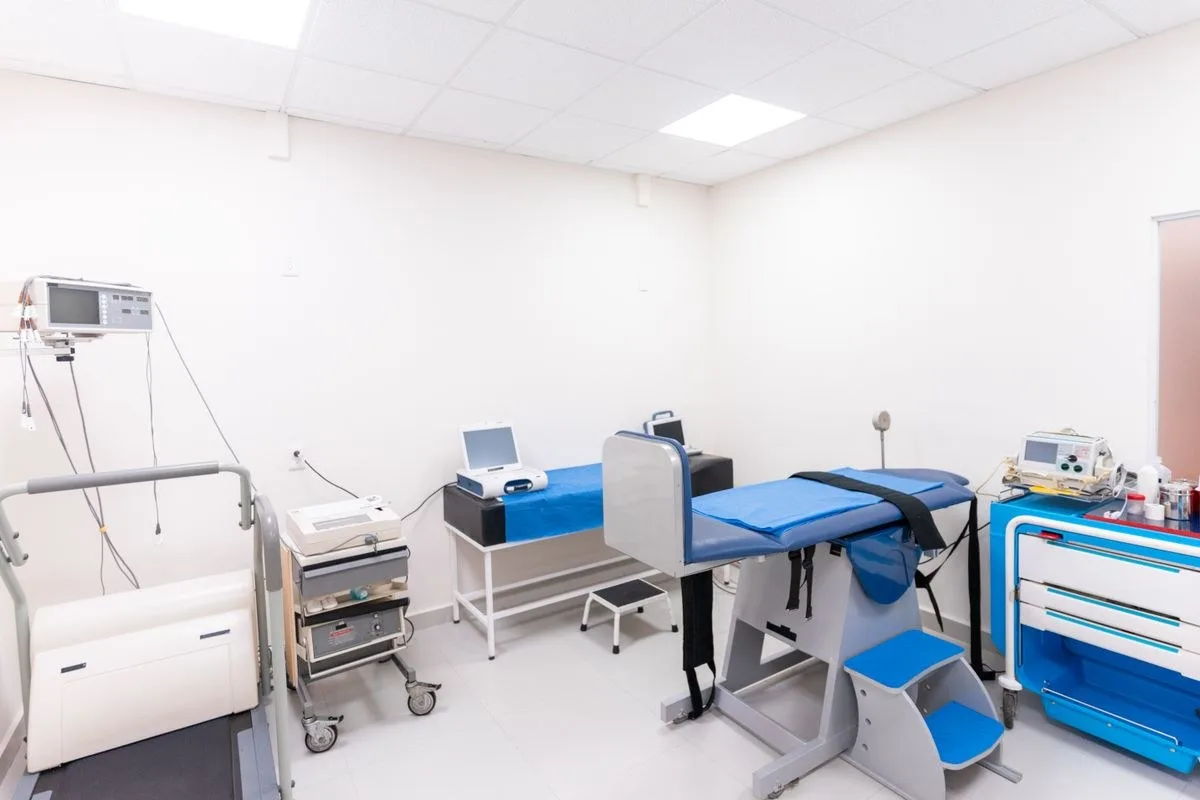
Diagnosis is put through molecular tests. PCR-based methods studied on the Servikovaginal reptile sample or the first current urine sample are considered standard today because it directly shows the genetic material of the bacterium. The classical culture method is not particularly suitable for Mycoplasma genitalium; This factor is a microorganism that is too slow and difficult to replicate in culture.
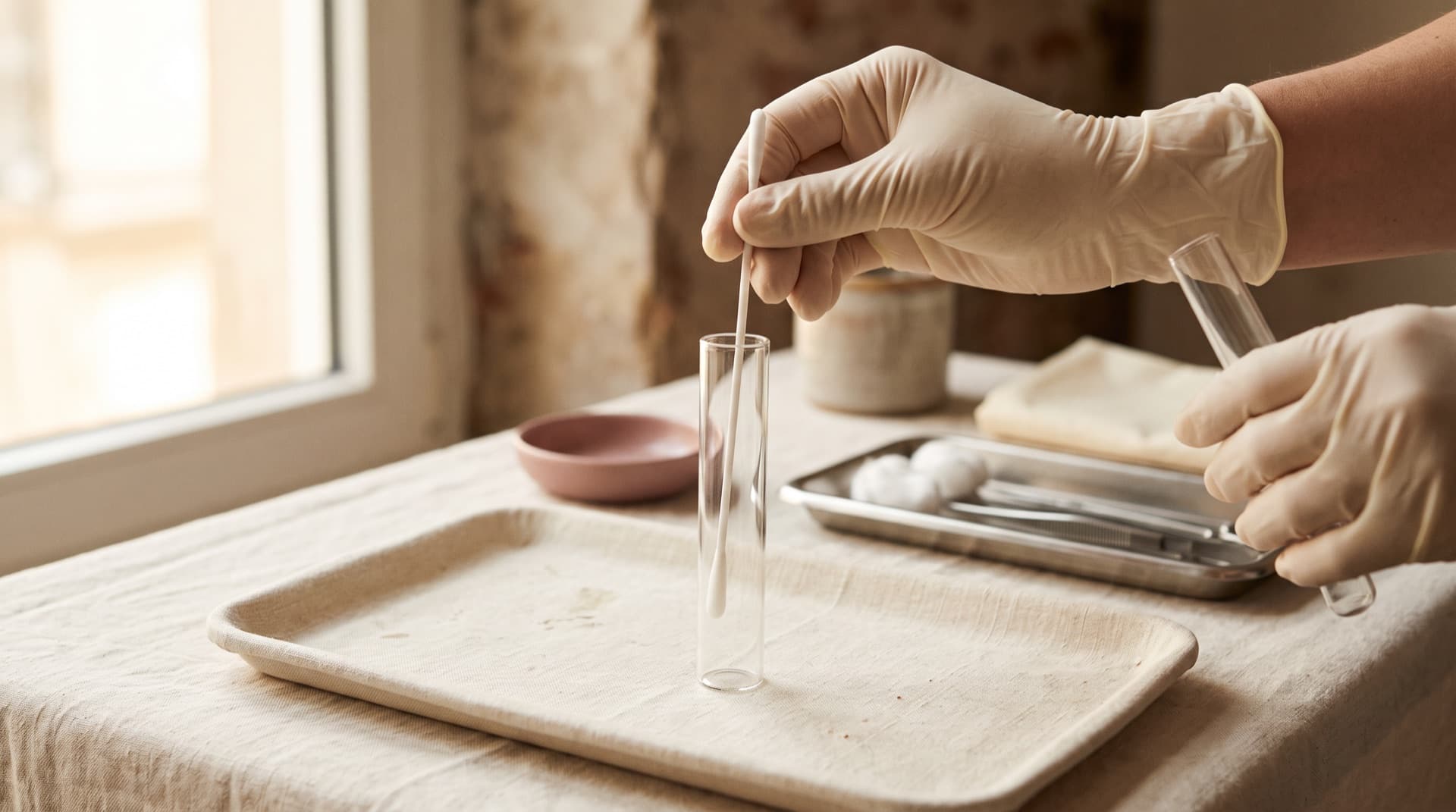
Sample intake is short-lived and not a painful procedure. There may be a slight feeling of pressure during the crawl, while in the urine sample it is asked that the first urine of the day or at least one to two hours of not urination. Before taking a sample, the physician should be informed that vaginal showers, vaginal creams or rubles may affect the use as a result.
Routine screening is not recommended for everyone. The test is usually requested on a specific basis: non-passing discharge or urinary complaints, pelvic pain, post-relational bleeding, infection with a sexually transmitted infection diagnosed in the partner, infertility research, recurrent pregnancy loss, or pre-tube pre-baby preparation. Genital panels where multiple factors are scanned together are often preferred because more than one infection can be found at the same time.
Servikovaginal creep: taken during examination, is the most commonly used sample type in women.
The first current urine sample: especially in men and in cases that do not require interventional processing.
Genital panel: Allows for the study of clamidia, gonorrhea, trichomonas and mycoplasma species together.
Blood sample removal: is not the primary method for diagnosing mycoplasma; It can be raised in screening for other accompanying infections.
Mycoplasma Treatment Options
Reading the test result alone can be misleading. A positive result, especially in Ureaplasma species, does not necessarily mean disease; The result should be interpreted with symptoms, examination findings and, if any, the partner's condition. Therefore, the evaluation of the laboratory report with a physician is a much safer approach than looking at the report and taking medication on your own.
The treatment decision is not only to the test result; It is given according to complaints, examination findings, pregnancy status and partner information. Because there is no cell wall, penicillin-type drugs do not work in these factors. Therefore, antibiotic groups that target the protein production of bacteria are prominent.
Antibiotic Treatment Regimenes

In Mycoplasma genitalium, azithromycin from the macrolide group or mexifloxacin from the fluoroquinolone group is raised in cases of resistance suspicion. In the Mycoplasma hominis and Ureaplasma species, doxycycline from the tetracycline group is one of the frequently preferred options. In tables accompanied by bacterial vaginosis, an additional drug such as metronidazole can be added to the treatment.
As much as the choice of medication, the method of application depends on the physician's decision. Treatment can range from a short toothpick used by mouth to longer toothpicks; Rarely, heavy tables may require administration of the drug from the vascular tract. This article does not consciously provide a dose and day chart because the appropriate dose and duration are determined by the physician's assessment.
Etken: Prominent Antibiotic Group; Point of Attention
Mycoplasma genitalium: Macrolide or fluoroquinolone; Macrolide resistance is increasingly reported
Mycoplasma hominis: Tetracycline group; Natural non-response to macrolides can be seen
Types of Ureaplasma: Tetracycline or macrolide; If there are no symptoms, the treatment decision is made individually
Approach in pregnancy: Appropriate options to use in pregnancy; The choice of medication depends entirely on the physician's assessment
Treatment Time and Success Rates
The duration of treatment varies depending on the factor and the weight of the table. A shorter cycle in a simple urethritis or serving table may be sufficient, while it may take longer at a wider retention, such as pelvic inflammatory disease. The reduction in complaints in the first days does not mean that treatment is over; The drug should be used in full during the dose and duration determined by the physician.
When the appropriate medication is selected and the treatment is adapted, these infections are usually well-responsive. However, it would not be right to give a numerical success rate; The variables that determine the result are different from one person to another. Compliance with treatment directly affects the partner as a result of simultaneous treatment, avoiding unprotected intercourse until the cycle is over, and whether there is another accompanying infection.
Macrolide resistance in Mycoplasma genitalium is an increasing problem. Therefore, in some cases, there is not enough response to initial treatment and a second treatment may be needed with a different group of antibiotics. This is not considered a failure, but as a normal part of the process; The important thing is to confirm the result with a control test.
Mycoplasma Treatment Process
The process is a whole that begins with the rest of the symptoms and is completed by the control test. Knowing the stages ahead of time reduces both anxiety and facilitates planning of the calendar.
Application and Initial Examination Phase
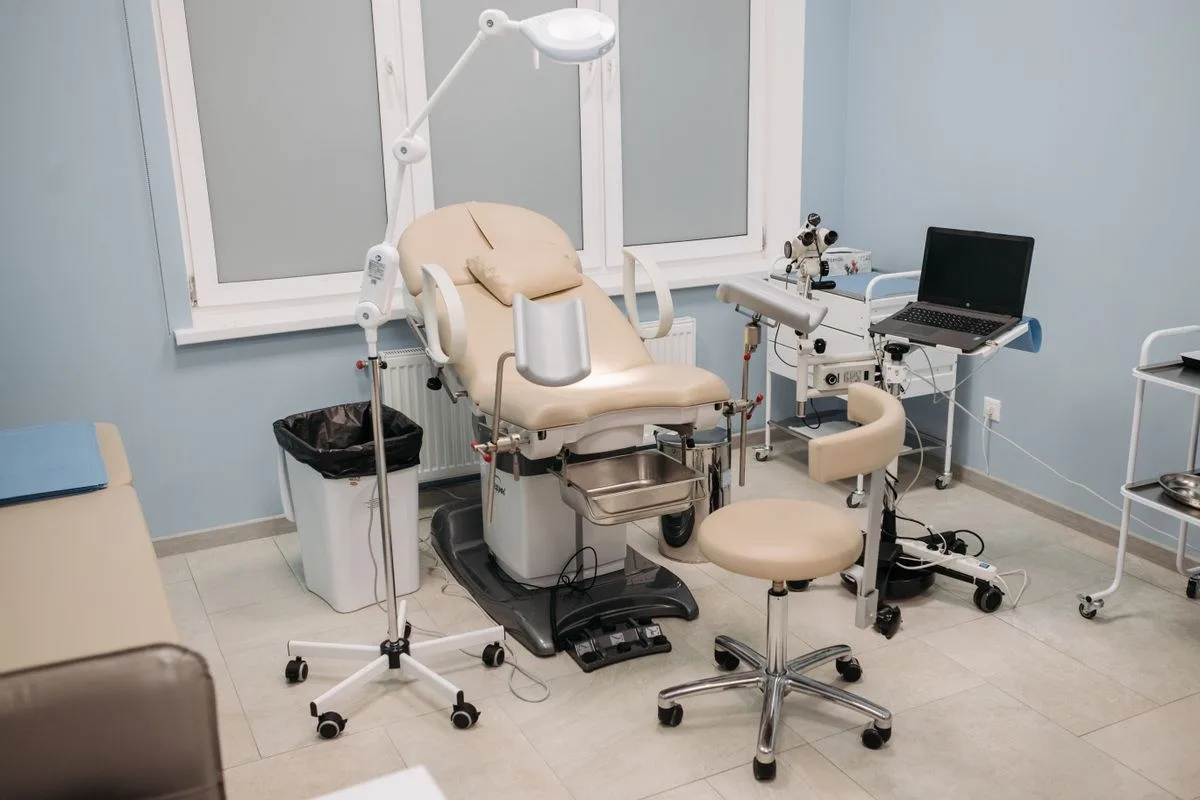
At the first meeting, the complaints are questioned when they begin, the features of the discharge, urinary complaints, whether there is pain during the relationship, and the menstrual pattern. Previously used antibiotics, past infections, pregnancy plan and birth control method also play a role in planning the process.
The gynecologic examination is then performed. The appearance of the cervix, the nature of the discharge and the presence of tenderness are evaluated; if necessary, the pelvic organs are examined by ultrasound. At this stage, the applicant's questions are answered and step-by-step description of the process is important because it increases compliance with treatment.
Conducting the consultations in a non-judgmental language is decisive in terms of being able to share one's past comfortably. Sexually transmitted infections are not a condition that can be explained by hygiene habits or personal preferences; Even a single contact may be sufficient for transmission. In this frame a Samsun obstetrician The assessment is based on providing information without judgment and asking for the correct test.
Test Types and Result Waiting Time
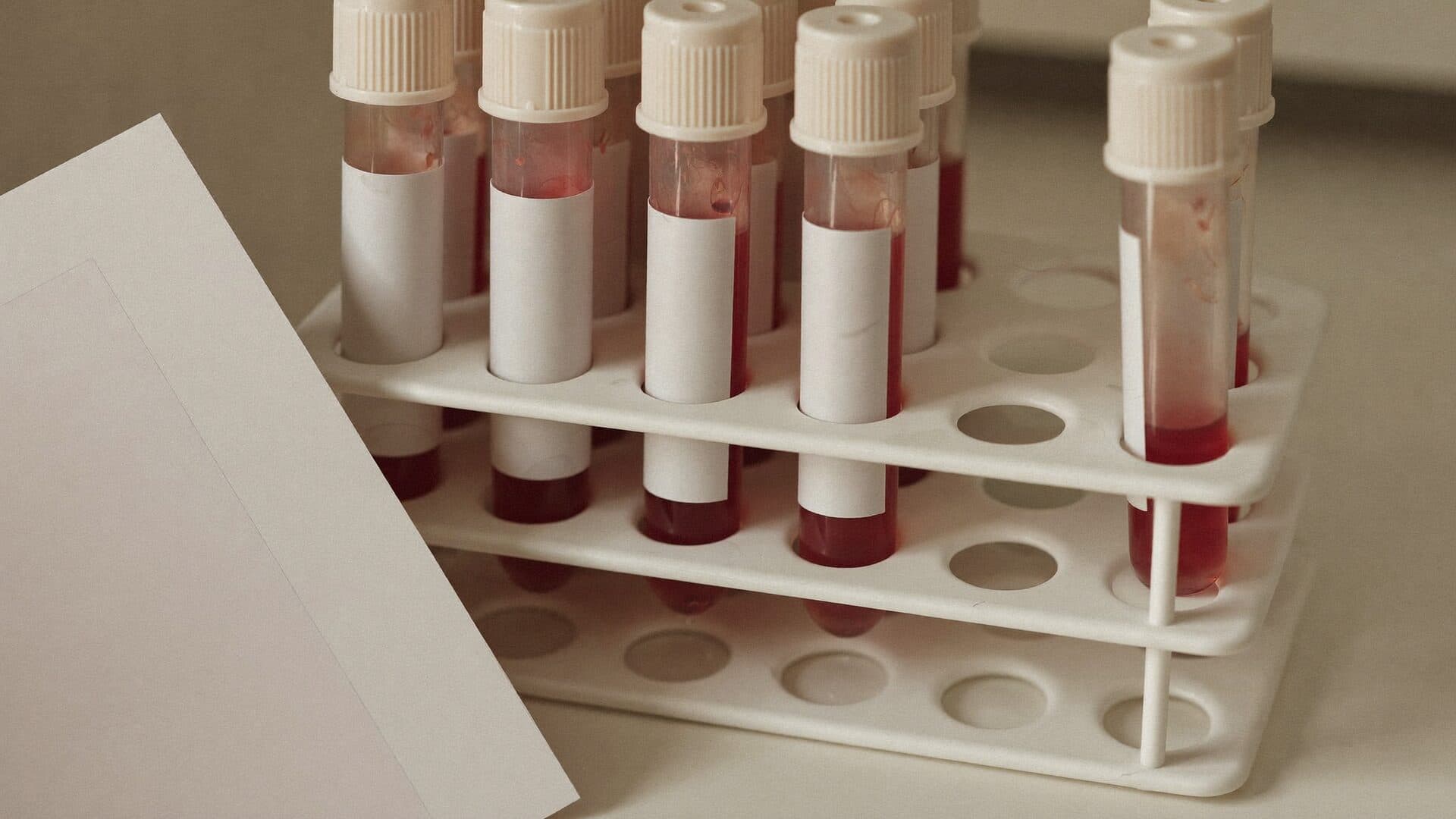
The creep or desired urine sample taken during the examination is sent to a laboratory that can perform molecular testing. Complaints suggest that chlamydia, gonorrhea, trichomonas, and other sexually transmitted factors can also be investigated through the same sample. If deemed necessary, a blood sample may be requested for accompanying conditions.
The result waiting time varies according to the laboratory's working order and the desired test scope; It usually results in a few working days. When asked for a wide scan in the form of a panel, this time may be a little longer. In some cases, where complaints are obvious, the physician may consider it appropriate to begin treatment while expecting results.
Before the test, no vaginal showers, no vaginal rubs or creams are required and if possible, scheduled for a day outside of menstruation. If a urine sample is to be given, the fact that it has not been urinate for at least one or two hours increases the reliability of the result.
Treatment Plan and Control Visits
After the results are released, a treatment plan is created by evaluating which factor reproduces, the status of symptoms and the pregnancy plan together. In this plan, the drug's name, duration of use, possible side effects, and rules to follow throughout the cycle are clearly described. The inclusion of the partner in testing and treatment is planned at the same meeting.
The calendar proceeds roughly as follows: initial examination and sampling, the start of treatment with the results, completion of the course, and then the control test. The total duration of these steps varies from person to person, because both the length of the cycle and the timing of the control test are determined individually. It is recommended that appointments be rescheduled, as it prevents the process from being interrupted.
Once the cycle is complete, a control consultations is held. Whether the complaints are regressed is questioned, if necessary, the examination is repeated and the timing of the control test is determined. If complaints persist, a change of medication or additional research may be raised; Therefore, it is recommended that the control appointment be not interrupted.
Rules to Follow During Mycoplasma Treatment
The outcome of the treatment depends not only on the drug chosen, but also on the behaviors monitored throughout the cycle. The following headings are intended to prevent the most common causes of recurrent infections.
Points to Consider in Drug Use

The most common mistake is to quit the drug when complaints have subsided. A half-released cycle can lead to the bacteria not being cleaned enough and becoming more resistant to subsequent treatments. The medication should be used as recommended, during the dose and duration determined by the physician.
Some antibiotics can cause side effects such as nausea, diarrhea, or metallic taste in the mouth. These complaints are usually mild and pass at the end of the cycle; however, if symptoms such as severe diarrhea, rash, shortness of breath appear, it is necessary to cut off the drug and consult a physician.
Do not interrupt the drug by your own decision, do not skip doses; Manage the forgotten dose by consulting your physician.
Sun sensitivity may increase when using tetracycline group drugs; Protecting from intense sun is beneficial.
Supplements containing dairy products, iron and calcium may reduce absorption of some antibiotics; The timing of use should be asked to the physician.
Be sure to report any other medications, herbal products, and medication allergies you are using.
Alcohol use, along with some antibiotics, can lead to uncomfortable reactions; it is safe to avoid throughout the cycle.
Inform the physician if there is a possibility of pregnancy during the course; The choice of medication is reevaluated accordingly.
Sexual Contact and Communication Problems
During the course of treatment and until the control period specified by the physician is completed, unprotected intercourse is asked to be avoided. Otherwise, mutual transmission between partners will continue and the completed cycle may be inconclusive. This is one of the most frequent causes of recurrent phenomena.
Telling the partner about the situation is the most challenging part of the process for many. The framework that is useful here is to talk about common health rather than looking for responsibility. Since these infections can be carried without symptoms for a long time, the positive test release does not provide any evidence of what has happened recently. Making the information in a plain and neutral sentence is often the most functional way to share the test result and recommend that the partner also take the test.
No additional restrictions are required in daily life. There is no need to establish a separate pattern at home as this infection does not pass through the use of common items, towels or toilets. Vaginal showering, scented cleaning products and frequent antiseptic use are not recommended during the cycle as it can disrupt vaginal flora and increase complaints. Water and temperate cleaning is sufficient.
Even if the partner has no complaints, it is recommended to take tests and treatment if necessary. In some cases, the partner's test may be negative; This does not mean that the outcome is incorrect, and the physician may still plan a preventive treatment. The decision to share one's own outcome is special, but it is important for the partner to be informed both in terms of his health and prevention of re-transmitted transmission.
Mycoplasma Treatment Post-Watch
When the cycle is over, the process does not end. The step that shows whether treatment works is the control test. This test is usually scheduled a few weeks after the end of the drug. The result may be misleading, as dead bacterial fragments can still be detected in earlier tests; Therefore, it is recommended to follow the timing given by the physician.
If the control test is negative and the complaints have passed, treatment is considered complete. If the result remains positive, the possibility of resistance can be considered and moved to a different antibiotic group; It is reviewed whether the partner has received treatment and if protection is provided throughout the course of the cycle.
In cases of repeated complaints, re-infection, incomplete treatment, untreated partner, or any other accompanying infection is investigated. In frequent recurrent discharges and urinary complaints, it is appropriate to evaluate vaginal flora balance.
The outcome of the control test is also important in people who have a pregnancy plan or will receive infertility treatment. Treated urogenital infections prior to IVF and similar procedures contribute to safer progress of the process. On the protection side, condom use reduces the risk of transmission, but does not completely eliminate the risk as it does not cover all areas that come into contact.
Conclusion
Samsun mycoplasma infection is a health problem that can usually be controlled when detected with the right test and managed with appropriate treatment. If vague discharge, urinary complaints, or a feeling of pelvic discomfort persists, asking for molecular testing is a much safer way to use medication by guess.
Three elements that determine the outcome of the process come to light: complete the cure, include the partner in the process, and have the control test done on time. When these steps are completed, it is largely possible to both decline the complaints and prevent re-transmission. If in doubt, it is always easier to create a clear road map with a physician's assessment than to wait.

Original Turkish content prepared and reviewed by
Prof. Dr. Aşkı Ellibeş Kaya
Specialist in Obstetrics and Gynecology
Last updated: 25 August 2026
The content on this page is intended for informational purposes; the diagnosis and treatment decision is made only with your physician after the examination.
Frequently asked questions
Yes, the main transmission pathway is sexual contact; it can be passed through vaginal, anal and oral contact. During childbirth, the transition from mother to baby has also been reported. It is not expected to be transmitted by the use of toilets, towels, pools or common items. Therefore, it is recommended that the partner be tested when diagnosed.
Related Services
Other issues under the heading Sexually Transmitted Diseases.


Start with an appointment
Let us determine the day and approach that best suits you. Your consultations are conducted on a privacy basis.