
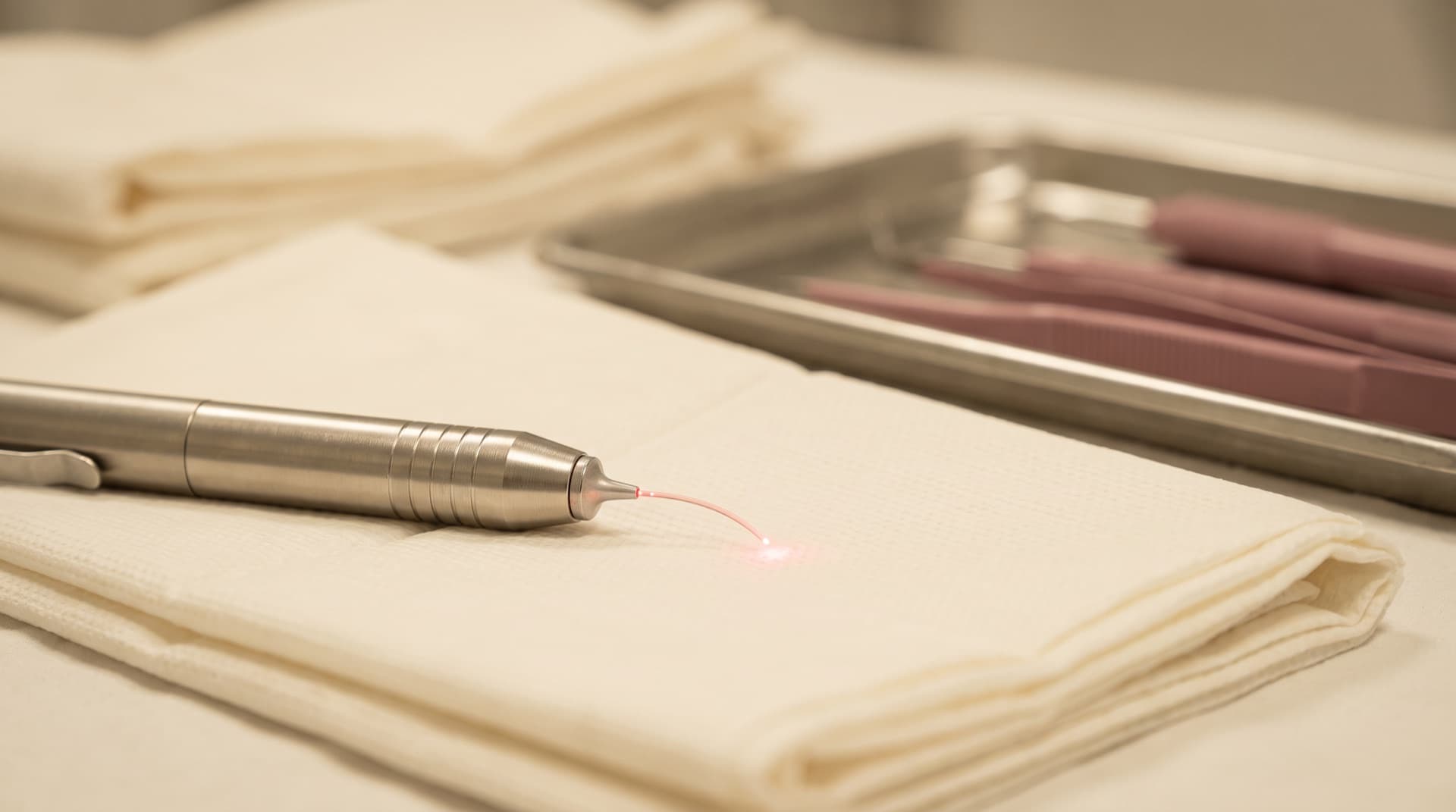
Samsun Laser Treatment for Cervical Ectropion
A cervix wound (cervical ectropion) is one of the methods applied when it creates complaints. Scanning before is essential.
Treatment of cervical wound with Samsun laserIt is a method used for benign tissue changes in the cervix that does not require incisions. The application is planned by examination.
Focused laser energy vaporizes the problematic surface and allows for re-covering of healthy tissue beneath it. The method is preferred by physician assessment in patients with a complaint and whose screening results are normal. The painting, called "a wound in the cervix" among the public, is often not a real wound. This image of thin cells laying inside the cervix is called cervical ectropion in medicine, which is caused by displacement towards the outer surface. The examination assumes a scar because it looks red and moist.
This distinction is important because most of the ectropion is a hormonal condition and does not require treatment. The treatment decision is made by looking at the patient's complaint and screening results rather than the image. The patient accepts at his office in Samsun Atakum Prof. Dr. Aşkı Ellibeş Kaya, conducts this assessment with examination, smear and additional examinations deemed necessary.
What Is Laser Treatment for Cervical Ectropion?
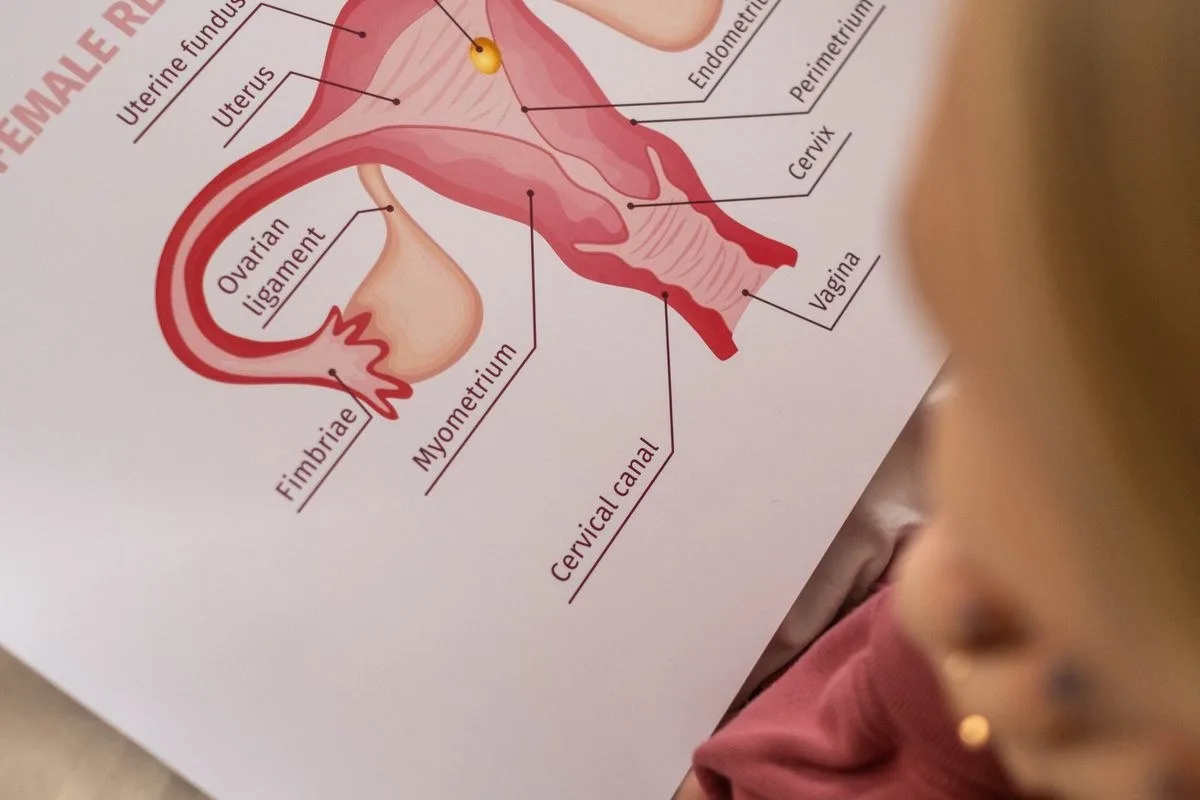
Laser cervical wound treatment is the process of evaporating the altered tissue layer on the outer surface of the cervix with controlled laser energy. After the procedure, this area is re-coated with healthy flat epithelial cells in the surrounding area. The goal is not to cut or take the tissue, but to make the surface open for regeneration.
The practice is performed in practice conditions, at the gynecological table. No hospitalization or general anesthesia is required. The procedure takes a few minutes and the patient returns home on the same day. Recovery is a several-week process and is a finding that is expected to see a watery discharge during this period.
This table is often noticed coincidentally in a routine examination. Some women have no complaints; others have abundant discharges that coincide with ovulation, post-relational pinkish staining, and recurrent urinary tract-like complaints.
Here is one point to draw: laser is not a treatment that eliminates the underlying cause. If the ectropion is developing on a hormonal floor, the tissue may recur over time. Therefore, the procedure is brought up in patients with complaints that disrupt quality of life, such as continuous discharge and post-relational staining.
A second point is also about expectation. The process does not immediately interrupt the discharge; On the contrary, in the first weeks the discharge increases temporarily. Permanent relief occurs within a few weeks, with the new surface sitting.
The Principle of Use of Laser Technology in the Wound of the cervix
The wavelength of the carbon dioxide laser is strongly absorbed into the water molecules in the tissue. Energy heats up the water inside the target cell quickly and the cell evaporates away. Meanwhile, the amount of heat emitted to the surrounding tissue remains limited; This is why it can be worked at a controlled depth.
In practice, the targeted depth is below millimeters. After the surface is cleared, healing proceeds from the solid flat epithelial on the edge to the center. This progression takes several weeks and the cervix surface goes through a crust-like phase throughout the process.
Another advantage of the laser is that it reduces bleeding during the process by closing the vessels with heat. This feature allows the application to be completed without requiring stitches. However, not all patients receive the same response; The thickness of the tissue and the width of the area change the recovery time.
The energy level and the rate of pulse to be applied varies from patient to patient. The width of the area, moisture content of the tissue, and whether it is a previous attempt directly affects this setting. There is no standard prescription; The setting is determined by the finding of the examination.
Differences of Other Methods with Laser Treatment
The laser is not the only method used to treat the cervix surface. Cryotherapy freezes the area, trying to reach the same target as electrocoterization electric discharge heat, and radiofrequency high frequency waves. The difference between them occurs in depth control, recovery time and the amount of discharge after processing.
The point where the laser stands out is depth control; It can be adjusted to which layer it will work. Cryotherapy is a more common and more economical option, but the discharge is usually more abundant during recovery. Which method to choose depends on the width of the lesion and the patient's birth plan.
The patient's daily life is also taken into account in the method selection. It can be a practical problem for a woman who is working for a long time. In such cases, the option with a shorter recovery time may be more decisive than theoretical superiority.
Method: The mode of effect; The leading direction; Point to note
Carbon dioxide laser: It vaporizes the tissue; Depth control is high, bleeding is low; Requires device and experience
Cryotherapy: Freezing creates tissue loss; Common and easy to implement; In recovery, the discharge may be more abundant
Electrocoterization: Burns with heat of electric current; An accessible method; Heat propagation is wider
Radiofrequency: High frequency wave energy; Heat effect to surrounding tissue limited; Sessions may be required in large areas
Follow-up (untreated viewing): No attempt is made; The first option in a non-symptoms patient; Regular control is essential
Who May Be Suitable for Laser Treatment of Cervical Ectropion?

This practice is considered for patients with complaints due to benign tissue change in the cervix. The most common causes of application are persistent and abundant vaginal discharge, post-sexual spotting, and recurrent cervical infections. If there is no symptoms, no interference is required.
There is another condition that remains outside the appropriate candidate group: patients with a complaint but not due to ectropion. If the source of abundant discharge is bacterial vaginosis, fungi, or a sexually transmitted agent, surface application does not produce results. This distinction is made by examinations.
The prerequisite for the eligibility decision is that the cervix scan is complete and the result is normal. If there is a suspicious finding in the smear or HPV test, the surface will not be burned; Because this process can hide a finding that needs to be investigated. In such a case, a colposcopy and, if necessary, a biopsy are performed.
Whether or not you have a HPV vaccine is also part of the assessment. The vaccine is not directly related to the practice itself; however, it is an important topic in the long-term follow-up of uterine oral health. Your physician shares the screening and prevention plan that suits your age in this consultations.
Age, Health and Sexual Life
There is no specific age limit; what is decisive is the presence of the complaint and the finding of tissue. Ectropy is more common in adolescent and reproductive women with hormonal effect. This appearance may also be more pronounced in women who take birth control pills and are pregnant.
In the postmenopausal period, the incidence of ectropy decreases. If there is a similar image in the cervix during this period, the evaluation is more rigorous as the hormonal explanation weakens and the colposcopy threshold is kept low.
Surface applications are preferred in women who have not yet given birth. Procedures that require deep tissue removal from the cervix are not performed unnecessarily, as they can increase the risk of premature birth in subsequent pregnancies. In laser surface application, this risk is much lower, but unnecessary interference is still avoided.
In terms of sexual life, the procedure is not expected to have a permanent effect. During the recovery period, the relationship is asked to be interrupted; this period lasts until the control examination determined by the physician. When the surface is fully covered in the control, it returns to normal order.
Pregnancy, Infection and Other Contradicting Situations
Lasers are not applied to the cervix during pregnancy, and the vascularization of the cervix increases markedly during pregnancy, and the risk of bleeding increases, as well as the ectropion seen in pregnancy is often a hormonal response, so it spontaneously declines after birth.
If there is an active infection, the procedure is delayed. The patient with symptoms of servicitis, vaginal infection or pelvic infection is treated first. The application on an infected ground delays both recovery and increases the risk of spreading.
It is also not practiced during menstrual bleeding and during postpartum locusts. The best time for the procedure is the first week following the end of menstrual bleeding; thus, the healing process has come a certain way before the next bleed.
It is also not rushed in patients with breastfeeding. Because estrogen levels are low during this period, the tissue is thin and dry; the recovery response may be different from expected. The reassessment after breastfeeding is over gives a more reliable result.
Pregnancy and the period of ecstasy
Abnormal smear or positive HPV result not investigated
Active cervicitis, vaginal infection or pelvic infection
Menstrual bleeding and intermittent bleeding with no cause determined
Bleeding clotting disorder or the use of blood-watering drugs
A history of radiotherapy applied to the region
Laser Treatment in Samsun Treatment Process
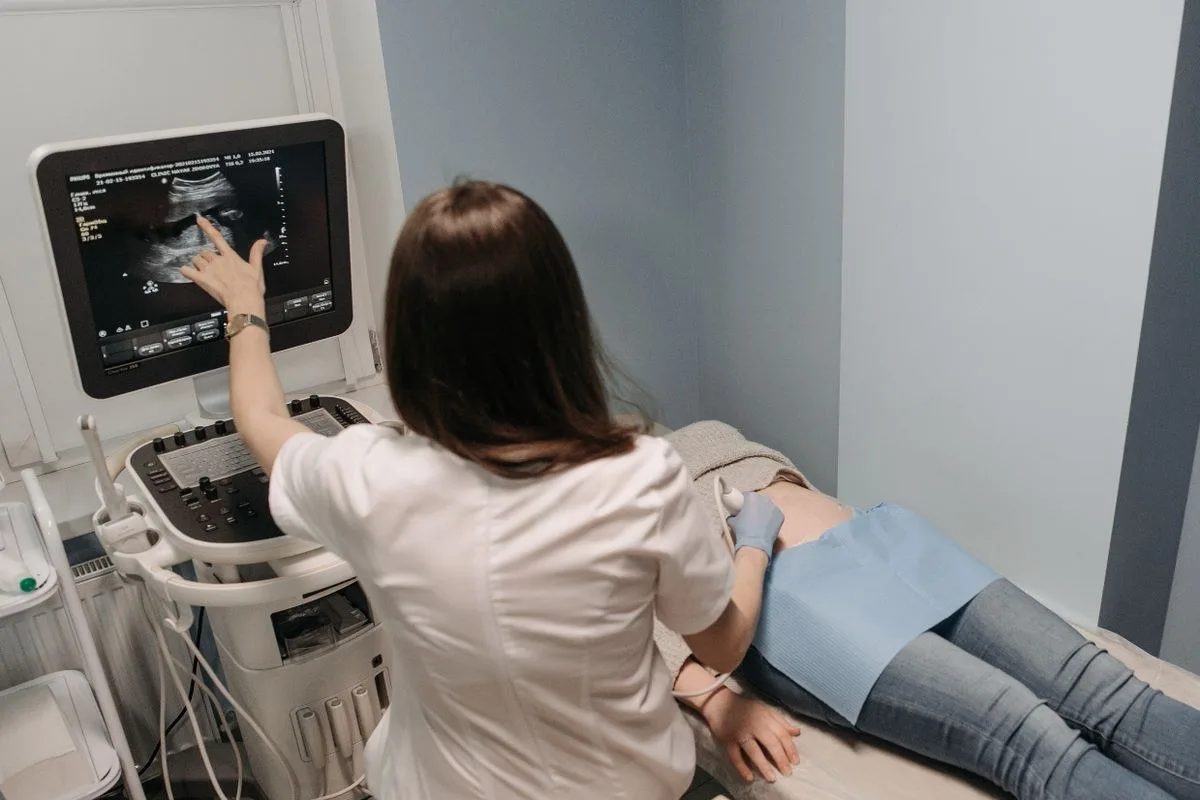
The entire process fits into two appointments: assessment and implementation. Occasionally, the results of the examination should be expected. Our practice is located in Samsun Atakum and the appointment times are between 09.00-19:00 on weekdays and 10.00-16.00 on weekend.
The second date is scheduled according to the appropriate day of your menstrual cycle. Therefore, knowing your last menstrual date in the first meeting prevents a waste of time. Even if the results come early, the application can be held until the right day of the cycle.
The important thing for patients seeking the right address in their cervix complaints is that the procedure is not done quickly, but confirmed. An experienced Samsun obstetricianHe prefers follow-up rather than recommending an attempt at an ectropion that is not intimidated, and tells his patient the reason for this.
First Consultation and Evaluation
The first consultations asks in detail when the complaint began, the color and smell of the discharge, the situations in which the staining occurred. The number of births, the method of birth control, and, if any, previous cervical procedures are recorded.
Then a speculum examination is performed and the cervix is directly observed. A smear sample is taken at this stage; HPV testing is also requested according to the patient's age and history. Culture is taken from the discharge if deemed necessary.
When the results arrive, the table becomes clear. If the scan is normal and it's driving a convergence, laser application comes up. If there is a suspicious finding, the priority is detailed examination with colposcopy; In this case, the treatment plan changes completely.
At this stage, the patient is clearly told of two options: monitoring and application. If the complaint is mild and does not affect daily life, it is recommended to monitor. The decision is not made by the physician alone but with the patient.
Processes Performed During Laser Application
On the day of application, the patient is taken to the gynecological table and the speculum is placed. The cervix is cleaned with antiseptic solution. Acetic acid is applied to the surface in some patients so that boundaries can be clearly seen; This simple step clarifies the area to work.
The procedure does not require anesthesia for the most part, as pain sensation is limited on the outer surface of the cervix. However, local anesthetic application can be performed to the area in patients with high sensitivity. This decision is made with the patient.
The laser head is driven by regular motions over the target area, and the surface layer is vaporized. In the meantime, the patient may feel a slight cramp similar to menstrual cramps in the lower abdomen. The process is completed in a few minutes.
At the end of the application, bleeding is checked and the speculum is removed. The patient stands up after a brief rest. He can drive the same day and return to work; Severe physical activity is delayed for several days.
Before exiting, the patient is instructed to take written care and a control appointment is set. Which symptoms are described one by one that should be sought without waiting. This information also prevents unnecessary anxiety and unnecessary delay during recovery.
Potential Risks of Laser Treatment for Cervical Ectropion

In the right patient and when the correct setting is applied, the procedure is safe. However, no attempt is risk-free, and prior knowledge of possible problems protects the patient from unnecessary anxiety. It is key here to separate actual complications with the expected findings.
During the healing period, a watery, occasionally pinkish discharge is seen. This discharge can last from two to four weeks and does not mean failure of treatment; It is the natural secretion of the regenerated surface. Mild cramping style pain is also an expected finding in the first days.
Real complications are rarer. Bleeding may occur due to the premature separation of the shell formed during recovery. The infection manifests itself with foul-smelling discharge and fever. Rarely, narrowing of the cervix may develop; This requires follow-up as it can make it difficult for menstrual blood to come out.
Another rare condition is that it becomes difficult to take a smear sample after recovery. On the renewed surface, the cell transition zone can be pulled into the channel. This does not mean that it cannot be scanned; only a different technique may be required when sampling.
If there are the following symptoms, it is necessary to consult the physician without waiting: more bleeding from menstrual bleeding, fever, increasing pubic pain and foul-smelling discharge. These are not the normal course of recovery and should be evaluated.
Post-Treatment Care of the cervix with laser

The purpose of post-processing care is to protect the renewed surface and keep it away from infection. The rules are simple, but they directly affect the result of being followed. The most critical period is the first three weeks when the shell splits and the new epithelial settles.
During this period, nothing should be placed inside the vagina. A pad is used instead of a tampon, no vaginal showers are taken, and no vaginal medication is used unless the physician recommends it. Shower style bathing is preferred; the bathtub is kept away from the pool and the sea.
A control examination is usually scheduled a few weeks after the procedure. This examination assesses whether the surface is completely covered and gives approval for a return to sexual life. If the control is skipped, conditions such as narrowing that may develop late may not be noticed.
During the recovery period, eating and smoking habits also play a role. Smoking is a known factor that slows tissue healing and negatively affects the health of the cervix. During this period, reducing or quitting smoking contributes to recovery.
Intermittent sexual intercourse in the first weeks
Do not use tampons, do not shower vaginally
Prefer a shower instead of a pool, sea and bathtub
Avoid heavy lifting and strenuous exercise for a few days
Do not use perfumed hygiene products at this time
Even if you don't complain to your check-in appointment, go.
Conclusion
Treatment of cervical wound with Samsun laserIt is an application that can be effective in women with complaints such as continuous discharge and post-relational staining, which does not require incisions. It is also necessary to know the value of the method as well as its limit: no interference is required in an ectropion that does not complain, and the correct approach is to follow.
If your cervix is said to be "injured" in your mouth, the first step is not to panic but to complete your scan results. If the results are normal and your complaint is affecting your daily life, laser application can be talked about. You can contact our office for appointment and detailed information.
One more detail to remember: whether or not a procedure is performed, regular cervical screening takes a lifetime. Laser application does not replace scanning. You need to maintain your smear and HPV control at intervals appropriate to your age.

Original Turkish content prepared and reviewed by
Prof. Dr. Aşkı Ellibeş Kaya
Specialist in Obstetrics and Gynecology
Last updated: 25 August 2026
The content on this page is intended for informational purposes; the diagnosis and treatment decision is made only with your physician after the examination.
The information on this page is for general informational purposes only and does not replace medical advice, diagnosis or treatment. Each patient's condition is different; the method and process to be applied is determined only by the physician after examination and evaluation.
Frequently asked questions
No, ectropion itself is not a precursor to cancer. However, as there may be other findings that can give a similar appearance and need to be investigated, it is essential to have a regular smear and HPV test when deemed necessary. If the scan results are normal, there is no table that requires concern.
Related Services
Other topics under the title Laser Applications.


Start with an appointment
Let us determine the day and approach that best suits you. Your consultations are conducted on a privacy basis.