
Samsun Laser Treatment for Vaginal Yeast Infection
In recurrent fungal infections, laser application aimed at supporting tissue resistance in addition to standard treatment can be evaluated.
Samsun vaginal fungus laser Treatment is a supportive method that comes up when medication alone is not enough in frequent recurrent vaginal fungal infections. Fractional laser energy stimulates the mucosa of the vagina, contributing to the self-renewal of the tissue; The goal is to reduce the frequency of recurrence of infection. The treatment decision is necessarily made after the examination of a obstetrician and obstetrician.
Vaginal fungus is a common infection that most women experience at some point in their lives. Most women go through a few days of medication. The main problem is the group of patients who have four or more attacks a year, returning with the same complaints shortly after each treatment. This table is called "recurring vulvovaginal candidiasis" in medicine, and the approach differs from a one-time infection.
Laser application is not a substitute for the drug at this point, but an option considered alongside medication. Whether the application is appropriate depends on the person, whether there is any other underlying cause, and how often it will be repeated. Samsun Atakum Prof. Dr. Aşkı Ellibeş Kaya, conducts this assessment by examining the examination and laboratory results together.

What is vaginal yeast infection Laser Treatment?
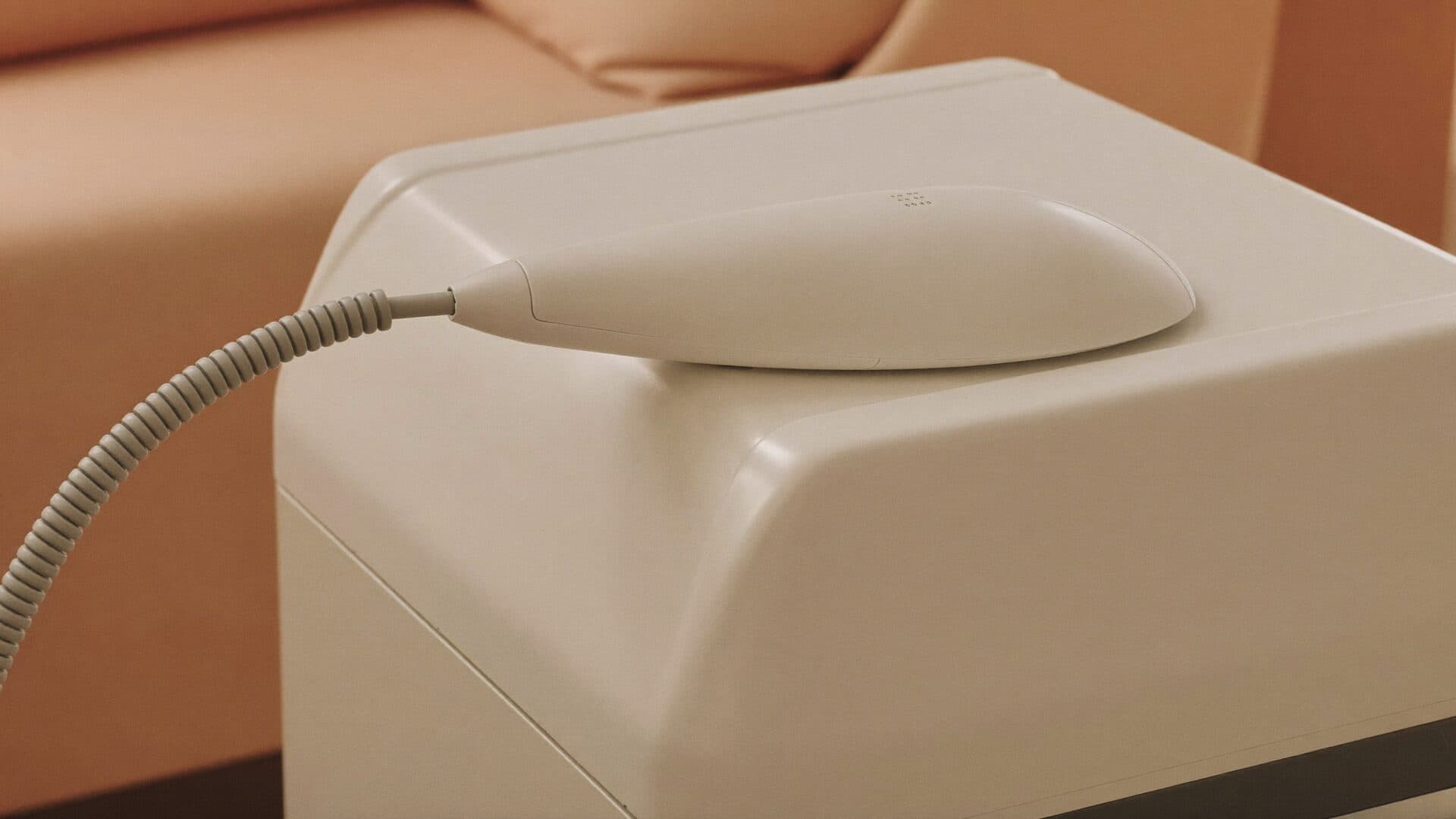
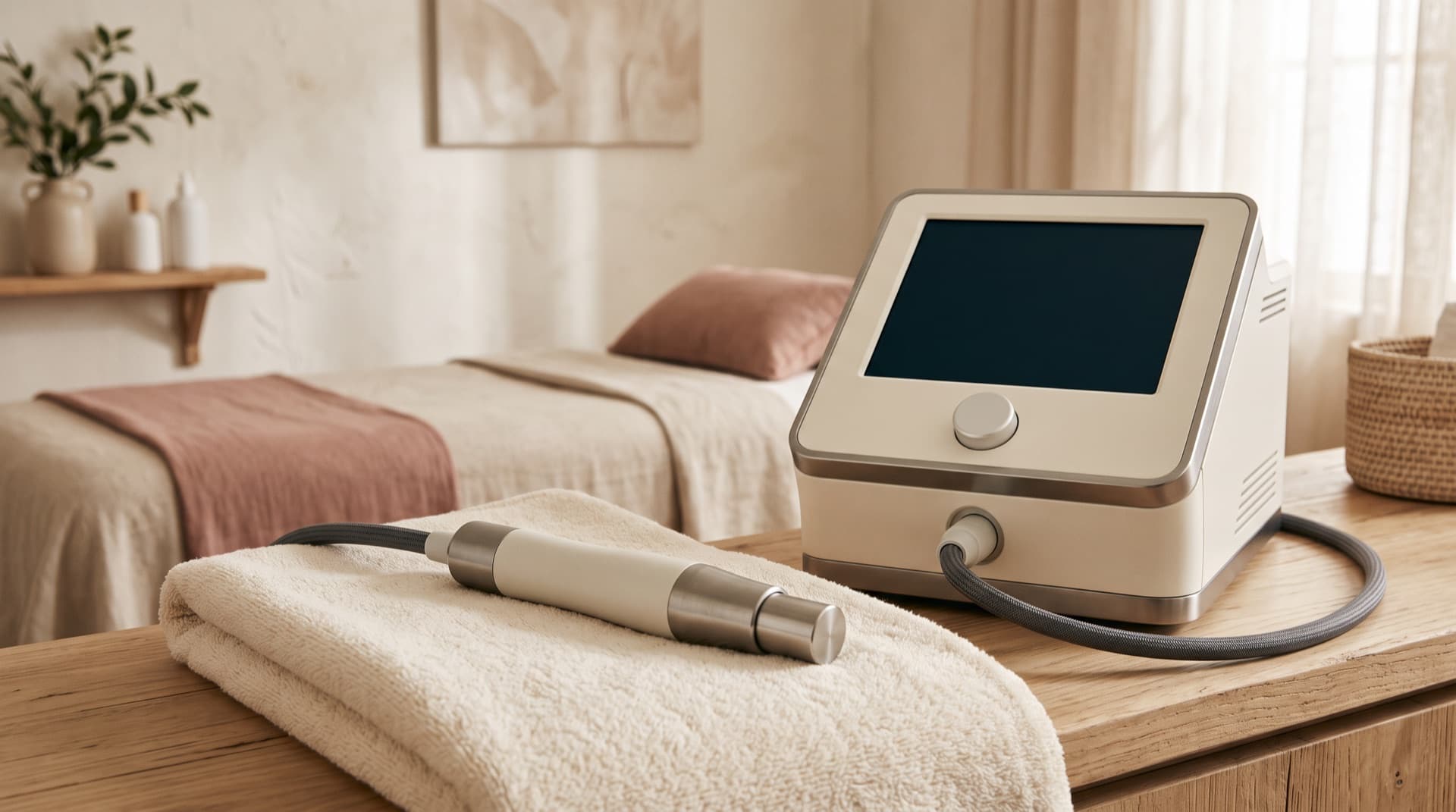
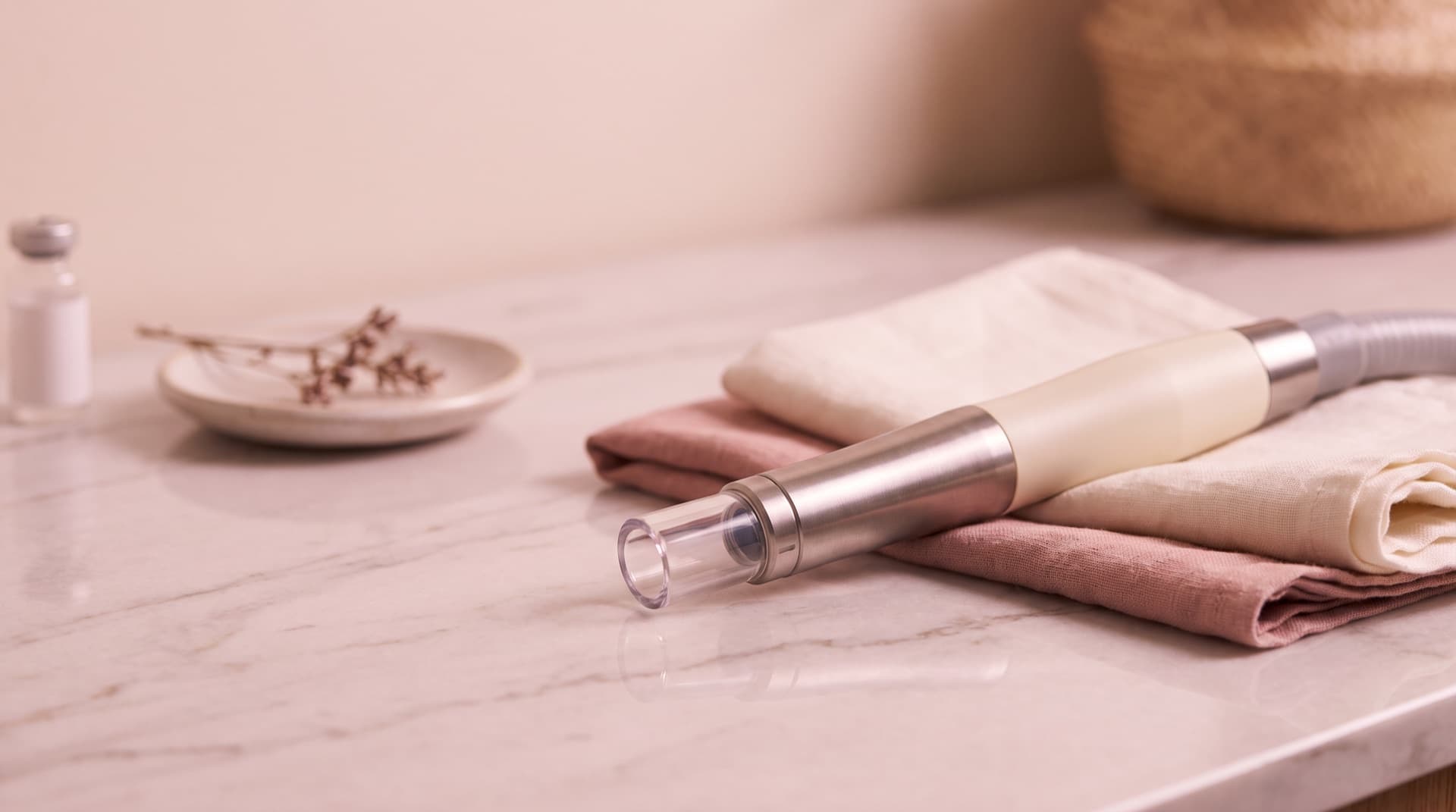
Vaginal fungal laser treatment is the process of giving controlled laser energy to the vagina's inner wall through a thin head. The goal is not to kill the fungal cell directly, but to change the conditions that prepare the ground for infection by improving the structure of the mucosa. Therefore, the method does not replace antifungal drugs; It is positioned as a complementary practice that supports their effect.
The practice is done in practice conditions, requiring no hospitalization. The procedure takes a few minutes, and most women describe only a slight warm-up sensation during the procedure. It can return to daily life the same day after the procedure; However, it is requested that sexual intercourse be interrupted for several days.
The method is not recommended for every patient. The priority candidate group is women who have suffered four or more fungal attacks in the past year, responding to standard antifungal treatment but soon recommencing. Patients whose complaints increase due to thinning of the mucosa during menopause are also taken into this assessment.
In contrast, lasers are not considered in a patient who has had a fungal infection for the first time and recovers smoothly with the drug. If the source of the symptoms is bacterial vaginosis, trichomonas, or contact-induced irritation, not fungi, then the correct diagnosis is first made and the appropriate treatment is given to that table. No practice with a misdiagnosis results.
Working Principle of Laser Technology
The fractional laser transfers energy into the tissue in the form of microscopic dots instead of a single wide beam, where the intact mucosa remains untouched between these points and healing travels rapidly through these robust areas. Controlled heat warning triggers collagen production in connective tissue and regeneration of the epithelial on the surface.
As the mucosa thickens and the vascularization increases, the vagina's own defensive balance is strengthened. In a healthy vaginal environment, lactobacyl bacteria are dominant and maintain the acid balance of the medium. When this balance is disrupted, the fungus finds a suitable ground for breeding; The laser's target point is precisely to correct this floor.
Increased vascularization also increases the amount of oxygen and nutrients transported into the tissue. The practical equivalent of this is that the mucosa remains more moist and more resistant to external factors. As the dryness subsides, both the sensation of itching and the micro-crack formation on the surface declines; As the fracture decreases, the surface on which the fungus will hold also narrows.
It is necessary to draw an honest limit here: studies on the location of the vaginal laser in recurrent infections are ongoing, and the level of evidence is not as strong as antifungal drugs. Therefore, the practice is not recommended alone without medication being regulated and the cause of the recurrence being investigated.
Difference from Traditional Methods
In classical treatment, the priority is antifungal creams, vaginal rubs, and oral medications when necessary. These drugs quickly extinguish the discharge attack, reducing the patient's itching and discharge complaints in a short time. In recurrent cases, however, the painting may start again after the drug is finished, as the mucosa itself is still fragile.
The difference in laser application is that it targets the floor, not the attack. It does not completely eliminate drug use, but it can help reduce the frequency of attacks and the need for medication in some patients. The table below puts two approaches side by side.
Another difference is the frequency of implementation. While medication is restarted at each attack, the laser consists of a limited number of sessions scheduled at certain intervals. This provides a practical convenience for patients who do not want to take medication for long periods of time; However, this ease does not mean that the method is superior to the drug.
Method: The form of application; The leading direction; Border
Antifungal cream and rub: Vaginal path, a few days; Rapid relief in the current attack; It does not prevent repetition alone.
Mouth-to-mouth antifungal: Tablet, with a physician's scheme; Effective in common and resistant phenomena; Liver and drug interaction should be monitored
Vaginal fractional laser: In the practice, a few minutes; It supports the regeneration of the mucosa; The level of evidence is yet limited, does not replace the drug
Probiotic and media support: Oral or vaginal; Contribution to flora balance; It may be inadequate alone.
Laser Treatment Options in Samsun
The number of centers performing genital laser application in Samsun has increased in recent years. What is decisive in terms of the patient is that rather than the device itself, the physician performing the application has made the gynecological assessment complete. Every application that is done without distinguishing whether the discharge is a fungus, bacterial vaginosis or any other factor is incomplete.
Different purposes are collected under the genital laser head. With the same device, applications can be made to separate tables such as vaginal laxity, dryness, mild urinary incontinence and recurrent infection. If it does not become clear from the beginning which table you are applying for, the energy setting applied will not be set to your destination.
Therefore, the first step is simple but decisive examinations such as culture and microscopic examination. If there are factors that feed on recurrence, such as diabetes, immunosuppressive drug use, or frequent antibiotic use, they are dealt with first.
The evaluation of the spouse is raised in some cases. Treatment of the partner in recurrent fungal infections is not a routine practice; However, if the spouse has complaints such as itching, redness, or if the table is persistently repeating, this possibility is reviewed. The decision is made by looking at the culture outcome and the clinical picture.
Our Clinic and Physician Assessment
Our practice is in Cumhuriyet Mahallesi, Atakum, Samsun. Appointment hours are 09.00–19.00 on weekdays and 10.00–16.00 at weekends. A detailed history is first taken for each patient presenting with recurrent infection symptoms, including when the symptoms began, the treatments received and the response to each.
The hygiene products you use at the first meeting, your underwear habits, your birth control method and diet are also asked. Although these details may sound small, they are often decisive in recurrent infections. Leaving a single behavior, such as the vaginal shower habit, reduces the frequency of attacks visibly in some patients.
An experienced Samsun obstetrician The important thing for patients in search is not that the laser is presented as a service pen, but that it is said to be really necessary. This method is not recommended to the unfit patient; The treatment plan is maintained by medication regulation and lifestyle recommendations.
Technical Features of Laser Device
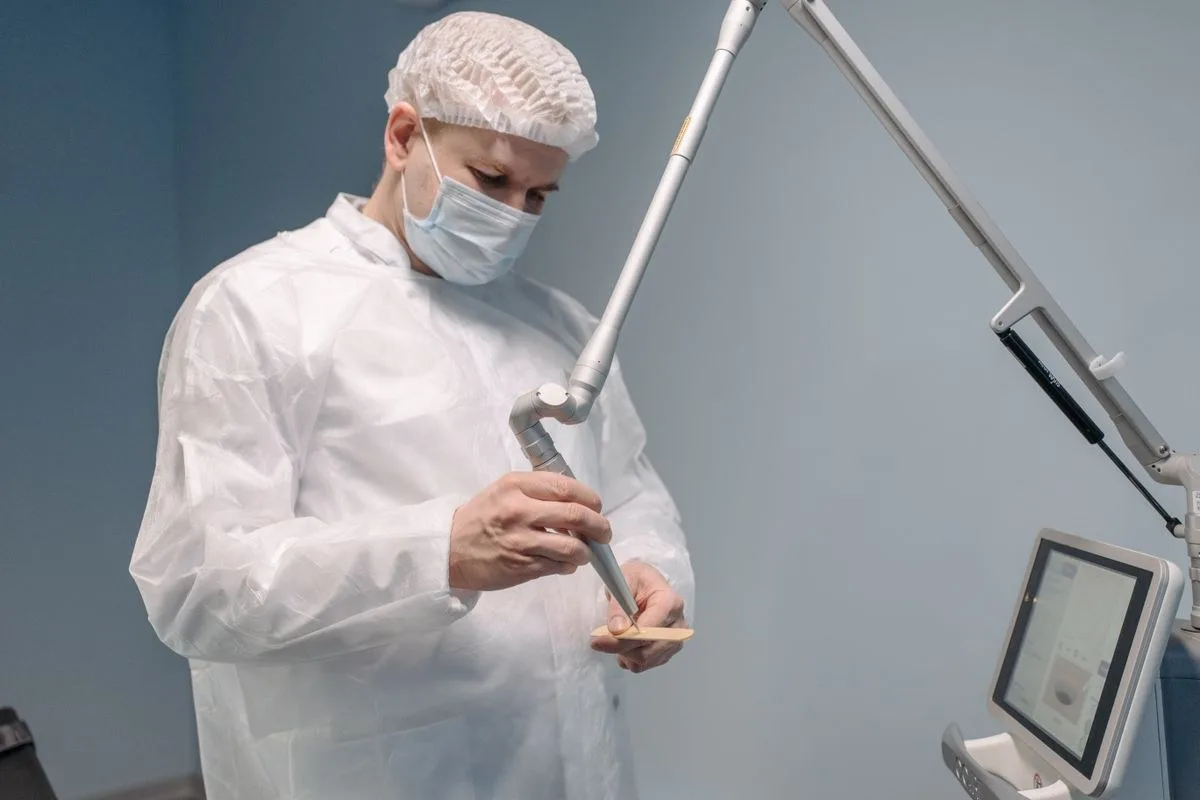
In gynecological applications, two wavelengths are usually used. The carbon dioxide laser operates at a wavelength of 10,600 nanometers and leaves its energy in the layer near the surface. The Erbium-YAG laser operates at 2,940 nanometers, has higher absorption into the water and is more limited in heat dissipation.
In both systems, the vaginal cap is designed to distribute energy evenly across the wall. The level of energy to be applied, the duration of the pulse and the density of the point are adjusted according to the patient's mucosal thickness and convergence. There is no standard setting; These parameters determined by the person determine both the effectiveness and safety of the process.
More than the brand of the device, it is determining how experienced the physician is with that device. In inexperienced hands, the same system is either incapacitated by insufficient energy or damages tissue with excess energy. It is your natural right to ask your physician what wavelength will be used before the application and why this preference is.

Risks and Contraindications of vaginal yeast infection Laser Treatment
Vaginal laser is a well tolerated procedure in the right patient and when applied in the correct setting. However, like any medical procedure, there are its own risks and they need to be discussed in advance. The most common conditions are transient: mild discharge lasting several days, burning sensation and tenderness in the area.
More sparsely seen but taken seriously, conditions include bleeding, superficial injury to the mucosa, and development of adhesion during recovery. The high energy given the wrong setting can lead to scar tissue formation in the tissue rather than healing. Therefore, it is important that the practice be done by a physician who dominates gynecologic anatomy.
The risk of infection should also not be ignored. Even if the procedure is performed in sterile conditions, the mucosa in the recovery process is more open to external factors. During this period, avoiding pool, sea and bathtub use, preferring pads instead of tampons, significantly reduces this risk.
If there is fever after the procedure, foul-smelling discharge, increasing pain or non-stop bleeding, the physician should be consulted without waiting. These symptoms are not uncommon in the healing process.
Health Conditions to Check Before Treatment
Pregnancy is not an appropriate period for vaginal laser application. If there is an active and untreated infection, then that infection is treated first; no lasers are given during the flaming period. During menstruation, the procedure is delayed.
If the cervix scan is not up-to-date, a smear and HPV test are completed first if necessary. If there is an abnormal outcome, the priority is to investigate that finding. In patients treated with cancer or receiving radiotherapy to the area, the practice requires a separate assessment.
Patients with clotting disorder or taking blood thinners are interviewed with the relevant physician prior to application. In the postnatal period, the locusts are expected to be completed and the mucosa is hormonally balanced. The breastfeeding period is also evaluated because it thins the mucosa, and during this period the application is often delayed.
Pregnancy or suspicion of pregnancy
Active, untreated vaginal or urinary tract infection
Periods of menstrual bleeding and intermediate bleeding
Outdated cervical screening or an abnormal screening result
Uncontrolled diabetes and immunosuppressive treatments
A history of radiotherapy applied to the region
vaginal yeast infection Laser Treatment Process
The process begins with an examination. The physician listens to the complaint, performs a gynecological examination and receives the necessary samples. When the culture results, it is confirmed that the factor is actually fungi; Because there are other paintings that give similar convergence, and their treatment is different.
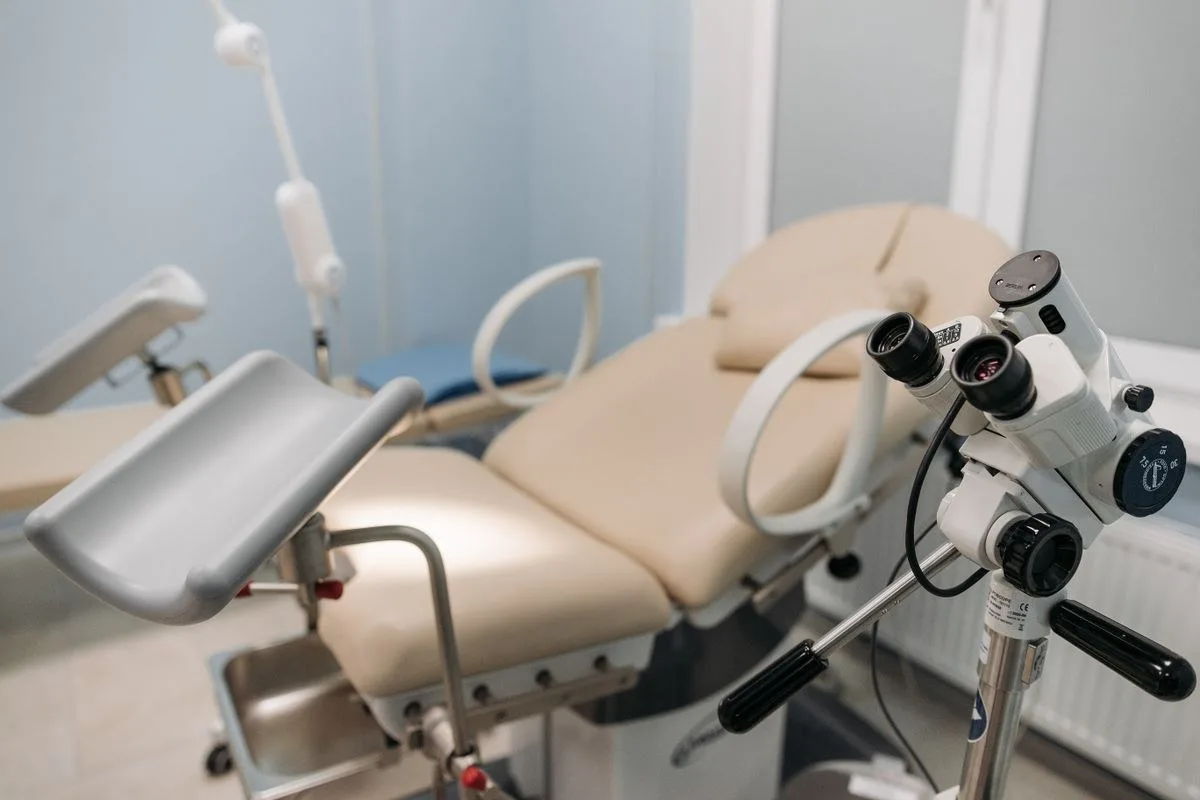
No special preparation is required on the day of implementation. Before the procedure, the area is cleaned, the patient is taken to the gynecological table and the vaginal head is placed. The headgear is slowly rotated, giving equal energy to the entire wall. This stage is mostly completed in three to five minutes.
General anesthesia is not required. In very sensitive patients, a superficial effective gel can be applied to the area. When the procedure is finished, the patient will rest briefly and return home on the same day; there is no harm in driving or returning to work.
During the procedure, the environment is kept calm so that the patient feels comfortable and each stage is described beforehand. The patient who knows what to feel is less of a muscle; This improves both comfort and the equal distribution of energy to the wall. The requesting patient may continue to speak with the physician throughout the procedure.
In the first days after the procedure, it is desirable to wash the area with only water, shower, avoid the tub and pool. The physician determines when to begin sexual intercourse; This period is usually several days. Preferring cotton underwear and ample clothing makes it easier to heal.
Activities requiring heavy exercise, cycling and prolonged sitting are postponed on the first days. No perfumed wet wipes, vaginal showers and cleaning products applied to the interior area. If your physician deems it necessary, he or she may recommend a supportive moisturizer or care product for this period.

Treatment Results and Expected Recovery
The effect of the vaginal laser is not an immediate effect. The regeneration of the mucosa is a biological process and takes weeks. Therefore, establishing the expectation from the beginning correctly is the most important factor that determines the patient's satisfaction with the process.
Results vary from person to person. While dryness and itching are significantly reduced in some patients, some patients need to be supported with additional treatments. No method can make a firm promise that the fungal infection will never be seen again; The honest goal is for attacks to become sparse and improve quality of life.
The most important variable that determines the outcome is whether the underlying cause of the repetition is resolved. In a patient whose blood sugar is not controlled, the better the mucosa, the more attacks may take. Therefore, the laser should be considered as part of the plan, not as a whole of the treatment plan.
When Do First Symptoms of Recovery Be Seen?
There may be a slight feeling of discharge and temperature in the first days; This is an expected table that shows the beginning of healing. Visual relief in complaints such as itching and burning is usually reported within a few weeks of the first session.
Tissue regeneration takes longer to mature, as the effect of collagen making takes several months to settle, so evaluation is performed at the check-up appointment determined by the physician, not immediately after the procedure.
Recording your complaints in short notes during this process facilitates a control examination. Details such as which days the itching increases, the color and consistency of the discharge, whether there is pain during the relationship provide concrete data in assessing whether the treatment works.
Number of Sessions Required for Permanent Result
The practice is not limited to one session. The common approach is a sequence of sessions, which are between them for several weeks. The number of sessions is determined based on the patient's response to the mucosa, severity of his or her complaint, and first session.
The word "permanent" does not mean a lifetime here. Over time, complaints may return, especially when factors such as hormonal changes and repeated use of antibiotics are activated. The physician may schedule a reminder session at certain intervals when necessary.
Leaving the sequence of sessions in half directly affects the result. Only one of the scheduled sessions is performed, meaning leaving the tissue before it completes its regeneration process. Compliance with the appointment intervals is important in terms of getting the expected benefit from the application.
Conclusion
Samsun vaginal fungus laser Treatment is an application that supports medication treatment in women with recurrent fungal infection, which can provide meaningful benefit in the right patient. The strength of the method and its limit are gathered in the same place: it heals the ground, but it does not promise that the infection will never happen again.
If you have repeated discharge, itching and burning complaints several times a year, the first step to take is not lasers, but accurate diagnosis. Once the cause of the table is clear with the examinations and examinations, the appropriate treatment plan for you is determined together. You can contact our office for appointment and detailed information.

Original Turkish content prepared and reviewed by
Prof. Dr. Aşkı Ellibeş Kaya
Specialist in Obstetrics and Gynecology
Last updated: 28 August 2026
The content on this page is intended for informational purposes; the diagnosis and treatment decision is made only with your physician after the examination.
The information on this page is for general informational purposes only and does not replace medical advice, diagnosis or treatment. Each patient's condition is different; the method and process to be applied is determined only by the physician after examination and evaluation.
Frequently asked questions
No, the procedure is usually not painful. Most patients describe only a slight warm-up and feeling of pressure. In patients with high sensitivity, a superficially effective gel can be applied to the area; No general anesthesia is required.
Related Services
Other topics under the title Laser Applications.


Start with an appointment
Let us determine the day and approach that best suits you. Your consultations are conducted on a privacy basis.