
Samsun Vaginal Dryness Treatment
Vaginal dryness is common, especially during menopause, and affects quality of life. Hormonal and non-hormonal options are evaluated.
Samsun vaginal dryness treatmentIt covers all of the applications aimed at restoring moisture and flexibility of vagina tissue. This is how developing dry complaints due to menopause, postpartum period, and certain drug uses can be alleviated. The appropriate method is determined by examination of obstetrician and obstetrician.
Vaginal dryness is a problem that is often noticed late because it is shy of being talked about. However, most women experience this complaint at some point in their life, and the frequency after menopause increases markedly. It is not a situation to be quietly endured; treatable.
Treatment is not just a single method. There is a range of options ranging from simple humidifiers to local hormone applications, vaginal laser to supportive treatments. Samsun Atakum Hospital Prof. Dr. Aşkı Ellibeş KayaOf these options, it determines what suits you based on the reason for your complaint.
What is vaginal dryness?

Vaginal dryness is a painting that occurs when the vagina wall cannot produce natural moisture and the tissue is thinned. Healthy vagina mucosa constantly produces a lubricant secrete; This secretion provides both comfort and protects the tissue from external factors.
The production of this outbreak is largely dependent on the hormone estrogen. When estrogen levels drop, the mucosa thins, blood flow decreases and moisture production declines. The tissue becomes more fragile; even small frictions can cause irritation.
Intimidations are not limited to the feeling of dryness. Itching, burning, pain during intercourse, recurrent urinary tract infections, and frequent urination may also be part of the same table. When these findings are seen together, menopause in medicine is called genitourinary syndrome.
This table is not only specific to the menopausal period. The estrogen level naturally remains low after birth and during breastfeeding; similar complaints occur during this period. After breastfeeding, the painting often resolves spontaneously.
Some medications can also lead to dryness. Allergy drugs, some antidepressants, contraceptive methods and anti-hormone drugs used to treat breast cancer are counted in this group. Chemotherapy and radiotherapy applied to the pelvic area also directly affect tissue.
There are also reasons that are not related to hormones. Smoking disrupts tissue blood; Hard soaps, vaginal showers and perfumed hygiene products disrupt the natural balance. Diseases that affect glands, such as Sjögren's syndrome, can also dry.
When Is Treatment for Vaginal Dryness Needed?
The treatment decision is not given to the finding of an examination, but based on how much the complaint affects daily life. While the mild and occasional dryness can be managed by simple measures, sustained complaints require medical treatment.
Pain during intercourse is the most common reason for application. Pain over time leads to avoidance of relationship; Avoidance exacerbates pain by increasing muscle tension. The sooner this cycle breaks, the easier the treatment will be.
Recurrent urinary tract infections are another important indicator. Behind frequent recurrent urinary tract infections following menopause are often thinned and vulnerable mucosa. In this case, antibiotics alone will not be enough.
Continuous itching and burning are also symptoms that require treatment. However, these complaints can be confused with paintings such as fungal infection, eczema-like skin diseases and lichen sclerosus. Therefore, a differential diagnosis is made before the diagnosis of dryness.
If there is bleeding, the priority changes completely. Every bleeding seen after menopause should be investigated in detail before it is bound to dry. Evaluating the intrauterine layer is the first step in this case and cannot be skipped.
In some patients, the preventive approach comes up even if it is not close. In patients who have begun treatment for breast cancer or have reached early menopause, plans may be made early to maintain tissue health.
Who Is vaginal dryness Treatment Suitable for?

The treatment is suitable for women of all ages who have dry complaints and are confirmed by examination. The approach itself varies from patient to patient; Not everyone is recommended the same method.
The first step is vaginal moisturizers that are available over-the-counter and lubricants that are used before intercourse. When these products are used regularly, they relieve a significant portion of mild and moderate-intensity complaints. They should not be underestimated because they are simple.
The second step is low-dose hormone treatments that are administered locally. The evidence for the effectiveness of this treatment is the strongest. In local practice, absorption is limited; Nevertheless, the decision to use it is made by the physician according to the patient's story.
Vaginal lasers are brought up in patients where these two steps are not sufficient or applied. It creates an important option, especially in the patient group, who cannot use hormone-containing treatments; Women with a history of breast cancer are the most well-known example of this group.
It is necessary to draw an honest framework here: research is ongoing on the location of the vaginal laser in this area, and the level of evidence is not as strong as local hormone therapy. Therefore, the method should be presented as an option to evaluate in the appropriate patient, not as a miraculous solution.
There are also supportive applications. Fillings containing hyaluronic acid and plasma rich in platelet prepared from one's own blood are preferred in some patients. These methods are also discussed not alone, but in a holistic plan.
Approach: How to use it; The leading direction; Point to note
Moisturizing and lubricant: Regular or pre-relationship; Over-the-counter, easily accessible; Its effect is temporary, it does not alter the texture
Local low dose hormone: Vaginal cream, rub or ring; The level of evidence is the strongest option; A physician assessment and follow-up is required
Vaginal fractional laser: In the practice, the session sequence; Option for those who cannot use hormones; Evidence is improving, cost is high
Hyaluronic acid application: In the practice, in the form of fillings; Hormone-free moisture support; Its effect decreases over time, it needs to be repeated
Lifestyle arrangement: Daily habits; Increases the effect of other treatments; It is often inadequate alone.
Pre-Preparation and Contraindications before vaginal dryness Treatment
The purpose of the preparatory phase is to clarify the answer to two questions: what is the cause of the dryness and is the planned method safe for this patient? These two questions are not implemented until they are answered.
The first step is to get a detailed story. The history of the last menstrual period, the duration of menopause, the medications used, past surgeries, and if any, the history of cancer treatment are recorded. Complaints about sexual life are also a natural part of this consultations.
Gynecological examination assesses the thickness, color and humidity of the mucosa. If the cervix scan is not discharge, smear is taken. If there is discharge, microscopic examination and culture are made if necessary.
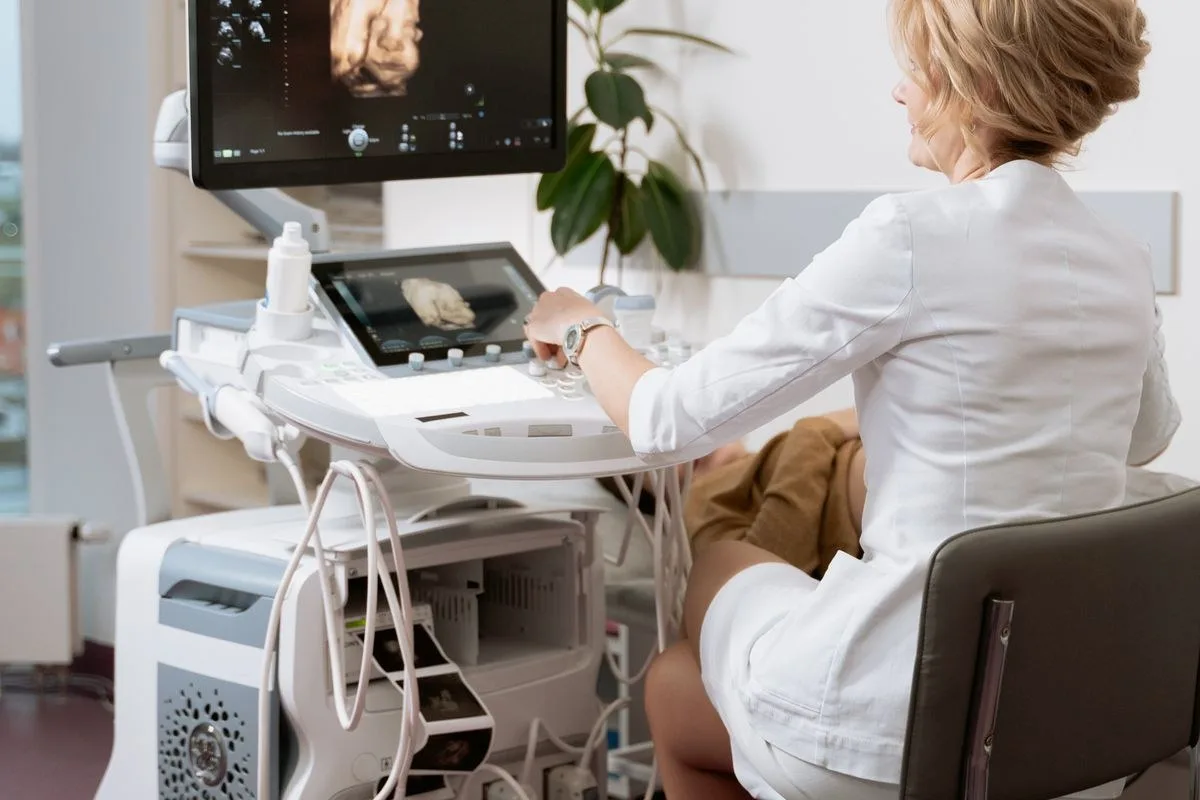
In patients with bleeding complaints, ultrasound measures the thickness of the intrauterine layer. If necessary, sampling is done from within the uterus. This step cannot be skipped; The diagnosis of dryness cannot be used to explain the cause of bleeding.
No special preparation is required before the day of implementation. You're not asked to come hungry, you don't have to take a break from your medication. Only a few days before the procedure is asked not to have a vaginal shower and not to use vaginal medication unless recommended by a physician.
Conditions Contraindicated to Treatment
No vaginal laser is applied during pregnancy. Likewise, if there is an active and untreated infection, the procedure is delayed; first the infection is treated, then the application is planned.
Unresearched bleeding is the absolute obstacle. If there is an abnormal smear or positive HPV result, the priority is to shed light on this finding. The practice should not cover up a finding that needs to be investigated.
Advanced sagging, active genital herpes attack, and a history of radiotherapy applied to the area are situations that require separate evaluation. In patients undergoing cancer treatment, the practice is planned by meeting with the physician conducting the treatment.
Pregnancy and suspicion of pregnancy
Active vaginal, cervical or urinary tract infection
Causes of unresearched vaginal bleeding
Abnormal smear or unevaluated HPV positivity
Active genital herpes attack
Advanced genital sagging
A history of radiotherapy applied to the region
Vaginal Board Treatment Process
The process usually spreads to two dates. Evaluations and examinations are completed on the first date, and practice is performed on the second. Based on the results of the study, the plan may change.
Our practice is located in Samsun Atakum and the appointment times are between 09.00-19:00 on weekdays and 10.00-16.00 on weekend. Knowing your last menstrual date when making an appointment makes planning easier.
Being shy when describing your complaint slows the process down. It directly determines when the dryness begins, in which cases it increases, and what you've tried so far. You do not need to worry about being tried in this meeting.
An experienced Samsun obstetrician The first meeting with the person is often started with simple measures. The laser is not a proposed method on the first day, but a stepping stone that comes into play when necessary.
First Examination and Consultation
The first examination is the most decisive step of treatment. The goal here is not just to confirm dryness, but to find out why. There may be different causes of hormonal, dermatological, or drug-related causes behind the same complaint.
It is useful to bring with you a list of all the medications you are using. In some cases, all that is needed is to replace the drug that leads to dryness by the physician. This simple step alone can provide marked relief.
The speculum used in the examination can cause discomfort in patients with dryness. Therefore, small size speculum and lubricant are used. If you feel uncomfortable, saying so will make the examination more comfortable.
At the end of the consultations, you are told the options and their expected effects. The decision is made together. It becomes clear at this stage which method will affect how long and what the cost will be.
In some patients, treatment requires no attempt at all. With the cessation of smoking, the replacement of hygiene products, and the regular use of moisturisers, the complaints significantly decline. In this case, additional application is not recommended.
Laser Application Stages
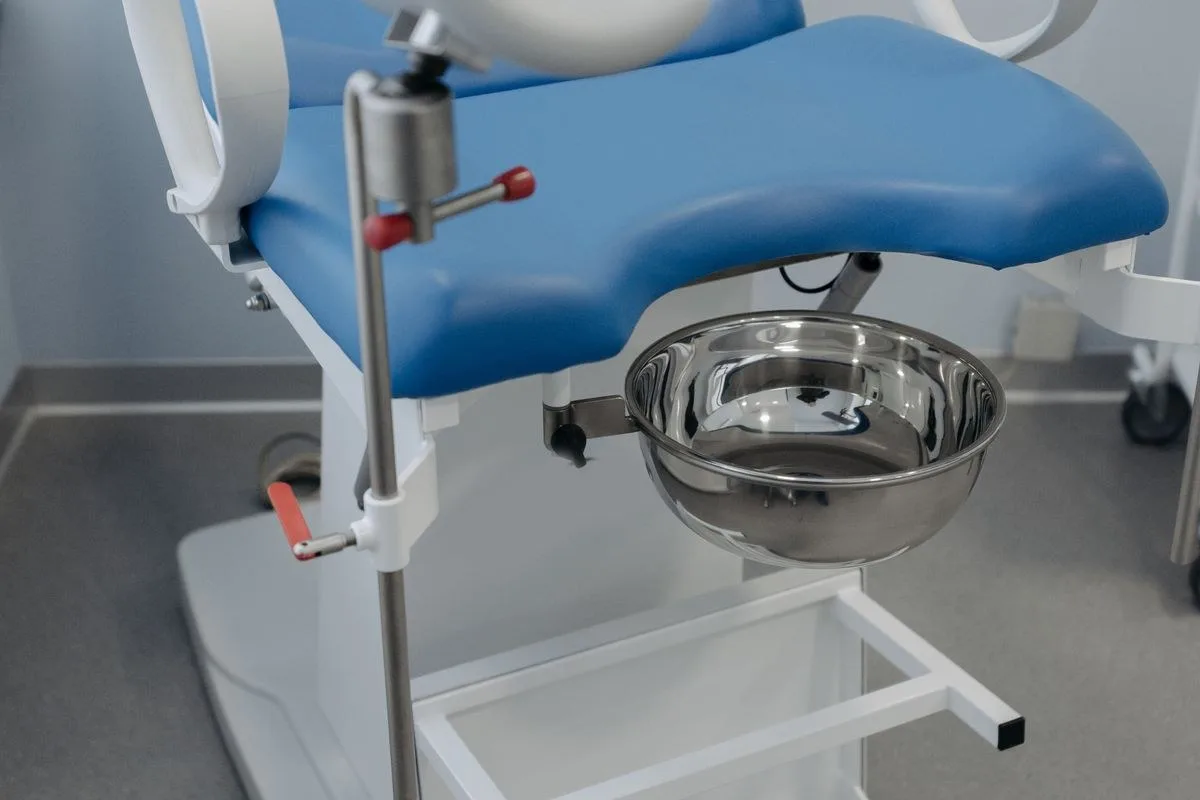
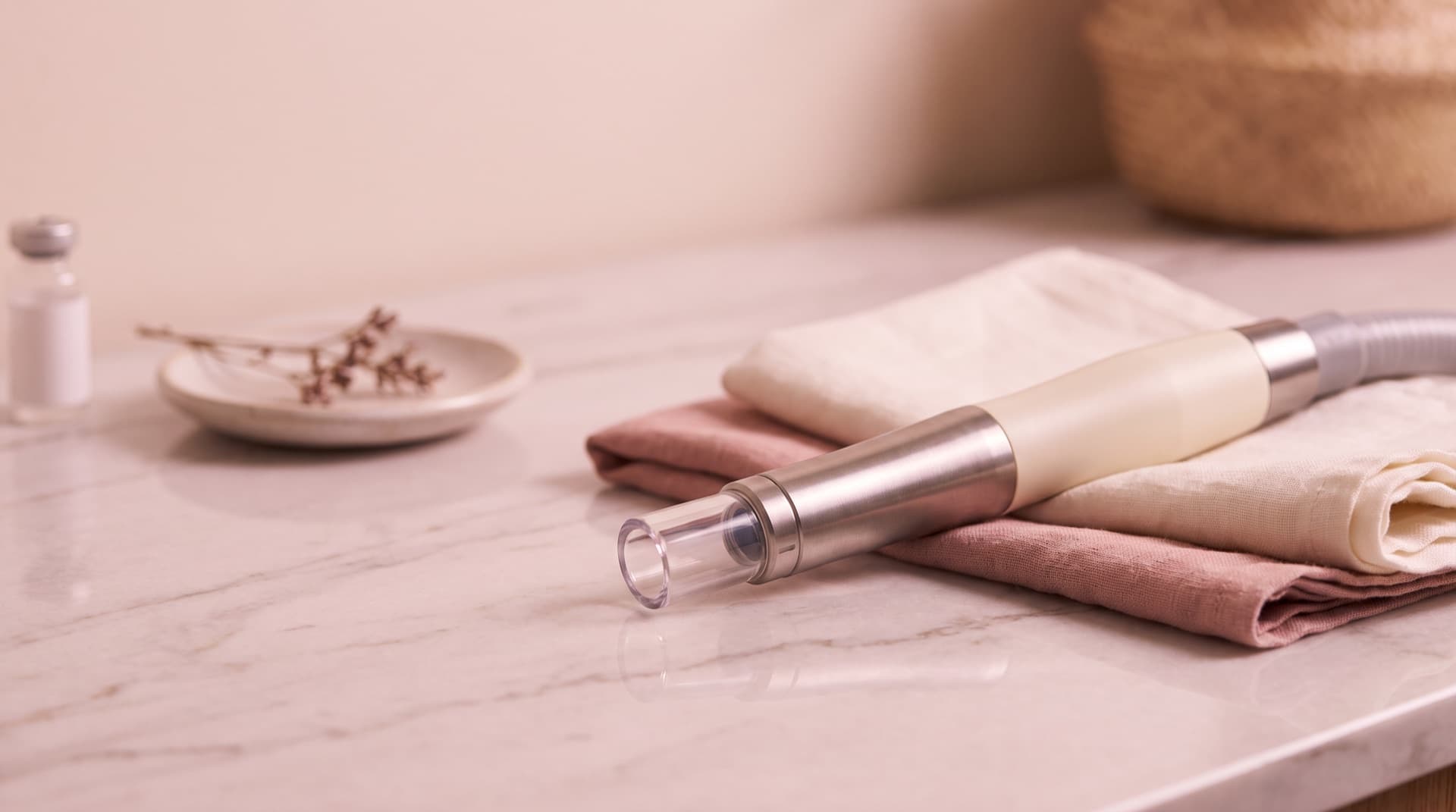
On the day of application, the patient is taken to the gynecological table. The area is cleared and the vaginal head is gently inserted. There may be a slight feeling of pressure during the placement of the head; Pain is not expected.
The title is gradually rotated and retracted to give equal energy to the vagina wall, where the energy determined at each level is applied, during which the patient describes a slight warm-up and vibrational sensation.
The level of energy to be applied is adjusted according to the mucosal thickness. It begins with low energy in thin and sensitive tissue; The setting can be updated according to the response of the tissue in subsequent sessions. There is no standard setting.
If there is an entrance to the vagina and a convergence in the outer region, a different heading is used for these areas. Because the sensitivity is higher in external area application, a superficially effective gel is applied if necessary.
The whole process is usually completed in fifteen to twenty minutes. General anesthesia is not required, and the patient stands up after a brief rest following the procedure.
The practice is not limited to one session. The common approach is a sequence of sessions, which are between them for several weeks. The number and intervals of sessions are determined according to the patient's response and planned from the beginning.
Care and Recovery Time After vaginal dryness Treatment

The post-processing recovery process is short and does not require special care. Nevertheless, following a few simple rules both improves comfort and makes it easier to get the expected result.
In the first days a slight discharge, temperature and mild sensitivity can be seen in the area. These findings go away on their own within a few days and are not a problem that needs to be treated.
During this period, bathing is done in the form of a shower; the tub, pool, sea and sauna are avoided. There is no vaginal shower and no vaginal medication is used unless the physician recommends it.
Your physician determines when to start a sexual relationship; this is usually several days.Continuing to use lubricant during a relationship after the period has expired provides comfort while waiting for the tissue to respond fully.
Activities requiring heavy exercise, cycling and long-term sitting are postponed on the first days. Preferring cotton underwear and ample clothing provides relief during this period.
Take a shower in the first days, stay away from the tub and pool
Do not shower vaginally, do not use perfumed hygiene products
Wait for the time given by your physician for sexual intercourse
Maintain the use of lubricant throughout the treatment
Prefer cotton and abundant underwear
Don't miss your session appointments
Treatment Effect and Expected Results
The effect of treatment does not appear instantly. The regeneration of the mucosa is a biological process and takes weeks. Therefore, establishing the expectation from the beginning correctly is the most important factor that determines the patient's satisfaction with the process.
In humidifiers and lubricants, the effect is immediately felt but temporary; When the use is left, the complaint returns. Significant relief in the treatment of local hormones usually begins within a few weeks.
The first changes in laser application are noticed as the sessions progress. Decreased feeling of dryness, relief of pain during intercourse, and feeling more flexible of the tissue are the most frequently reported results.
Results vary from person to person. The amount of time since menopause, how thin the mucosa is and the accompanying diseases directly affect the response. Two patients can respond differently to the same treatment.
No method sustains the effect permanently. Because the estrogen level remains low, the tissue tends to re-infuse over time. Therefore, care treatments are brought up in long-term planning.
It is important to underline one point: complaints about sexual life are not always due to tissue alone. Anxiety, relationship dynamics, and past pain experience also contribute to the table. Support for this dimension is also recommended if necessary.
Possible Risks of vaginal dryness Treatment
Practices are well tolerated when they are in the right patient and set correctly. Nevertheless, knowing the risks is necessary for the patient to make conscious decisions.
The most common conditions are transient: mild discharge, burning sensation and tenderness lasting several days. These findings are the natural part of the healing process and pass spontaneously.
The more rare but serious conditions are bleeding, superficial injury to the mucosa and the development of adhesion during healing.Unsuitable high energy can lead to scar formation in tissue rather than healing.
The risk of infection should also not be ignored. Even if the procedure is performed in sterile conditions, the mucosa during recovery is more susceptible to external factors. Avoiding pool and bathtub use during this period reduces the risk.
If there is fever, foul-smelling discharge, increased pain or non-stop bleeding, the physician should be consulted without waiting. These symptoms are not part of the expected healing process.
Conclusion
Samsun vaginal dryness treatmentIt requires a step-by-step approach from simple humidifiers to local hormone applications and vaginal lasers. The way to choose the right step is to clarify the cause of the symptoms with examinations and examinations.
Vaginal dryness is not a natural and acceptable consequence of age. If your symptoms affects your daily life or relationship, feel free to talk about it. You can contact our office for appointment and detailed information.

Original Turkish content prepared and reviewed by
Prof. Dr. Aşkı Ellibeş Kaya
Specialist in Obstetrics and Gynecology
Last updated: 26 August 2026
The content on this page is intended for informational purposes; the diagnosis and treatment decision is made only with your physician after the examination.
References
The following sources relate to the informational issues outlined by them. The personal diagnosis and treatment plan requires physician evaluation. Source texts are in English.
NHS
Vaginal dryness (opens in new tab)Related subject: Hormonal causes and evaluation of vaginal dryness.
Frequently asked questions
No, it can be seen at any age. Diseases such as postpartum and lactation period, certain drug uses, chemotherapy, and Sjögren's syndrome also lead to dryness. Therefore, age alone is not deterministic.
Related Services
Other topics under the title Laser Applications.

Start with an appointment
Let us determine the day and approach that best suits you. Your consultations are conducted on a privacy basis.