
Samsun Wart Burning
It is a method of cleaning warts by cauterization (burning). It is preferred based on the location and number of lesions.
Samsun wart burning The process describes the elimination of benign wart tissue by heat or cold energy. The practice is performed under the supervision of a physician, in practice conditions, and is usually completed in a single session. Method selection; It is determined by the type, size and region of wart.
There is only one process that comes to mind when it's called wart burning among the people, whereas under this heading there are different techniques: laser evaporation, cauterization by electric current, freezing with liquid nitrogen and applying radiofrequency. The common purpose of all is the same, their paths are different.
Genital and mascara environment warts, women's diseases and enter the evaluation area of the obstetrician who accepts patients at his practice in Samsun Atakum Prof. Dr. Aşkı Ellibeş Kaya, evaluates lesions in this area by examination and necessary examinations; is directed to the dermatologist for warts in other parts of the body.
What is Wart Burning?
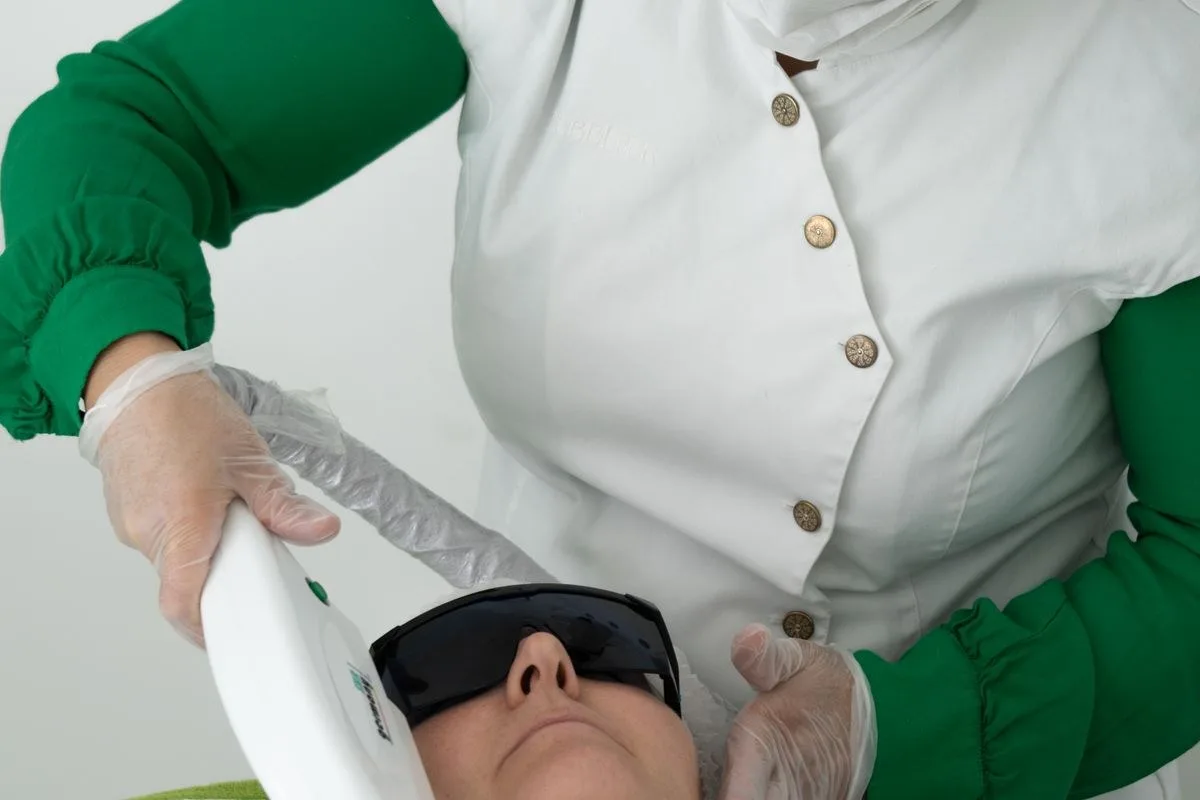
Wart burning is the process of eliminating the lesion by destroying it with a controlled energy. Energy disrupts the structure of cells in tissue; The tissue either evaporates instantly or is shed by shelling within a few days.
Warts are caused when the human papilloma virus settles into skin and mucosal cells, causing them to overpopulate. They may be fluffy, rough or flat in appearance from the surface. The most common type in the genital area is the condillom, known for its cauliflower-like appearance.
The process also eliminates the vascular structure that feeds the wart. Thus, the tissue is stopped feeding and the lesion is permanently removed. This is a different approach than just scraping the surface.
There is a limit here to be clear: the burning process removes the visible lesion, does not wipe the virus out of the body. The virus can remain in the normal-looking skin around. Therefore, it is possible to remove new lesion after the procedure, and this does not mean failure of treatment.
Still, treatment is necessary. Clearing lesions reduces the risk of infection, removes irritation from itching and friction, improves a person's daily comfort. The immune system suppresses the virus over time; Treatment opens up space for this process.
Wart Incineration Treatment Coverage
The scope of the treatment includes all lesions detected in the examination. It is not enough to clean only the prominent large lesions; Small and newly started lesions in the surrounding area are also dealt with in the same session.
Therefore, the examination is as important as the procedure. The evaluation under good light and with magnifying examination if necessary allows for the presence of lesions that may be overlooked. A small lesion that is omitted will soon grow again.
The patient's story also plays a role when determining coverage. What treatments have been tried before, whether or not they have received results and how long it has been repeated directly affects the method to be chosen this time.
Wart Treatment with Laser Technology
In laser wart treatment, the most frequent carbon dioxide laser is used. This wavelength is strongly absorbed into the water in the tissue; The water inside the target cell heats up rapidly and the cell evaporates away.
The most obvious advantage of the method is depth control. The lesion can be removed before descending into healthy tissue, as it can be adjusted to which layer to work. This feature is the main factor that makes laser stand out in sensitive areas.
The laser also closes small vessels with heat. In this way, the bleeding during the procedure decreases and the application is completed without requiring stitches. Keeping the field of view clean also increases the accuracy of the work.
Another advantage is that large areas can be processed in a single session. In patients with numerous lesions, the duration of treatment decreases from weeks to one day. This is a distinct practical advantage over methods requiring repeated appointments.
Treated Wart Types
The most common type of condillom in the genital area, i.e. genital warts, begins in small blisters, which can combine over time to take a cauliflower appearance. The external genital area can be seen around the vagina entrance, the cervix and the mascata.
Plain warts are less fluffy and less noticeable, sometimes distinguished only by the difference in color, and are coincidentally present during examination. This type of lesion is treated in the same way.
In the groin and inner leg region, there are also frequent skin extensions with a handle. Some of these are benign skin tags that develop due to friction, not warts. They need to be distinguished because they are different in terms of infection and follow-up.
Warts in the hand, foot and face area fall within the field of the dermatologist. These lesions are associated with different types of viruses, and treatment approaches are different. In such a case, correct branching is directed.
Method: The mode of effect; The situation in which it is appropriate; Point to note
Carbon dioxide laser: Evaporates by heat; Common, resistant and sensitive area lesions; Requires device and experience
Electrocoterization: Burns with heat of electric current; Thick and stem lesions; Heat propagation is wider
Cryotherapy: It freezes with liquid nitrogen; A small number, small lesion; It usually takes a few sessions.
Radiofrequency: High frequency wave energy; Medium-sized lesions; Extended time in large areas
Surgical inference: It takes the lesion by cutting; Very large or suspicious lesions; Recovery time is longer
Who Is Wart Burning Suitable for?

The procedure is suitable for patients of all ages who have been diagnosed with warts by examination and have an indication of treatment. There is no specific age limit; What is decisive is the type, location and overall health status of the patient.
Inflammation methods are prominent in common, rapidly increasing lesions that do not pass through with cream treatment. In areas that cannot be applied cream, such as the vagina interior, cervix circumference and mascara environment, physical methods are already the only option.
Prior to the procedure, the cervix scan is requested to be current. Although the types of viruses that cause genital warts are low-risk, it is possible to have high-risk types in the same person. Therefore, smear and HPV testing are part of the plan when needed.
Biopsies are taken first in lesions whose appearance is not typical, which grow rapidly, bleed or change color. Since the burn process removes tissue, the sample should be taken before this procedure if there is a lesion to be examined.
In some cases, the procedure is delayed. The practice in pregnancy is planned with the physician performing the pregnancy follow-up. If there is active infection, uncontrolled diabetes and bleeding clotting disorder, these tables are discussed first.
Wart Burning Process Steps
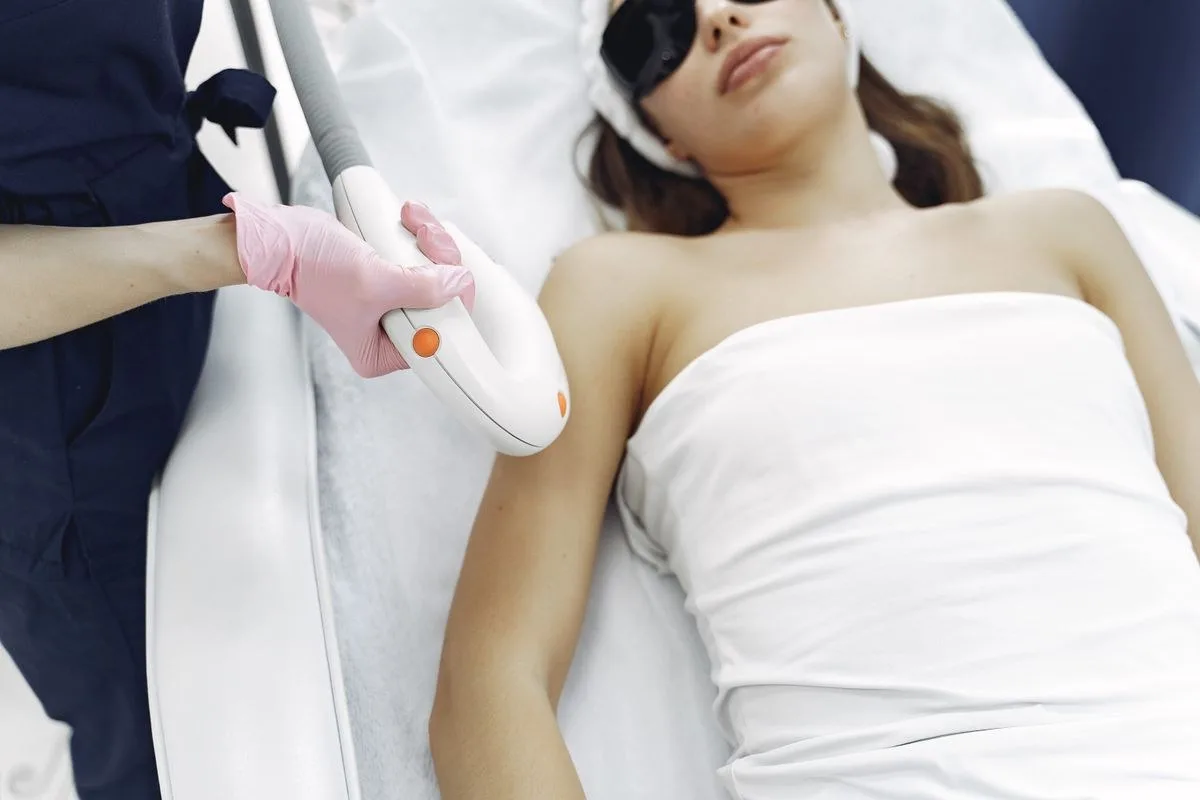
The process consists of three steps: assessment, implementation and monitoring. In most patients, assessment and practice can be performed on the same day; If the examination is required, the application is left for the second appointment.
Our practice is located in Samsun Atakum and the appointment times are between 09.00-19:00 on weekdays and 10.00-16.00 on weekend. Remembering when your complaint started while making an appointment speeds up the evaluation.
The follow-up step is often omitted, whereas it is the most decisive part of the process. Early detection of newly hatched lesions makes treatment both easier and cheaper.
Initial Counseling and Skin Examination
The first consultations asks when the lesions are noticed, whether there is itching or bleeding, and what treatments have been tried before. The medications you use and, if any, the diseases that affect immunity are recorded.
The examination is done in a good light. The outer genital area, pubic, inner leg and mascara are systematically examined. If deemed necessary, magnifying examination and cervix evaluation are added.
At this stage, you are told what method is recommended for you. The expected outcome, recovery time and likelihood of recurrence are clearly discussed. Asking your questions in this consultations will prevent you from having any hesitation on the day of the transaction.
At the end of the evaluation, some patients do not undergo immediate procedures. Short-term follow-up may be recommended if the lesion is too small and does not create a convergence; some lesions spontaneously recede with an immune response.
Laser Application and Treatment Time
On the day of application, the area is cleared and pain control is provided. In most cases, the anesthetic cream applied to the area is sufficient; It is applied about half an hour before the procedure to make the cream work.
If the lesions are deep or numerous, local anesthetic is applied to the area. In the meantime, there may be a slight burning sensation lasting several seconds; The area then completely numbs and the process is not felt.
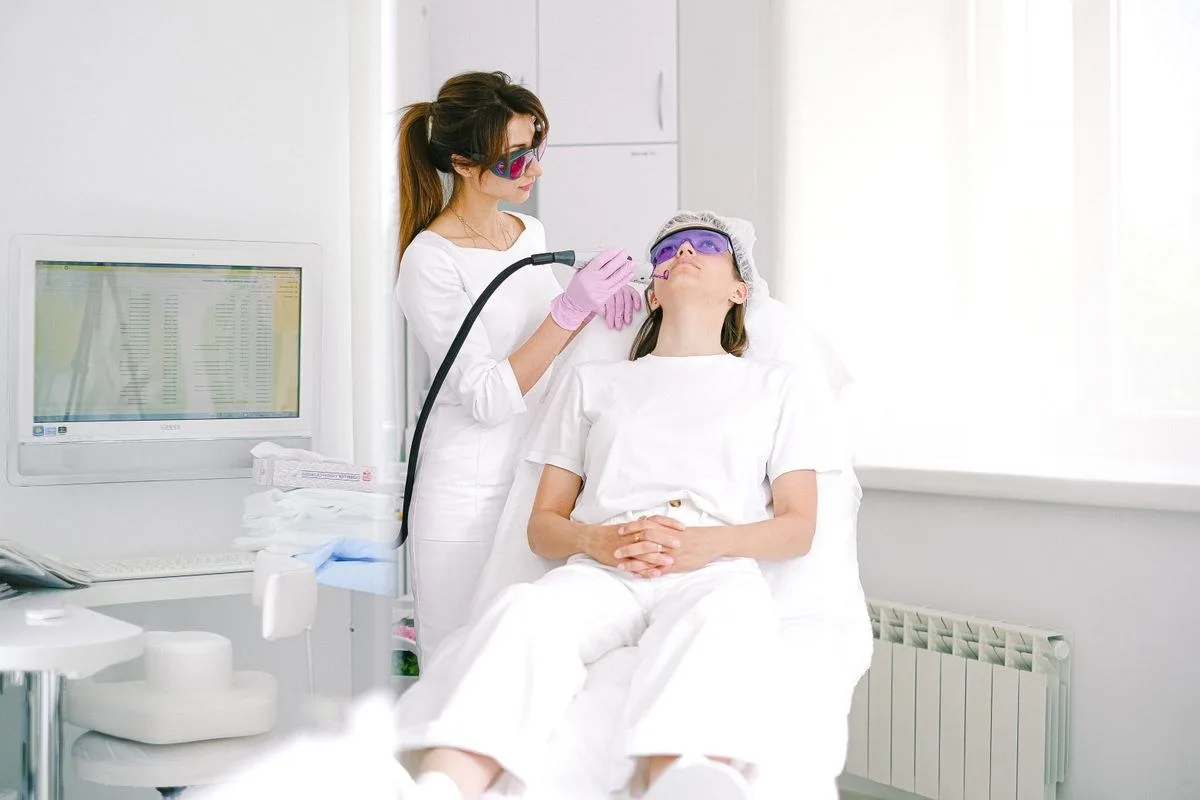
The laser head is directed over the lesion and the tissue layer is removed. After each layer, the area is erased and the bottom floor is checked. The goal is to completely clear the lesion before it descends into healthy tissue.
The duration of the procedure depends on the number of lesions. While several small lesions are cleared in a few minutes, the duration may extend to half an hour in cases that cover large areas. The time is estimated from the beginning and shared with the patient.
Post Maintenance and Monitoring Protocol
At the end of the procedure, the area is checked and a protective pomat is applied if necessary. The patient is given written care instruction; Which symptoms are described one by one that should be searched without waiting.
The first check is usually scheduled after a few weeks. This examination assesses whether the healing is complete and checks whether there is a new lesion.
The follow-up doesn't end with a single exam. The highest risk period is the first three months; Therefore, it is recommended to check at certain intervals during this time. Controls allow to catch new lesions when they are small.
During the follow-up period, you are asked to observe yourself. If you notice a new bubble in the area, you can apply without waiting for your check-in appointment. Early intervention is always easier.
Wart Burning Advantages
The most obvious advantage of combustion methods is the speed. Unlike weeks of cream treatments, the result is seen on the same day. This makes a significant difference for patients who want to get rid of their complaint as soon as possible.
The second advantage is that the application area can be controlled. In cream treatment, how much the drug touches depends on the patient's use. In practice performed by the physician, the target is determined precisely.
The third advantage is accessibility. Treatments at home in areas such as the vagina interior, cervix and mascara environment cannot be used. Incineration methods allow for safe work in these areas.
Minimal Pain and High Recovery Rates
When anesthesia is administered correctly, pain is not felt during the procedure. Patients usually describe a feeling of pressure and mild temperature. After the effect of anesthesia has passed, a burning sensation similar to a sunburn can begin and subsides within a few days.
Recovery progresses smoothly in most patients. In superficial applications, the area approaches its normal appearance within a few weeks. The exact time; It depends on the size of the lesion, the width of the area processed and the person's rate of recovery.
Here it is necessary to be realistic: high healing does not mean that the lesion will never come out again. The healing is about closing the tissue; again, with the presence of the virus. These two concepts should not be confused.
Wart Cleansing Without Harm to Skin Health
When working at the right depth, the surrounding skin is protected. The layer-by-layer forwarding property of the laser allows it to be stopped without descending into healthy tissue. This significantly reduces the risk of permanent scarring.
The protection of the surrounding tissue is not just about appearance. The skin that remains intact becomes the source of new cells during recovery. In areas where extensive and deep damage is inflicted, this resource decreases and healing grows.
The amount of energy applied to the area varies from patient to patient. Skin thickness, structure of the lesion and sensitivity of the region determine this setting. There is no standard setting; therefore the experience of the physician performing the application is decisive.
Wart Post-Incinerator Care and Recovery Process
The purpose of care is to keep the area clean and dry, allowing the shell to self-disengage, although the rules are simple, which directly affects both the recovery time and the likelihood of scarring.
In the first days, redness, mild swelling and tenderness are expected in the area. Then a superficial crustation develops. The shell spontaneously separates and beneath it appears a pink, new tissue; This tissue returns to its normal color over time.
Bathing is done daily with warm water. Soap and shower gel are not applied directly to the processing area. Without scrubbing, it is enough to dry gently with a clean towel; The remaining wet area delays recovery.
Your physician determines when to start sexual intercourse, which varies depending on the width of the lesions and usually lasts until the recovery is complete. Early onset can lead to both pain and new injury.
Wash the area with warm water once a day, dry before rubbing
Don't rip the shell off, wait for it to break itself.
Choose loose cotton underwear and avoid tight clothing
Stay away from the pool, sea, tub and sauna until they heal.
Do not use wax, razor and hair-drying cream in the area
Do not apply cream or solution to the area unless recommended by your physician.
Don't miss your check-in appointments
Wart Burning Risks

The procedure is safe in the right patient and when it is set correctly. Still, no attempt is risk-free; Prior knowledge of possible problems protects the patient from unnecessary anxiety or unnecessary delay.
The most common findings are transient: rashes lasting several days, mild swelling, burning sensation and tenderness. These findings are the natural part of the recovery response and do not require treatment.
More rare cases include infection, prolonged bleeding and permanent scar development. The factors that increase the risk of scarring are obvious: processing the large area in a single session, digging deeper than necessary, developing infection, and nail removal of the shell.
The color difference is a condition that is more common than the mark. The healing area may appear lighter or darker than its surroundings for a while. This difference is mostly erased within months and does not mean permanent tissue damage.
If there are the following symptoms, it is necessary to consult the physician without waiting: fever, foul-smelling discharge, increasing pain, spreading redness, and non-stop bleeding. These are not part of normal healing.
Conclusion
Samsun wart burning Its application is a method that removes visible lesions in a single session, which can be worked safely in sensitive areas. The correct method selection can only be done after examination and necessary examinations.
If you notice a blister in the genital area, do not postpone it and try to make a diagnosis online. Small lesions are treated much easier in the early period. For appointment and detailed information, contact our office.
Original Turkish content prepared and reviewed by
Prof. Dr. Aşkı Ellibeş Kaya
Specialist in Obstetrics and Gynecology
Last updated: 28 August 2026
The content on this page is intended for informational purposes; the diagnosis and treatment decision is made only with your physician after the examination.
References
The following sources relate to the informational issues outlined by them. The personal diagnosis and treatment plan requires physician evaluation. Source texts are in English.
CDC
Anogenic Warts ; STI Treatment Guidelines (opens in new tab)Related subject: Application of electrocoter in genital warts and post-processing risks.
The information on this page is for general informational purposes only and does not replace medical advice, diagnosis or treatment. Each patient's condition is different; the method and process to be applied is determined only by the physician after examination and evaluation.
Frequently asked questions
No, pain is not felt during the procedure when anesthesia is applied correctly. Most patients describe a feeling of pressure and mild warmth. There may be a slight burning sensation that lasts for several days after the anesthesia wears off.
Related Services
Other topics under the title Laser Applications.

Start with an appointment
Let us determine the day and approach that best suits you. Your consultations are conducted on a privacy basis.