
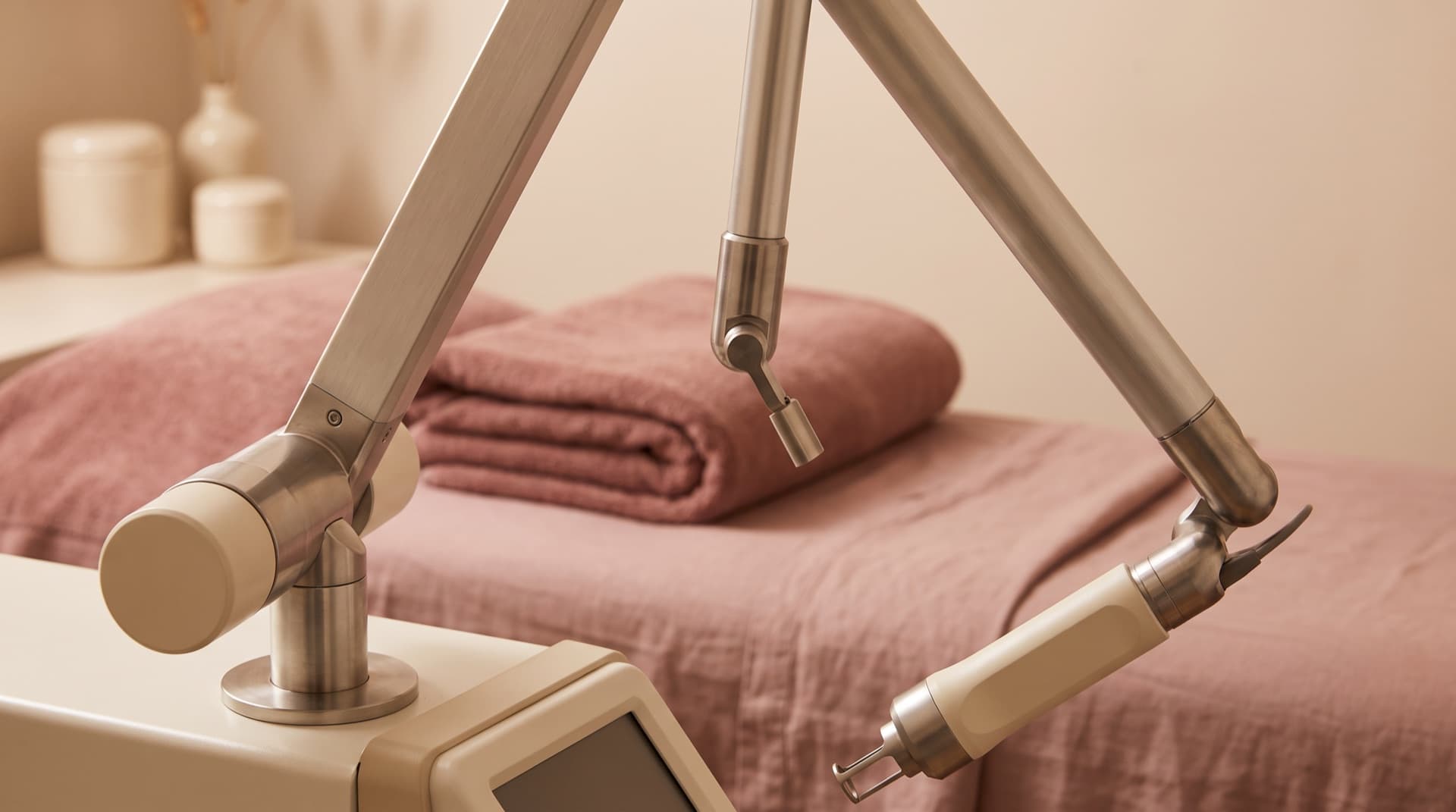
Samsun Genital Wart Treatment with Laser
It is the removal of genital warts by laser vaporization, which can be preferred in common or recurrent lesions.
Treatment of genital warts with Samsun laserThe process of cleaning HPV-induced warts by vaporizing them with laser energy is preferred in lesions that do not pass through the drug.
Focused laser energy is also used, especially in common and large lesions. The practice is planned by obstetrician and obstetrician after examination and necessary examinations. Genital warts are benign skin and mucosal growths caused by low-risk types of the human papilloma virus. They are different from the high-risk types associated with cancer; However, treatment is requested due to the images, itching and anxiety it creates in the person.
This topic is one of the most commonly misinformed headlines about the genital warts, which are very common and not something that anyone should be ashamed of. Prof. Dr. Aşkı Ellibeş Kaya, evaluates these applications in secrecy and with a non-judgmental approach.
What is Laser Genital Wart Treatment?
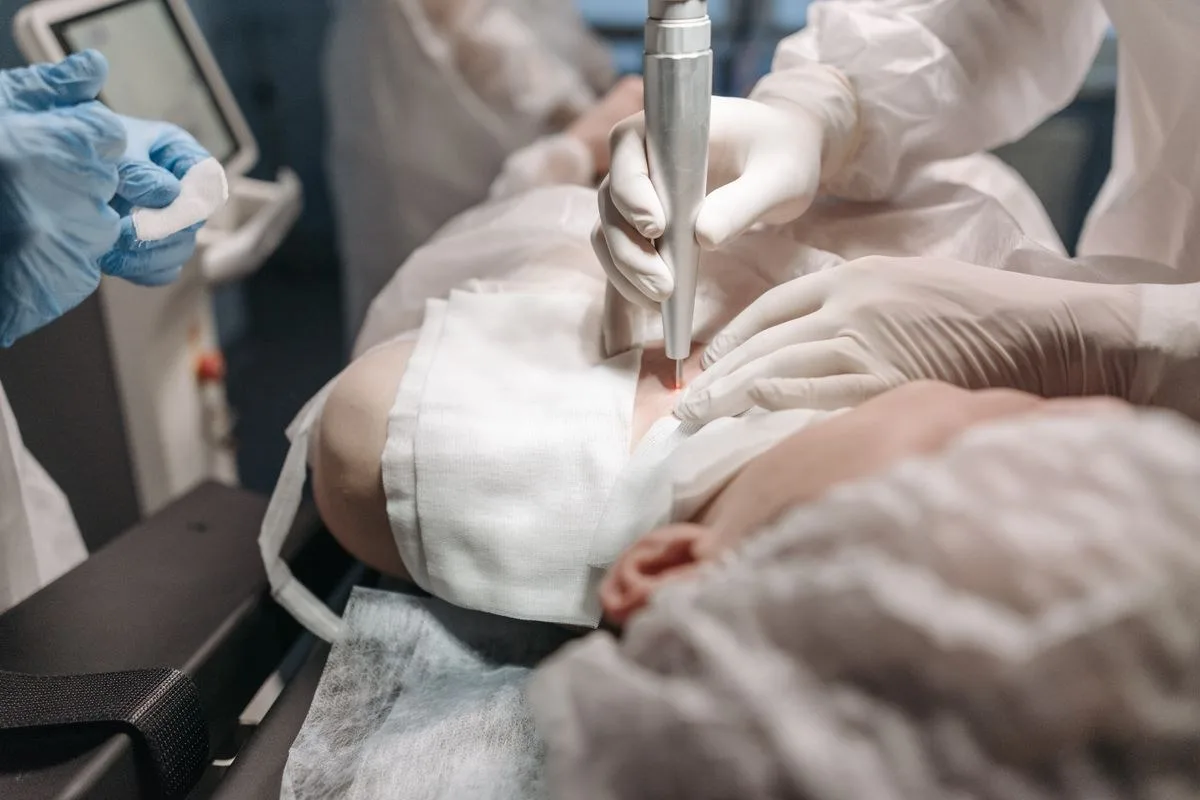
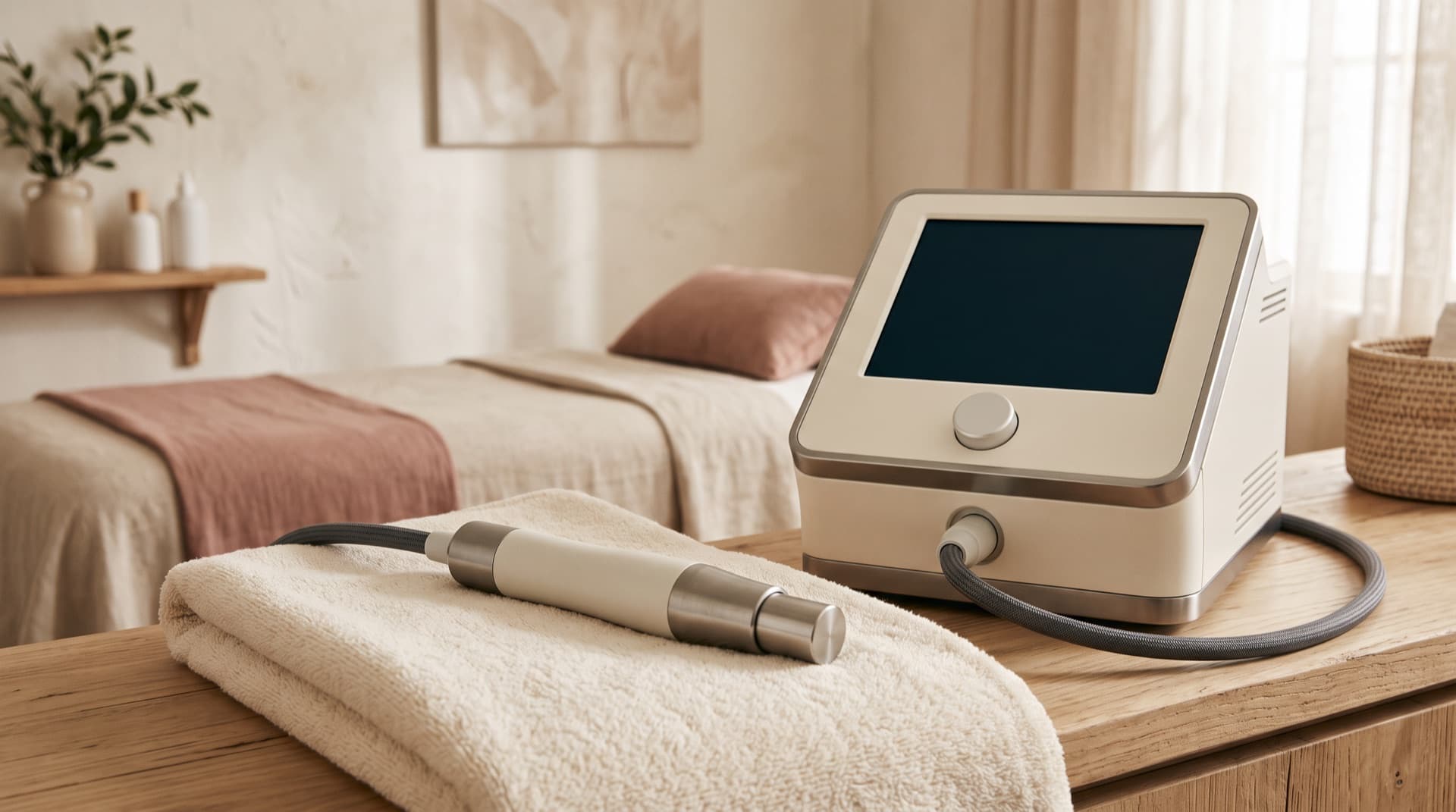
Laser treatment of genital warts is based on the rapid heating and evaporation of the water inside the wart tissue by laser energy. The tissue disappears in this way and a clean surface is left at the bottom. It does not require a process cut and stitch, the application area can be controlled on a millimetric scale.
In practice, the most frequent carbon dioxide laser is used. Because this wavelength is strongly absorbed into the water, energy remains at the target and the heat emitted to the surrounding tissue is limited. In some cases, vascularization may be preferable to a different wavelength in dense lesions.
There is a fact here that should be clearly stated: no method removes the HPV virus from the body. All treatments, including lasers, are aimed at the visible lesion. The virus can remain in normal-looking skin around; therefore warts may repeat after treatment.
This does not mean that the treatment is unnecessary. Clearing lesions reduces the risk of infection, relieves complaints such as itching and irritation, makes one feel good. The immune system can suppress the virus over time; the treatment opens up space for this process.
It may take weeks, sometimes months, between the encounter with the virus and the appearance of warts. Therefore, it is often not possible to say for sure when and from whom the lesion was transmitted. This uncertainty is a fact that must be known to avoid unnecessary charges as well.
Lasers are not the only options for treating genital warts. Cryotherapy, electrocoterization, surgical inference, and prescription creams applied at home are also used. The choice is made based on the number of lesions, size, location, and patient's pregnancy status.
Method: Place of application; The situation in which it is appropriate; Border
Carbon dioxide laser: The practice, single session; Common, large and resistant lesions; Requires device and experience
Cryotherapy: The practice, several sessions; A small number, small lesion; The number of sessions increases in large areas
Electrocoterization: The practice, single session; Thick and stem lesions; Heat propagation is wider
Surgical inference: Operating room conditions; Very large or suspicious lesions; Recovery time is longer
Prescription creams: At home, the patient applies; Limited number of external lesions; It takes weeks, not used in pregnancy
Who Is Laser Genital Wart Treatment Suitable for?
Laser application is suitable for patients diagnosed with genital warts by examination and with treatment indication. It is especially prominent in cases where lesions are numerous, spread over a wide area, or are found in anatomically difficult areas.
Cream treatment cannot be applied or is not safe in areas such as the vagina interior, cervix circumference, urinary tract entrance and mascara environment. The ability of the laser to operate in controlled points is the main feature that makes it stand out in these areas.
Prior to treatment, the cervix scan is requested to be current. Although the types that lead to genital warts are low-risk, it is possible to have high-risk types in the same person. Therefore, smear and HPV testing are part of the treatment plan when needed.
Biopsy is taken first in lesions whose appearance is not typical, which grow rapidly, bleed or change color. Since evaporation removes tissue, the sample should be taken before this procedure if there is a lesion to be examined.
In patients with genital warts, screening is also recommended in terms of other sexually transmitted infections. The presence of one factor suggests that others may be present. Which tests to request are determined based on the patient's history.
Is Laser Wart Treatment Safe During Pregnancy?
In pregnancy, genital warts can grow rapidly and increase in number due to changes in hormonal and immune response. During this period, the treatment decision is made based on whether the lesions block the birth canal and the severity of the complaint.
Prescription wart creams used at home are not used in pregnancy; these drugs are condensed during pregnancy. Therefore, physical methods are prominent if treatment is needed, and the laser is among the options that can be applied in pregnancy.
It is determined by the physician which week of pregnancy the practice will take place. Non-emergency attempts are avoided in the early period; The process is usually scheduled after the second trimester. The decision is made with the follow-up of the obstetrician.
There is also common misinformation about the birth pattern: genital warts alone are not grounds for a caesarean section. Only if lesions physically clog the birth canal or are at risk of serious bleeding is the birth pattern reevaluated.
The subject of transmission to the baby is also frequently asked. It is very rare for the virus to pass on to the baby during childbirth, and it has not been shown that the caesarean prevents this with certainty. Therefore, the form of birth is determined by the overall obstetric assessment, not by the presence of warts.
Patients with Intensive, Large and Repeated (Resistant) Warts
Recurring lesions, which do not pass through with cream treatment, although cryotherapy is performed several times, are the most powerful area of the laser. The ability to clean a large area in a single session reduces the duration of treatment from weeks to one day.
Warts are more resistant in immunosuppressed patients. Those who use post-organ transplant drugs have a high rate of reoccurrence in people with long-term cortisone treatment and immunodeficiency. In these patients, follow-up intervals are more frequent.
A single session may not be enough in the cauliflower-looking, large mass-forming lesions. In such cases, treatment is planned gradually; In the first session, the densest area is cleared, with the remaining areas being treated after recovery.
In phased treatment, tissue is expected to heal between sessions. This waiting period is a step that makes treatment safe and not slows down. Intensive practices in succession disrupt healing and increase the likelihood of scarring.
In recurrent cases, evaluation of the partner is brought to the agenda. If there is visible lesion in the male partner, its treatment also helps break the cycle of mutual transmission. For this assessment, the relevant specialist is referred.
Laser Genital Wart Treatment Process
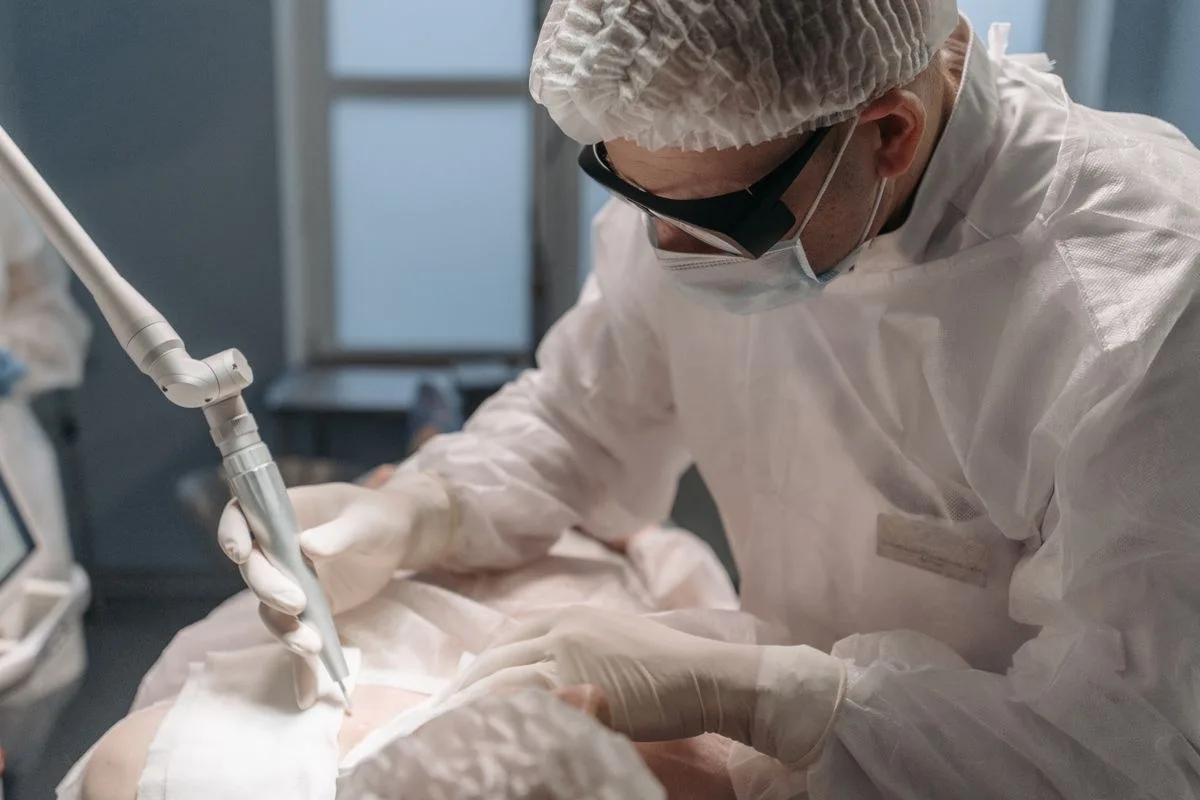
The process begins with an examination and can be completed on a single application day. The location, number and size of the lesions are recorded in the first consultations; Necessary examinations are required. The treatment plan is removed after this information has become clear.
On the day of application, the patient is taken to the examination room and the procedure is described step by step. The patient who knows what to do gets less nervous, which makes the process more comfortable. The patient's questions are answered at this stage.
After the procedure, the patient returns home on the same day. No hospitalization is required, no general anesthesia is used. The return to everyday life is rapid; Only a few simple rules from the recovery period must be followed.
When planning the implementation day, make sure you don't have a busy schedule immediately after. The few hours after the effect of anesthesia has passed, it will be more comfortable if it is spent in a comfortable environment due to a slight burning sensation. It is not mandatory to have a chaperone with you.
Pre-Process Preparation and Local Anesthesia Practice
Before the procedure, the area is cleaned and shaved if necessary. The patient is asked not to use perfumed products, powders or creams that day. No need to come hungry; You can maintain your normal meal pattern.
Pain control is provided in most cases with an anesthetic cream that is applied to the area, which is applied about half an hour before the procedure and covered, during which time the patient rests in the waiting area.
If the lesions are deep or numerous, local anesthetic is applied to the area. This can be a slight burning sensation that lasts for several seconds during the application; The area then completely numbs and the process is not felt.
During the procedure, both the patient and the team are fitted with protective glasses. The smoke generated during evaporation is attracted by a special aspirator; This keeps both vision open and prevents inhalation of smoke. This detail is a standard part of safe practice.
The area of application is restricted to sterile coverings prior to processing. This ensures that both the area to work with is clear and helps maintain surrounding tissues. The preparation stage is as important as the process itself.
Laser Shots and Processing Time
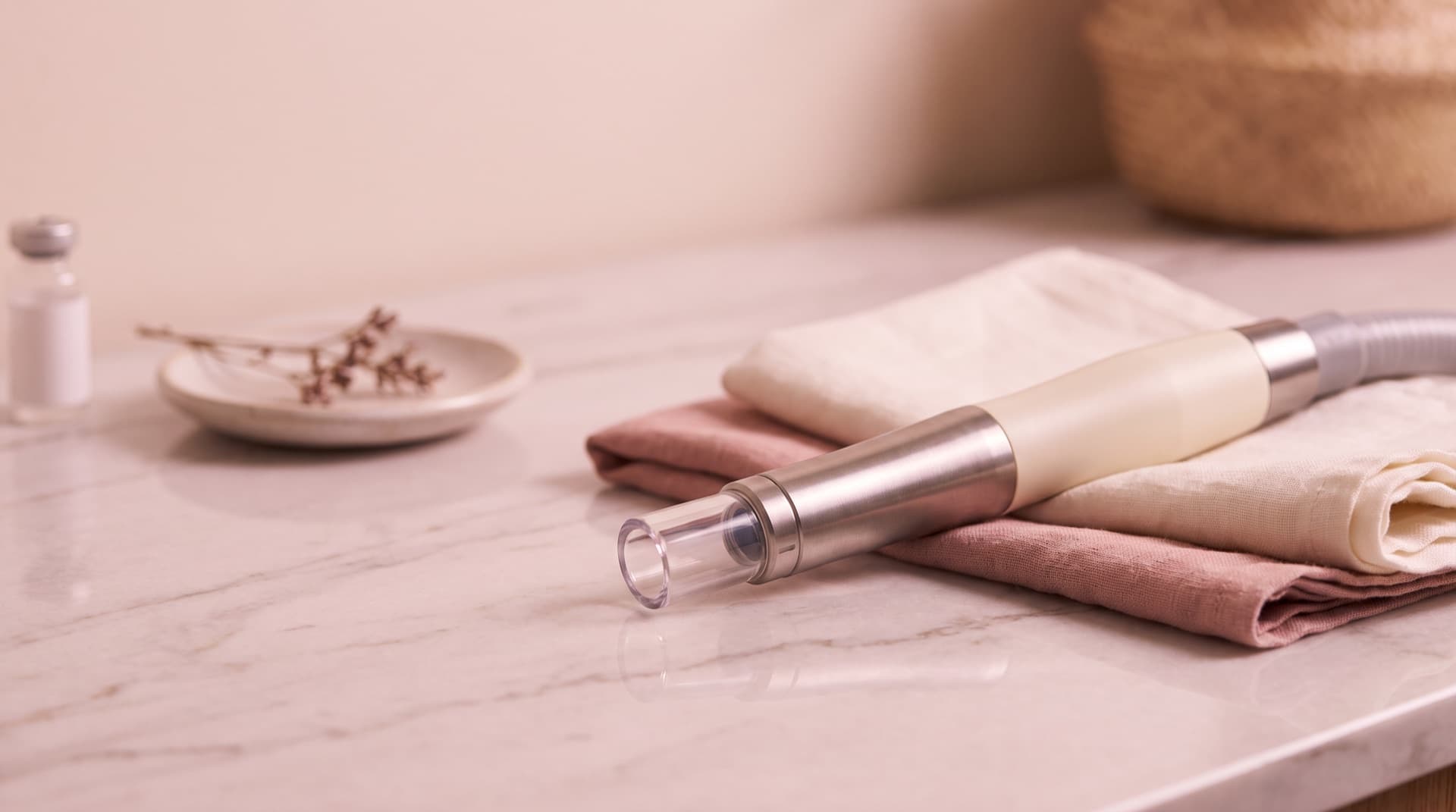
After the anesthesia has taken effect, the laser head is directed over the lesion. The tissue layer is vaporized; after each layer, the area is erased and the bottom solid ground is checked. The goal is to remove the lesion completely before it descends into healthy tissue.
Depth control is the most critical point of this process. Digging deeper than necessary prolongs healing and increases the likelihood of scarring; superficiality leads to a short return of the lesion. Correct depth is determined by experience.
The duration of the procedure depends on the number and spread of lesions. While several small lesions can be cleaned in a few minutes, the duration can extend to up to half an hour in cases that cover large areas. The time is estimated from the beginning and shared with the patient.
The longer the duration, the harder it can be for the patient to remain in position. Therefore, in wide applications, short breaks are given and the patient is expected to relax. Maintaining comfort is also necessary so that the process can be maintained at the right depth.
At the end of the application, the area is checked and a protective cover or pomat is applied if necessary. The patient stands up after a brief rest; There is no harm in driving.
Do You Feel Pain or Pain During the Process?
Pain is not felt during the procedure when anesthesia is applied correctly. Patients usually describe a feeling of pressure and mild temperature. The heard crunch-like sound and characteristic smell depend on the evaporation of the tissue; it has nothing to do with pain.
Once the effect of anesthesia has passed, a burning sensation similar to a sunburn may begin in the first hours, which subsides within a few days. The simple pain relief recommended by your physician provides relief during this period.
The pain threshold varies from person to person. Sharing your anxiety with your physician before the procedure allows you to adjust the anesthesia plan accordingly. Delaying treatment by fearing pain leads to the growth of lesions and difficulty in treatment.
Expected Results After Laser Genital Wart Treatment

The lesions that appear immediately after the procedure are eliminated. This is the most satisfying aspect of treatment; The patient sees the result on the same day. However, this image does not mean that the process is over.
In these early days, the appearance of the area may make you uneasy. The processing area looks red, slightly swollen, and moist; this is the initial stage of recovery. Knowing in advance what to expect will prevent unnecessary anxiety.
Recovery takes a few weeks. In the first days there is redness and tenderness in the area, followed by a superficial crustation. The shell spontaneously separates and beneath it appears a pink, new tissue; This tissue returns to its normal color over time.
The risk again is real and should be discussed in advance. The return of warts is most often seen within the first three months. This does not mean that treatment has failed; The environment is related to the re-inflammation of the remaining virus in the skin.
Therefore, control examinations are part of the treatment. Small lesions that appear at certain intervals are caught early and cleaned much more easily. Disrupting controls means allowing a small problem to grow.
To reduce the risk of relapse, three titles come up: smoking cessation, using barrier methods in sexual intercourse, and HPV vaccination if it is appropriate for your age. The vaccine does not cure the existing infection, but provides protection against the types you may not encounter.
The strength of the immune system directly affects the outcome. Regular sleep, a balanced diet and control of chronic conditions support the body's ability to suppress the virus. Although these recommendations may sound familiar, they have practical relevance in this context.
Possible Side Effects After Laser Genital Wart Treatment
The majority of side effects are temporary and expected. Still, it is important to know what is normal and what should be reported. This distinction prevents unnecessary anxiety and unnecessary delay.
The frequency of side effects is directly proportional to the width of the processed area. There is very little chance of trouble in an application where several small lesions are cleared. When the large area is processed, recovery takes longer and follow-up is done more closely.
The rare but careful conditions are infection, prolonged bleeding, and severe burning when urinating. Applications near the urinary tract entrance may have difficulty temporarily urinating; This usually resolves within a few days.
If there is fever, bad-smelling discharge, increasing pain and spreading redness, it is necessary to consult the physician without waiting. These symptoms are not part of the normal healing process and should be evaluated.
Redness, Payback and Sensitivity in the Processing Zone
For the first two or three days, redness, mild swelling and touch sensitivity are expected in the area. These findings are the natural part of the body's recovery response and are not a problem that needs to be treated.
To reduce swelling, cold application can be made to the area on the first day with a clean cloth. The ice is not made directly into the skin. Plenty and cotton underwear provide relief by reducing friction.
Keeping the area dry speeds up recovery. Before you can scrub it out after washing, it is enough to dry it gently with a clean towel. The wet-leaning zone delays both healing and increases the risk of infection.
Will there be a permanent scar (Skar) left after laser treatment?
In applications made at superficial and accurate depth, no permanent trace is expected. Depth control of the laser is one of the points where this method stands out over other options. In most patients, the area returns to its normal appearance after recovery.
Factors that increase the risk of scarring are obvious: processing very large areas in a single session, digging deeper than necessary, developing infection during recovery, and nail removal of the shell. Most of these factors are preventable.
The color difference is a condition that is more common than the mark. The healing area may appear lighter or darker than its surroundings for a while. This difference is mostly erased within months; It does not mean permanent tissue damage.
Post-Gerital Wart Treatment with Laser Care

The purpose of care is to keep the area clean and dry, allowing the shell to self-disengage, although the rules are simple, which directly affects both the recovery time and the likelihood of scarring.
Bathing is done daily, with warm water. Soap and shower gel are not applied directly to the processing area; No antiseptic solution is used unless the physician recommends it. The tub is kept away from the pool and sea until healing is complete.
Your physician determines when to start sexual intercourse, which varies depending on the width of the lesions and usually lasts until the recovery is complete. Early onset can lead to both pain and new injury.
During the recovery period, hair removal procedures are also postponed. In the wax, razor blades and hair-drying creams irritate the area and delay healing. You can ask your physician about when you can return to these practices in a control examination.
Wash the area with warm water once a day, dry before rubbing
Don't rip the shell off, just wait for it to break off on its own
Choose loose cotton underwear and avoid tight clothing
Stay away from the pool, sea, tub and sauna until they heal.
Do not apply cream or solution to the area unless recommended by your physician.
Even if you don't complain to your check-in appointment, go.
Conclusion
Treatment of genital warts with Samsun laserIn common and resistant lesions, it is a method that can be safely applied in sensitive areas, with a distinct result in a single session. The strength of the method is that it eliminates the visible lesion; its limit is that it cannot remove the virus from the body.
Therefore, treatment should be considered as a follow-up process rather than a one-time procedure. Do not postpone if you notice any changes in the genital area; small lesions are treated much easier early on. You can contact our office for an appointment.
Finally, the psychological aspect should not be ignored. Diagnosis of genital warts creates a sense of anxiety and shame in many women. Whereas this infection is extremely common and treatable; The correct information eliminates much of this burden.

Original Turkish content prepared and reviewed by
Prof. Dr. Aşkı Ellibeş Kaya
Specialist in Obstetrics and Gynecology
Last updated: 25 August 2026
The content on this page is intended for informational purposes; the diagnosis and treatment decision is made only with your physician after the examination.
References
The following sources relate to the informational issues outlined by them. The personal diagnosis and treatment plan requires physician evaluation. Source texts are in English.
CDC
Anogenic Warts ; STI Treatment Guidelines (opens in new tab)Related subject: Place of surgical cleaning with laser in genital warts and post-treatment recurrence.
The information on this page is for general informational purposes only and does not replace medical advice, diagnosis or treatment. Each patient's condition is different; the method and process to be applied is determined only by the physician after examination and evaluation.
Frequently asked questions
No, no cure completely removes the HPV virus from the body. The laser only removes visible wart tissue. The virus can remain in the surrounding normal-looking skin, and the immune system suppresses it over time.
Related Services
Other topics under the title Laser Applications.


Start with an appointment
Let us determine the day and approach that best suits you. Your consultations are conducted on a privacy basis.