

Samsun Normal Birth
Normal birth, gestation 37-42. It is a form of birth that occurs between weeks without surgical intervention. The fitness is determined by the physician's assessment based on the health status of the mother and baby.
Samsun normal birth Their services are a comprehensive process that allows pregnant women to give birth to babies at their own rhythms with modern medical support. During the birthing act, maternal and infant health are closely monitored, with possible risks recognized in time by physician evaluation and necessary measures taken. At every stage of the process, the safety and comfort of the expectant mother are prioritized. Proper informing and regular follow-up can also contribute to the mother candidate's approach to childbirth in a calmer mood.
Samsun Atakum Prof. Dr. Aşkı Ellibeş KayaAs an obstetrician, he discusses the process as a whole, from pregnancy follow-up to postpartum follow-up. Having completed his residency at Ankara Etlik Zübeyde Hanım Training and Research Hospital, the physician coordinates pregnancy monitoring, birth planning and postnatal controls in his office. In this article, the stages of normal birth, eligibility criteria and postnatal support are discussed within the framework of physician evaluation.
Many questions that are curious throughout the pregnancy process become clear over time with regular checks. Having knowledge of the birth pattern of mother candidates makes it easier for her to approach the process more prepared. The following sections discuss the process in detail, from the definition of normal birth to postnatal monitoring.
As much as the first-time expectant mothers to give birth, each pregnancy is a unique process for those who have had previous birth experiences. Therefore, a previous birth experience does not necessarily mean that the same course will be followed directly in the new pregnancy; Current controls are re-based.
What is a Normal Birth?
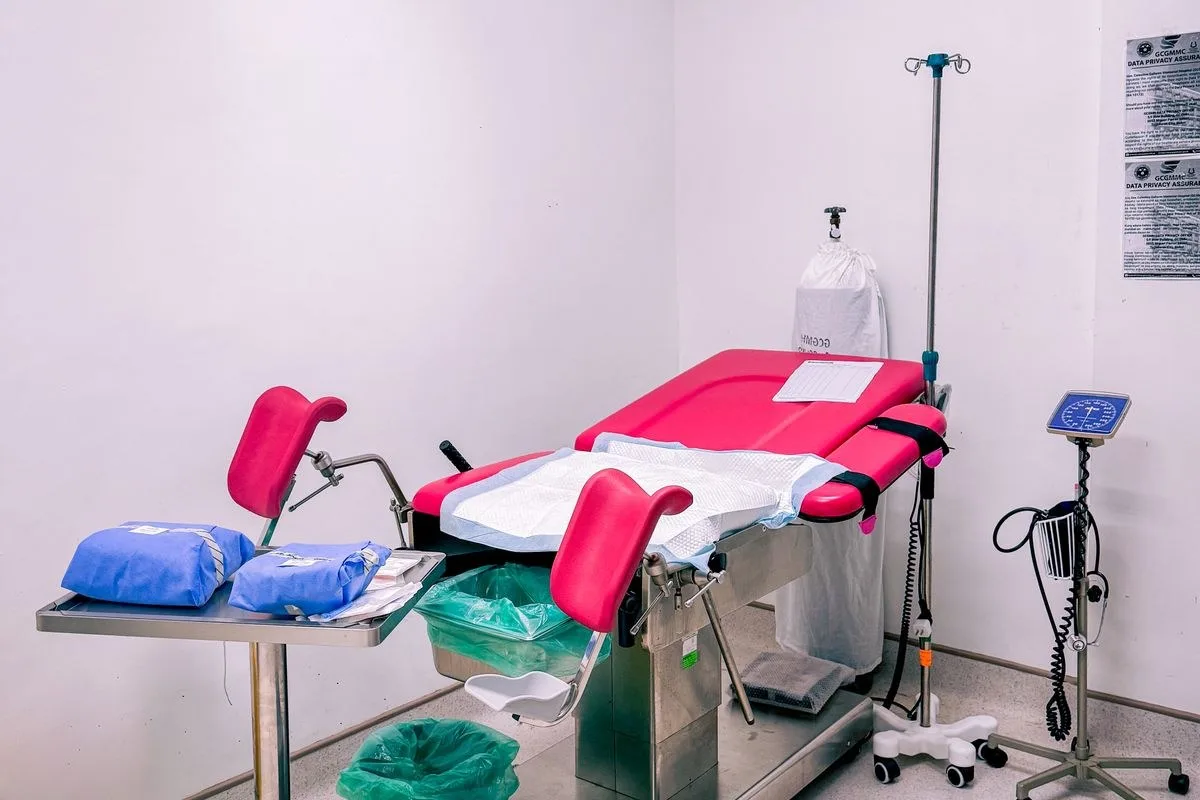
Normal birth, pregnancy 37 to 42. It is the form of birth that takes place through the natural birth canal, without any surgical intervention between weeks. The act of childbirth begins spontaneously; As uterine contractions become regular, the cervix opens and the baby is born through the birth canal. This process is based on the natural physiological mechanisms of the mother's body.
In this form of childbirth, the mother actively participates in the birthing process, and usually there is a shorter recovery compared to caesarean. Hospital stay can also be shorter most of the time. However, each pregnancy is unique to itself; The suitability of normal birth is assessed by the physician according to the health status of the mother and baby, and a final outcome cannot be predicted.
In medical literature, vaginal birth is generally known to be associated with a shorter recovery process in uncomplicated pregnancies. However, this does not mean an automatic preference for each pregnancy; The decision on the form of birth is clarified with the physician according to the course of pregnancy and current examination findings.
Mother candidates who want to know about normal birth can talk to their physicians about this during different periods of pregnancy. Questions such as how the process will proceed, in which cases the plan may change, are dealt with in detail during regular checks. This information contributes to the mother candidate's more prepared approach to the process.
The mother's own preference is also important in determining the way she is born; however, the final assessment is always done with medical findings, which both take into account the mother's wishes and ensure that the process progresses safely.
Normal Birth Process and Steps
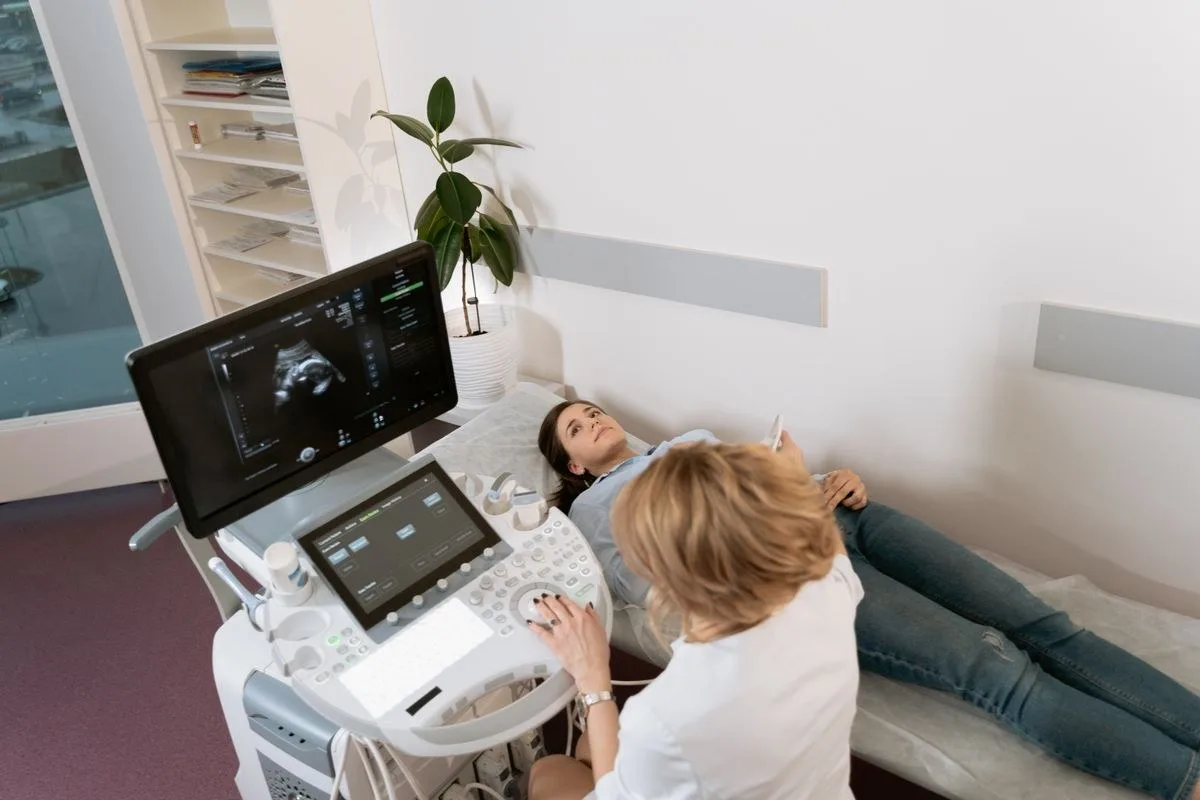
The act of childbirth is examined in the medical literature in three phases: the opening stage, the birth (push) phase of the baby, and the expulsion phase of the placenta. The duration of each universe can vary from person to person; The process usually lasts longer at first births, while subsequent births tend to shorten. The following table outlines the general characteristics of these phases.
The duration of the stages may vary depending on many factors, such as the number of previous births of the mother, the position of the baby, and the strength of contractions. Therefore, the periods in the table have been shared to give a general idea and do not have a definite predictive nature for each pregnancy.
In this section, the three main steps of the birth process are discussed separately under prenatal preparation, pain management during childbirth and postnatal care. The basic information that will be useful to know about the mother candidate is shared at each step.
Stage: Please ; Approximate Time
Opening Stage: The cervix is gradually opened, contractions are tightened and aggravated; On average, it can drop to 12-14 hours at first birth, and up to 4-6 hours at subsequent births.
Birth (Rejection) Stage: Once the cervix is fully opened, the baby proceeds through the birth canal and is born; It usually varies between minutes and a few hours.
Placenta Atilim Stage: After the birth of the baby, the placenta is separated from the uterus and thrown out; It is usually completed between 5 and 30 minutes
Prenatal Preparation and Controls
As childbirth approaches, antenatal visits become more frequent, with monitoring of the baby's position and heart rate and the mother's general health. These checks provide important information for planning a safe birth. Regular contractions approximately every 5 minutes, lasting 1 minute each and continuing for 1 hour, are generally considered a sign that it is time to go to hospital.
In the event of the arrival of pouch water, it is recommended to contact the physician even if the liquid is clear; Although this is not an emergency, it requires evaluation. If a difference in the color or smell of the liquid is noticed, this information should also be shared with the physician. Psychologically supporting the mother candidate in prenatal preparation also contributes to making the process more comfortable.
Screening tests during certain weeks during pregnancy are also an important part of prenatal follow-up. The double-scan test is usually 11-14. Between weeks, the triple scan test is ideally 16-18. Weeks, 15-22 if necessary. It is applied in the week range. The results of these tests guide the physician in assessing the overall course of pregnancy.
Some of the recommended considerations for expectant mothers during the preparation period may be listed as follows:
The frequency and duration of contractions are noted and followed
Pre-preparation of the hospital departure bag
Discussing the birth plan with the physician in advance
Informing the support person (wife, family member) of the process
In the last weeks of pregnancy, balanced nutrition, adequate rest and light mobility are recommended in accordance with physician approval. Sharing concerns during this period with the physician can help the mother candidate prepare more comfortably for the process. The position of the baby and the overall condition of the mother are reviewed once again during the last prenatal checkups.
Anesthesia and Pain Management During Birth
Different methods can be applied in the management of birth pain; One of these is the administration of medication by epidural method. This procedure is performed by the anesthesiologist, not the obstetrician, and is performed at the time of active, regular labor. The suitability of the method is assessed based on the overall health status of the expectant mother.
Breathing techniques, position changes, hot application and supportive care are also among the methods that can be preferred in pain management. These methods may also be useful for expectant mothers who do not want medication or seek additional support. Which method is appropriate, the preference of the mother and the physician evaluation are determined by taking into consideration together.
Testing different positions during childbirth can contribute to easier management of pain for some expectant mothers.The presence of a support person and a calm environment can also play an important role in the process.These preferences can be clarified with the physician when discussing the birth plan.
For mothers whose pain management preference has not been clarified, it may be useful to learn about anesthesia methods during pregnancy follow-up.In this consultations, both how the procedure is performed and possible question marks are explained in detail.
Postpartum Care and Recovery Process
After normal birth, the mother can usually begin to move within a few hours; This supports the healing process. Early mobility can also contribute positively to the circulatory system. The uterus contraction, amount of bleeding and general condition are closely monitored during the first hours after birth.
If there is a tear or episiotomy that requires stitches, information is made about the care and hygiene of the area. It is important to act on the physician's recommendation when pain medication is needed. Follow-up checks should not be avoided as the healing process may vary from person to person.
In the postnatal period, balanced nutrition and adequate fluid consumption are also among the factors that support recovery. It is recommended that the mother candidate rest during this period without exerting herself, benefiting from family support. When any unusual symptoms (such as high fever, excessive bleeding) are noticed, the physician should be consulted without losing time.
Risk Assessment and Limitations for Normal Birth
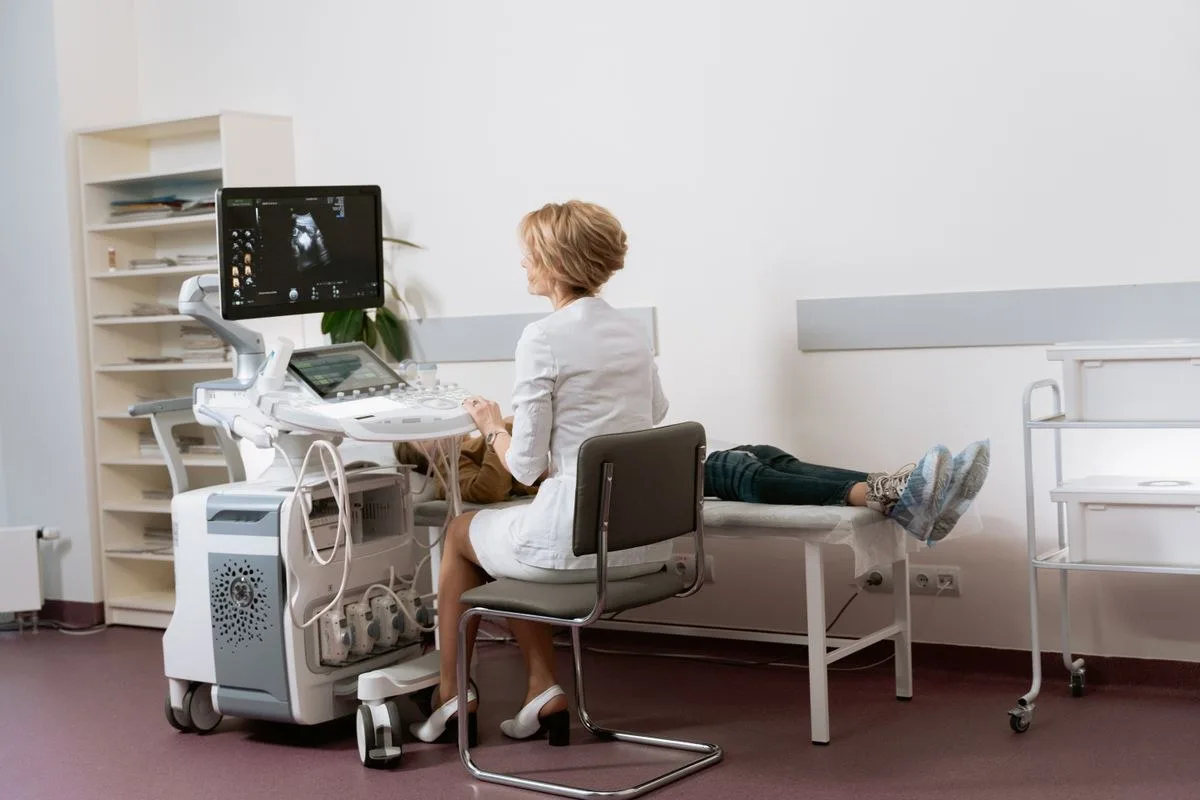
Every pregnancy may not be suitable for normal birth; Therefore, controls during pregnancy are of great importance. The health status of the mother and baby, pregnancy week and previous birth history are evaluated together to determine the manner of birth. This assessment is not shaped by a single examination, but by repeated checks in the process.
Risk assessment is a dynamic process that can be updated later in pregnancy. A pregnancy that appears to be suitable for normal birth in the early stages can be reevaluated with an improvement that occurs in the following weeks. Therefore, it is recommended that the controls be maintained at regular intervals.
The age of the expectant mother, her general health history and any chronic conditions accompanying pregnancy are also part of this assessment. This information contributes to the safe creation of her birth plan.
Criteria for Normal Birth
The fact that the baby is in the head position, that the mother's pelvis is suitable for childbirth, and that there are no serious complications in pregnancy are among the basic criteria sought for normal birth. The following conditions can often affect the normal birth decision:
The baby is in a masquerading or transverse posture
Settlement problems with the placenta
The presence of significant narrowness in the mother pelvis
Accompanying a serious complication in pregnancy
In the case of expectant mothers who have given birth by C-section in their previous pregnancy, the possibility of normal birth in subsequent pregnancy can also be assessed in some cases. This assessment is conducted with the details of the previous surgery and the characteristics of the current pregnancy in mind; A separate decision process is run for each case.
In the case of multiple pregnancies (twin and above), normal birth may also be possible under some conditions; However, this assessment requires a more detailed follow-up. The position of infants and the overall course of pregnancy are key factors in determining this decision.
This assessment follows with regular checks throughout pregnancy. Samsun obstetrician It is done by and the birth plan is created with the mother candidate. The final decision is always shaped according to current examination findings and can be revised based on the progress of pregnancy.
Emergency Response in the Case of Complications
The process is reassessed if a condition develops that threatens the baby's heart rate, non-progressive labor, or maternal health during labor. In such cases, the decision to switch to caesaryne can be made quickly if necessary. The goal is to prioritize maternal and infant health under all circumstances. Such decisions are implemented quickly and coordinatedly, within the framework of a pre-prepared protocol.
Co-ordinated work with contracted private hospitals in Samsun ensures that the necessary intervention can be done without delay in case of possible emergencies. This coordination is also shared as information to the mother candidate prior to birth. Thus, the mother candidate is informed in advance of a possible intervention scenario.
In emergency management, the rapid processing of communication between the maternity team and the hospital is of great importance, so it is shared in advance with the expectant mother in which hospital to follow and how to follow a direction when necessary before birth.
The mother's candidate's feeling informed in this process can help reduce anxiety when a possible intervention is needed, so risk assessment and emergency plan are detailed later in pregnancy.
Can Painless Normal Birth (Epidural Anesthesia) be Done?

Yes, normal birth can be performed by painless delivery method when the appropriate conditions are met. This method involves a thin catheter placement process from the lumbar region and the drug is administered through this catheter. The method aims to greatly reduce the pain of childbirth.
The procedure is performed by an anesthesiologist, not a obstetrician; The effect usually begins within 15-20 minutes. The practice is performed when the act of childbirth is active and regular, with the cervix reaching a certain opening. After the practice, the mother usually continues to participate in the birthing process with her consciousness open.
While there is no scientific evidence that this method harms the baby, as with every drug application, fitness is evaluated together by anesthesiologist and obstetrician. In some cases, temporary changes in blood pressure can be seen and this is monitored closely. The mother's preference for this can be clarified by talking to the physician during pregnancy follow-up.
In some health conditions (such as certain bleeding disorders, some discomfort in the lumbar region) this method may not be suitable for every mother candidate. Therefore, a detailed assessment is made by the anesthesiologist prior to the procedure and the maternal candidate's health history is reviewed.
Painless birth preference does not usually extend the duration of the birth action; however, this may vary from person to person, and the progression of childbirth after the practice continues to be closely monitored by the team.
In cases where pain-free birth is not preferred, birth pain is also attempted to be managed by breathing techniques, position changes and presence of the support person. Which approach to choose is shaped by the birth plan that the mother candidate has previously shared with the physician.
Normal Postpartum Support and Monitoring

The first hours and days after birth require close follow-up in terms of both the mother's health and the baby's health. The support offered during this period contributes to the mother's safety and recovery process. Family support also has an important place in the process.
This period is also a transitional period in which the mother adapts physically and emotionally to the new process. The guidance provided by the health care team can help make this adjustment process more comfortable. The expectant mother is encouraged to express her questions without hesitation at this time.
After discharge, it is also important for the mother's candidate to be called to check at certain intervals, both in terms of the recovery process and early detection of possible problems. During these checks, the mother candidate's questions about the process are also answered.
Postpartum Nursing Support and Breastfeeding Counseling
During the postpartum period, the nursing team regularly checks the overall condition of the mother, uterine contraction and the amount of bleeding. Basic findings such as body temperature and blood pressure are also included in this follow-up coverage. Practical information and support is provided to the expectant mother in difficulty with breastfeeding.
The first breastfeeding experience is encouraged in the first hour after birth; This is important for both the feeding of the baby and the strengthening of the mother-baby bond. Information is given about the position of breastfeeding and the problems encountered frequently. Delays in milk development are transferred to the expectant mother, where they can be met normally and where support will be maintained if necessary.
Changes in mood can be seen frequently during the postpartum period; this is usually temporary and may be relieved by family support. It is recommended to share this with the physician when a significant and prolonged change is noticed in the state of emotion.
Baby's Health Control and Discharge
Immediately after birth, the baby's breathing, heartbeat and general condition are evaluated; necessary routine checks are performed. Reflexes and general appearance are also reviewed in the newborn examination. Before discharge, the baby's weighing, jaundice status and overall health are reviewed.
During this period, routine screening tests for the newborn (such as a pellet blood scan) are also among the standard practices. The timing and results of these tests are shared as information to the family during the baby's follow-up process. When any additional assessment is required, this is clearly shared with the family and the process is planned together.
The release time for the mother and baby may vary depending on the manner of birth and overall health. If there is any need for additional observation, the discharge process may extend accordingly. Post-departure control appointments are scheduled in advance so that the process can be followed without interruption.
Conclusion
Samsun normal birth The process can be completed safely for the mother and baby with the right preparation, regular follow-up and decisions made at the right time. Since each pregnancy carries different characteristics, the birth pattern and details of the process should be determined by physician evaluation. Regular communication from the beginning to the end of the process helps address possible concerns in time. Current examination findings should be based on each stage, from prenatal preparation to postnatal monitoring.
Mother candidates who want to closely monitor the process from pregnancy follow-up to postnatal monitoring can contact the office to be informed according to their current health status. It is possible to address every question and concern in detail in the examination environment.
Reaching the right information early on helps the expectant mother to approach birth in a safer and prepared manner, so it is recommended to share it with the physician without accumulating questions at any stage of pregnancy.

Original Turkish content prepared and reviewed by
Prof. Dr. Aşkı Ellibeş Kaya
Specialist in Obstetrics and Gynecology
Last updated: 25 August 2026
The content on this page is intended for informational purposes; the diagnosis and treatment decision is made only with your physician after the examination.
References
The following sources relate to the informational issues outlined by them. The personal diagnosis and treatment plan requires physician evaluation. Source texts are in English.
NHS
The Stages of Labour and Birth (opens in new tab)Related subject: The opening of the birth act, the birth of the baby and the stages of separation of the placenta.
Frequently asked questions
The duration varies from person to person; The opening phase at first births can last for an average of 12-14 hours, while at subsequent births this time can be shortened to 4-6 hours. The total time depends on the order of contractions and the rate at which the cervix opens, and is not predicted clearly in advance. The birth team evaluates progress at regular intervals throughout the process.
Related Services
Other issues under the heading of pregnancy.



Start with an appointment
Let us determine the day and approach that best suits you. Your consultations are conducted on a privacy basis.