

Samsun Prenatal Screening Tests
In pregnancy, screening tests together evaluate blood test and ultrasonography measurements to give information about the baby's development. The tests do not provide definitive diagnosis, showing a risk rate.
Samsun pregnancy screening testsThey are medical practices administered by obstetricians in order to monitor the healthy progress of pregnancy and determine possible risks early on. These tests combine blood test and ultrasonography measurements to give information about the baby's development. All pregnancies are requested because they are covered by a routine examination; The follow-up of the results is carried out by physician evaluation.
Samsun Atakum Prof. Dr. Aşkı Ellibeş KayaAs an obstetrician, she provides counseling on pregnancy monitoring and screening tests.The practice has appropriate test planning for each gestational week and the results are evaluated together with the patient.
The fact that these tests are brought up does not mean there is a suspicion of a problem in pregnancy; they are a standard part of prenatal care. Each pregnancy is expected to have proper screening tests for the week of conception, and this process proceeds as a natural follow-up flow.
Planning the first examination with the learning of pregnancy is important in terms of starting screening tests on time. Because some tests may narrow the application window as the gestational week progresses, early appointment makes the process easier.
What Are Screening Tests in Pregnancy?
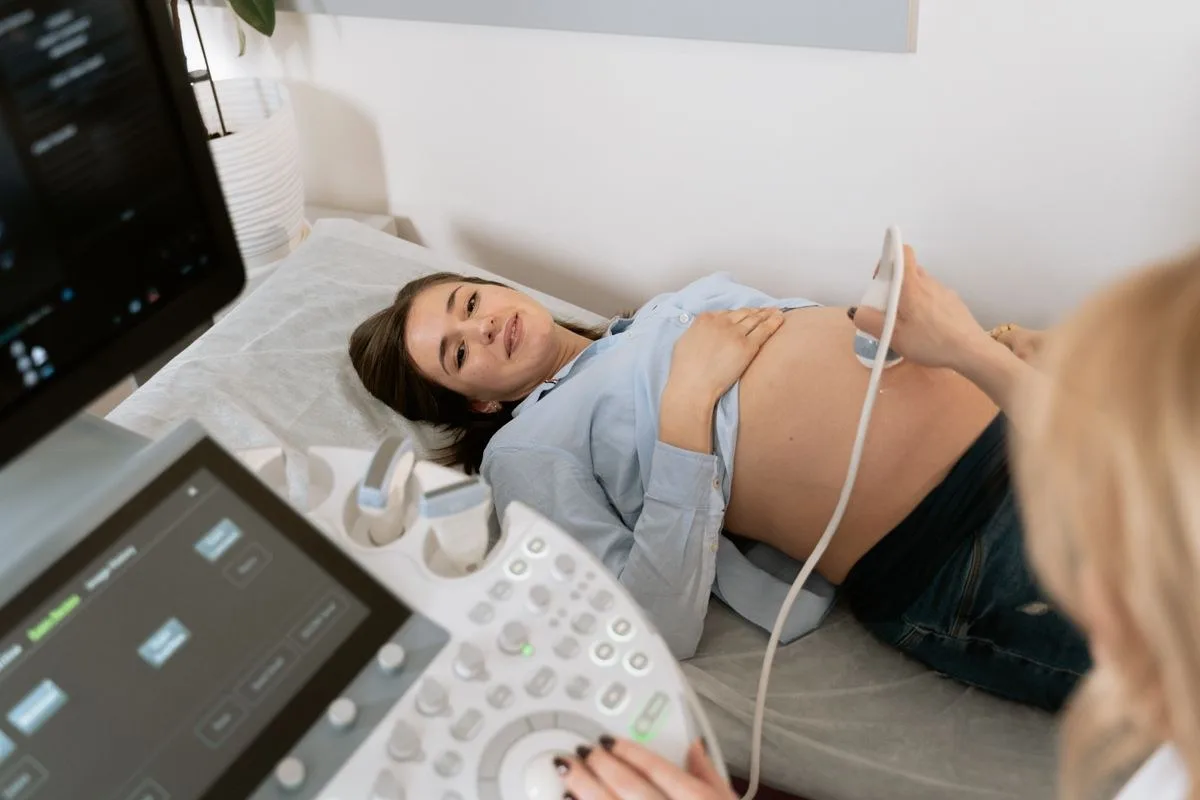
Screening tests in pregnancy are methods that evaluate the maternal candidate's blood values and ultrasonography measurements together to calculate the probability of chromosome anomaly or developmental risk in the baby. These tests do not give a definitive diagnosis, they only give a risk rate. Even if the result shows a high risk, it does not necessarily mean that there is a problem with the baby; Further evaluation is planned by the physician.
The majority of tests are non-invasive, as they are performed with a blood sample and ultrasonography from the mother, which does not involve a direct intervention to the baby. In this respect, it can be applied at regular intervals without disturbing the pregnancy. The results are evaluated together based on gestational week, maternal age and measurement values.
Screening tests may occasionally encounter false positive or false negative results. So even though the test shows a high risk, the baby may come out healthy, and in some cases when there is a low risk, a different finding may be found in the future. Therefore, the screening result is not interpreted alone, but together with pregnancy week and examination findings.
The screening results not only show the current level of risk, but also shape the frequency of follow-up to be followed during pregnancy. While routine checks are maintained in pregnant women who receive low risk, the follow-up interval in areas with high risk may be rearranged by the physician.
The scope of these tests is not limited to chromosomal risks only; some structural development findings are also evaluated in conjunction with ultrasonography.
Scope of Scan Services in Samsun
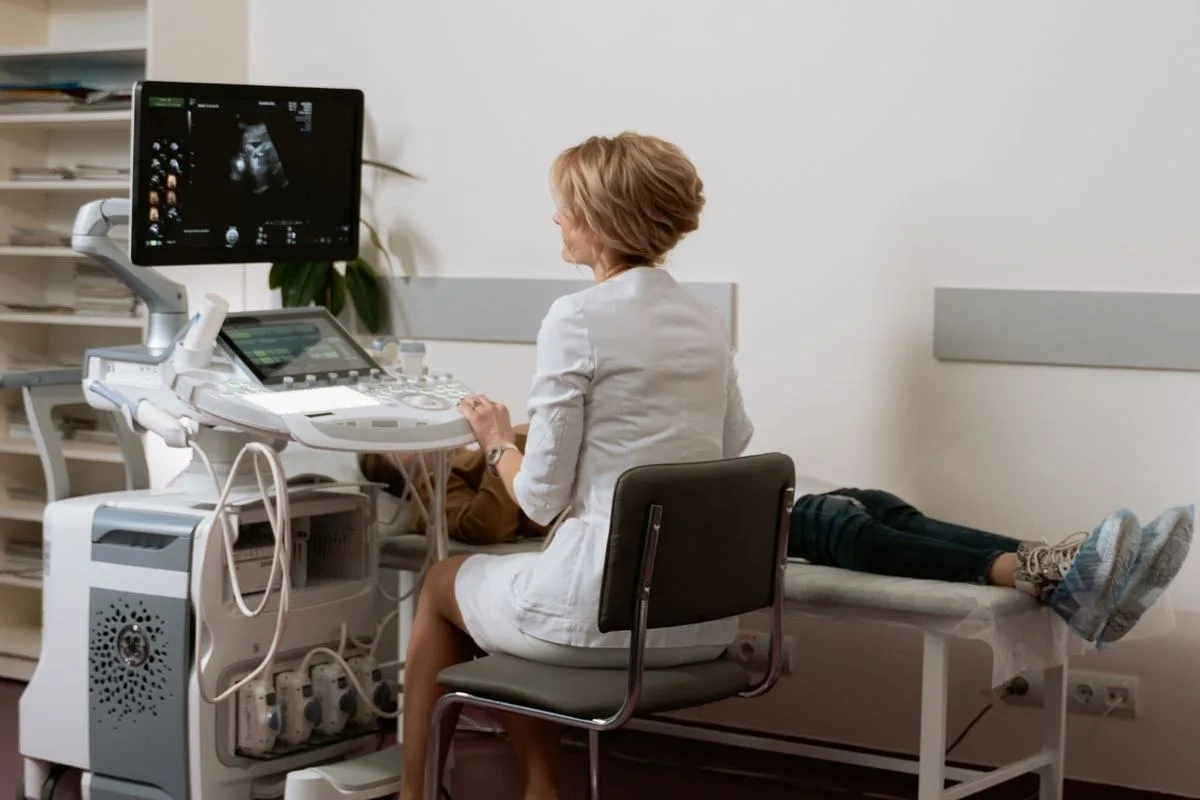
In Samsun, pregnancy screening services are planned according to the test schedule specific to each trimester. After the gestational week is determined in the practice, which test is to be performed is explained to the mother candidate and appointments are created accordingly. The goal is not to miss the appropriate window for any test.
This Trimester-based planning allows for both blood tests and ultrasonography measurements to be performed during the weeks that are most accurate. The order and timing between tests are reviewed as the gestational week progresses.
Tests are evaluated as a whole, not independent of each other. For example, a result at the boundary in the binary test may be decisive in the coming up of tests in the second trimester or NIPT.
The table below outlines the main screening tests and implementation times implemented during the pregnancy process.
Test: Practice Week; Method
Binary Test: 11-14. week ; Neck thickness (NT) measurement + blood test (HCG, PAPP-A)
Triple Test: 15-19. week ; Blood test (AFP, hCG, uE3)
Four Test: 15-22. week ; Blood test (an additional hormone to the triple test)
NIPT: 10. starting from the week; Free fetal DNA analysis in the blood sample taken from the mother
Sugar Screening Test: 24-28. week ; Blood sugar measurement
Detailed Ultrasonography: 18-22. week ; Organ scan with ultrasonography
Screening Tests Applied in the First Trimester
The most frequently applied screening method in the first trimester is a binary test. 11-14. This test, conducted between gestational weeks, measures the thickness of the neck (NT) by ultrasonography, in addition to the blood sample taken from the mother, the values HCG and PAPP-A are examined. These three data are evaluated together to calculate the risk of chromosome anomalies.
The double test result is converted to a risk score along with the maternal age and gestational week. In the event of a low risk, follow-up is routinely maintained; At the border or at high risk results, the physician may recommend additional examination.
Ultrasound measurement during this period helps to assess not only the thickness of the neck, but also the overall developmental adjustment of the baby. Some additional findings, such as the nasal bone, can also be reviewed by the physician.
Measurements and Tests in the Second Trimester
Triple and quadruple screening tests may be offered in the second trimester. The triple test is usually performed between weeks 15 and 19 and measures AFP, hCG and uE3 levels. The quadruple test adds one more hormone to the same measurements and is performed between weeks 15 and 22, aiming to improve the accuracy of risk assessment.
During this period, the sugar screening test, which provides information in terms of gestational sugar, is also brought up; Usually 24-28. It is done between weeks. A certain amount of sugary liquid is given to the mother candidate and blood sugar is measured at certain intervals. If the result is high, the diet and follow-up frequency are rearranged by the physician.
A special diet is usually not desirable before a sugar screening test; There is no need to come on an empty stomach on test day. Daily activities can be resumed shortly after the test.
The preference between the triple and quadruple test is determined by the physician according to the pregnancy week and previous screening results. Since both tests are performed with a blood sample, it does not require additional preparation for the mother candidate.
Early Scan Operations in the Third Trimester
At the beginning of the third trimester, pregnancy tracking becomes frequent and some screening procedures are repeated during this period. An ultrasound is used to monitor the baby's growth curve, and the risk of preeclampsia is assessed by controlling the blood pressure and the protein level in the mother's urine.
Group B Streptococcus screening between weeks 35 and 37 is also among the procedures of this period. This screening with a sample of creeps from the vaginal and rectal region aims to determine the risk of transmission to the baby during childbirth. Positive results are planned to apply medication in the delivery process.
Controls during this period aim to ensure both maternal and infant health as they approach childbirth. Results obtained in previous trimesters are also taken into consideration when evaluating the findings.
During this period, the maternal candidate's blood values can also be rechecked and evaluated for anemia. Suggestions for iron or other supplements are updated by the physician if necessary.
NIPT Test (Fetal DNA)
NIPT, where free fetal DNA particles circulating in mother's blood are examined, 10. It is a non-invasive screening method that can be applied from the week of pregnancy. It provides risk information with high accuracy for some chromosome anomalies, especially Down syndrome.
Although NIPT has a high accuracy rate, it is a screening test, not a definitive diagnostic tool. Invasive methods, such as CVS or amniocentesis, may be recommended by the physician to finalize the diagnosis when the outcome shows high risk. The insurance coverage and applicability of the test varies by person; Clear information on this is given during the examination.
The NIPT test can be preferred especially in advanced maternal age, a history of chromosome anomalies in previous pregnancies, or results that appear at the limit in other screening tests. In what situations the test will be recommended, the physician decides by evaluating the story of the pregnancy.
NIPT can also be applied in certain conditions in twin or multiple pregnancies; But the rate of applicability and accuracy can vary depending on the type of pregnancy. The eligibility for this is clarified by the week of pregnancy and the physician's assessment.
The results of the test are usually shared with the physician within one to two weeks; This time may vary depending on the laboratory.
Detailed Ultrasonography Scan in Pregnancy
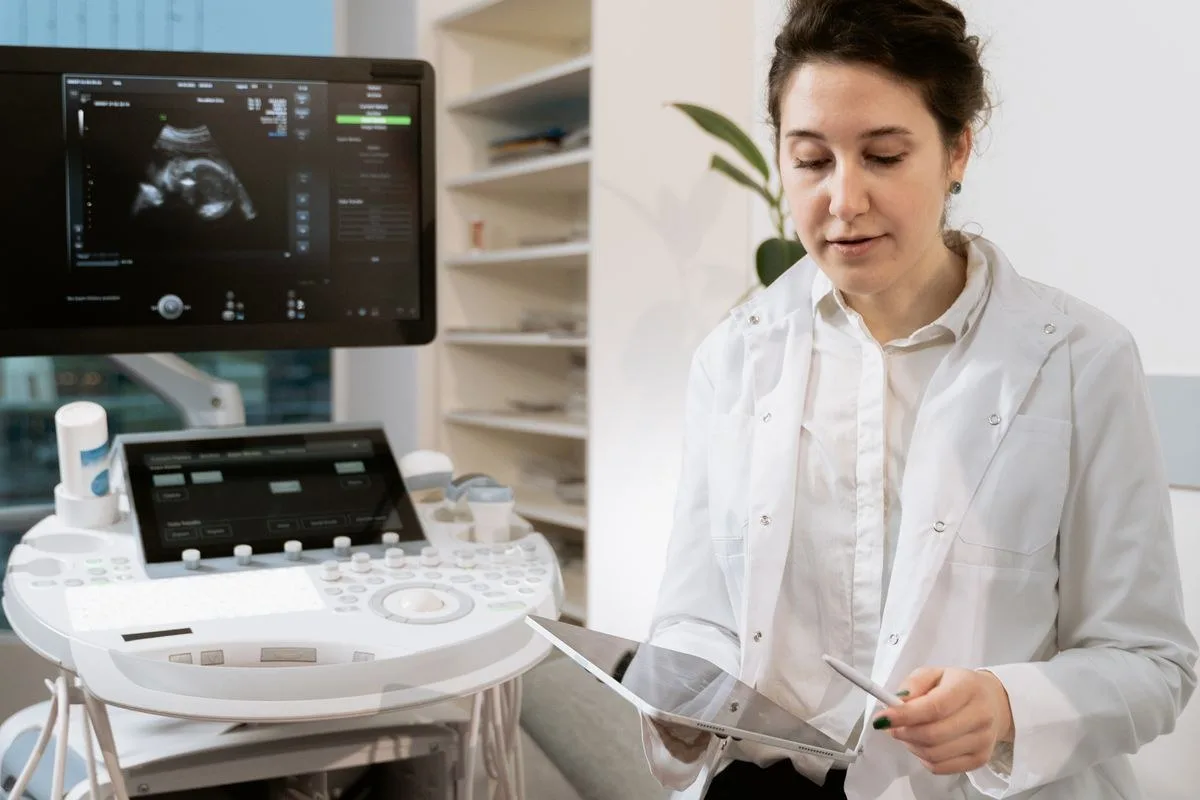
Detailed ultrasonography (second-level ultrasound) is a method of screening, usually performed between weeks 18-22 of pregnancy, which systematically examines the baby's organ development. Organs such as heart, brain, kidney, skeletal structure are evaluated in detail.
During this screening, the position of the placenta, the amount of amniotic fluid and the growth rate of the baby are also checked. When any findings are detected, the physician decides whether additional examination or more frequent follow-up is required.
During this examination, the facial structure, spine and hand-foot development of the baby are also evaluated visually. Some organ structures may not be displayed at full clarity depending on the gestational week; in this case, a second ultrasound may be recommended for control purposes.
Detailed ultrasonography examination may take longer compared to standard ultrasonography controls; this time depends on the baby's position and the clarity of the structures to be examined. The mother's candidate is ensured to be in a comfortable position in the process.
Detailed ultrasonography is a recommended review on most pregnancy follow-up, whether in the risk group or not. This screening can be planned more closely in cases where a finding is detected in multiple pregnancies or previous pregnancies.
Examination and Screening Appointment Process
The pregnancy week must be correctly determined before making a screening test appointment in Samsun; This directly affects which test can be administered. The process begins with preliminary consultation, continuing with the evaluation of test results.
Each stage of this process is planned in such a way that the mother candidate can ask questions and share their concerns. The goal is not only to implement the tests technically, but to convey the results in an understandable manner.
The frequency of appointments may increase as the gestational week progresses; This becomes especially evident in the third trimester.
Preliminary Counselling Phase
At the first meeting, the mother's candidate's gestational week, previous pregnancy history and, if any, family history of genetic disease are questioned. From the first weeks of pregnancy, a regular interval Samsun obstetrician Tracking by is important in terms of accurate timing of screening tests.
In this consultations, the test schedule appropriate for the week of pregnancy is clarified and the previous examination results are evaluated if the mother candidate has one. The counseling phase also provides the basis for the planning of subsequent appointments.
During this consultations, concerns are also heard if the mother candidate is present; information on how the process will proceed will make the next steps more comfortable.
Test Preparation and Required Documents
For tests that require blood tests, it is usually not asked to come to an empty stomach; Only a specific preparation is applied in the sugar screening test, and this is also described during the appointment. If there are previous pregnancy and examination results, it is recommended to bring them with you so that comparison can be made.
The documents that are useful to have with you prior to the appointment are:
Information on previous pregnancy and birth history
Previous screening or examination results
List of medications used regularly
Identification and insurance information if available
The completeness of these documents prevents time loss during the examination and helps the physician to assess the pregnancy story more quickly. In case of incomplete documentation, the appointment is not cancelled; incomplete information can be completed during the examination.
Disclosure of Results and Follow-up Consultancy
Blood test results are usually ready within a few days, while ultrasound findings are evaluated during the examination. The results are clearly passed on to the mother candidate; The risk rate is what it means according to the gestational week, and the next steps are discussed together if necessary.
When the follow-up appointment will be scheduled depends on the outcome achieved and the week of pregnancy. In some cases, switching to the test calendar of the next trimester may be recommended for checking at shorter intervals.
The risk rates included in the results reports may seem complicated for the mother candidate; Therefore, what the numbers mean is explained in plain language by the physician. If necessary, a new date for the follow-up is set together.
What Procedures Are Performed If Risk Is Detected in Scan Tests?

When the screening test result shows high risk, the first step is a detailed re-evaluation of the result by the physician. A single high value often does not indicate a definite problem; Pregnancy week, ultrasound findings and other test results are interpreted together.
Facing a high risk outcome can be worrisome for the mother candidate; It should be remembered that this feeling is natural. Open communication with the physician throughout the process makes it easier to access the right information and reduce anxiety.
The steps followed as a result of high risk can be listed in general terms:
Reassessment of the outcome in detail by the physician
Additional examination with detailed ultrasonography if necessary
Determine whether a definitive diagnostic test (CVS or amniocentesis) is required
Based on the results, planning the genetic counseling process
Certain diagnostic tests, such as CVS (corion villus sampling) or amniocentesis, may be recommended when deemed necessary. CVS is usually administered between weeks 11 and 14, and amniocentesis after week 15; both are invasive methods and only come up after positive screening.
Based on the results of these tests, the genetic counseling process can be initiated. The decision regarding any pregnancy is not based on the screening test result alone; precise diagnostic tests, family history and physician evaluation are discussed together.
In some cases, it may be recommended to have a joint assessment with specialists in perinatology or genetic diseases. This collaboration aims to provide a more comprehensive assessment in complex cases. The findings obtained after definitive diagnostic tests are evaluated with the family and the next process is shaped according to this assessment.
Conclusion
Samsun pregnancy screening testsIt is a routine follow-up process, which is applied at regular intervals to monitor the development of the baby at all times of pregnancy and to recognize the possible risks early. Most tests do not impose any additional burden on the mother candidate as they are not invasive.
Correct interpretation of results and timely planning of further examinations when necessary requires regular communication with the physician. For the creation of a test schedule suitable for pregnancy week, you can contact the office via appointment.
Every curious topic about screening tests during pregnancy can be discussed in detail during the examination. Since each pregnancy is unique, it is recommended to create a personalized follow-up plan.

Original Turkish content prepared and reviewed by
Prof. Dr. Aşkı Ellibeş Kaya
Specialist in Obstetrics and Gynecology
Last updated: 25 August 2026
The content on this page is intended for informational purposes; the diagnosis and treatment decision is made only with your physician after the examination.
References
The following sources relate to the informational issues outlined by them. The personal diagnosis and treatment plan requires physician evaluation. Source texts are in English.
NHS
Screening tests in pregnancy (opens in new tab)Related subject: Purpose of screening in pregnancy and evaluations based on gestational week.
Frequently asked questions
No, most screening tests are done by blood sample and ultrasonography taken from the mother; It does not involve a direct intervention of the baby. Pain is not expected except for a slight discomfort during blood intake, and ultrasonography has no known side effects.
Related Services
Other issues under the heading of pregnancy.




Start with an appointment
Let us determine the day and approach that best suits you. Your consultations are conducted on a privacy basis.