

Samsun Epidural Birth (Painless Birth)
Epidural birth is a method of pain management that reduces birth pain to a tolerable level with a thin catheter placed in the lumbar area. The mother remains conscious throughout the procedure.
Samsun epidural birth Their services are a medical practice that prioritizes maternal and infant safety while effectively controlling the pain of childbirth. The pain experienced during the labor act is felt at different levels from mother to mother; The epidural method aims to significantly reduce this pain so that consciousness remains open.
This method can be preferred both at normal birth and at C-sectional birth. To whom, when, and how the application will be performed; The health status of the pregnancy is determined by the course of birth and the physician's assessment. Since each pregnancy is unique, the epidural birth decision becomes clear after an individual examination.
Interest in the epidural method among pregnant women who will give birth in Samsun has been increasing in recent years. The main reason for this is that birth pain is manageable and the mother can clearly participate in the birth process. Still, it is not right for every pregnant woman to expect the exact same result; The process is shaped by the person.
Obstetrics and Gynecology specialist serving in Samsun Atakum Prof. Dr. Aşkı Ellibeş Kaya, offers advice on pregnancy monitoring and assessing suitability for an epidural during childbirth. The hospital arrangements for the birth are planned in coordination with affiliated private hospitals in Samsun.
What is Epidural Birth?
Epidural birth is a method of pain management applied by placing a thin catheter in the epidural cavity around the spine from the lumbar region. The anaesthetic drug given through the catheter temporarily slows down nerve transmission in the lower body area, reducing the sensation of pain.
After the drug is given, the effect usually takes about fifteen minutes to begin. The mother remains conscious throughout the process, able to communicate with her environment and actively participate in childbirth. In this respect, the epidural does not exclude the mother from the birth process, unlike general anesthesia.
The main goal of epidural birth is not to completely feel the pain, but to reduce it to a tolerable level. In some pregnancies, a slight sense of pressure may persist; this varies from person to person and is followed by the physician throughout the process.
The timing of the method is also decisive on the outcome. In the final stage of childbirth, the effect of a requested practice after the cervix reaches full clarity may not be sufficiently apparent until the birth is complete. Therefore, it is important to consult a physician about timing.
Epidural Birth Practice and Basic Conditions in Samsun

In Samsun, epidural delivery is possible with the presence of an anesthesiology team in the hospital where the birth will be performed and the appropriate state of health of the pregnant woman. The decision to apply is based on a joint assessment of the obstetrician and the anesthesia team.
Not all pregnancies may have the same conditions for epidural birth. In cases such as bleeding disorder, infection in the lumbar area, or some neurological disorders, the method may not be considered appropriate by the physician. Therefore, prenatal evaluation is of great importance.
The fact that the maternity and anesthesia infrastructure is ready in the healthcare establishment where the application will be performed is another basic condition. It is recommended that pregnant women who are planning to give birth in Samsun clarify before delivery which hospital they will give birth in and whether there is an epidural opportunity at that institution.
Pre-Preparations and Conditions for Epidural Birth
Some basic steps are followed in prenatal delivery in the planned pregnancies, which are important for the safe progression of the process and are detailed by the doctor to the pregnancy.
The necessary preliminary preparations can be summarized in general terms as follows:
Regular pregnancy follow-up and evaluation of overall health status
Check of basic examinations such as bleeding profile and blood pressure before birth
Appropriateness of anesthesia team and maternity conditions at the hospital where the birth is planned
Informing the midwife about its epidural process, possible effects and alternatives
Close monitoring of the cervix opening and contraction pattern during labor
All of these preparations are shaped according to the physician's supervision and the individual condition of the pregnancy; a standard list may not apply to each pregnancy in exactly the same way.
The fact that pregnant people ask questions they are curious about before birth in an examination helps make the process more comfortable. Having prior knowledge of epidural birth can reduce the anxiety that may occur on their birthday.
How Does the Epidural Birth Process Work?
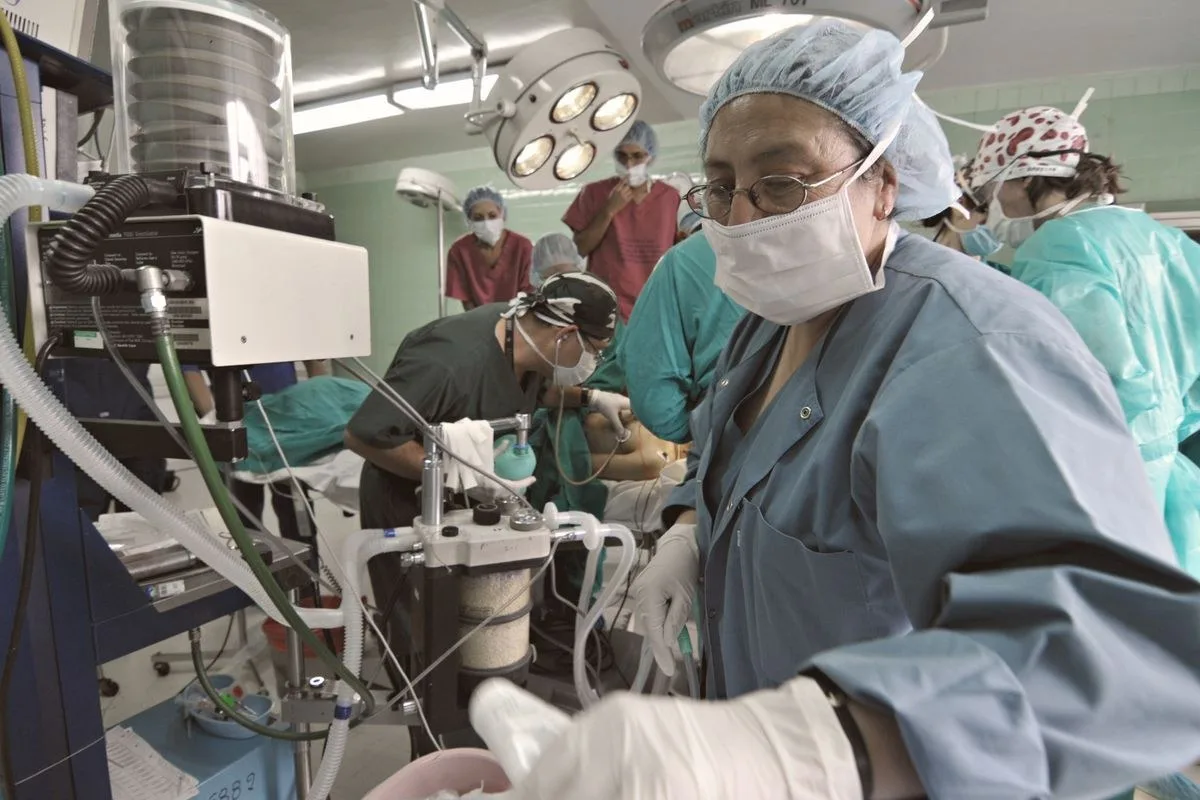
The epidural delivery process is not just a single step; it involves several stages, from prenatal evaluation to postnatal monitoring. At each stage of the process, the obstetrician and anesthesia team work in coordination.
In general, it is possible to address this process in three main stages: prenatal evaluation, catheter insertion and drug administration, followed by pain management throughout the birth. Each stage is shaped according to the outcome of the previous phase.
Examination Before Birth and Evaluation of Epidural Compliance
In the prenatal examination, the pregnancy's overall health status, gestational week, and the course of birth are evaluated. This assessment reveals whether epidural birth is an appropriate option for the pregnancy.
During the examination, a history of past health history, medications used, and chronic disorders are reviewed if any. Pre-consultations with the anesthesia team is also part of this stage and is usually planned near the date of birth.
As a result of this assessment, the pregnant woman is informed about the extent to which the epidural birth is appropriate for her, possible alternatives and the overall functioning of the process. This meeting, where the pregnant person can ask questions, aims to reduce the uncertainties that may occur on her birthday.
Placement of Epidural Catheter and Application of Anesthesia
As the labor progresses with regular contractions and the cervix reaches a certain opening, catheter insertion is performed. In general accepted practice, it is expected that the cervix is about four centimeters open and the contractions are seated on a regular pattern.
The procedure is done by placing a thin catheter from the waist area while sitting or lying on the side. Once the catheter is fixed in place, the drug application begins and its effect soon begins to be observed. Since very early practice can slow birth, timing is carefully determined by the physician.
The Role of Pain Management and Anesthesiologist During Birth
After the catheter is inserted, pain management throughout the birth is monitored continuously by the anesthesia team. When deemed necessary, the dose of medication can be adjusted according to the course of delivery.
The anesthesiologist monitors the mother's blood pressure and overall condition during the procedure; the obstetrician monitors the progress of childbirth and the baby's heart rate.The co-ordinated work of these two teams is important for the safe progression of the process.
In the later stages of childbirth, the dose of medication can be adjusted according to the level of pain the mother feels and the course of delivery. This flexibility takes into account the fact that the process can progress differently for each pregnancy, allowing the management of pain to continue dynamically throughout the birth.
Epidural Birth Advantages and Possible Risks
As with every medical practice, there are benefits and risks to be considered for epidural birth. The evaluation of these two aspects together helps the pregnant woman to make a conscious decision.
The fact that the midwife knows both the positive aspects and the possible risks of the method in advance allows her to be more prepared for situations she may face on her birthday. This process of informing is an important part of prenatal examinations.
Pain Control and Benefits in Mother-Baby Health
The main benefit of epidural birth is that the pain of childbirth is significantly reduced. Controlling the pain can help the mother remain calmer in the delivery process and retain her energy.
The outstanding benefits can be summarized as follows:
Reducing birth pain to a tolerable level
The mother's ability to actively participate in childbirth by remaining conscious
Contribution to the reduction of mother's fatigue in long-term labor
It can also be used in caesarean transition if deemed necessary.
It is possible to start walking and breastfeeding shortly after birth.
The level of these benefits varies from person to person, and no conclusive result carries the final guarantee; each pregnancy is assessed in its course.
Rare Side Effects and Complications Associated with Epidural Anesthesia
Although epidural birth is generally considered safe, as with every medical procedure, some rare side effects can occur, most of which are temporary and managed under physician supervision.
Some reported side effects include:
Temporary blood pressure low
Very rare, usually temporary headache
Risk of tenderness or mild infection in the application area
A slight increase in the likelihood of birth in some births
Very rare permanent neurological effect
The incidence of these side effects is low, and the vast majority of them will recede spontaneously soon. The physician and anesthesiology team closely monitor the mother before and after the application, aiming to recognize a possible symptom early and take necessary precautions.
The table below outlines the prominent aspects of epidural birth.
Direction: General Feature
Pain control: Reduces birth pain to a bearable level
Consciousness status: The mother remains conscious throughout the birth
Recovery: The effect usually subsides within 1-2 hours
Rare side effects: Temporary blood pressure low, rarely a headache
Application timing: It is usually assessed when a regular contraction pattern occurs
Epidural Birth Appointment and Application Process

The application process for pregnant women who are planning an epidural birth begins during the prenatal period. Early planning of the process provides a more regular preparation for both the pregnancy and the health care team.
First Consulting Phone or Online Request
The process usually begins with a request for an appointment by phone or via online channels. At this first contact, brief information is taken about the pregnancy week and its general condition.
After the first meeting, a suitable appointment date is set by the office. This stage is also a starting point for pregnant women who want to learn about epidural birth.
Preparing brief notes on pregnancy week before the appointment, previous birth history and general health status if any, can help to have a more efficient consultations during the examination.
Doctor's Consultation and Determination of Epidural Compliance
The examination after the appointment evaluates the course of pregnancy, health history and risk factors in detail, if any. In this consultations, a preliminary assessment is made of whether the epidural birth is appropriate for the pregnancy.
Those who wish to receive detailed information during pregnancy and childbirth, a Samsun obstetrician It can clarify how the process will work by meeting in advance. The final decision is shaped by assessments as the date of birth is approached.
Conclusion
Samsun epidural birthIt is a well-known and widely practiced method for pregnant women who wish to manage the pain of childbirth and seek physician evaluation in this regard. The suitability of the method is an issue that must be evaluated separately in each pregnancy.
A regular prenatal examination is important for the safe and planned progress of the process. Those who want to learn about epidural birth or continue pregnancy follow-up can plan the process together by requesting an appointment through the office.

Original Turkish content prepared and reviewed by
Prof. Dr. Aşkı Ellibeş Kaya
Specialist in Obstetrics and Gynecology
Last updated: 9 September 2026
The content on this page is intended for informational purposes; the diagnosis and treatment decision is made only with your physician after the examination.
References
The following sources relate to the informational issues outlined by them. The personal diagnosis and treatment plan requires physician evaluation. Source texts are in English.
NHS
Pain Relief in Labour (opens in new tab)Related subject: Application of epidural analgesia at birth and possible side effects.
The information on this page is for general informational purposes only and does not replace medical advice, diagnosis or treatment. Each patient's condition is different; the method and process to be applied is determined only by the physician after examination and evaluation.
Frequently asked questions
No, the goal is not to completely eradicate pain, but to reduce it to a bearable level. In some pregnancies, the feeling of mild pressure may persist and this varies from person to person. The level at which the pain will be felt is monitored by the team throughout the birth.
Related Services
Other issues under the heading of pregnancy.



Start with an appointment
Let us determine the day and approach that best suits you. Your consultations are conducted on a privacy basis.