
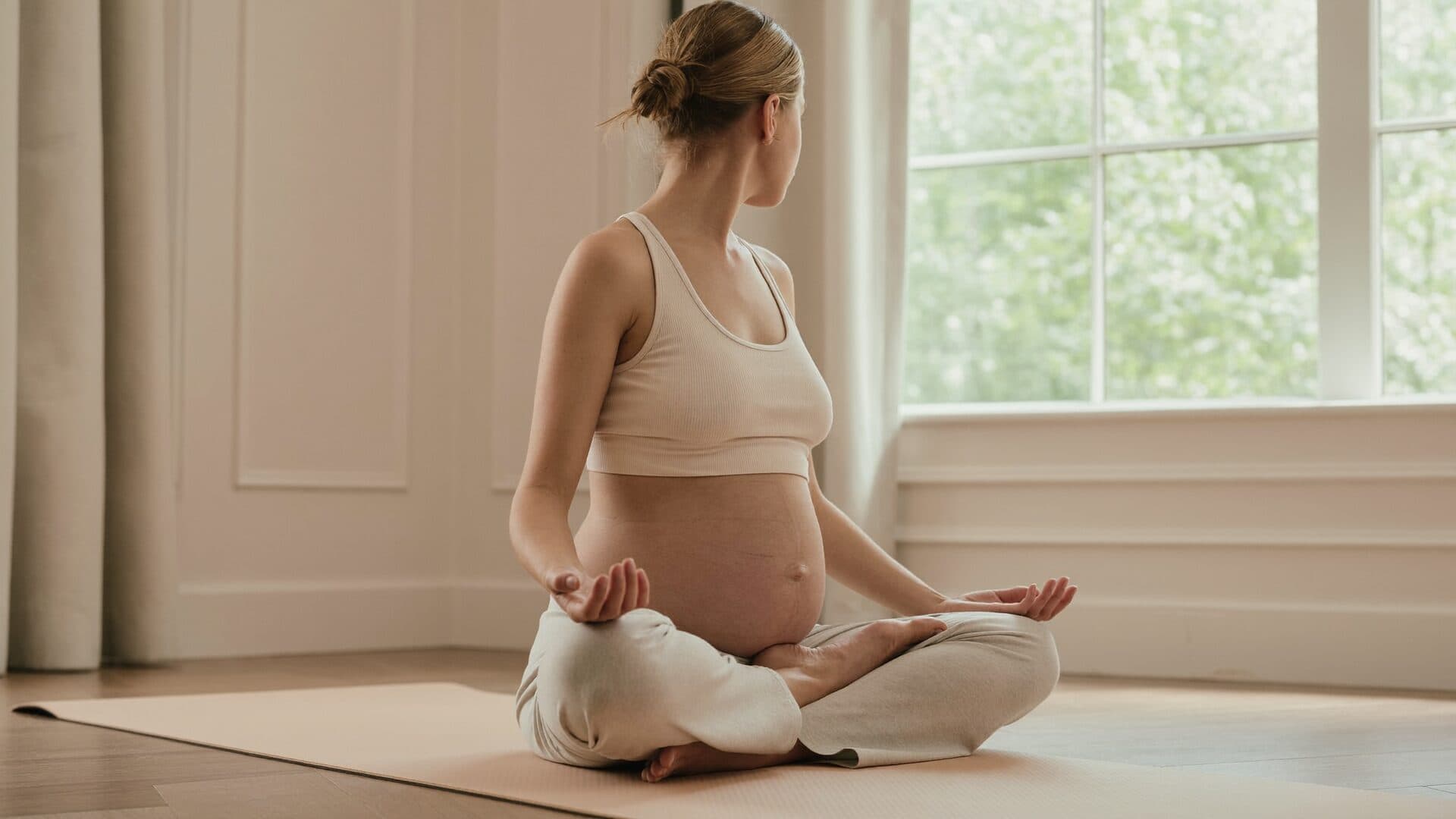
Samsun Exercise Counseling During Pregnancy
Exercise in pregnancy supports circulation, weight control and sleep patterns when performed at the right type and intensity. The program is tailored to the person according to the trimester, with a physician's assessment.
Samsun pregnancy and exercise They provide safe, physician-assisted counseling services. Movement during pregnancy promotes maternal and infant health when done correctly; But the type, intensity and duration of proper exercise varies according to the trimester and the doctor's recommendation. This counseling process is planned according to the individual health condition, under physician supervision, for both pregnant women and candidates preparing for pregnancy.
Physical activity in pregnancy; It is important to regulate circulation, support weight control, relieve back and back pain, improve sleep quality, and contribute to the delivery preparation process. However, each pregnancy is unique to itself; In some cases, exercise is restricted or fully delayed. Therefore, physician evaluation is essential before starting the program.
The main contributions that exercise can make in pregnancy can be summarized as follows:
Supporting the circulatory system and reducing the feeling of swelling
Contribution to controlled monitoring of weight gain throughout pregnancy
Ease of tension in the back, waist and hip area
Supporting sleep patterns and overall energy level
Increased body awareness during the birth preparation process
The extent to which these contributions can be obtained and by what type of exercise varies from person to person; therefore, it is recommended that the program be maintained with physician approval and regular follow-up.
Counseling service is as meaningful to women who have been active in their previous pregnancy as it is to women who have experienced active exercise or vice versa.The goal in both groups is to create a realistic, sustainable exercise habit that suits the current situation.
Samsun Atakum Prof. Dr. Aşkı Ellibeş KayaAs a Obstetrician, she evaluates the overall health status of patients during the pregnancy follow-up process and directs them to individual exercise. Counseling is conducted by appointment system within the office.
When is Pregnancy and Exercise Counseling Necessary?
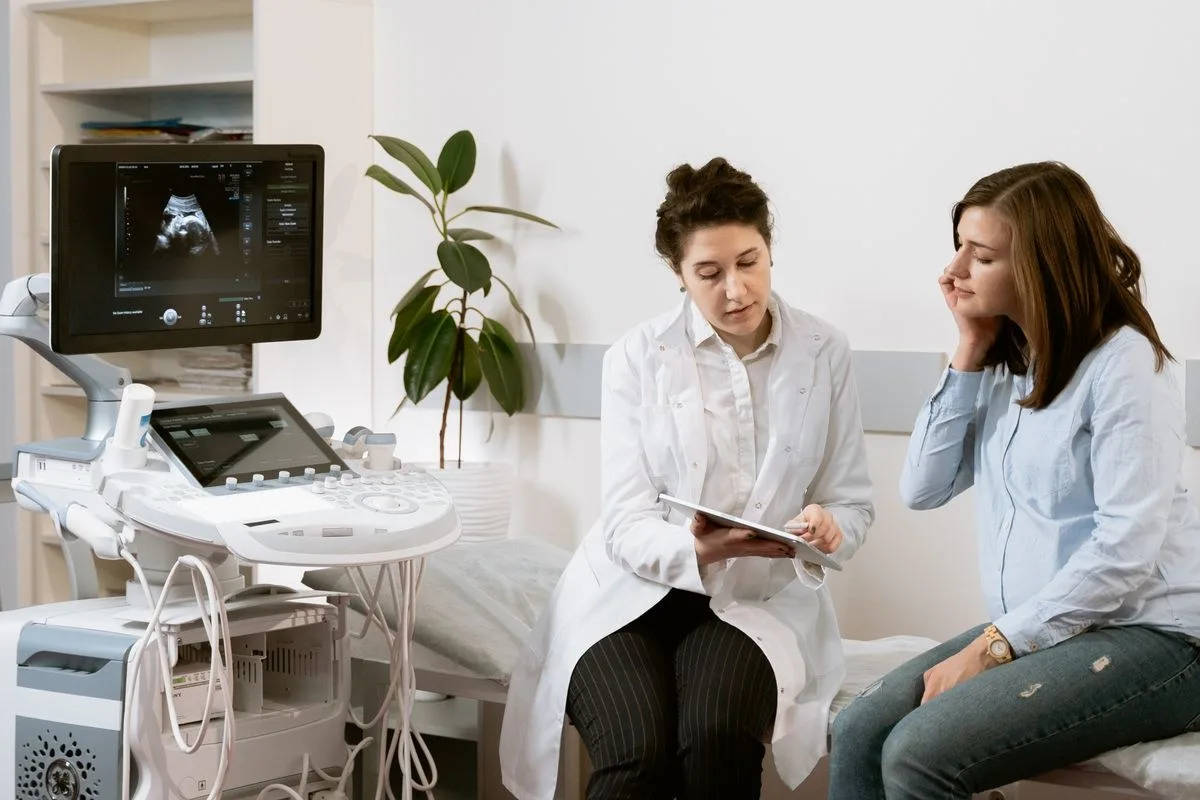
Counseling before starting exercise in pregnancy is important to determine the possible risks beforehand. In a healthy and uncomplicated pregnancy, regular movement can be recommended from the early stage with physician approval. However, in cases such as chronic disease, multiple pregnancies, or complications with previous pregnancies, the program is individualized.
The consulting process is not limited to answering the question of "can exercise be done" only; It is also clarified in this consultations what type, frequency and intensity should be acted on. Thus, the pregnancy has a clear frame in which it can follow its own body throughout the process. In case of need, the program is reviewed as the pregnancy progresses.
The question of when counseling is required is actually valid for every pregnancy; even in a healthy pregnancy, the exercise program is recommended to start with physician approval. In pregnancy that carries a risk factor, this assessment plays an even more decisive role.
Exercise Fitness According to Pregnancy Trimester
In each trimester, the body experiences different physiological changes, which directly affect the choice of exercise. In the first trimester, mild-tempered movements are preferred as nausea and fatigue may be at the forefront. In the second trimester, energy usually increases and regular activity can be resumed. In the third trimester, the balance changes due to the growing abdomen, so it is recommended to switch to low-impact and controlled movements.
Trimester: The General Exercise Approach
First trimester: Light paced walking and breathing work; time is kept short relative to nausea and fatigue
Second trimester: Regular, moderate-paced activities such as hiking, swimming and prenatal yoga
Third trimester: Low-impact and controlled movements that are suitable for balance change; time and intensity are reduced
As pregnancy progresses, increased looseness hormone can lead to increased flexibility in joints and ligaments; This may increase the risk of balance loss and injury somewhat. Therefore, it is recommended to avoid movements that require sudden change of direction, especially from the end of the second trimester, and to prefer controlled and balanced exercises. Being able to speak comfortably during exercise is considered a simple indicator that the intensity is at an appropriate level.
Risk Factors and Contraindications
In some health conditions, the exercise program is limited or delayed by the physician. A history of high blood pressure, placenta-related problems, early birth threat, multiple pregnancies or irregular bleeding can be included in these conditions. The presence of such risk factors is assessed by thorough examination and necessary examinations.
Risk assessment is a recurring process not only during the first consultations, but throughout pregnancy. When a new complaint or finding appears, the exercise program is reviewed. If one of the following conditions is present, the program is specifically limited by the physician:
Uncontrolled history of high blood pressure or preeclampsia
Early birth threat or cervical insufficiency
Active vaginal bleeding
Severe heart or lung disease
Restrictions set by the physician in plural pregnancy
If any of these symptoms are present, a physician evaluation should be taken before starting the exercise program, the program should be shaped according to this assessment.
It may not always be necessary to ban exercise altogether in pregnant women with risk factors; In some cases, the type and intensity can be changed to continue the movement with a more controlled schedule. This distinction depends on the detailed assessment that the physician will make.
Coordination with Samsun Health Institutions
In special cases that may arise during pregnancy follow-up, an additional examination or consultation process can be conducted in coordination with contracted private hospitals in Samsun. This coordination provides additional assurance in terms of the pregnancy's overall health status and the safety of the exercise program. Birth plan and possible further examination needs are also evaluated together in this process.
In pregnancy, which requires further examination or is considered high risk, consultation may be requested from the relevant majors. When such a need for coordination arises, the process is conducted within the knowledge of the pregnancy and transparently. The goal is to ensure that the exercise program remains within safe limits at each stage.
This coordination approach allows the pregnancy to be directed to the appropriate health care provider at any stage it needs, without having to adhere to a single center, so that the exercise program proceeds in an integrated manner, not detached from the overall flow of pregnancy follow-up.
Safe Exercise Types and Program Selection in Pregnancy

The types of exercise recommended in pregnancy consist of low-impact and controlled movements. Program selection is determined by physician direction, taking into account the week of pregnancy, previous sports experience, and overall health status. The goal is to support circulation and muscle strength without overloading the body.
As a general approach, it is recommended to move at a moderate pace most days of the week in a healthy pregnancy; The duration and frequency are gradually increased based on the person's previous activity level. In pregnant women who have not previously practiced regular sports, the program begins with short periods and is extended over time. In those with a regular sports background, the current habit can be maintained by reorganizing it appropriately for pregnancy.
A brief warm-up before exercise and then a cooling section contribute to the more comfortable working of muscles and joints.Sufficient fluid consumption and the choice of appropriate clothing are also simple but important details that support the process being safe.
Swimming and Water Exercises
Swimming is often recommended in pregnancy as an activity that reduces the load on joints and works the entire body. Thanks to the lifting force of water, the load in the back and waist area is lighter, the swelling sensation can be reduced. Water exercises are among the preferred options, especially in the second and third trimesters, as they do not pose a risk of falling or impact.
During swimming, it is recommended that the water be warm and at appropriate temperature, and the floor and pool edges are not slippery. Avoiding dive moves and hard kick movements that put pressure on the abdominal area contributes to making the process more comfortable. Walking in water and light-tempo swimming styles are often well tolerated.
It is recommended that pregnant women with no previous swimming experience begin with a step-by-step adjustment to water and preferably accompanied by a companion. Hygiene conditions of the pool environment are another factor to consider in terms of the safety of water exercises.
Prenatal Yoga and Breathing Techniques
Prenatal yoga; It is a low-impact form of exercise that aims to give flexibility, balance and breath control. Breathing techniques can contribute to coping with stress during pregnancy and preparing for the birth process. It is important that the program consists of movements appropriate to pregnancy and avoid positions requiring extreme stretching.
It is recommended that pregnancy yoga be applied to the subject with the help of an experienced and expert instructor in the physiology of pregnancy. Positions that require prolonged backstroke should be avoided, especially from the end of the second trimester. Breathing studies are considered a valuable component in terms of both relief during pregnancy and preparation for labor.
During yoga sessions, it is recommended to take a break from movement in case of dizziness, overheating or discomfort, replacing the position with a more comfortable alternative if necessary. In group classes, the instructor's knowledge of the pregnancy week makes it easier to adapt the movements accordingly.
Daily Walking Rutini and Intensity
Walking is a basic activity that does not require equipment and is suitable for most pregnancies. The overall approach is to take a walk most days of the week at a moderate pace and at a level of intensity comfortable enough to talk. The duration and tempo are personalized according to the general condition of the pregnancy and the physician's recommendation; It is recommended to take a break when feeling tired.
The test of being able to speak during the walk can be used as a practical method to assess whether the intensity is appropriate; Being able to make sentences without breathing usually shows the appropriate tempo. Walking on flat, sturdy floors and with proper footwear helps reduce the risk of falling. It is useful to shorten the duration of walking in hot and humid weather, supported by abundant fluid consumption.
Starting the walking routine with short periods of time and gradually increasing the duration based on gestational week and one's harmony is a practical way to create a sustainable habit. The preference for comfortable, supportive-based shoes is also important in terms of comfort.
Exercises Not Recommended to Do During Pregnancy
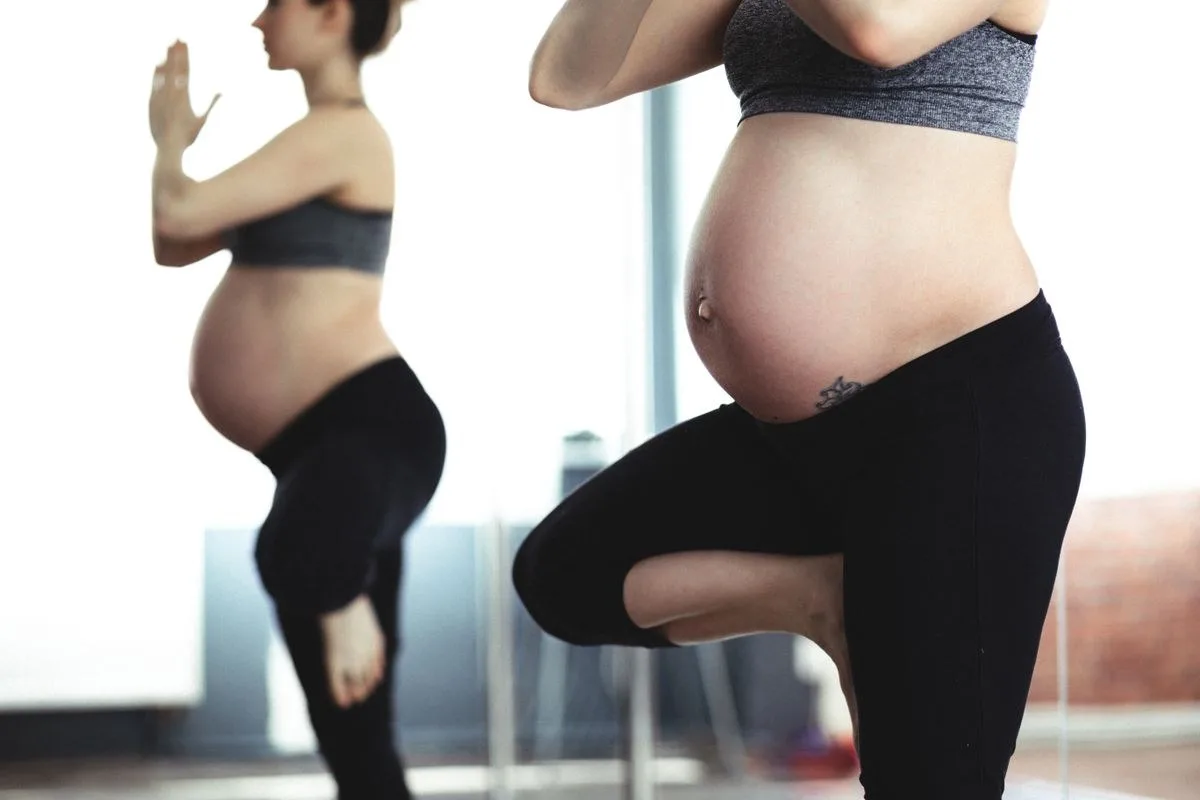
Some types of exercise during pregnancy are not recommended because they pose a risk of falling, being hit or being over-forced. Avoiding such activities is important for both maternal and infant health.
High-tempo movements involving running, splashing and sudden directional change
Sports at risk of contact, such as football, basketball
High-risk activities such as cycling, skiing, horse riding
Intensive exercises in an overheated environment
Movements that require a long back position after the second trimester
Shuttle or plank type movements that directly and heavily load the abdomen
The common feature of such activities is that there is a high chance of falling, being hit or being over-forced, and it is recommended that pregnant women who have previously performed these spores regularly be guided to alternative, low-risk options throughout pregnancy.
In some cases, it may be enough to change the type of exercise rather than completely restrict it. Therefore, the "not done" list provides a general framework; the individual-specific decision is always clarified by physician evaluation.
If one of the following symptoms occurs during exercise, the activity should be stopped immediately and the physician should be consulted without delay:
Unusual increase in shortness of breath
Don't feel dizzy or faint
Chest pain or irregular heart palpitation
Vaginal bleeding or fluid arrival
Abdominal pain or repeated contractions at regular, frequent intervals
Sudden swelling in the legs or aggravated headache
These symptoms may not always indicate a serious problem, but physician evaluation is necessary for differential diagnosis; it should not be expected to spontaneously pass.
In general principle, the "leave when tired" approach should be adopted; exercise should not be maintained until fatigue is felt. The signals given by the body are considered to be a more reliable guide than any set of rules.
Exercise Program Process and Counseling in Pregnancy

The counseling process begins by evaluating the pregnancy's overall health history and current gestational week. Risk factors are determined if they are present in the first consultations, followed by a referral about the appropriate type of exercise and intensity. As pregnancy progresses throughout the process, the program is reviewed; If needed, intensity is reduced or the type of exercise is changed.
The first meeting usually follows these steps:
General health history and previous pregnancy/sport history
Assessment based on current pregnancy week and risk factors if any
Guidance on the appropriate type of exercise, frequency and intensity
Planning additional examinations or consultations if deemed necessary
Determination of follow-up intervals
In order for the program to be sustainable, the pregnancy's previous sports habits, workload and daily routine are also taken into account. The goal is to create a realistic and personalized plan that can be safely implemented throughout pregnancy. When any unusual symptoms develop, it is recommended that the program be reassessed with the physician.
Follow-up intervals are usually planned simultaneously with routine pregnancy controls; Thus, the exercise program becomes a natural part of pregnancy tracking. The midwife can share the questions that have been in mind throughout the process with her physician on the next appointment.
Pregnant Candidates and Exercise Preparation

Gaining a habit of regular physical activity during the pre-pregnancy period can contribute to getting more ready for pregnancy. Counselling for pregnant candidates includes assessing the current health status and laying the foundations for an exercise habit that can be maintained during pregnancy.
During this period, the goal is not only physical preparation, but also to be mentally prepared for the restrictions and changes that may be encountered during pregnancy.The regular habit of movement that begins during the preconception period can make it easier to adapt to exercise during the pregnancy process.
Pre-Pregnancy Cardiovascular Fitness Tests
By evaluating general health status and cardiovascular fitness in the pre-pregnancy period, the safe limits of the exercise program are determined. This assessment is important to determine whether there is an underlying heart or circulatory problem. If necessary, the additional examination and consultation process is planned by physician's direction.
Cardiovascular fitness assessment is especially important for women who have not done regular exercise before or are thought to be an underlying health problem. As a result of this assessment, the type and intensity of the exercise program to begin before pregnancy is clarified.
If deemed necessary at this stage, consultation with cardiology or another related major may be requested. The evaluation results directly shape the exercise approach to follow both before and during pregnancy.
Editing Preconception Exercise Routine
The exercise routine for women who plan to become pregnant is gradually created based on the current level of physical fitness. A regular but measured activity habit can make it easier to continue the movement during pregnancy. When creating routine, weight management, muscle strength and overall endurance are evaluated together.
The routine set up during the preconception period usually covers the following components:
Moderate activities that support cardiovascular endurance
Movements to strengthen the corporal and pelvic floor muscles
Flexibility and balance studies
Regular habit of movement to contribute to weight management
The proportion and content of these components are shaped according to the person's current physical condition and physician evaluation.
The routine started during the preconception period can be adapted without the need for a major program change when pregnancy occurs; This makes the transition process more comfortable.
Application to Pregnancy Exercise Counseling Service in Samsun

Pregnant women and pregnant candidates who want to receive pregnancy and exercise counseling in Samsun can apply to the practice by making an appointment. In the first meeting, a general health history is taken, examinations are planned as needed and a specific referral is made to the person accordingly.
Those who wish to gain reliable knowledge of exercise during the pregnancy process, Samsun obstetrician It can continue with more confidence as long as it is evaluated with the company. This type of assessment ensures that both the current health condition and exercise program are handled together.
Sharing information about pregnancy week, current complaints if any, and prior examination results during the application process helps make the first consultations more productive so that the physician can make a more concrete referral on the first date.
Contact Information and Location
The practice is located at Cumhuriyet Mahallesi Canik Apartment No:210 Kat:1 Apartment:4, Atakum/Samsun. Those who wish to make an appointment and receive information can contact the office directly.
Since the location is located at an easy point to reach in the Atakum region, it is a practical option to visit at regular intervals for both pregnancy tracking and exercise counseling.
When planning an appointment, it may also be possible to combine it on the same day as routine pregnancy control, taking into account gestational week. In this way, a more holistic process can be carried out both in terms of time and tracking.
Online Consulting Option
In addition to a face-to-face examination, the option of online counseling can also be considered if appropriate. However, initial assessment and face-to-face physical examination is recommended for safe planning of the exercise program. Online consultations are mostly used for tracking and program updates.
Online counseling, especially for pregnant women who live or travel frequently outside the city, can provide practical support for maintaining and updating the current program if necessary. Nevertheless, face-to-face assessment should be preferred when a new complaint or risk factor arises.
Conclusion
Samsun pregnancy and exercise Counseling contributes to the safe and effective maintenance of movement during pregnancy. Since the type, duration and intensity of exercise may vary for each pregnancy, it is important to take a physician's assessment before starting the program. With the right direction, it is possible to go through a moving and healthy process during the gestation period.
On this journey from pre-pregnancy to childbirth, regular physician follow-up and personalized exercise planning progress together. When you have questions or an existing health condition, it is recommended that you be evaluated by making an appointment before starting the program.

Original Turkish content prepared and reviewed by
Prof. Dr. Aşkı Ellibeş Kaya
Specialist in Obstetrics and Gynecology
Last updated: 25 August 2026
The content on this page is intended for informational purposes; the diagnosis and treatment decision is made only with your physician after the examination.
References
The following sources relate to the informational issues outlined by them. The personal diagnosis and treatment plan requires physician evaluation. Source texts are in English.
NHS
Exercise in pregnancy (opens in new tab)Related subject: Movement in pregnancy, exercise measures and pelvic floor exercises.
Frequently asked questions
In a healthy pregnancy, low-impact activities such as walking, swimming and prenatal yoga are generally considered safe. However, eligibility varies depending on the gestational week and overall health condition; A physician's approval must be obtained before starting the program. During exercise, the body's signals should be taken into account, with a break when feeling extreme fatigue.
Related Services
Other issues under the heading of pregnancy.




Start with an appointment
Let us determine the day and approach that best suits you. Your consultations are conducted on a privacy basis.