
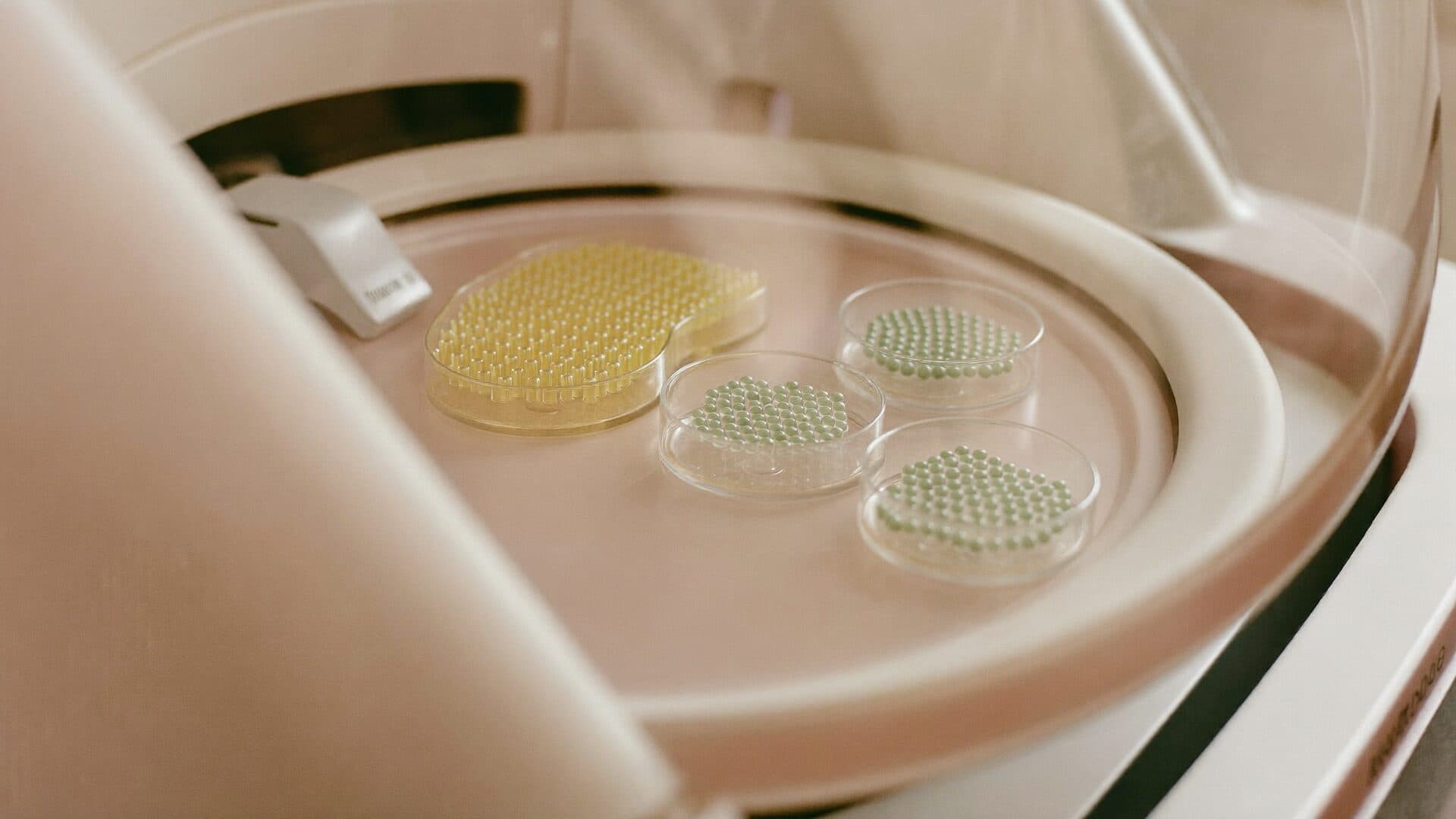
Samsun Infertility Treatment
Infertility treatment is a step-by-step process in which both the male and female factor are investigated and based on diagnostic results. The method to be applied is determined by the pair's own test results.
Overview
Infertility treatment includes medical assessment and treatment options for couples who have difficulty having children. This approach is a process in which both the male and female factor are investigated, taking shape according to the individual examination result.
From the diagnostic step to the method applied, each step is determined by the pair's own test results and there is no single standard path. This page discusses what infertility is, diagnostic methods, treatments implemented and how the process works.
Infertility does not depend on a single cause; It is evaluated in a wide range of cases from hormonal disorder to blockage in tubes, sperm parameters to unexplained cases. The method to be applied varies from person to person, and the result cannot be said in advance; The most appropriate path is determined after a physician's examination.
While several tests are sufficient in some couples, a more detailed examination and long-term follow-up may be required in some cases. In our practice in Samsun Atakum, we offer infertility assessment and treatment planning services under the scope of women's diseases and obstetrics expertise.

What is Infertility?
Infertility is defined as the state of not having a pregnancy after a certain period of time, despite regular and unprotected sex. The generally accepted measure is that women under the age of 35 cannot conceive for one year and women over the age of 35 cannot conceive for six months.
Although it is not necessary to worry about this deadline, an earlier assessment may be requested if there is a suspicion of an underlying problem. Some couples may have previous pregnancies, but later difficulties may arise; This condition is called secondary infertility and is evaluated separately from the first time you are unable to conceive (primary infertility).
Although the term infertility is often used among the public, in the medical literature the expression infertility is preferred because in most cases it is not a permanent insufficiency but a temporary or manageable condition that can be overcome by treatment.
The causes are roughly grouped into three groups: female-related factors, male-dependent factors, and unexplained infertility, which has no clear cause on either side. These three groups are seen in close proportions in the distribution of cases. In some cases, the problem arises from a combination of several factors on both sides, at a mild level.

How is Infertility Diagnosed?
The diagnostic process begins with the couple's story being taken; Menstruation, past surgeries, chronic diseases and previous pregnancy trials are questioned.
On the female side, the hormone profile is examined by blood tests, egg reserve and uterine structure are evaluated by transvaginal ultrasonography. An X-ray-based imaging method called hysterosalpingography (HSG) can be used to show if the tubes are open. Additional imaging methods, such as hysteroscopy, may also be brought up to examine the internal structure of the uterus more closely in cases where it is deemed necessary.
On the male side, the basic assessment is done by spermiogram, i.e. sperm analysis; the sperm count, mobility and structure are examined by this test. Additional hormone tests or imaging methods are also included in the process if deemed necessary.
The results of all these tests are combined to determine the possible cause of infertility and the appropriate treatment approach. Most tests are out of the way, which can be completed in a short time, and the results are usually ready to be evaluated within a few days. Repetition of the spermiogram result when necessary, not limited to a single sample, contributes to the more reliable interpretation of the result.

What Situations Need Infertility Treatment?
Hormonal tables such as ovulation irregularities, polycystic ovary syndrome, obstruction in the tubes, endometriosis and intrauterine structural disorders are among the most common causes of female involvement.
On the male side, vascular problems such as low sperm count, decreased mobility, structural abnormalities and varicoceles are prominent, with most of these conditions being managed by a proper treatment protocol following the correct diagnosis.
Despite all the tests performed in some couples, no clear cause can be found; this table is called unexplained infertility, and treatment options can still be considered.
Lifestyle-related factors such as advanced age, previous pelvic surgeries, smoking and alcohol use, overweight or low weight may also affect the likelihood of conception. Therefore, evaluation is not limited to reproductive organs only, but also the general health condition is considered.
The question of when to apply for a doctor is often raised; As a general rule, it is recommended that women under the age of 35 be evaluated for one year and women over the age of 35 if they are unable to conceive despite regular trial for six months.
If there is a known menstrual disorder, past pelvic surgery, suspicion of endometriosis or a known reproductive problem in the mate, an early application can be made without waiting for these periods. Early evaluation benefits from timely detection of a possible cause.
Female-related factors: ovulation irregularities, tube obstruction, endometriosis, intrauterine structural disorders
Male-related factors: low sperm count or motility, structural abnormalities, varicocele
Common/unexplained factors: cases with no clear cause on either side
Supporting factors: advanced age, smoking-alcohol use, overweight or low weight, chronic diseases
The Treatment Methods
The treatment proceeds with a cascading logic; It is usually started from the least invasive method and moved on to more advanced techniques unless results are obtained.
The practice is carried out in coordination with a hospital or IVF center that is suitable for the outcome of diagnostic tests and the special condition of the couple; The treatment plan determined in our practice is implemented in these centers.
Which method is appropriate depends on the outcome of the diagnostic tests and the specific situation of the couple.
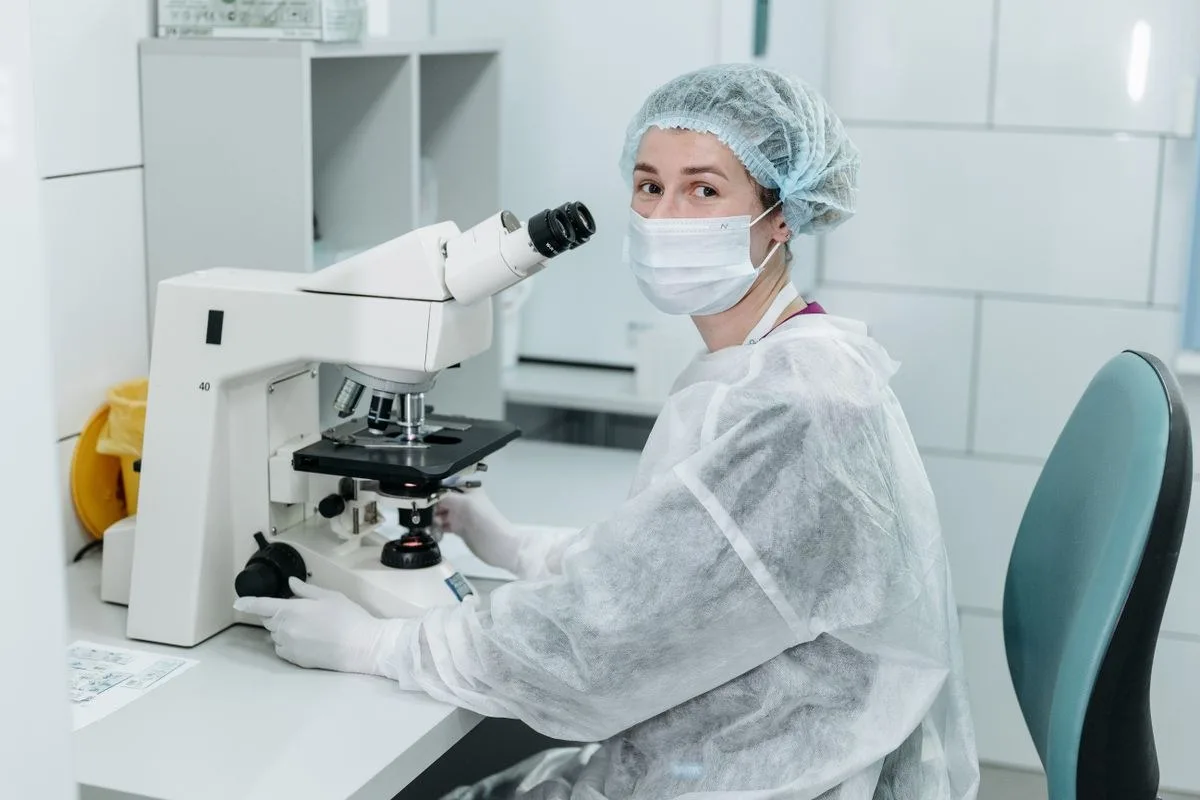
How to Apply IVF Treatment
The IVF method is based on the fact that eggs and sperm are brought together outside the body, in a laboratory environment, to ensure fertilization. The process begins with overstimulation by hormone therapy; After the maturation of the eggs is followed, the collection process is performed.
The resulting eggs are fertilized with sperm and the embryos formed are transferred into the uterus after a few days of development.The embryos of appropriate quality remaining after transfer can be stored for future use by freezing them with the couple's approval and under suitable conditions.
This method is usually preferred in cases where there are no results from severe blockage, severe male factor, advanced age or other treatments in the tubes. The practice requires close follow-up from the determination of the treatment protocol to embryo transfer.
Each stage of the process proceeds under physician control and personalized planning is carried out. Regular ultrasound and hormone monitoring during overstimulation helps adjust the dose to the person.
Intrauterin Insemination (IUI) and Implementation
Intrauterin insemination, commonly known as insemination, is the process of placing prepared sperm directly into the uterus with the help of a thin catheter at a time close to ovulation time.
This method aims to increase the likelihood of fertilization by shortening the distance the sperm reaches the egg. Before the procedure, usually ovulation follow-up and, if necessary, a mild ovulation treatment is administered. The procedure itself is a practice that lasts for several minutes, does not require anesthesia and usually does not affect daily life.
IUI is often considered the first step in cases of mild levels of male factor, cervical factor, or unexplained infertility. Because the tube is a less invasive method compared to the baby, it is often tried first.
In the event of no results, the physician will review the treatment plan and decide whether to proceed with a further method. In cases where there are no results from multiple IUI trials, the process is usually directed to a IVF assessment.

Ixi (ICSI); Approach to Sperm-Based Problems
ICSI is a laboratory technique applied as a substep of IVF treatment, where a single sperm is placed directly into the egg with the help of a special microinjector.
This method is especially preferred when sperm count or mobility is low, with the possibility of standard fertilization being poor. Stages outside the fertilization step proceed in a manner similar to the classic IVF process; So egg collection, embryo development and transfer steps are applied in the same way.
In cases where serious male factor, history of previous fertilization problems, or studied with frozen sperm, ICSI is a preferred option in order to increase the likelihood of fertilization. The fitness of the method is determined by spermiogram results and additional andrological assessments if available.
The decision is made as a result of the joint assessment of the laboratory team and the physician. In some cases, sperm may need to be obtained surgically; In this case, a coordinated planning is carried out with the relevant expertise.
What to Consider When Taking Infertility Treatment
Infertility treatment is a process that is both physically and emotionally intensive; Therefore, accurate information and realistic expectations are important.
Getting detailed information from the physician about the stages, possible risks and alternatives of the process before starting treatment helps the couple manage the process healthier. Taking notes in advance on questions to be asked before treatment ensures that no issues are skipped during the examination.
The fact that spouses transfer their expectations about the process together to the physician contributes to the creation of the treatment plan in accordance with both medical and personal needs.

Criteria to Consider in Doctor and Center Selection
Consultation with an experienced obstetrician in the field when starting treatment is decisive in terms of accurate diagnosis and appropriate treatment plan.
The physician listening to the patient during the evaluation, explaining the tests in detail, and describing the process step by step are confidence-building elements. The complete sharing of the past health story during the first meeting with a obstetrician allows the diagnostic process to progress more accurately.
The laboratory infrastructure, process standards and follow-up order of the center where the application will be performed are also factors that affect the course of the process.
Therefore, it is important to rely on the physician's direction in both the examination phase and the center selection where treatment will be applied. Asking questions without hesitation and getting clear information about the process allows you to start treatment more prepared.
Clearing practical issues from the beginning, such as appointment frequency, ease of transportation and how to conduct the follow-up process, makes the process easier. Being able to continue with the same physician during treatment also gives an advantage in terms of the holistic evaluation of patient history and previous test results.

Psychosocial Support and Counseling
The process of infertility can lead to emotional strains in couples, such as anxiety, stress, and occasionally despair.
The normal reception of these feelings and the need for professional support contribute to the more balanced conduct of the process.In some cases, psychological counseling may be recommended as a supportive element that accompanies the treatment plan.
It is also important for couples to communicate openly with each other, share their expectations throughout the process, and make decisions together. Being able to manage pressure from family and the immediate environment is valuable in terms of maintaining motivation to continue treatment.
The physician may refer the patient to their respective support sources at the points he deems necessary. Intermittence in case the process is prolonged is also an option that is sometimes evaluated; This decision should also be taken with the physician again.

Infertility Treatment Process
The treatment process consists of certain stages, and each stage is shaped according to the result of the previous one. The orderly and thorough follow-up of these stages plays an important role in making the right decisions.
The total duration of the process can vary from person to person, depending on the method applied and the response of the couple. The four stages outlined below provide a general framework; The application details may vary in each patient.

Initial Consultation and Diagnostic Tests
The process begins with a first consultation, where the couple joins together. In this consultations, a medical history is taken, if any, previous treatment trials are evaluated and tests deemed necessary are planned.
Tests performed separately for men and women aim to reveal the possible cause of infertility. At this stage, what is expected of the patient is to share test results and, if any, previous medical records with the physician.

Determining the Treatment Plan
Once the test results have been obtained, the physician creates a treatment plan that matches the findings. This plan includes which method to apply, how to shape the treatment protocol if necessary, and the estimated timeline of the process.
The plan is reviewed together with the couple, to ensure that questions are answered. When deemed necessary, the plan can be revised and updated according to the progress of the process.
Procedure and Preparation to be implemented
According to the determined method, the preparation stage begins; if necessary, ovulation is supported by hormone therapy and regular ultrasound follow-up. The points to be considered before and during the day of application are shared with the patient.
Complete execution of the preparatory process contributes to the implementation's progress as planned. During this period, the patient is in regular contact with the physician, allowing for early detection of possible disruptions.
Follow-up and Conclusion Assessment
After the application, a certain period of time is expected and then the result is evaluated by pregnancy test. If the result is positive, the progress of pregnancy is monitored by regular checks.
In cases where no results are received, the physician will review possible causes and determine the next step with the couple. In both cases, the patient is presented with an open communication channel where he or she can share what he/she has experienced throughout the process.
Factors Affecting the Result in Infertility Treatment
Infertility treatments, the result is not simple enough to be expressed in a single number; It requires that many variables be evaluated together.
As a general trend, the clarity of diagnosis directly affects the result of the method applied and the couple's overall health status. Therefore, it is not right to promise a prior success with a particular treatment; each case is evaluated within its own circumstances.
In some cases, the desired outcome is reached in the first trial, while in others, multiple trials may be required, depending on many factors such as the patient's age, egg reserve, sperm parameters, and underlying diagnosis.
For a personal insight, the assessment that the physician will make after the tests are completed is the most reliable guide. It should also be noted that general statistics shared on the Internet are not directly applicable to every patient.
The Effect of Age and Other Factors
As age progresses, egg reserve and quality generally tend to decrease, an important factor affecting treatment outcomes.
Similarly, male age, sperm quality, chronic diseases, and lifestyle habits are among the factors that affect the outcome. The diagnosis also differs; for example, unexplained infertility and the course of the severe male factor may differ from each other.
For this reason, age alone is not deterministic; the overall health condition and diagnosis should be evaluated together.
The general characteristics of commonly practiced methods are summarized comparatively below. This information is based on the general process and preference criteria, which are clarified by a personal decision physician examination.
Ovulation induction: is often preferred in mild ovulation irregularities; The level of initiative is low.
IUI (insemination): is preferred in mild male factor, cervical factor and unexplained infertility; The level of initiative is medium.
IVF (tube baby): is preferred in cases where no results can be obtained from tube obstruction, endometriosis, advanced age and previous treatments; The level of initiative is high.
ICSI: is preferred in the story of serious male factor and previous problems of fertilization; The level of initiative is high.

Conclusion
Infertility treatment is a process that begins with the correct diagnosis, is planned specifically for the person and progresses step by step. Whatever the cause of infertility, current medical methods offer different levels of solution options; Which method is appropriate becomes clear only after a thorough assessment. Open communication with your physician at every stage of the process helps you make the right decisions.
Couples who have difficulty having children are advised to consult a specialist before becoming concerned.
The first step in this process is the evaluation and counseling meeting to be held in our practice, where it is determined which tests and what treatment steps are required so that the process can be further planned by avoiding unnecessary examination or procedure.
The initial assessment consultations provides you with a custom roadmap of how the process will proceed. The first meeting at our practice in Samsun Atakum is an important step for the healthy start of the diagnosis and treatment process.

Original Turkish content prepared and reviewed by
Prof. Dr. Aşkı Ellibeş Kaya
Specialist in Obstetrics and Gynecology
Last updated: 28 August 2026
The content on this page is intended for informational purposes; the diagnosis and treatment decision is made only with your physician after the examination.
References
The following sources relate to the informational issues outlined by them. The personal diagnosis and treatment plan requires physician evaluation. Source texts are in English.
NHS
Infertility (opens in new tab)Related subject: General definition of infertility and treatment options based on cause.
NHS
Diagnosis of infertility (opens in new tab)Related subject: Evaluation of the couple together; hormone, ultrasound, tube opening and sperm reviews.
Frequently asked questions
Yes, the so-called infertility in everyday language is met with the term infertility in medicine. In most cases, there is not a permanent deficiency but a condition that can be managed by treatment. Detailed evaluation is done after a physician's examination and tests.
Related Services
Other issues under the title IVF.




Start with an appointment
Let us determine the day and approach that best suits you. Your consultations are conducted on a privacy basis.