

Samsun Intrauterine Insemination (IUI)
insemination (IUI) is a less invasive reproductive aid treatment method in which prepared sperm are placed directly into the uterus with a thin catheter than in the tube baby. The appropriateness becomes clear by a physician's examination.
Samsun insemination treatment (IUI) is a reproductive aid treatment method for couples who cannot have children by natural means, often in the presence of mild male factor, unexplained infertility, or ovulation problem.
The IUI stands for "intrauterine insemination" and means the placement of prepared sperm directly into the uterus with the help of a thin catheter.
The method is considered less invasive than IVF treatment and is considered among the first-line treatment options for many couples. It becomes clear by a physician's examination who is suitable for whom, what examinations are required and what needs to be taken care of throughout the process.
In this article, we discuss in detail what insemination treatment is, in which cases it is recommended, how it is implemented step by step and the possible risks. Serving as a gynecology and obstetrician in Samsun Atakum Prof. Dr. Aşkı Ellibeş Kaya, conducts the process with his patient from infertility assessment to treatment planning.
Because each couple's clinical table is different, the information shared here provides a general framework; The final treatment decision is shaped according to the results of the examination and examination.
What Is insemination Treatment (IUI)?
insemination treatment is the process of bathing and concentrating the sperm sample from the man during the woman's ovulation in the laboratory environment, followed by a thin catheter being released directly into the uterus.
In this way, the distance sperm need to reach the egg is shortened and the chance of fertilization is sought to be increased.In order for the procedure to be performed, at least one tube of the woman must be open, the uterine structure must be appropriate, and a certain sperm quality must be present in the male factor.
Unlike natural fertilization, in IUI, sperm are placed directly into the uterine cavity, bypassing the cervical barrier.
In this respect, the method does not involve direct intervention outside the laboratory with eggs and embryos as in the IVF; fertilization again occurs in the woman's body, in the natural environment. Therefore, insemination is positioned as a simpler and less costly first-line option compared to the tube doll.
One of the prominent aspects of insemination treatment is that it stays closer to the natural cycle than the tube baby; there is no egg collection process or embryo creation stage in the laboratory environment.
This can make the process relatively shorter and less tiring for the woman, yet since each patient's fitness is different, the physician decides by looking at the results of the examination whether insemination or direct IVF would be more appropriate.
Although the term IUI is referred to as "insemination" in everyday language, it is short for intrauterine insemination in the medical literature and describes only the application to the uterus.
At each stage of the process, which method to apply is clarified by the physician along with the couple and the treatment plan is shaped accordingly.
In What Situations Is insemination Treatment Applied?
insemination treatment is a method recommended by the physician under certain diagnosis and clinical conditions. The assessment of eligibility is based on the couple's examination results and duration of infertility.
In general, IUI may be the first treatment option in the following cases:
Mild or moderate male factor (limited reduction in the number of sperm, mobility, or morphology)
Unexplained infertility, i.e. cases in which no apparent cause is detected in the examinations
Ovulation irregularities or conditions in which ovulation can be planned with medication support
Mild level of endometriosis
Depends on the cervical factor, when sperm has difficulty crossing the cervix
Relationship-induced causes such as sexual dysfunction or difficulty with ejaculation
The list above is a general redirect; Not every substance means that insemination treatment alone will be administered. The final decision is made by the physician after all of the couple's examination results are evaluated together.
The assessment of eligibility is not done by a single examination, but by the couple's story and the interpretation of all test results together.
During the examination, the woman's menstrual pattern, surgeries she has undergone and previous pregnancy trials if any are questioned; On the male side, the general health history and lifestyle habits are also included in the assessment.
This holistic approach allows both the treatment plan and timing to be shaped according to the couple's needs.
In contrast, if both tubes are blocked, advanced male factor, advanced maternal age, or some intrauterine structural problems may be recommended for direct IVF instead of insemination.
Which method is appropriate is determined by the physician after all examination results of the couple are evaluated.
Step-by-step insemination Treatment Process
insemination treatment is a process of several stages, from pre-assessment to pregnancy testing.
The total duration of the process varies according to the protocol used and the woman's menstrual cycle, but the overall flow progresses similarly in most patients. The following table summarizes the main stages of the process:
Phase: What's Done at This Stage
Preliminary assessment: Determination of fitness by HSG, hormone tests and sperm analysis
Ovarian stimulation: Support of follicle development and ultrasound follow-up with drug application
Crack needle: Application of the needle that triggers ovulation when folicula matures
Insemination: Leaving prepared sperm in the womb with a catheter
Tracking process: Waiting about two weeks for a pregnancy test
In some couples, insemination can also be planned with natural cycle follow-up, i.e. only ultrasound follow-up without medication support. Which approach to choose depends on whether the woman spontaneously lays regular eggs and previous treatment history.
Reviews Before Starting Treatment
Before starting insemination treatment, the couple's overall reproductive health status is evaluated in detail.
One of the most frequently requested examinations on the female side is HSG, i.e. the hysterosalpingography; This process is usually 7-10 of the menstrual period. It is done between the days and the structure of the uterine cavity with the opening of the tubes with the contrast substance given to the uterus is examined by X-ray. Mild cramping may be felt during the procedure, reducing this discomfort with pain relief if necessary.
In addition, the female's hormone profile is evaluated by blood tests and an idea of egg reserve is obtained. On the male side, sperm analysis is performed to examine the number, mobility and morphology values.
When all these results are combined, the physician decides whether insemination treatment is appropriate for the couple and which protocol to follow.
Tests may include measuring hormone levels such as thyroid and prolactin, as imbalances in these values can affect ovulation. Infection screening and general health checks are also added to the process if deemed necessary.
The medications used by the patient, chronic diseases and, if any, gynecologic operations he or she has undergone should also be shared with the physician in detail at this stage. All the findings obtained are the basis for a personalized planning of the treatment protocol.
At this stage, the male spouse is also questioned about his general health history, surgeries he has undergone, and chronic diseases if any.
The values at the limit in sperm analysis alone do not prevent treatment; The physician determines the optimal approach by evaluating the results as a whole. If necessary, the analysis is repeated after a certain period of time, confirming the results.
Ovulation Stimulation and Tracking
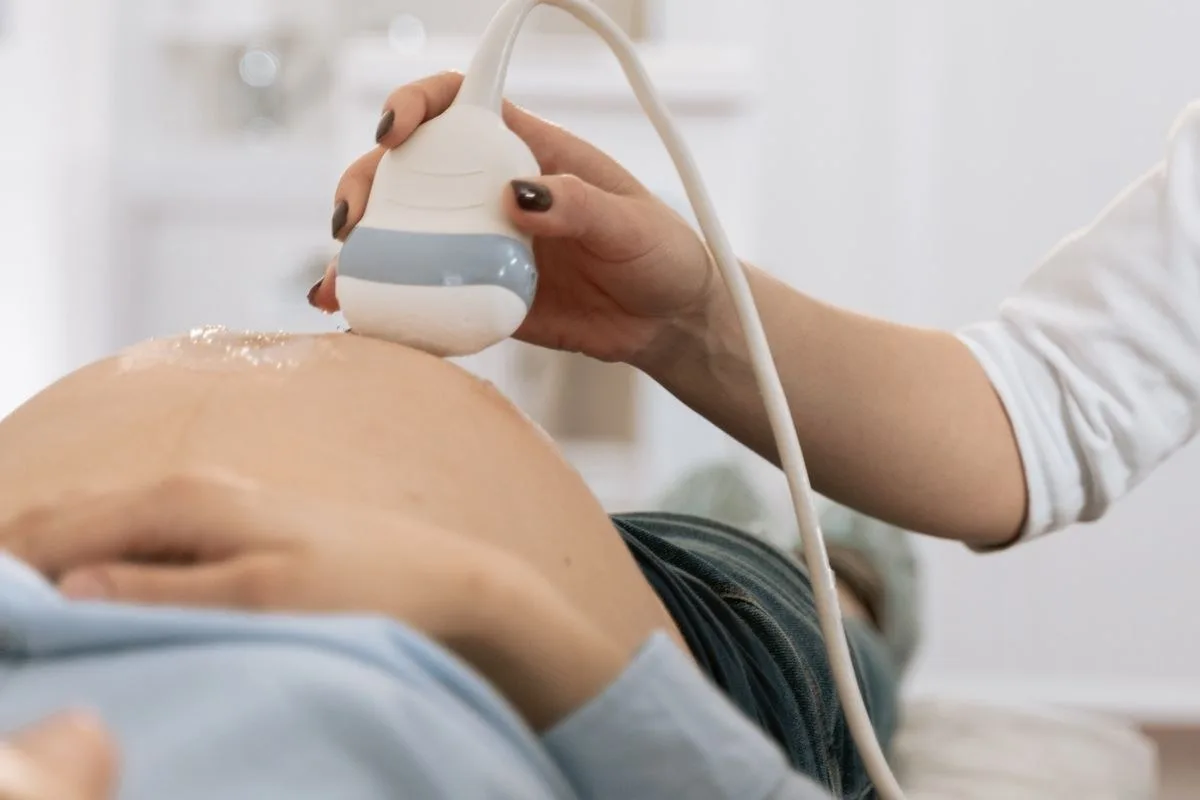
In most cycles of insemination therapy, hormone therapy is administered to support the development of multiple follicles of the ovaries. The drug administration begins in the first days of menstruation and can last from a few days to a week according to the growth rate of the follicles.
During this time, the number and size of follicles are monitored at regular intervals by ultrasound and blood tests when necessary.
The type and dose of the drug to be used is determined by the woman's age, egg reserve, and response in previous cycles. In some patients, lower dose protocols are preferred, while in some cases different approaches may be applied that require closer follow-up.
This personalization aims to both reduce the risk of side effects and ensure that follicle development is monitored at the optimal level.
The frequency of follow-up appointments can vary depending on the growth rate of the follicles; Some patients may need to be checked every few days, and others more frequently. During these appointments, the patient is also given time to ask questions about the process.
When the follicles reach sufficient maturity, a cracking needle (HCG) is applied to trigger ovulation, which predicts that approximately 36-48 hours after the injection will occur, and the day and time are planned for the insemination process.
The follow-up frequency and protocol details may vary from patient to patient, depending on the physician's preferred approach.
How Does the Insemination Process Happen?
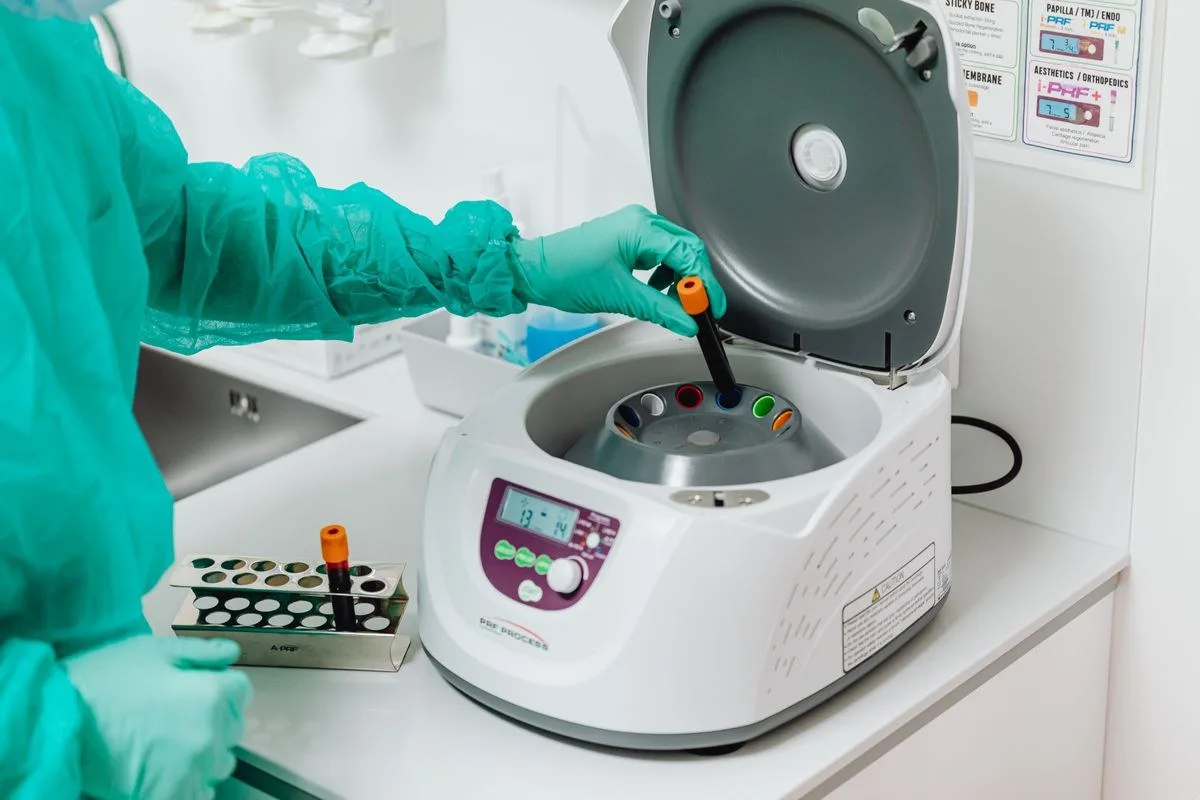
On the day of initiation, the sperm sample taken from the male is washed in the laboratory by a special method and the most mobile, quality sperm are concentrated. This sample is prepared by passing through the cervix with the help of a thin and flexible catheter, which is then released directly into the uterine cavity.
The procedure is usually completed at the examination table within a few minutes in a position similar to a gynecological examination.
On the day of the procedure, the male spouse is usually asked to give the sperm sample in a private room at the clinic; In some cases, specimens that have been previously frozen can also be used.
The timing is matched after a certain period of time following the application of the cracking needle, with the sperm being intended to meet the egg at the optimal moment. This planning is meticulously coordinated by the physician and laboratory team.
Since the catheter used is quite thin and soft, its passage through the cervix usually occurs smoothly. Rarely, when the cervix is not suitable for passage, the physician may prefer a different technique or tool.
The procedure can also be performed with ultrasound; This helps to place the catheter in the right position.
Most women do not feel any apparent pain during the procedure, except for a mild discomfort; Anesthesia is usually not needed. After the procedure, it is enough to rest on a stretcher for a short period of time, followed by a return to daily life.
Some women may experience mild cramping or spot-shaped bleeding after the procedure; this usually goes away on its own in a short time.
Follow-up and Success Symptoms After Treatment
Following the induction procedure, the physician may recommend certain drug applications to the patient, such as progesterone supplementation. In this process, there is no serious restriction in daily life except to avoid severe physical activity.
For pregnancy testing, it is usually recommended to wait until about two weeks after the procedure; tests prior to this time can yield misleading results.
This waiting process can be emotionally exhausting for couples; anxiety and a sense of uncertainty are common throughout the process to continue the daily routine as much as possible and stay in touch with the physician when necessary, making this period more manageable.
During this period, it is important that the medication practices recommended by the physician are not interrupted and that a control examination is performed on the proposed date. Early discontinuation of support treatment can make the process difficult to evaluate.
Symptoms such as menstrual delay, mild pubic tension or tenderness are seen in some women, but these are not a definitive indicator of pregnancy and vary from person to person. For clarity of outcome, a blood or urine test should be expected.
Regardless of the test result, how to plan the next step is evaluated under physician control.
Possible Side Effects and Risks During IUI Treatment
Although insemination therapy is a less invasive method compared to IVF, hormone therapy and the insemination process have some risks of its own.
Most of these risks are mild and temporary, but it is important for the patient to be in touch with his or her physician throughout the process, reporting unusual symptoms in time.
In general, insemination treatment is considered safe and has a low rate of serious complications. However, as with every medical procedure, some risks cannot be completely eliminated; the important thing is to be aware of these risks and reach the physician without wasting time in an unusual situation.
Possible Side Effects of Hormone Stimulation
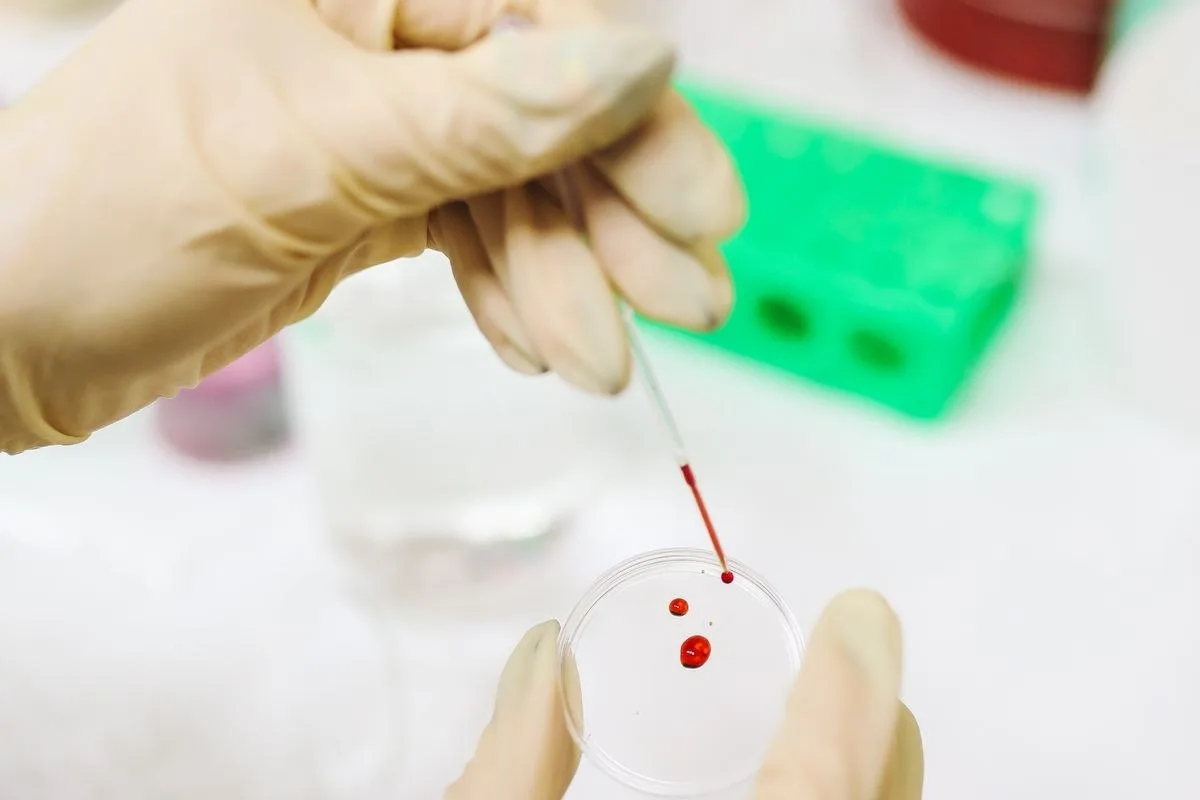
Medication practices used to stimulate ovaries can cause temporary side effects in some women's abdomen, such as mild swelling, tenderness, or headaches.
Rarely, ovarian hyperstimulation syndrome may occur due to the excessive number and large development of follicles; This can be noticed and managed early with close follow-up. The dose and protocol are adjusted by the physician according to the patient's response, attempting to reduce these risks as much as possible.
The development of more than one follicle can also increase the likelihood of multiple pregnancies, so ultrasound follow-up is done regularly during stimulation and if deemed necessary, changes to the treatment plan may be made.
Since the patient's response to stimulation varies from person to person, the assessment on this topic is repeated in each cycle.
When symptoms such as sudden and apparent swelling, shortness of breath or severe pain are noticed in the abdomen, it is recommended to consult a physician without spending time. Although such symptoms are rare, early intervention makes it easier to manage possible complications.
Risk of Infection and Injury in the Insemination Process
The process of insemination is a short-term procedure, applied in sterile conditions; Despite this, there is a very low risk of infection. After the procedure, it is recommended to consult a physician without wasting time when symptoms such as fever, foul-smelling discharge or severe pain are noticed.
During the passage of the catheter through the cervix, some women may experience very mild bleeding; This usually resolves itself and does not affect treatment.
The fact that the materials used prior to the procedure are sterile and the practice is done by an experienced physician helps minimize such risks.
It is also important for a safe practice for the patient to share their infection, allergies or chronic illness with their physician prior to the procedure.
After the procedure, no permanent marks or apparent injuries are expected except for slight staining. Nevertheless, it is important for patients to follow the instructions given after the procedure and not to miss the recommended control examinations to recognize the possible risks early on.
Success Rates of IUI insemination Treatment in Samsun
The result of insemination treatment varies depending on many variables, such as the age of the woman, the cause of infertility, egg reserve, sperm quality and the protocol applied.
Therefore, it is not right to mention a single success rate that applies to all patients; each pair's condition should be evaluated separately in light of their own examination results. Although it is useful to have information about general trends, the individual's specific expectation can only be created after the examination.
Except age and diagnosis; Lifestyle habits, such as body mass index, smoking and alcohol, stress level, and overall health status are also counted among factors that can indirectly affect reproductive health.
Each of these factors can be differently effective and vary from patient to patient.The physician also considers these elements when creating a treatment plan.
Success Rates by Age Group
Female age is one of the most important factors affecting reproductive health, and egg reserve and quality tend to decrease overall as age progresses.
Therefore, the response from insemination treatment in younger age groups is generally considered to be more positive than in older age groups. However, this is a generalization, where two women in the same age group may have egg reserves and overall health status very different from each other.
In order to assess egg reserve, the physician may refer to methods such as hormone tests and, if necessary, antral follicle count by ultrasound.
These assessments help to create the treatment plan more realistically by revealing the personalized level of reduced reserve with age.
Although insemination can be tried in the advanced age group, the physician may sometimes recommend direct IVF treatment based on egg reserve and other examination results. This decision is made in view of the dynamics of conception and pregnancy maintenance that change with age. The individual's specific approach should always be based on the results of the examination and examination.
IUI Success Expectations by Diagnosis
The cause of infertility also directly affects the expected response from insemination treatment.
In cases such as unexplained infertility or mild male factor, for example, overall more positive results can be obtained without insemination, whereas in cases such as advanced male factor or severe tube damage, the expectation of success decreases and IVF may become a more appropriate option.
The combination of multiple factors in some couples can make the treatment decision more complex, in which case the physician plans the order of treatment accordingly by deciding which factor should be considered as a priority.
This individualised assessment aims to ensure that the process proceeds in the most efficient way.
In cases such as endometriosis, long-standing unexplained infertility, or repeated unsuccessful insemination trials, the physician may review the treatment plan and suggest a different approach.
How many trials will be conducted and at what point the method change is evaluated together based on the patient's age, test results, and response in previous trials.
Conclusion
Samsun insemination treatmentFor many couples who wish to have children when applied with the right diagnosis, a reasonable first-line treatment option may be available.
Every stage of the process; It proceeds under the supervision of a physician from pre-assessment to hormone therapy, from the insemination process to the follow-up process, and is shaped according to the individual condition of the couple. Factors such as age, diagnosis and previous history of treatment directly affect both the treatment plan and expectations.
Curious questions about insemination treatment and applying to a woman's disease and obstetrician for personal evaluation are important in terms of correct guidance.
After detailed examination and examination, the physician creates the most appropriate treatment plan for the patient together.
It is beneficial for the couple to share their questions with their physician before they begin, in terms of creating realistic expectations about treatment. Informedly starting the process can positively affect both treatment compliance and overall experience of the process.

Original Turkish content prepared and reviewed by
Prof. Dr. Aşkı Ellibeş Kaya
Specialist in Obstetrics and Gynecology
Last updated: 25 August 2026
The content on this page is intended for informational purposes; the diagnosis and treatment decision is made only with your physician after the examination.
References
The following sources relate to the informational issues outlined by them. The personal diagnosis and treatment plan requires physician evaluation. Source texts are in English.
NHS
Intrauterine insemination (IUI) (opens in new tab)Related subject: Preparation of sperm sample, timing with ovulation and delivery into the uterus.
The information on this page is for general informational purposes only and does not replace medical advice, diagnosis or treatment. Each patient's condition is different; the method and process to be applied is determined only by the physician after examination and evaluation.
Frequently asked questions
No, in most women, the process of insemination does not lead to significant pain and anesthesia is usually not needed. A slight discomfort can be felt during the procedure, which usually takes a short time and the process is completed in a few minutes. Some women may experience mild cramping after the procedure, but this usually goes away on its own in a short time.
Related Services
Other issues under the title IVF.



Start with an appointment
Let us determine the day and approach that best suits you. Your consultations are conducted on a privacy basis.