

Samsun Ovulation Induction
Ovulation treatment is a process under physician control that aims to create a regular cycle in women who have difficulty conception due to irregular or non-fulfilling ovulation.
Samsun spawning treatmentIt is applied to women who have difficulty conceiving due to irregular or insufficient ovulation, menstrual irregularity and PCOS are common causes.
Other than polycystic ovary syndrome (PCOS), thyroid function disorders or unexplained infertility may also occur, or may occur sporadicly; Treatment comes up in these situations. The treatment is planned specifically for the individual after detailed evaluation by the physician, and the goal is to increase the chances of pregnancy by creating a regular and healthy ovulation cycle.
Obstetrics and Gynecology specialist who has been evaluating this field in Samsun Prof. Dr. Aşkı Ellibeş Kaya, together with the patient's history, hormone profile and previous treatment history, determine the appropriate approach. This article discusses the stages, methods, possible risks of ovulation treatment and the post-treatment process in light of current medical information.
What Is Ovulation Treatment?
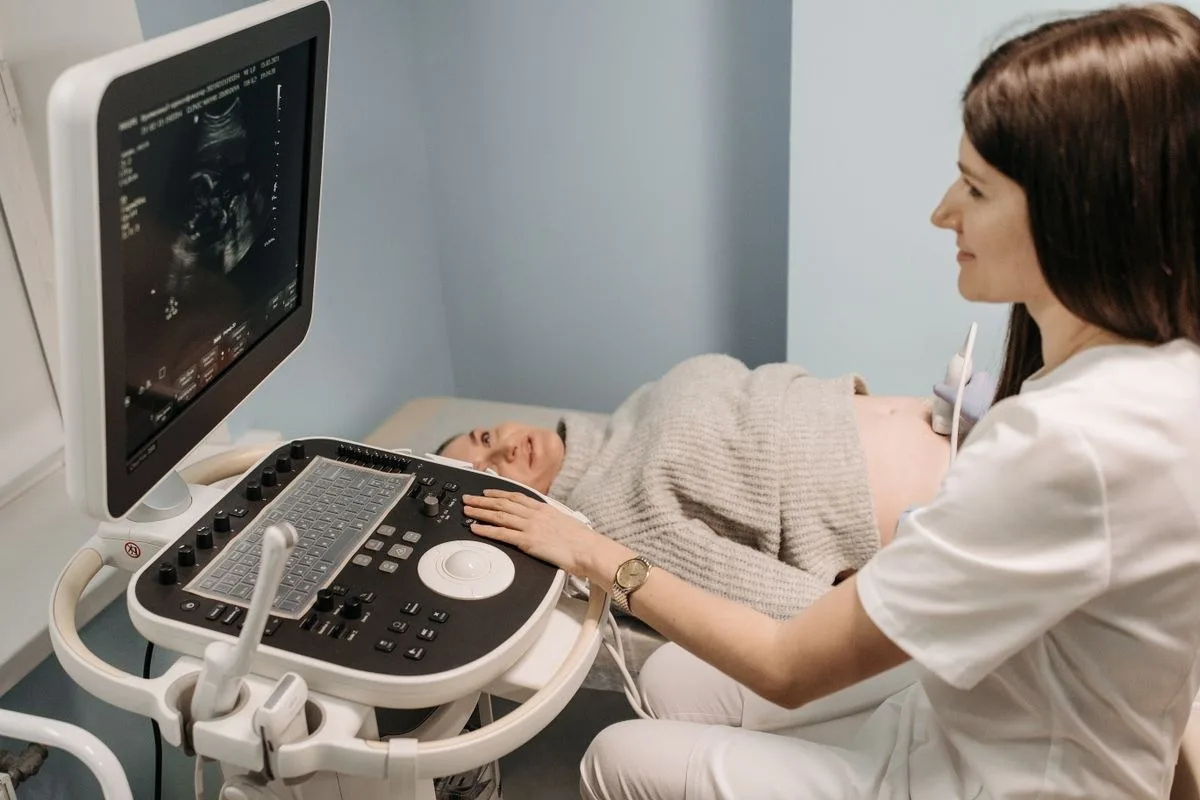
Ovulation treatment involves a series of medical interventions to allow the ovaries to produce mature eggs at regular intervals. If ovulation does not occur in the woman's menstrual cycle or occurs at irregular intervals, the ovaries are supported by the physician with oral medications or low dose hormone therapy.
During the course of treatment, follicle development is closely monitored by ultrasound and blood tests, a drug application that triggers ovulation when mature follicles form. This approach can be applied alone, as well as combined with additional methods such as insemination (IUI).
Ovulation is a natural part of the menstrual cycle, and when it does not occur regularly, it can affect not only conception but also menstrual pattern. Without ovulation, menstrual bleeding may be sparse or completely interrupted. Therefore, ovulation treatment can be evaluated by the physician, not only in women who have a pregnancy goal but also in women who apply due to menstrual irregularity.
Underlying ovulation disorder can include many different causes, such as hormonal imbalances, overweight or low weight, stress, intense exercise, or thyroid disorders. Correct determination of the cause plays a decisive role in the choice of the treatment method to be applied.
Patient Profiles Suitable for Treatment in Samsun
Ovulation treatment is recommended in certain clinical tables, not in each case of infertility. Women diagnosed with PCOS, experiencing menstrual disorder, confirmed by hormone tests without ovulation, or who have been diagnosed with unexplained infertility may benefit from this treatment. The appropriateness is determined by the results of the physician examination and examination; The same protocol is not applied to each patient.
Women who have irregular or sparse menstruation
Those with PCOS or similar hormonal irregularities
Facts confirmed by laboratory findings where there is no ovulation
Couples diagnosed with unexplained infertility
Patients with tube opening and uterine structure found appropriate
In addition to the female factor, sperm analysis of the mate prior to treatment is also included in the assessment. If a male factor-related problem is identified, the treatment plan is shaped accordingly. This holistic approach allows the process to proceed in the right way.
Step-by-Step Ovulation Treatment Process
Ovulation treatment is a process that consists of certain stages, which is progressing under physician control. Each stage is shaped according to the result of the previous one and changes can be made to the protocol according to the patient's response. The stages of the process are summarized below.
The total duration of the process varies depending on the length of the diagnostic process and the response to treatment; While some patients progress within a few weeks, some patients may spread over a longer period of time.
Application and Preliminary Examination
The process begins with a gynaecology examination and detailed patient history. Menstruation, previous pregnancies, chronic diseases and family history are evaluated. At this stage a Samsun obstetrician Having a first assessment accompanied is important for proper planning of the next steps. After the examination, it is decided which examinations will be requested and the patient is informed about the treatment process.
On the first appointment, general health parameters such as weight, blood pressure are also reviewed; Complaints about thyroid and sugar metabolism are questioned. This information guides the physician in distinguishing the underlying causes of ovulation disorder.
Diagnostic Tests and Hormone Assessment
To determine the cause of ovulation disorder, blood tests measure hormone levels such as FSH, LH, estrogen, progesterone, thyroid and prolactin. Post-menstrual 7-10. The aperture and uterine structure of the tubes are evaluated with HSG (hysterosalpingography) made per day; This process is performed by giving contrast material to speculum and catheter, lasting 15-30 minutes, and in some patients there may be a slight feeling of cramping.
If deemed necessary, ultrasound also examines the ovarian reserve. All of these findings are evaluated together to determine the treatment protocol.
In addition to hormone tests, the number of follicles in the ovaries and the internal structure of the uterus are examined by transvaginal ultrasound. This imaging gives an idea of the over reserve and contributes to the determination of the initial dose of the treatment protocol. Additional blood tests may also be requested when deemed necessary.
Treatment Protocol and Drug Enforcement
According to the diagnostic results, the physician plans a protocol that includes oral medication or low dose hormone therapy. The administration of the drug usually begins on certain days of menstruation, and the duration is adjusted according to the patient's response. The treatment protocol is personalized; The same dose and duration may not give the same result in each patient. For this reason, regular physician control is maintained throughout the protocol.
Oral drugs are often preferred as the first step in protocol selection; If the response is insufficient, a low dose of hormone therapy may be prescribed. Which drug, which dose and how many days to use, is updated by the physician based on the patient's response in previous cycles.
Follow-up and Ultrasound Monitoring
During the course of treatment, follicle development is monitored at regular intervals with ultrasound, and blood hormone levels are also checked if necessary. When folicula reaches a sufficient size, a drug application is administered that triggers ovulation and the time interval at which ovulation takes place is reported to the patient by the physician. This follow-up is important in both assessing the effectiveness of treatment and being able to spot the possible over-response early on.
The follow-up frequency is usually provided by ultrasound once or twice a week, as the follicle size is approached, the control range can be tightened. When mature follicle size is reached, the physician informs the patient of the application time of the drug that triggers ovulation.
Ovulation Treatment Methods
The method used to treat ovulation varies depending on the patient's diagnosis, age and previous treatment response. In some patients, medication alone is sufficient, while in some cases additional methods may be needed. The physician decides which method to apply based on the results of the examination and examination.
In the treatment process, methods can be applied alone or together; For example, with ovulation induction, IUI can be combined in the same cycle. Which combination will be preferred is determined based on the patient's diagnosis and previous treatment responses.
Ovulation Induction Treatment
Ovulation induction is the support of ovulation with oral medications or low-dose hormone therapy. The goal is to provide one or several mature follicles development in the ovaries. During the course of treatment, ultrasound follow-up is performed and adjustment can be made to the dose by the physician according to the patient's response. This method is the first preferred approach in many patients with ovulation disorder.
Medications used in this method are usually in oral tablet form; when the response is insufficient, the physician may switch to an alternative protocol that includes low dose hormone therapy. The duration and dose of treatment are personalized according to the patient's age, weight and ovarian reserve.
Natural Cycle Tracking and Timed Relationship
In some patients, without drug support, the natural menstrual cycle is monitored by ultrasound and hormone tests. It is recommended that the couple engage in this period by determining the estimated day on which ovulation will occur; This is called a timed relationship. This approach can be preferred in couples with regular ovulation but prolonged gestation.
The advantage of this method is that the drug is not used and the risk of side effects is low. However, if ovulation irregularity is evident, follow-up alone may not be enough, and the physician may recommend switching to a medication-assisted protocol.
Intrauterin Insemination (IUI) and Implementation
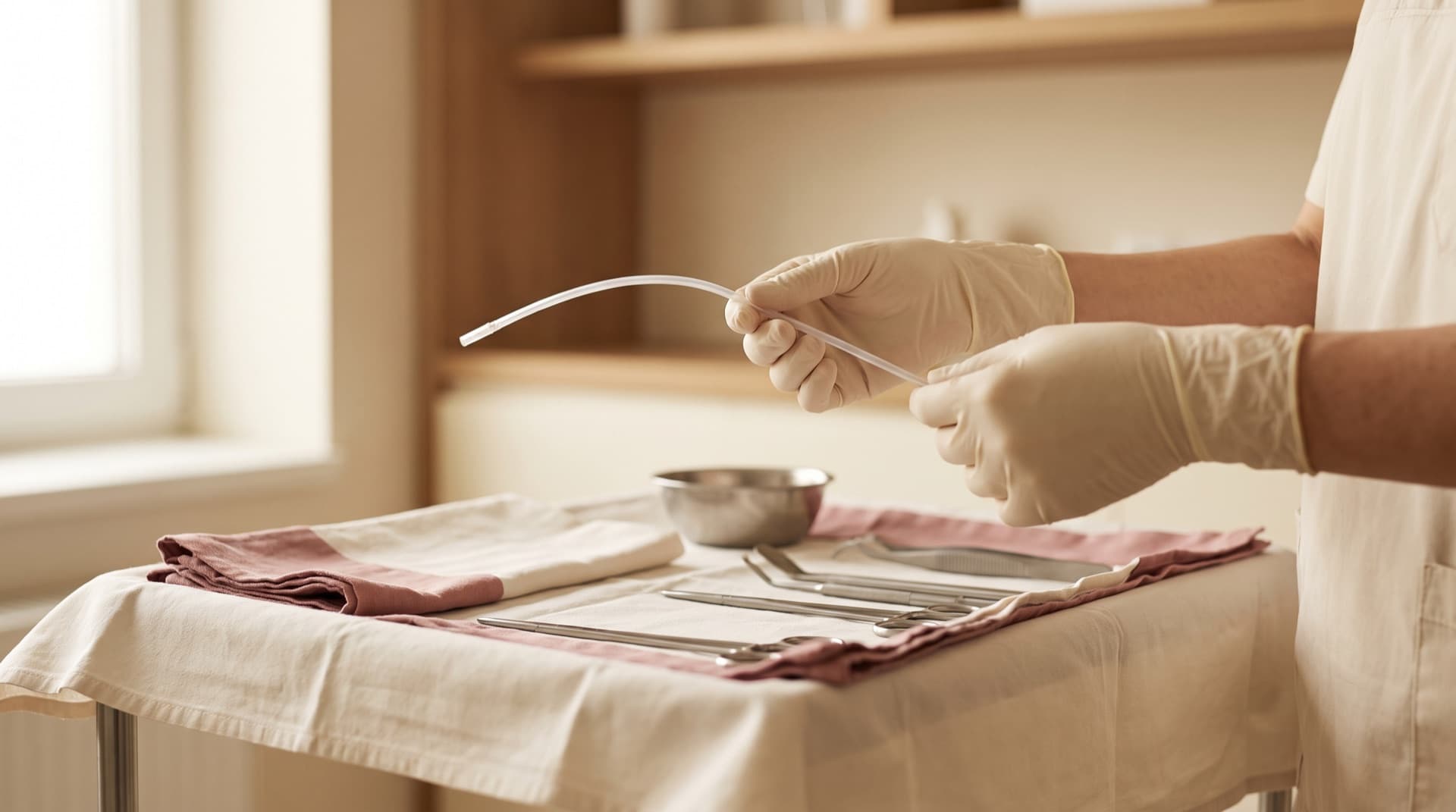
IUI is the direct delivery of the prepared sperm sample to the uterus with a thin catheter near the time of ovulation. Before, the sperm sample is processed in the laboratory and the most mobile sperm are separated. Following the drug application that triggers ovulation, the planned day-to-day delivery to the uterus is carried out.
A brief rest after the procedure is sufficient and daily life can be returned in a short time. The number of trials required to get results varies from person to person; It is important to have a physician's direction in this regard.
IUI usually comes up in cases where the mild male factor, unexplained infertility, or ovulation induction alone does not produce results. In which cycle to switch to IUI, the physician decides by evaluating previous treatment responses.
Method: Application Form; Who Can Be Suitable for
Ovulation Induction: Supporting follicle development with oral medication or low dose hormone therapy; Patients with ovulation disorder
Natural Cycle Follow-up and Timed Relationship: Cycle tracking with ultrasound and hormone tests without the use of medication; Couples with regular spawning, prolonged gestation
IUI (Avalanche): The delivery of prepared sperm to the uterus during ovulation; Mild male factor or unexplained infertility phenomena
The methods included in the table can be considered as complements, not alternatives to each other; As the process progresses, the physician can switch from one method to another according to the patient's response.
Possible Side Effects of Ovulation Treatment and Risk Management
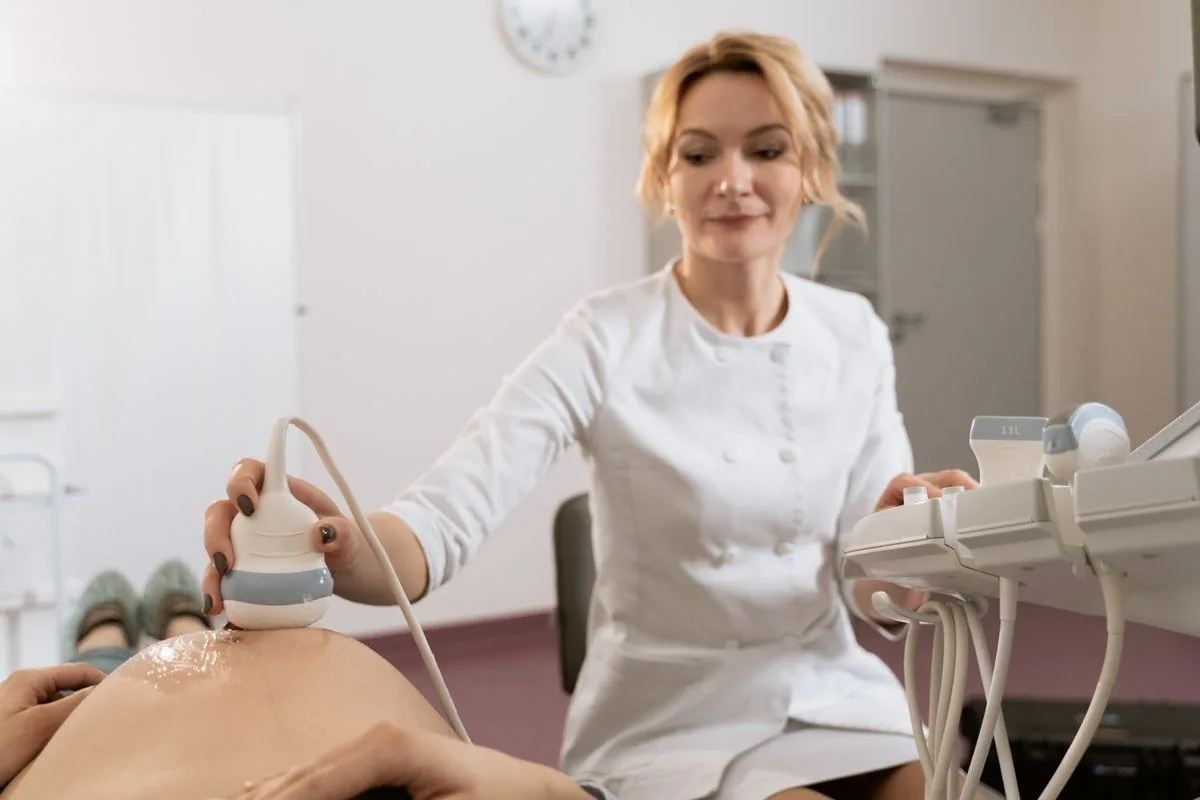
Although ovulation treatment is generally considered safe, some side effects and risks can be seen, as with any medical intervention. Most of these risks can be recognized and managed early by regular physician follow-up. It is recommended to consult a physician without wasting time when there are any complaints during treatment.
Most of the side effects are mildly monitored and spontaneously regressed after treatment. Nevertheless, being knowledgeable about the warning signs indicated by the physician allows for early detection of a possible complication.
Symptoms of Ovarian Hyperstimulation Syndrome (OHSS)
OHSS is a table that can occur as the ovaries respond to treatment more than expected. It can manifest itself with symptoms such as swelling in the abdomen, pain, nausea and rarely shortness of breath. The magnitude of the risk varies according to the patient's response, the protocol applied, and the over reserve. Therefore, close ultrasound and hormone monitoring is performed during the course of treatment, where necessary, dose adjustment or discontinuation of treatment is evaluated by the physician.
Severe abdominal pain or rapid developing swelling
Shortness of breath sensation
Decrease in urine amount with apparent weight gain
Nausea, vomiting, or exacerbation of dizziness
Infection and Bleeding Risk
Interventional procedures, such as IUI, can show very low rates of infection or bleeding in the form of slight staining. Such symptoms usually go away on their own in a short time, but the physician should be consulted in case of fever, severe pain or intense bleeding. In sterile conditions, these risks are quite limited.
Compliance with hygiene rules before and after the procedure helps minimize risks. Acting in accordance with the recommendations given by the physician makes it easier for possible complications to be noticed early.
Post-Ovulation Treatment Care and Follow-up

The post-treatment process should be managed with caution, both in terms of physical recovery and pregnancy follow-up. Acting in accordance with the recommendations given by the physician ensures that possible problems are noticed early.
Emotional ups and downs that can occur during this period are also a natural part of the process; it may be useful to talk to the physician about this when necessary.
Most patients can maintain their daily work and social life normally during the treatment process; It is important that only the control appointments are not interrupted.
Physical Activity and Life Conditions After Treatment
After the procedure, it is usually possible to return to daily life in a short time, but heavy physical activity and strenuous exercise are recommended to avoid for some time. Plenty of water consumption, balanced nutrition and regular sleep support the body's process of adaptation to treatment. It is important to comply with the restrictions recommended by the physician when there is a feeling of swelling or discomfort in the abdomen.
Hot showers or baths are usually no problem, but extreme hot environments and strenuous activities are recommended. Whether there are restrictions on sexual life is determined by the physician based on the patient's condition.
Pregnancy Tests and Control Appointments
Post-treatment pregnancy testing is usually done by blood test about two weeks after ovulation; Early urine tests can give misleading results. Regardless of the test result, it is important to go to the scheduled check-up appointment with the physician in order to determine the next steps correctly.
If the test result is positive, an early ultrasound check is planned to make sure that the pregnancy is progressing healthy. If the result is negative, the physician will reevaluate the treatment plan for the next cycle.
Samsun Ovulation Treatment Success Rates and Expectations
The results of ovulation treatment vary from person to person; Diagnosis, age, over reserve and accompanying factors directly affect the outcome. Therefore, rather than giving a clear success rate, it is more accurate to talk about general trends that affect the outcome. Medical examination and examination results are required for the person's specific expectation.
The Effect of Age and Egg Quality on Success
As the female age progresses, the number and quality of eggs generally tend to decrease, an important factor affecting treatment success. In patients with premature ovulation disorder, the response to treatment can often be more positive, while in older age, the outcome may be more variable. This difference is assessed by over reserve tests.
Evaluation of the ovarian reserve by blood tests and ultrasound before starting treatment helps the physician to determine the expectation more realistically. This assessment is also a guide in planning the duration and method of treatment.
Lifestyle Factors and Treatment Results
Lifestyle factors such as weight, diet, smoking and stress can also affect the treatment process. Balanced weight, regular sleep and avoiding smoking can contribute positively to treatment by supporting hormone balance. Specific recommendations to the physician should be taken into account in this regard.
While regular but not excessive exercise supports hormone balance, overly intense training can have the opposite effect. It is useful to get a personalized recommendation from the physician on how to establish this balance.
Conclusion
Samsun spawning treatment, is a process under physician's control aimed at increasing the chances of pregnancy in women whose regular ovulation cannot be achieved.It is determined by the specific assessment of which method, time and protocol the treatment will be administered.
Early diagnosis and regular follow-up play an important role in managing both the treatment process and possible risks. It is important for women with ovulation disorder to consult a physician without wasting time planning the process correctly.

Original Turkish content prepared and reviewed by
Prof. Dr. Aşkı Ellibeş Kaya
Specialist in Obstetrics and Gynecology
Last updated: 28 August 2026
The content on this page is intended for informational purposes; the diagnosis and treatment decision is made only with your physician after the examination.
References
The following sources relate to the informational issues outlined by them. The personal diagnosis and treatment plan requires physician evaluation. Source texts are in English.
NHS
Intrauterine insemination (IUI) (opens in new tab)Related subject: Monitoring of ovulation by tests and ultrasound monitoring in stimulated cycles.
Frequently asked questions
No, ovulation treatment is not usually a painful procedure; Treatment is carried out in the form of oral medications or low dose hormone administration. Treatment usually begins on the first days of menstruation, according to the protocol prescribed by the physician.
Related Services
Other issues under the title IVF.

Start with an appointment
Let us determine the day and approach that best suits you. Your consultations are conducted on a privacy basis.