

Samsun Bioidentical Hormone Therapy
Bioequivalent hormone therapy is a menopausal treatment option where hormones are used whose chemical structure is the same as the body's own hormones.
Samsun bioequivalent hormone therapyThe molecular structure is the menopausal treatment, conducted with preparations that are exactly the same as the hormones produced by the body itself. The two most commonly used components are 17-beta estradiol and micronized progesterone. The treatment is tailored to the individual by the evaluation of the obstetrician and gynecologist.
This title is one of the most controversial topics about which the word "bioequivalent" is often used in the natural and risk-free sense, whereas the equivalent of the term relates only to molecular structure; the fact that the hormone was produced in the laboratory does not change this definition.
The correct information begins with setting the expectation correctly, in which both the actual benefits and limits of the method are clearly addressed. Prof. Dr. Aşkı Ellibeş Kaya, makes the treatment decision by evaluating the patient's history, examination findings and examination results together.
What is Bioequivalent Hormone Treatment?

Bioequivalent hormone therapy is the use of molecules whose chemical structure is the same as the hormones produced by the human body. Micronized progesterone, the main form of estrogen produced by ovaries, with 17-beta estradiol, the reduced form of natural progesterone in the laboratory, are the basic members of this group.
It is necessary to clarify the distinction here. Synthetic progestins are different molecules that have a similar effect to progesterone, but their structure is different. In bioequivalent preparations, the molecule is the same as the body's own hormone; this difference explains some of the effects being different.
Another important distinction concerns where the preparation comes from. On the one hand, there are medicines that have been licensed from the health authority and have undergone a standard and quality inspection of their dose. On the other hand, the pharmacy contains mixtures that are specially mixed to the person.
Licensed bioequivalent preparations are the standard part of modern menopause treatment and have extensive study on them. It is not possible to say the same for formulas that are mixed specifically to the person; Because dose consistency and content control are not guaranteed, international specialist associations do not recommend routine use of them.
Is Bioequivalent Hormone Treatment Safe?

The short answer is: the safety profile is positive when applied in the right patient, with a licensed preparation and at the appropriate dose. However, the "bioequivalent" label alone does not mean risklessness and should not be presented as such.
There are three variables that determine safety: the way the hormone is administered, the age at which it begins treatment, and the patient's personal risk profile. None of the safety promises given without these three being evaluated are true.
Scientific Data on Breast Cancer Risk
The risk of breast cancer in hormone therapy is closely related to the type of progesterone used. Whether the molecule added to the estrogen is synthetic progestin or micronized progesterone is one of the most important factors affecting the direction of the risk.
Extensive observational studies suggest that the effect on breast tissue in combinations containing micronized progesterone is more neutral compared to synthetic progestins. This is one of the prominent justifications for the bioequivalent approach.
However, the limit of this data must be known. The findings come mainly from observational studies, and it is not possible to say that the risk is completely eliminated in long-term use. Women with a history of breast cancer do not receive systemic hormone therapy.
Effects on Heart and Vascular Health
What is decisive in terms of vascular health is the way in which the hormone enters the body, where estrogen taken by mouth passes through the liver first and affects the production of clotting-related proteins.
The estradiol applied from the skin skips this first pass, so transdermal forms are considered to be more advantageous than oral forms in terms of the risk of vascular congestion. In patients with risk, preference is made in this direction.
The time of initiation is just as important as the way of delivery.The benefit-risk balance is mostly positive in treatment that begins near menopause and before the age of sixty; and in treatment that starts at an advanced age, the balance reverses.
Possible Side Effects and Risk Management
In the first weeks of treatment, tenderness, swelling, headache and intermittent bleeding can be seen in the breast. Most of these complaints decrease as the body adjusts to the new order; If it lasts, the dose or form will be changed.
Risk management begins before starting treatment. Breast screening and cervical screening are current, blood pressure and weight measurement are the first steps to complete the required blood tests.
A history of breast cancer or suspected breast finding
A history of vascular blockage or clotting disorder
A stroke or heart attack story
Active liver disease
Causes of unresearched vaginal bleeding
Pregnancy suspicion
Which Bioequivalent Hormone Is Right for You?

There is no single rule that establishes the appropriate form. The type of your complaint, vascular and liver health, your daily habits of use, and whether your uterus is in place shape this decision together.
The general principle is: it starts with the lowest effective dose and updates the plan as the response is seen. Every woman whose uterus is in place must necessarily add progesterone next to estrogen; this is imperative to protect the intrauterine layer.
Transdermal Creams, Gels and Patches
Forms applied from the skin are often preferred as estradiol skips its first passage through the liver. Gel and cream are rubbed daily on the arm or leg; the band form is changed once or twice a week.
The advantage of this pathway is that the blood level is more balanced and its effect on clotting is limited. It is a priority option in patients with migraines, risk of veins, and high triglyceride levels.
There are points to be considered in practice. It is necessary to wait and dress until the gel is dry, not keep the practice area in the same place every day, and prevent others from contacting that area.
Leather Subsoil Pellet Applications
A small tablet containing hormones in the application of pellets is placed under the skin in the upper hip area under local anesthesia. Since the effect lasts for months, it does not require daily use, making it seem attractive to patients.
However, this method has serious limitations. Pellets make it difficult to control blood level; some patients may have levels above physiological limits and fluctuating levels. Once placed, it is not possible to reduce doses or quickly discontinue treatment.
For these reasons, pellet applications are not recommended as the first choice by international specialist associations. When this method comes up, it is necessary to clearly describe these limits as well as their advantages.
Oral Capsules and Sublingual Forms
Micronized progesterone is most often used in capsule form by mouth. It is usually recommended to take it in the evening, as it has a mild sedative effect; This feature may provide additional benefits in women with sleep problems.
Oral forms of estrogen are also available and used in appropriate patients. This form may be preferred in patients who do not have vascular risk, prioritising ease of use. Sublingual applications do not stand out in routine use due to absorption variability.
The Benefit of Bioequivalent Hormones in the Beginning of Menopause

The group that has benefited most from treatment are women who have just entered menopause and whose complaints affect their daily lives. Treatment started during this period eases both complaints quickly and provides long-term protection.
Vasomotor Symptoms: Hot Pressing and Sweating
Hot flashes and night sweats are the most obvious result of hormone therapy. Relaxation in complaints usually begins within the first weeks and becomes apparent as the dose sits.
The reduction in night sweat is not only about comfort, but also daytime fatigue, irritability and difficulty focusing when sleep integrity is achieved.
Urogenital Health: Dry and Urinary Path Problems
Vaginal dryness, pain during intercourse, and recurrent urinary tract infections are complaints of menopause that do not go away spontaneously. On the contrary, they tend to progress over time if not treated.
Local application may be preferred, rather than systemic treatment, only in women with a complaint towards this area. Because absorption in local forms is limited, systemic effects also decrease markedly.
Psychological Effects: Depression, Anxiety, and Sleep Problems
Symptoms of anxiety and breakdown during menopause are often very cause. As much as hormonal change, divided sleep and the life changes brought about by this period also contribute to the table.
Hormone therapy is not an antidepressant and does not replace depression treatment. However, if the source of the complaint is night sweat-related insomnia, there may also be significant improvement in mood with the recovery of this problem.
Metabolic Changes and Weight Control
Along with menopause, muscle mass decreases and fat distribution shifts around the waist. Hormone therapy can have a positive effect on this distribution; However, treatment is not a method of losing weight.
Diet and regular physical activity are essential for a permanent outcome. Resistance exercise several times a week with a diet that maintains protein intake is the two that work best during this period.
Bioequivalent Hormone Treatment Process
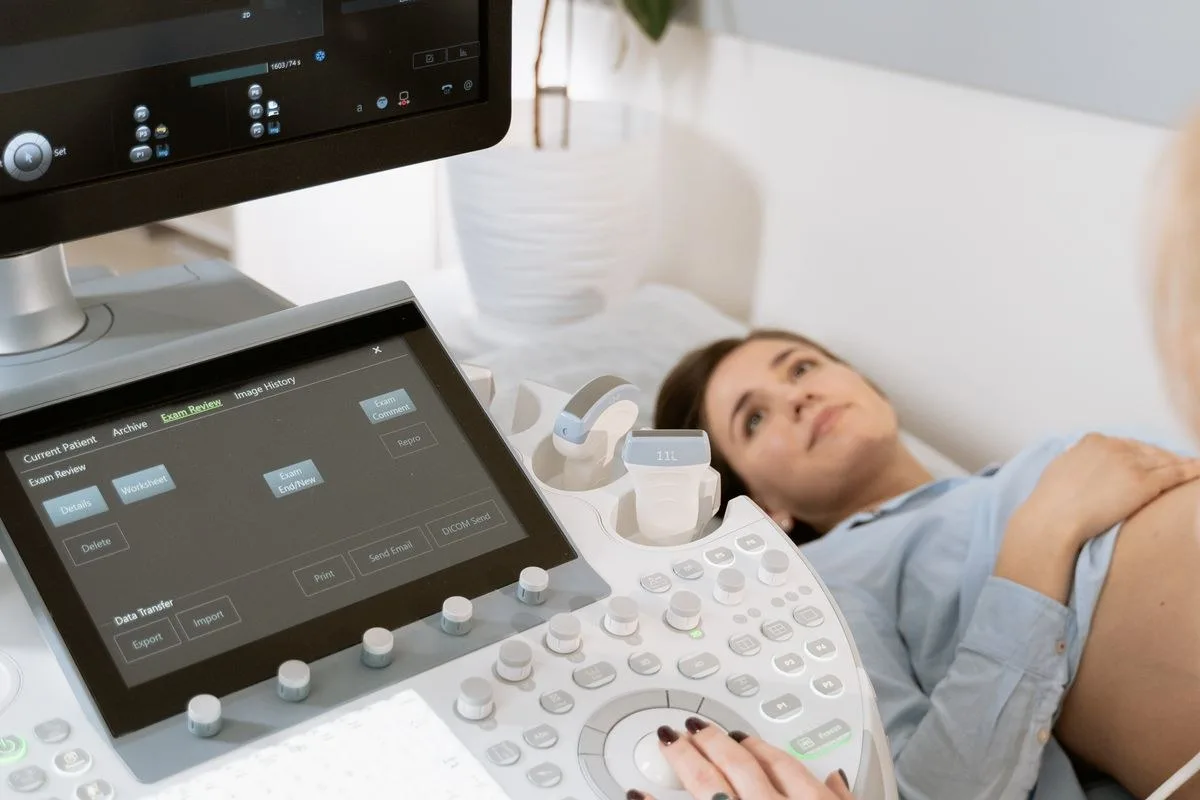
The process begins with evaluation, continues with treatment and is managed by regular checks. It is not a one-time prescription, but a plan that is updated over time.
At the first meeting, your complaints, health history, and whether your family has a history of breast cancer or vascular disease are questioned in detail. This information directly determines whether the treatment is appropriate.
Essential Hormone Tests and Analyses
If there is a typical menopause chart over the age of forty-five, routine hormone testing for diagnosis is often not required. The request for testing is more likely to make sense in early menopause doubt and when the table is atypical.
Pre-treatment examinations often aim for safety rather than diagnosis: blood count, blood sugar, cholesterol, liver and thyroid values are included in this group. Breast screening and cervix screening are requested to be up-to-date.
It is necessary to address a common misconception here. Based on hormone measurements from saliva, dose determination lacks the scientific basis. Treatment follow-up is based on the change in patient's complaints, not laboratory values.
Dose Adjustment and Personal Approach
Treatment is always started with a low dose. The goal is to find the lowest dose that controls the complaints; High doses do not increase the benefit, they increase the side effects.
The first check is usually done after a few months. This consultations assesses changes in the complaints, side effects and intermediate bleeding if any. If necessary, the dose or route of administration is updated.
A personal approach does not mean a special formula mixed in a pharmacy. Selecting the correct form and dose among licensed preparations is a safe and evidence-based form of personalization.
Bioequivalent Hormone Types Used in Treatment
There are three main components used in treatment. Each has a different task and reason for use; It is determined by which of your plans you will enter, according to your complaint and the condition of your womb.
Use of Estrogen
Östradiol is the component that directly targets most menopause complaints. Its effect on hot flashes, night sweats and urogenital dryness is the most potent hormone.
It also plays a protective role in terms of bone health. The location of estrogen is well known in slowing bone loss accelerated by menopause; This effect is especially important in early menopause.
The path of application is chosen according to the patient. Forms administered from the skin are prominent in patients at risk of veins, while local forms may be sufficient only in women with urogenital complaints.
The Importance of Micronized Progesterone
In every woman whose uterus is in place, it is mandatory to add progesterone next to estrogen. When estrogen is used alone, the intrauterine layer thickens and this poses a serious risk in the long run.
Micronized progesterone is at the heart of the bioequivalent approach, as its structure is the same as the hormone produced by the body. Compared to synthetic progestins, its effect on breast tissue and vascular health is thought to be more neutral.
An additional advantage is its mild sedative effect, which can contribute to sleep quality when taken in the evening; therefore, use time is planned accordingly in patients with sleep problems.
DHEA Hormone
DHEA is a precursor hormone secreted from the adrenal glands that can transform into other hormones in the body. Its level decreases with age and therefore comes up in the treatment of menopause.
The vaginally administered form of this hormone is among the options used in urogenital complaints, while evidence of the effect of oral supplementation forms on general menopause complaints is limited and routine use is not recommended.
How Long Does Bioequivalent Hormone Treatment Last in Menopause?
There is no single answer to this question, and for many years there has been a rule that "should not exceed five years" has been spoken; in the current approach, an arbitrary upper limit is not set.
Today's principle is: treatment is maintained as long as necessary and at the lowest effective dose. The decision is reviewed every year; the plan changes when the benefit-risk balance changes.
In the annual assessment, whether your complaints persist, whether a new health problem arises, and your screening results are handled together. This consultations is where the decision is made to maintain or reduce treatment.
The approach is different in women who experience early menopause. Hormone support in these patients is maintained at least until the natural age of menopause is reached; the goal here is not only to control convergence but to maintain bone and vascular health.
Differences Between Traditional (Synthetic) HRT and Bioequivalent Treatment

The main difference between the two approaches is the structure of the molecule used. While synthetic progestins and horse-induced estrogens are used in traditional treatment, molecules in bioequivalent therapy are the same as those produced by the body.
This difference is evident in practice, especially on the progesterone side. Data suggesting that the effect of micronized progesterone on breast tissue and vascular health is more neutral has led to the emergence of a bioequivalent approach.
However, the two approaches are not exactly opposite to each other. Licensed bioequivalent preparations are also a subheading of hormone therapy; the same traindications, the same follow-up rules and the same attention requirement apply.
Molecular structure: Different from what the body produces; Same as the body produces
Progesterone component: Synthetic progestins; Micronized progesterone
Common route: Forms taken by mouth are common; Skin application is often preferred
Effect on breast tissue: It depends on the type of progestin; It is thought to be more neutral
Check status: Licensed preparations; Licensed persons are preferred; Mixed formulas are not recommended
Contraindications: The same rules apply; The same rules apply
Conclusion
Samsun bioequivalent hormone therapyIt is a contemporary approach that effectively alleviates menopause complaints when applied in the right patient and with licensed preparations.What stands out is that the molecules used are the same as those produced by the body.
In contrast, the "bioequivalent" label alone does not mean risklessness; The same traindications and the same follow-up discipline apply. If your menopause complaints are affecting your daily life, the correct step is to determine the appropriate option for you with your physician. You can contact our office for an appointment.

Original Turkish content prepared and reviewed by
Prof. Dr. Aşkı Ellibeş Kaya
Specialist in Obstetrics and Gynecology
Last updated: 29 September 2026
The content on this page is intended for informational purposes; the diagnosis and treatment decision is made only with your physician after the examination.
References
The following sources relate to the informational issues outlined by them. The personal diagnosis and treatment plan requires physician evaluation. Source texts are in English.
NHS
Herbal remedies and complementary meds for menopause symptoms (opens in new tab)Related subject: The distinction between regulated standard hormone preparations and unsupervised hormone mixtures.
Frequently asked questions
The molecular structure is the same as that produced by the body, but preparations are produced in the laboratory. The term "bioequivalent" refers to molecular similarity, not naturality. Therefore, being natural does not necessarily mean being safe on its own.

Start with an appointment
Let us determine the day and approach that best suits you. Your consultations are conducted on a privacy basis.