

What Is the Difference Between IUI and IVF?
How do IUI and IVF differ in their procedures, suitability and treatment steps? Learn how age, fallopian tube health and semen analysis findings influence the choice.
The difference between IUI and IVF lies in where fertilisation takes place. In IUI, sperm is placed in the uterus; in IVF, fertilisation takes place in a laboratory.
Both methods may be used when planning a pregnancy, but they are not different names for the same procedure. IUI involves fewer steps. In IVF, eggs are collected, brought together with sperm in the laboratory, and a resulting embryo is transferred to the uterus. A single test result does not determine which option should be considered.
This article compares the processes and the findings considered when choosing between them. An individual decision requires an assessment of age, how long pregnancy has been attempted, and the test results of both partners. Prof. Dr. Aşkı Ellibeş Kaya considers these findings alongside each person's medical history and pregnancy plans.
Key Differences Between IUI and IVF
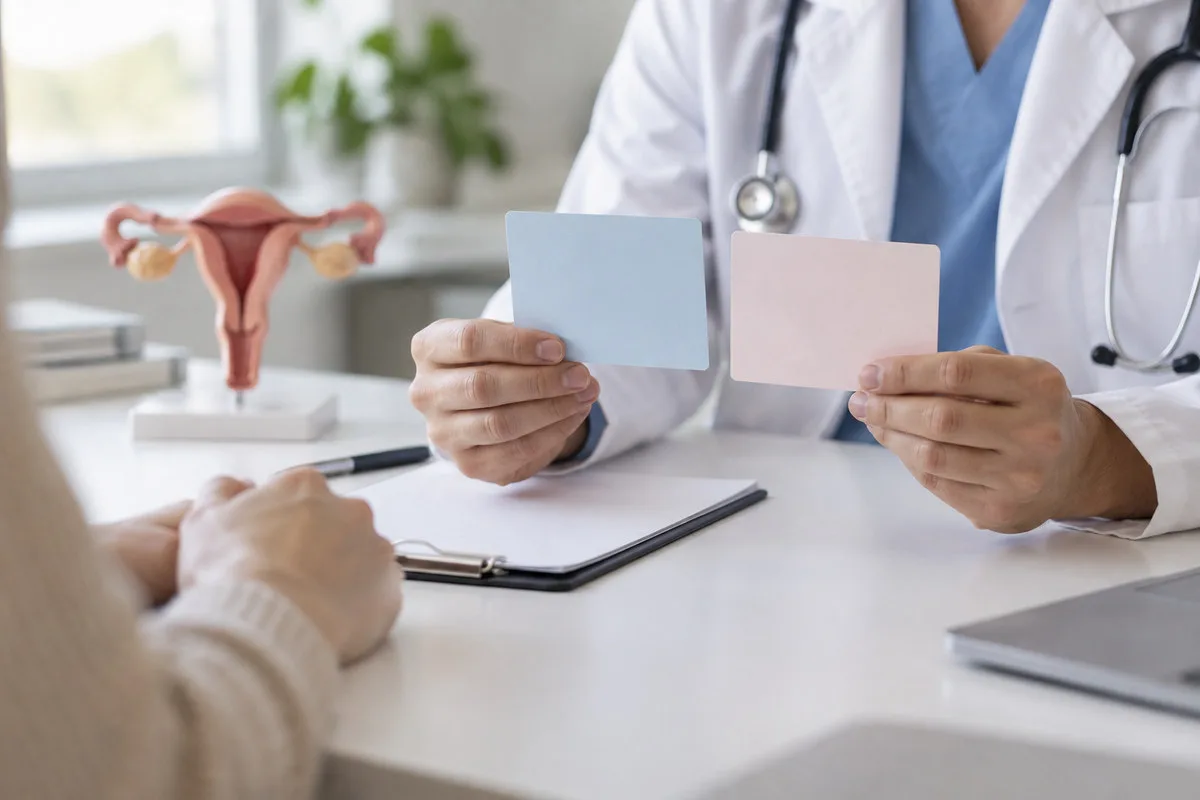
Intrauterine insemination (IUI) involves placing prepared sperm into the uterus close to the time of ovulation. The sperm and egg meet inside the body. In in vitro fertilisation (IVF), eggs are collected, fertilisation is monitored in a laboratory, and a suitable embryo is later transferred to the uterus.
In brief, IUI does not involve egg retrieval or embryo development in a laboratory; these are part of IVF. At least one fallopian tube needs to be functional for IUI. If a tubal problem prevents this, IVF may be considered. This distinction alone does not determine which treatment is suitable for an individual.
Where Fertilisation Happens and How the Procedures Work
Although sperm is placed in the uterus during IUI, fertilisation does not take place there: the egg and sperm usually meet in a fallopian tube. In IVF, the embryo that develops from an egg fertilised in the laboratory is placed in the uterus. This fundamental difference explains why the condition of the fallopian tubes matters when considering IUI.
Treatment Steps and Timing
IUI is carried out within a menstrual cycle by monitoring ovulation, preparing the sperm and placing it in the uterus. IVF includes additional stages, such as ovarian stimulation, egg retrieval, laboratory monitoring and embryo transfer. The schedule is not the same for everyone; the approach used and the response to treatment can change the timeline.
The IUI Treatment Process

IUI treatment is preceded by an assessment of ovulation, whether the fallopian tubes are open, and sperm characteristics. This helps clarify which problem the procedure is intended to address. It may be an option particularly for unexplained infertility or certain mild abnormalities in semen analysis, but it is not a compulsory first step for everyone.
Ovulation may be monitored in a natural cycle or supported with medication if the doctor considers it appropriate. The approach is chosen with potential effects, including the chance of a multiple pregnancy, in mind. Individual guidance is provided on returning to everyday activities and when to take a pregnancy test. Drawing early conclusions from symptoms is not reliable.
Ovulation Monitoring, Sperm Preparation and Insemination
The timing of ovulation is monitored with ultrasound and any tests considered necessary. A semen sample collected on the day is prepared in the laboratory. Motile sperm are selected and placed into the uterus using a thin catheter. The procedure is usually brief. The doctor then explains any medication to be used and the date of the pregnancy test.
IUI aims to help sperm reach the egg. It does not change egg quality or remove a blockage in the fallopian tubes. Findings from the initial assessment therefore matter when deciding whether the treatment is appropriate.
The IVF Treatment Process
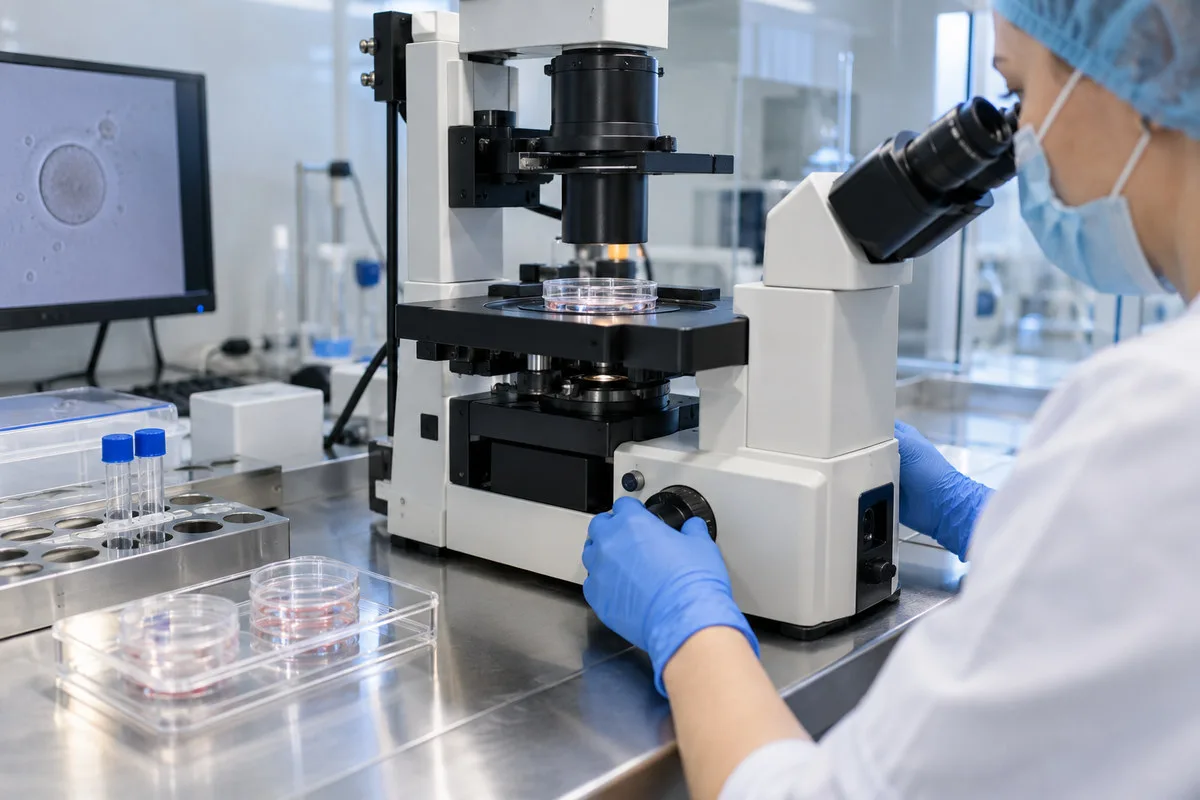
IVF treatment involves preparing eggs for fertilisation outside the body and transferring a developing embryo to the uterus. Not everyone seeking fertility care is referred directly for IVF. Findings such as blockage of both fallopian tubes, a significant sperm-related problem or the results of previous treatment may influence the assessment.
First, the response of the ovaries is monitored. At the appropriate time, eggs are collected and brought together with sperm in the laboratory. Embryo development is then monitored. The timing of transfer and the number of embryos to be transferred are planned according to the clinical situation and applicable rules.
Egg Retrieval, Laboratory Fertilisation and Embryo Transfer
Egg retrieval is a separate step that is not part of IUI. Conventional IVF or, where appropriate, other fertilisation techniques may be used in the laboratory. Transfer takes place after fertilisation and embryo development have been monitored. Not every egg collected is expected to develop into an embryo, and not every transfer results in pregnancy.
This process may require more appointments, monitoring and procedures. The outcome at each stage cannot be known with certainty in advance. The plan is therefore reassessed in light of findings obtained as treatment progresses.
IUI or IVF? Factors That Influence the Choice

The choice of treatment is not made automatically on the basis of trying the easier option first. Age, how long pregnancy has been attempted, ovulation patterns, the condition of the fallopian tubes and semen analysis are considered together. Previous pregnancies or fertility treatments also form part of the decision.
The timing of plans to have a child matters. Staying at the same treatment stage for a long time may be inappropriate when delay could make a difference. On the other hand, IVF is not necessary for everyone. When consulting an obstetrician and gynaecologist in Samsun , sharing previous test results and treatment records allows for a more informed assessment.
Age, Ovarian Reserve and Time Spent Trying to Conceive
As age increases, both the number of eggs and expectations regarding pregnancy may change. AMH and the antral follicle count seen on ultrasound provide information about ovarian reserve. However, they do not, on their own, determine the chance of natural conception or which treatment should be chosen.
In general, an assessment is recommended if pregnancy has not occurred after one year of regular unprotected intercourse for those under 35, or after six months for those aged 35 and over. With a known problem or markedly irregular periods, it may be appropriate not to wait this long. Age and the intended timing of pregnancy also influence how much time is allocated to IUI.
Fallopian Tube Patency and Semen Analysis Findings
Because fertilisation takes place inside the body during IUI, at least one fallopian tube is expected to be open and functional. Depending on the medical history, the tubes may be assessed using methods such as hysterosalpingography (HSG). If both tubes are blocked, IUI may not be suitable and IVF is considered.
Sperm count, motility and other characteristics also matter. IUI may be discussed when changes are mild, while more significant findings may call for a different approach. Rather than making a decision based on a single semen analysis, the results are interpreted alongside the clinical history.
Chances of Success with IUI and IVF

The outcomes of the two methods cannot be compared using a single percentage. Age, the cause of infertility, semen analysis findings, ovarian response and previous attempts all influence the result. The chance of pregnancy per procedure and the live birth outcome over a course of treatment are also different measures.
In some situations, IVF may offer a higher chance of pregnancy in a single cycle, but it involves more steps. IUI is a less invasive option that may be considered for suitable patients. Estimates of an individual's outcome should be based on their medical history and investigations rather than general tables found online.
Factors That Affect the Chance of Pregnancy
The timing of ovulation and the characteristics of the prepared sperm sample are important in IUI. In IVF, additional stages such as the number of eggs obtained, fertilisation and embryo development also affect the outcome. Age is an important factor in both methods. No single laboratory value explains the outcome on its own.
Treatment Duration and Possible Risks

IUI generally involves fewer procedures and less monitoring. IVF may require more appointments and follow-up because of egg retrieval and laboratory stages. The schedule for either treatment varies with the menstrual cycle, medication and the body's response. There is no fixed number of days that applies to everyone.
The risks are not the same either. Ovarian stimulation used for IUI can cause more than one egg to develop. With IVF, the response to medication, egg retrieval and embryo transfer are assessed separately. Potential risks and the monitoring used to reduce them should be discussed before treatment begins.
Multiple Pregnancy and Risks Related to Ovarian Stimulation
When more than one egg develops, the chance of a multiple pregnancy may increase in an IUI cycle, so the number of follicles is monitored. Planning the number of embryos to transfer in IVF is also important in managing this risk. In both methods, the response to medication may be stronger than expected. Close monitoring and, if necessary, a change of plan are required.
Moving from IUI to IVF
If pregnancy does not occur after IUI, no single conclusion is drawn immediately. The reason identified at the initial assessment, the timing of the procedure, semen analysis findings, age and the time elapsed are reviewed. In some cases another IUI cycle may be considered; in others, moving to IVF may be a more appropriate next step.
For unexplained infertility, some guidelines recommend considering IVF after a certain number of appropriately conducted IUI attempts. This is not a fixed sequence for everyone. IVF may be considered earlier if factors such as the condition of the fallopian tubes, a significant sperm-related problem or the impact of delay are relevant.
Reviewing Previous Treatment Outcomes
The conditions under which previous attempts were carried out matter more than the number of attempts alone. The ovulatory response, the sperm sample prepared on the day of the procedure and the medication used are reviewed together. This information helps guide the discussion about whether it makes sense to continue the same plan or change treatment.
Conclusion
The difference between IUI and IVF is not limited to where the procedure takes place. The investigations needed, treatment stages, the importance of the fallopian tubes and semen analysis findings, and the monitoring process also differ.
The most useful question is which option is being chosen, and why, in light of the findings, rather than which method is better in general. Considering age, pregnancy plans and previous attempts together allows a clearer discussion of the benefits and limitations of each option.

Original Turkish content prepared and reviewed by
Prof. Dr. Aşkı Ellibeş Kaya
Specialist in Obstetrics and Gynecology
Last updated: 9 October 2026
The content on this page is intended for informational purposes; the diagnosis and treatment decision is made only with your physician after the examination.
Frequently asked questions
Yes. IVF may be considered without first trying IUI if both fallopian tubes are blocked, there is a significant sperm-related problem, or other findings affect the timing of treatment. The decision is based on the couple's assessment results.
Other Writings
Informative content prepared by the physician on similar subjects.



Start with an appointment
Let us determine the day and approach that best suits you. Your consultations are conducted on a privacy basis.